Hemothorax — Explained by Medical Evidence, Not Myths
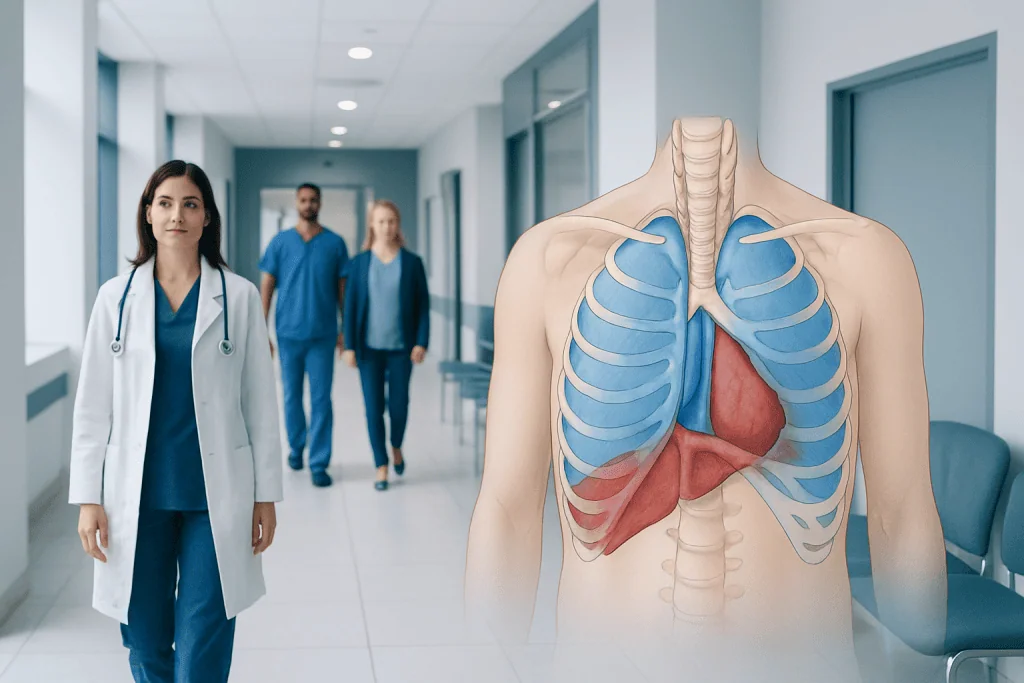
Hemothorax is blood in the pleural space, not bleeding inside the lung itself. Common causes include chest injury, surgery, invasive procedures, and less often cancer or blood-clotting problems.
Key Takeaways
- Hemothorax is blood in the pleural space, not bleeding inside the lung itself.
- Common causes include chest injury, surgery, invasive procedures, and less often cancer or blood-clotting problems.
- Symptoms can include chest pain, shortness of breath, rapid heartbeat, and low blood pressure in more severe cases.
- Diagnosis usually involves imaging such as chest X-ray, ultrasound, or CT scan, and treatment often includes draining the blood.
- Fast medical care helps prevent complications such as infection, ongoing blood loss, and trapped lung.
Hemothorax means blood has collected in the pleural space, the area between the lung and chest wall. It most often happens after chest trauma or a medical procedure and usually requires prompt assessment to remove the blood, support breathing, and treat the source of bleeding.
Overview: what hemothorax means
Hemothorax is a medical term for blood collecting in the pleural space, the thin space between the lung and the inside of the chest wall. This blood can press on the lung and make it harder to fully expand, which is why people may feel short of breath or have chest discomfort. The condition can range from a small, stable collection of blood to a larger, more urgent problem that affects breathing and circulation.
Most cases happen after trauma, such as a fall, car accident, or rib fracture. Hemothorax can also develop after chest surgery or procedures involving the lungs, heart, blood vessels, or pleural space. Less commonly, it is linked to conditions such as cancer, endometriosis affecting the chest, blood clotting disorders, or medicines that increase bleeding risk.
It helps to separate hemothorax from other causes of fluid around the lung. For example, a pleural effusion may contain non-bloody fluid from infection, heart failure, inflammation, or cancer, while a hemothorax specifically involves blood. This difference matters because management often needs to focus not only on removing fluid but also on identifying and controlling the bleeding source.
Symptoms and how it may feel

The symptoms of hemothorax depend on how much blood has collected, how quickly it accumulated, and whether other injuries are present. Some people have mild chest pain and shortness of breath, while others become weak, dizzy, pale, or unusually tired if blood loss is significant. Symptoms may begin immediately after an injury or appear more gradually.
Common symptoms and signs can include:
- Chest pain, often on one side
- Shortness of breath or rapid breathing
- Fast heart rate
- Cough
- Feeling faint, dizzy, or lightheaded
- Low blood pressure in more severe cases
- Reduced breath sounds on the affected side when examined by a doctor
Not every patient has dramatic symptoms at first. A small hemothorax may be found during imaging done after trauma or surgery, even when a person mainly notices soreness from the original injury. Because symptoms overlap with pneumothorax and other chest conditions, medical evaluation is important rather than trying to identify the cause based on symptoms alone.
Causes and risk factors

Trauma is the leading cause of hemothorax. Blunt trauma, such as a motor vehicle crash or sports injury, may cause bleeding from broken ribs, the chest wall, the lung surface, or major blood vessels. Penetrating trauma, including stab or gunshot injuries, can also lead to rapid blood accumulation in the pleural space.
Another important group of causes is iatrogenic, meaning related to medical care. Hemothorax can occur after chest tube placement, central venous catheter insertion, lung biopsy, thoracic surgery, heart surgery, or other procedures involving the chest. In these situations, clinicians look for bleeding from injured tissues or vessels and assess whether the collection is continuing to grow.
Less common non-traumatic causes include cancers involving the lung or pleura, severe infection, pulmonary infarction, vascular abnormalities, and clotting disorders. Some patients are at increased risk because they take anticoagulant medications or have low platelet counts. A hemothorax can sometimes occur alongside pneumothorax, especially after chest trauma, which may further worsen breathing symptoms.
How doctors diagnose hemothorax
Doctors diagnose hemothorax by combining the history, physical examination, and imaging findings. If there has been recent chest trauma or a procedure, that information strongly guides the evaluation. During the exam, a clinician may notice reduced breath sounds, signs of chest wall injury, low oxygen levels, or signs of blood loss such as a rapid pulse and cool skin.
Imaging is central to diagnosis. A chest X-ray can show fluid collecting in the lower chest, but ultrasound is often especially useful in emergency and trauma settings because it can quickly detect fluid around the lung at the bedside. A CT scan provides more detailed information about the amount of blood, associated injuries, active bleeding, and whether there are rib fractures, lung contusions, or vessel injuries.
In some cases, doctors also analyze the drained fluid if a chest tube is placed. Blood tests may be used to check hemoglobin levels, oxygenation, and clotting status, especially if surgery or transfusion might be needed. The main goals are to confirm that the fluid is blood, estimate its impact on breathing and circulation, and identify the source of bleeding as safely and quickly as possible.
Treatment options and what recovery may involve
Treatment depends on the size of the hemothorax, the patient’s symptoms, and whether the bleeding is ongoing. Small, stable collections may sometimes be observed closely with repeat imaging and supportive care. However, many patients need prompt drainage because retained blood can compress the lung and increase the risk of infection or scarring.
A common treatment is placement of a chest tube to drain blood and help the lung re-expand. This may be part of chest tube insertion in an emergency or hospital setting. At the same time, the team addresses pain control, oxygen support if needed, and treatment of the underlying cause, such as stopping a bleeding medication when medically appropriate or treating an associated injury.
If bleeding continues, if there is a large initial blood loss, or if blood remains trapped in the chest despite tube drainage, surgery may be needed. Depending on the situation, this may involve thoracic surgery or a minimally invasive approach such as video-assisted thoracic surgery to remove clotted blood, control bleeding, and reduce later complications. Recovery varies, but follow-up imaging is often used to confirm that the lung has fully re-expanded and the pleural space is clearing.
Possible complications and why follow-up matters
Hemothorax can lead to complications if blood remains in the pleural space or if the original bleeding source is not controlled. One concern is retained hemothorax, where clotted blood is not fully drained. This can limit lung expansion, prolong symptoms, and make infection more likely.
Another complication is empyema, an infection in the pleural space, or fibrothorax, where scarring thickens the pleural lining and restricts normal lung movement. These problems are less likely when hemothorax is identified early, drained when necessary, and followed with appropriate imaging and clinical reassessment. Patients who have had trauma may also have other injuries that affect recovery and require coordinated care.
Follow-up visits help doctors check breathing, pain, oxygen levels, and imaging results. They may also review medications that affect bleeding and evaluate for any ongoing symptoms such as persistent cough, fever, or chest tightness. Near the end of treatment planning, some patients may be referred to centers with multidisciplinary respiratory, emergency, radiology, and surgical expertise; Acibadem International’s JCI-accredited hospitals provide diagnosis and treatment for international patients when this is needed.
Prevention and self-care after treatment
Not all cases of hemothorax can be prevented, especially those caused by accidents or unavoidable medical procedures. Still, some practical steps can lower risk. Seat belt use, workplace safety, sports protection, and fall prevention are simple but important ways to reduce serious chest trauma.
For people taking blood thinners, prevention focuses on careful medication review and close medical supervision. Patients should tell every healthcare professional about anticoagulants, antiplatelet drugs, bleeding disorders, or recent procedures before any intervention. After surgery or chest procedures, it is important to follow instructions about activity, wound care, breathing exercises, and when to return for follow-up imaging.
Self-care after treatment usually includes adequate rest, gradual return to activity, and using prescribed pain relief so deep breathing and gentle movement remain possible. Patients should avoid ignoring new shortness of breath, increasing chest pain, fever, or sudden weakness. These symptoms do not always mean a complication, but they should be checked promptly.
When to seek medical care
Urgent medical care is needed for sudden shortness of breath, chest pain after an injury, coughing up blood, fainting, bluish lips, or signs of shock such as confusion, clammy skin, or severe weakness. These symptoms can indicate hemothorax or another serious chest problem and should not be monitored at home without professional advice.
A person should also contact a doctor promptly after chest surgery or a recent procedure if breathing becomes harder, chest pain worsens, fever develops, or drainage from a chest tube changes unexpectedly. People using blood thinners should be especially cautious after a fall, blow to the chest, or any unexplained breathing symptoms.
Even when symptoms seem mild, evaluation matters because smaller hemothoraces can still progress or lead to later complications. Early assessment helps doctors decide whether observation, repeat imaging, drainage, or specialist treatment is the safest next step.
Frequently asked questions
Is hemothorax an emergency?
It can be. A larger hemothorax may interfere with breathing and cause significant blood loss, which needs urgent treatment. Even a smaller one should be evaluated promptly because it may enlarge or lead to complications.
What is the difference between hemothorax and pleural effusion?
Pleural effusion is a general term for fluid in the pleural space, while hemothorax specifically means that the fluid is blood. The distinction matters because hemothorax often requires urgent attention to identify and stop the bleeding source.
Can hemothorax heal on its own?
Some very small and stable hemothoraces may be managed with careful observation and repeat imaging. However, many cases need drainage to help the lung expand and to prevent retained blood, infection, or scarring. A doctor should decide the safest approach.
How is hemothorax diagnosed?
Doctors use the medical history, physical examination, and imaging such as chest X-ray, ultrasound, or CT scan. If fluid is drained, it may also be analyzed. Blood tests can help assess blood loss and clotting function.
Does hemothorax always require surgery?
No. Many patients are treated with a chest tube and close monitoring, especially if the bleeding slows and the lung re-expands well. Surgery is more likely if there is ongoing bleeding, a large retained clot, or another injury that needs repair.
How long does recovery take after hemothorax?
Recovery time depends on the cause, the amount of blood collected, whether surgery was needed, and whether other injuries are present. Some people recover within weeks, while others need longer follow-up. Repeat imaging is often used to confirm that the chest has healed properly.
This article is for general information only and is not a substitute for professional medical advice. Please consult a qualified doctor about your individual situation.
Explore treatments in Turkey — costs, top hospitals & a free quote
JCI-accredited · board-certified surgeons · reply within 24h
Add us as a Preferred Source to see more of our trusted health content across Google Search, AI Overviews and Discover.
Check your numbers in seconds
BMI, calories, due date, blood pressure and 30+ more clinical calculators — free, instant, doctor-reviewed ranges.

More from the Health Library

Finger Joints: What Patients Need to Know

Romano Pecorino: A Complete Medical Overview

Hard Lump on Finger Joint Under Skin: An Evidence-Based Guide for Patients

Essiac Tea — Explained by Medical Evidence, Not Myths

Intramural Fibroid — Explained by Medical Evidence, Not Myths