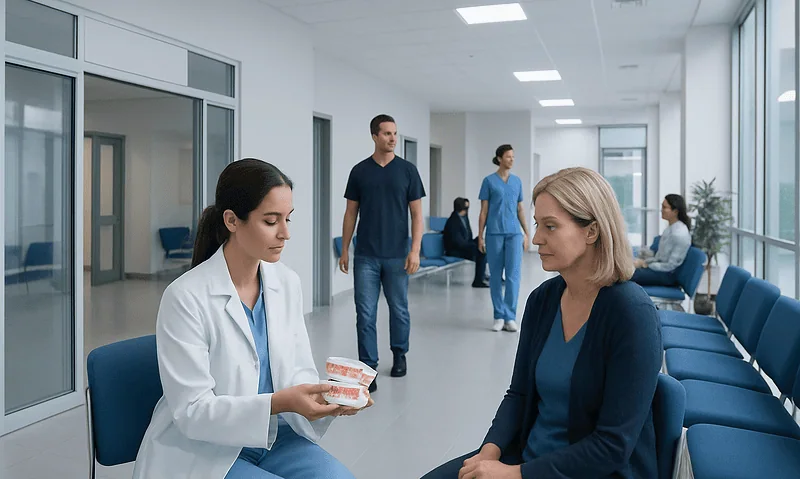
Are Carrots Good for Your Eyes? Causes, Explanations, and Next Steps

Carrots support normal vision mainly because they contain beta-carotene, a source of vitamin A. Eating carrots helps prevent vision problems related to vitamin A deficiency, but it does not fix glasses needs or cure common eye diseases.
Key Takeaways
- Carrots support normal vision mainly because they contain beta-carotene, a source of vitamin A.
- Eating carrots helps prevent vision problems related to vitamin A deficiency, but it does not fix glasses needs or cure common eye diseases.
- Most mild questions about diet and vision are not urgent, but sudden vision changes, eye pain, flashes, or a curtain-like shadow need prompt medical attention.
- Doctors investigate persistent vision symptoms with a history, eye exam, vision testing, and sometimes imaging or blood tests.
- Overall eye health depends on a balanced diet, regular eye exams, chronic disease control, and protection from injury and UV light.
Yes, carrots can be good for eye health because they provide beta-carotene, which the body converts into vitamin A needed for normal vision. However, carrots are not a treatment for most eye problems, so ongoing vision changes, pain, sudden blurring, or loss of vision should be assessed by a qualified doctor.
Overview: the short answer
Are carrots good for your eyes? In general, yes. Carrots contain beta-carotene, which the body converts into vitamin A, a nutrient that helps the retina function properly and supports vision in low light.
That said, carrots are often given more credit than they deserve. They can help maintain normal eye function and may prevent problems linked to vitamin A deficiency, but they do not sharpen eyesight beyond a person’s normal baseline, reverse the need for glasses, or cure common eye conditions such as cataracts, glaucoma, or age-related retinal disease.
For many people, concerns about whether diet is affecting their eyes are harmless and relate more to general health than to a serious eye problem. Still, red-flag symptoms such as sudden blurred vision, eye pain, light sensitivity, flashes, new floaters, double vision, or a shadow over part of the vision need medical review rather than home remedies.
Why carrots became linked with vision
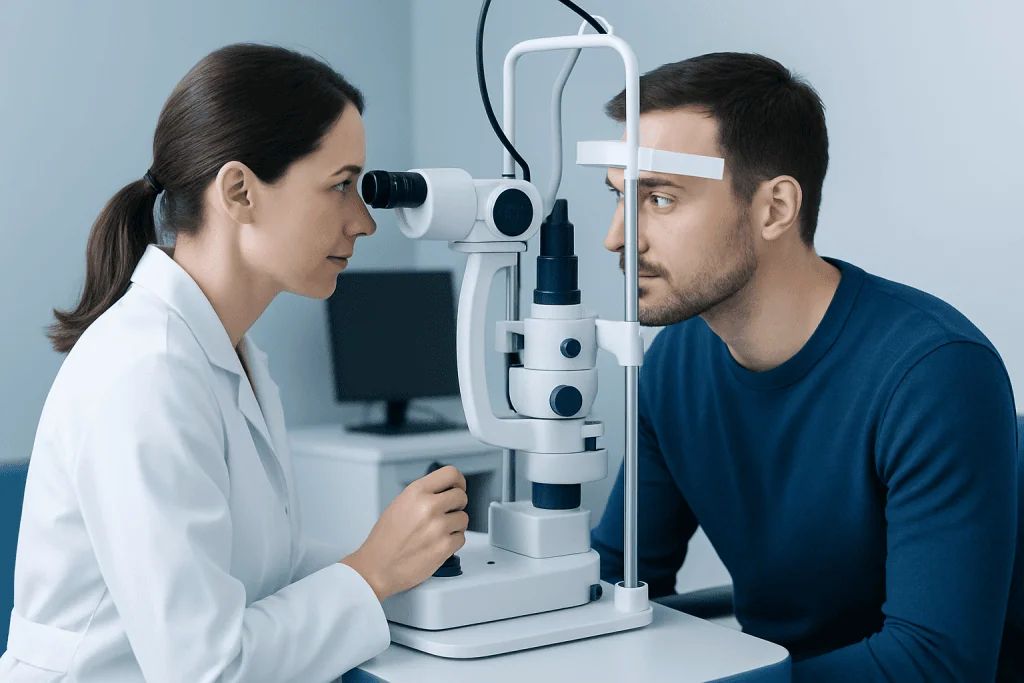
The connection between carrots and eyesight comes from real biology. Vitamin A is essential for making rhodopsin, a light-sensitive pigment in the retina that helps the eyes adjust to dim conditions. If vitamin A levels are too low, a person may notice trouble seeing at night or in dark rooms.
Carrots are rich in beta-carotene, one of the carotenoids the body can turn into vitamin A. This is why carrots are often described as an “eye food.” The claim is partly true: they support a healthy visual system, especially in people who do not get enough vitamin A from their diet.
However, the benefit has limits. If someone already has adequate vitamin A levels, eating extra carrots will not usually lead to noticeably sharper vision. Eye health is influenced by many factors beyond one food, including age, genetics, diabetes, blood pressure, smoking, sun exposure, screen habits, and underlying eye disease.
A broader eating pattern matters more than any single ingredient. Foods that support eye health may include leafy greens, citrus fruits, eggs, fish, nuts, seeds, beans, and colorful vegetables. These provide nutrients such as lutein, zeaxanthin, vitamin C, vitamin E, zinc, and omega-3 fatty acids, all of which play different roles in eye tissues.
What carrots can help with—and what they cannot
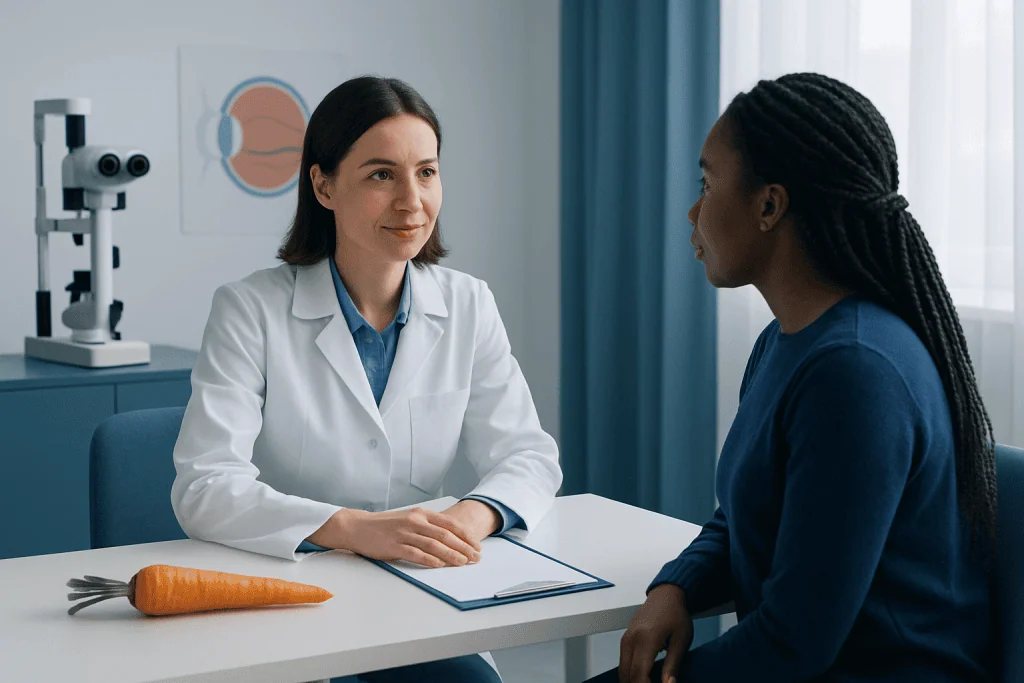
Carrots may help maintain normal eye function and reduce the risk of symptoms related to vitamin A deficiency. In practical terms, this means they can be useful as part of a balanced diet for preventing deficiency-related issues, including poor dark adaptation and dryness linked to inadequate nutrition.
They do not correct refractive errors such as nearsightedness, farsightedness, or astigmatism. If a person needs glasses or contact lenses, eating more carrots will not change the shape of the eye or focus light more accurately on the retina.
Carrots also do not treat structural or pressure-related eye diseases. Conditions such as glaucoma and cataracts require professional assessment and, when appropriate, targeted treatment. In these situations, nutrition may support overall health, but it is not a substitute for diagnosis or medical care.
If vision has changed recently, the goal should not be to guess which food might help. Instead, it is more useful to identify whether the symptom is from dry eye, eye strain, blood sugar changes, infection, inflammation, refractive changes, or a retinal or optic nerve problem.
Signs that an eye problem may need medical review
Many mild vision complaints develop gradually and have common explanations such as dry eye, uncorrected refractive error, fatigue, or increased screen time. These concerns are often manageable, but persistent symptoms still deserve proper evaluation, especially if they interfere with reading, driving, work, or daily comfort.
Some symptoms are more concerning and should not be explained away by diet alone. A person should seek prompt medical care for:
- sudden loss of vision or sudden marked blurring
- eye pain, especially with redness, nausea, or headache
- new flashes of light, a shower of floaters, or a curtain-like shadow
- double vision
- injury to the eye or exposure to chemicals
- rapidly worsening light sensitivity or swelling
Medical review is also important if vision changes occur in someone with diabetes, high blood pressure, autoimmune disease, or a family history of major eye conditions. In children, squinting, sitting very close to screens, eye turning, unusual tearing, or poor school visual performance should also be checked.
What causes vision symptoms besides diet
When someone wonders whether carrots might help their eyes, the underlying issue is often a symptom rather than a nutritional deficiency. Blurry vision can come from needing an updated glasses prescription, dry eye, cataract, diabetes-related blood sugar changes, corneal problems, or retinal disease. Difficulty seeing at night may relate to cataracts, retinal conditions, or true vitamin A deficiency in some settings.
Itching, burning, and a gritty feeling are more commonly linked to dry eye, allergies, screen use, poor blinking, contact lens irritation, or environmental factors. Headache with visual symptoms may reflect eye strain, migraine, or less commonly a neurological problem that needs a doctor’s attention.
In some people, the source is inside the eye rather than on its surface. Problems involving the retina, optic nerve, or eye pressure can affect sight even when the eye looks normal from the outside. For example, retinal detachment is not caused by poor intake of carrots and requires urgent evaluation.
Because there are many possible explanations, it is reassuring to remember that not every vision change means serious disease. But it is also wise not to rely on food myths when symptoms are new, persistent, or progressing.
How doctors evaluate eye and vision concerns
A doctor starts by asking about the symptom pattern: when it began, whether it was sudden or gradual, if one or both eyes are affected, and whether there is pain, redness, flashes, floaters, headache, or recent injury. Questions about medications, contact lenses, diabetes, blood pressure, smoking, nutrition, and family history can also help narrow the cause.
The examination often includes visual acuity testing, checking the pupils, assessing eye movements, measuring eye pressure when needed, and examining the front and back of the eye. A slit-lamp exam and dilated retinal exam may be recommended to look at structures that cannot be fully assessed by symptoms alone.
Depending on the findings, additional tests may include refraction for glasses, optical coherence tomography, visual field testing, corneal evaluation, or imaging of the retina and optic nerve. In selected cases, blood tests may be used to look for nutritional deficiency, inflammation, infection, or systemic disease.
If treatment is needed, it depends on the cause. That may include lubricating drops, glasses, management of blood sugar, medication, laser procedures, or surgery. For example, some people with lens opacity may benefit from cataract surgery, while others with retinal disease may need retinal surgery after specialist assessment.
Practical steps for eye health and self-care
The most helpful dietary advice is to think in patterns rather than single foods. Carrots can be part of an eye-supportive diet, but they work best alongside other vegetables, fruit, whole grains, legumes, nuts, fish or other protein sources, and enough overall calories and nutrients. This supports the eyes as well as general health.
Simple daily habits can also make a difference. Regular breaks from screens, conscious blinking, adequate hydration, good lighting for reading, and avoiding smoking can reduce strain and support comfort. Sunglasses that block UV light and protective eyewear during sports or hazardous work help prevent avoidable damage.
People with chronic conditions should keep them well controlled. Diabetes and high blood pressure can affect the retina and blood vessels of the eye over time, so regular follow-up matters. Anyone using contact lenses should follow hygiene instructions carefully to reduce the risk of irritation and infection.
Routine eye exams remain important even when vision seems stable, because some eye diseases develop gradually with few early symptoms. Near the end of the care pathway, some patients may be referred for specialist treatment; Acibadem International’s multidisciplinary specialists in JCI-accredited hospitals diagnose and treat eye conditions for international patients when advanced evaluation is needed.
When to seek medical care
Diet questions alone rarely require urgent care, and many people can safely improve their eating habits while arranging a routine eye exam. But medical advice should be sought sooner if a person notices sudden visual change, significant pain, a red eye with reduced vision, new flashes or floaters, or any dark curtain or missing area in the visual field.
A prompt appointment is also appropriate for gradual but persistent blurring, frequent headaches with visual tasks, trouble seeing at night, repeated eye dryness that does not improve, or any concern in a child about visual development. Symptoms in someone with diabetes, recent eye surgery, or trauma deserve particular attention.
The reassuring message is that many causes of vision symptoms are treatable once correctly identified. Carrots can be part of healthy self-care, but they should not delay an eye examination when warning signs are present.
Frequently asked questions
Are carrots good for your eyes every day?
Carrots can be a healthy everyday food because they provide beta-carotene, which supports normal vitamin A levels and vision. They are most helpful as part of a balanced diet rather than as a single solution for eye problems.
Can carrots improve eyesight if someone already wears glasses?
No, carrots do not correct refractive errors such as nearsightedness or astigmatism. Glasses or contact lenses are used to focus light properly, while carrots mainly support the health of the visual system.
Do carrots help with night vision?
They can help if poor night vision is related to vitamin A deficiency. If night vision problems happen despite a normal diet, other causes such as cataracts or retinal conditions should be considered and checked by an eye doctor.
What foods besides carrots support eye health?
Leafy green vegetables, citrus fruits, eggs, fish, nuts, seeds, and colorful vegetables all provide nutrients important for the eyes. A varied diet gives the retina, lens, and surface of the eye a wider range of supportive vitamins, minerals, and antioxidants.
Can eating too many carrots harm the eyes?
Carrots are generally safe in normal dietary amounts. Very high intake can sometimes cause the skin to appear yellow-orange, but this does not usually indicate eye damage; persistent or unusual symptoms should still be discussed with a doctor.
When should vision changes be checked instead of trying dietary changes first?
Sudden blurred vision, eye pain, new flashes or floaters, double vision, or a shadow over the vision should be assessed promptly. Gradual but persistent changes should also be evaluated, especially in children and in people with diabetes or high blood pressure.
References
- American Academy of Ophthalmology
- National Eye Institute
- World Health Organization
- U.S. National Institutes of Health Office of Dietary Supplements
- Centers for Disease Control and Prevention
This article is for general information only and is not a substitute for professional medical advice. Please consult a qualified doctor about your individual situation.
Explore treatments in Turkey — costs, top hospitals & a free quote
JCI-accredited · board-certified surgeons · reply within 24h
Add us as a Preferred Source to see more of our trusted health content across Google Search, AI Overviews and Discover.
Check your numbers in seconds
BMI, calories, due date, blood pressure and 30+ more clinical calculators — free, instant, doctor-reviewed ranges.