Working Out on Period: A Complete Clinical Guide for Patients

Exercise during a period is generally safe and may reduce cramps, stress, and bloating. Low- to moderate-intensity activity often feels best on heavier or more symptomatic days.
Key Takeaways
- Exercise during a period is generally safe and may reduce cramps, stress, and bloating.
- Low- to moderate-intensity activity often feels best on heavier or more symptomatic days.
- Symptoms such as severe pain, dizziness, very heavy bleeding, or fainting are not typical and deserve medical evaluation.
- Hydration, rest, nutrition, and suitable menstrual products can make workouts more comfortable.
- Training may be adjusted across the menstrual cycle, but there is no single rule that fits everyone.
Working out on period is usually safe for most people and can sometimes improve cramps, mood, and energy rather than make symptoms worse. The best approach is to match exercise intensity to how the body feels that day, while seeking medical advice if periods are unusually painful, very heavy, or disruptive.
Overview: Is It Safe to Work Out on a Period?
For most people, working out on period is safe. In many cases, exercise can help reduce common menstrual symptoms such as cramps, low mood, fatigue, bloating, and a feeling of sluggishness. A period does not automatically require stopping physical activity, and there is no medical rule that menstruation makes exercise harmful in otherwise healthy individuals.
At the same time, comfort and symptom levels matter. Some people feel strong and capable during menstruation, while others notice lower energy, pelvic discomfort, headaches, or heavier bleeding that make training harder. A practical clinical approach is to continue movement when it feels manageable, reduce intensity when symptoms are stronger, and rest when the body clearly needs it.
Menstrual experiences vary from cycle to cycle. Hormone shifts, sleep, stress, iron status, hydration, and underlying gynecologic conditions can all influence exercise tolerance. This is why patient guidance should focus less on rigid rules and more on recognizing what is normal, what can be adapted, and when symptoms suggest a need for medical assessment.
How Exercise Can Affect Period Symptoms
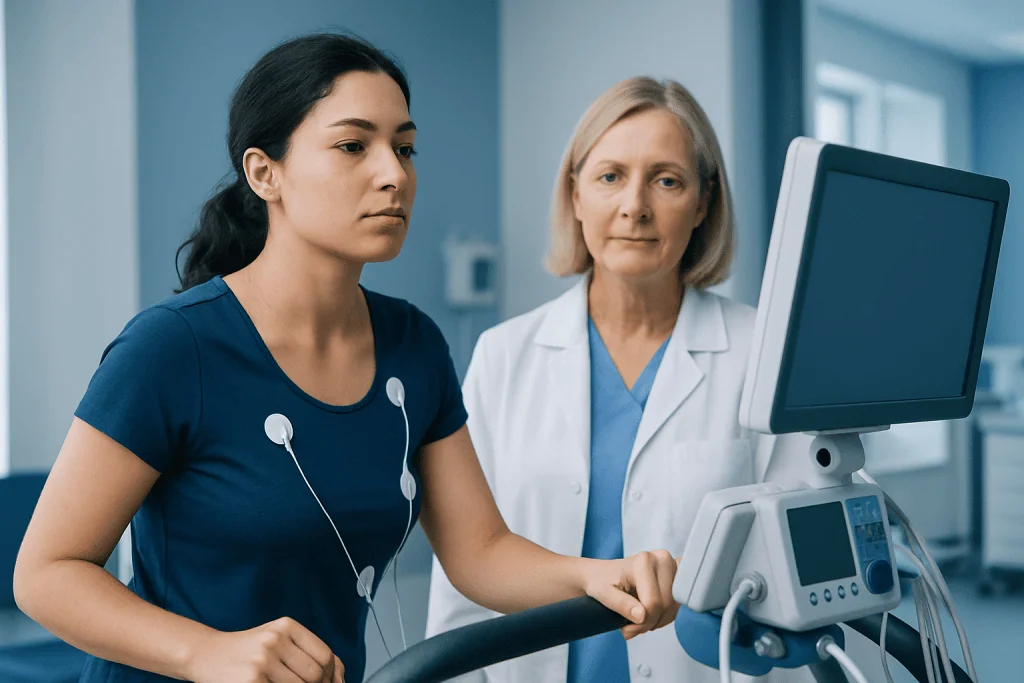
Physical activity may improve period symptoms through several mechanisms. Gentle to moderate movement can increase blood flow, support the release of endorphins, and reduce muscle tension, all of which may help some people feel better. Exercise may also support mood regulation and reduce stress, which can be helpful during the menstrual phase.
Benefits are not identical for everyone. Some people report less cramping after walking, stretching, yoga, swimming, or cycling. Others find that intense exercise feels uncomfortable on the first one or two days of bleeding, especially if they already have pelvic pain, nausea, or significant fatigue. Neither experience is unusual.
Exercise does not typically increase menstrual flow in a dangerous way, but movement can make existing bleeding more noticeable. Choosing the right menstrual product, planning bathroom access, and wearing comfortable clothing can improve confidence during activity. If exercise consistently causes marked pain, faintness, or an inability to function, that pattern should not be dismissed as simply part of having a period.
- Possible benefits: improved mood, reduced stress, less bloating, better sleep, and relief of mild cramps
- Common barriers: fatigue, breast tenderness, headaches, heavy flow, pelvic discomfort, and lower motivation
- Practical goal: stay active in a way that matches the body’s signals rather than forcing a preset workout plan
What Types of Workouts May Feel Best?

The most suitable workout during a period often depends on symptom severity, bleeding, fitness level, and personal preference. On days with mild symptoms, regular routines such as strength training, running, dance, or sports may still feel completely manageable. There is no universal need to avoid high-intensity exercise if the person feels well and does not have warning symptoms.
On heavier or more uncomfortable days, many people prefer lower-impact movement. Walking, light cycling, mobility work, yoga, Pilates, and easy swimming may be easier to tolerate while still supporting circulation and mood. Shorter sessions can also be helpful, especially when energy is reduced.
People who experience pelvic floor discomfort, marked cramping, or lower back pain may benefit from gentler activity until symptoms improve. A modified workout is still a valid workout. Rest days are also reasonable when pain, sleep disruption, or exhaustion make exercise unpleasant or counterproductive.
- Often well tolerated: walking, stretching, yoga, easy cycling, light strength work
- Sometimes appropriate if symptoms are mild: running, interval training, team sports, heavier lifting
- Useful adjustments: lower intensity, shorter duration, longer warm-up, more recovery time
For people with recurring severe menstrual pain, exercise planning may be only one part of the solution. Conditions such as endometriosis or other gynecologic causes can make periods unusually painful and deserve proper evaluation rather than repeated self-management alone.
Why Some Periods Make Exercise Harder
Not every difficult workout during menstruation is a sign of disease, but patterns can provide useful clues. Hormonal changes around the menstrual cycle can affect energy, appetite, sleep quality, fluid balance, and pain sensitivity. If these shifts are mild, daily activities and exercise usually remain manageable. If they are pronounced, workouts may feel much harder than usual.
Heavy bleeding can contribute to tiredness and reduced exercise tolerance, especially over time. People who lose significant blood each cycle may develop iron deficiency or anemia, which can cause shortness of breath, fatigue, dizziness, reduced endurance, and poor recovery. These symptoms should be assessed clinically rather than attributed only to low fitness or stress.
Severe cramping, sharp pelvic pain, pain during bowel movements, or pain that interferes with work, school, sleep, or exercise may suggest an underlying condition. Causes can include fibroids, adenomyosis, endometriosis, or other menstrual disorders. Very painful or very heavy periods are common, but they are not always normal.
If heavy bleeding is a recurring issue, evaluation may include assessment for uterine fibroids or other causes of abnormal uterine bleeding. Understanding the reason behind symptoms can help guide safer exercise choices and more effective treatment.
A Practical Approach to Exercising During a Period
A patient-friendly exercise plan during menstruation starts with self-observation. It helps to notice how flow, cramps, sleep, and energy affect performance across several cycles. Some people feel best maintaining their usual program. Others benefit from a “traffic light” approach: normal exercise on good days, modified training on moderate-symptom days, and rest or gentle movement on difficult days.
Comfort strategies can make a significant difference. Hydrating well, eating regularly, warming up gradually, and using a menstrual product that feels secure may reduce stress around activity. Breathable clothing, a spare change of products, and easy access to a restroom can also make exercise feel more practical.
Pain relief methods may support exercise when symptoms are mild to moderate. A heating pad before activity, stretching, or clinician-approved use of common pain-relief medicines may help some people remain active. However, repeatedly relying on pain medicines just to get through a normal routine can be a sign that menstrual symptoms deserve medical review.
- Track symptoms for two to three cycles
- Adjust intensity rather than stopping all movement by default
- Prioritize hydration, meals, and sleep
- Choose workouts based on symptom level, not pressure or guilt
When Menstrual Symptoms Need Medical Evaluation
Some menstrual symptoms should prompt a medical assessment, especially when they interfere with exercise or everyday life. Period pain that causes missed school, work, or usual activities is not something a person has to simply tolerate. The same is true for bleeding so heavy that pads or tampons need changing very frequently, periods lasting unusually long, or repeated dizziness and weakness.
Medical evaluation is also important when symptoms change noticeably from a person’s typical pattern. New severe pain, bleeding between periods, pain during sex, or cycle irregularity may point to a problem that needs diagnosis. A clinician may review menstrual history, perform an examination, and recommend imaging or lab tests when appropriate.
Treatment depends on the cause. Some patients may need medication to control pain or reduce heavy bleeding. Others may need evaluation through a gynecology check-up or imaging such as pelvic ultrasound to look for structural causes. If symptoms remain significant despite treatment, further specialist care may be advised.
- Seek urgent care for fainting, severe weakness, chest pain, or sudden intense pelvic pain
- Arrange routine medical review for heavy bleeding, severe cramps, or ongoing fatigue
- Ask about iron deficiency if endurance and energy have declined over time
Prevention, Self-Care, and Long-Term Support
There is no way to eliminate all menstrual symptoms through exercise alone, but overall health habits can improve resilience across the cycle. Consistent physical activity, balanced nutrition, good sleep, and stress management may make periods more manageable for some people over time. Eating enough to support training is especially important for those who exercise frequently.
People with very heavy periods may benefit from discussing iron intake and possible testing with a clinician, especially if they feel persistently tired. It is also helpful to avoid comparing one person’s cycle response with another’s. Menstrual health is highly individual, and the right exercise pattern is the one that is safe, sustainable, and compatible with symptom control.
When symptoms suggest a gynecologic problem, targeted treatment can make exercise and daily life easier. Depending on the diagnosis, management may include medication, hormonal therapy, or procedures such as hysteroscopy in selected cases. Acibadem International’s multidisciplinary specialists and JCI-accredited hospitals diagnose and treat menstrual and gynecologic conditions for international patients with individualized care plans.
The key message is reassuring: most people can continue being active during their period, but significant pain, heavy bleeding, or reduced function should not be normalized. A qualified doctor can help identify whether symptoms reflect a typical menstrual variation or a treatable condition.
Frequently asked questions
Can someone exercise during their period?
Yes. For most people, exercise during a period is safe and may even help with cramps, mood changes, and bloating. The most important factor is how the body feels that day, not the presence of menstrual bleeding alone.
Does working out on period make bleeding heavier?
Exercise does not usually make menstrual bleeding dangerously heavier. Movement can make blood flow feel more noticeable, especially during high-impact activity, but that is different from truly abnormal bleeding. If bleeding is consistently very heavy or causes dizziness or weakness, a doctor should assess it.
What are the best exercises to do during a period?
Many people tolerate walking, stretching, yoga, light cycling, swimming, or moderate strength training well during menstruation. On days with mild symptoms, regular workouts may still feel fine. The best option is the one that matches current energy, pain level, and comfort.
Should intense workouts be avoided during menstruation?
Not necessarily. If symptoms are mild and energy is good, some people can continue higher-intensity training without problems. If cramps, fatigue, headaches, or heavy bleeding are more noticeable, reducing intensity for a day or two may be more comfortable.
When is period pain too severe for normal exercise?
Pain is concerning when it disrupts school, work, sleep, daily life, or usual activity levels. Severe cramps, sharp pelvic pain, pain with bowel movements, or pain that does not improve with usual self-care can point to an underlying condition. Medical review is appropriate in these situations.
Can heavy periods affect athletic performance?
Yes. Heavy menstrual bleeding can contribute to fatigue, lower stamina, slower recovery, and sometimes iron deficiency or anemia. If exercise capacity has declined alongside heavy periods, testing and medical assessment may help identify a treatable cause.
References
- American College of Obstetricians and Gynecologists
- World Health Organization
- Office on Women's Health
- National Health Service
- Centers for Disease Control and Prevention
This article is for general information only and is not a substitute for professional medical advice. Please consult a qualified doctor about your individual situation.
Persistent digestive symptoms? Get evaluated in Turkey
JCI-accredited · board-certified surgeons · reply within 24h
Add us as a Preferred Source to see more of our trusted health content across Google Search, AI Overviews and Discover.