Pandas Disorder: Symptoms, Causes, and Treatment Options

PANDAS disorder refers to abrupt-onset OCD symptoms or tics in children associated with a recent strep infection. Diagnosis is based on clinical history, symptom pattern, and evaluation for other possible neurological or psychiatric conditions.
Key Takeaways
- PANDAS disorder refers to abrupt-onset OCD symptoms or tics in children associated with a recent strep infection.
- Diagnosis is based on clinical history, symptom pattern, and evaluation for other possible neurological or psychiatric conditions.
- Treatment may include managing a confirmed infection, addressing OCD or tic symptoms, and coordinated follow-up with specialists.
- Not every child with tics, anxiety, or OCD has PANDAS, so a thorough medical assessment is important.
- Parents should seek medical care promptly when symptoms appear suddenly, worsen quickly, or interfere with daily life.
PANDAS disorder describes a sudden change in a child’s behavior or movement symptoms, often involving obsessive-compulsive symptoms or tics that appear after a streptococcal infection. It is a clinical diagnosis that requires careful evaluation to rule out other causes and guide treatment for both the infection and the child’s symptoms.
Overview: What is PANDAS disorder?
PANDAS disorder stands for Pediatric Autoimmune Neuropsychiatric Disorders Associated with Streptococcal infections. The term is used when a child develops a very sudden onset of obsessive-compulsive symptoms, tic symptoms, or both, in a pattern that appears linked to a recent group A streptococcal infection, such as strep throat. The key feature is not simply the presence of these symptoms, but how abruptly they begin or sharply worsen.
PANDAS remains an area of active study, and it can be challenging to diagnose. Many childhood conditions can also cause anxiety, repetitive behaviors, mood changes, and tics. For that reason, doctors usually evaluate the child carefully rather than relying on a single blood test or symptom checklist.
The idea behind PANDAS is that, in some children, the immune response triggered by a strep infection may affect the brain, especially areas involved in movement, behavior, and emotional regulation. This possible connection helps explain why symptoms can seem to appear almost overnight. However, families should know that sudden OCD or tic symptoms can have several causes, so a balanced and thorough assessment is essential.
Symptoms and how they usually appear
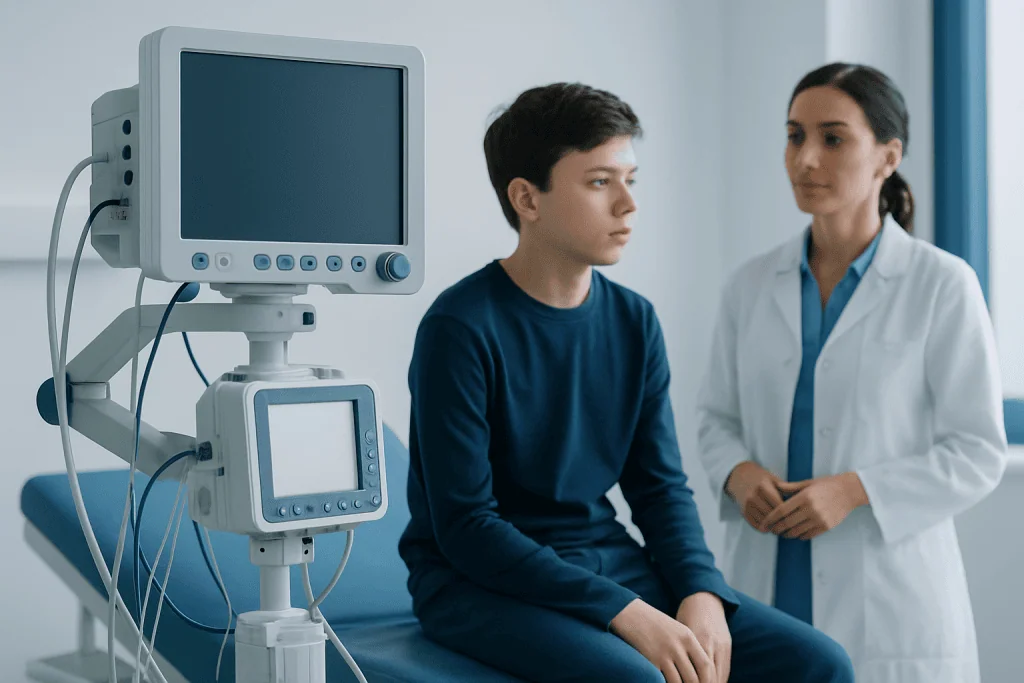
The most recognized signs of PANDAS disorder are sudden obsessive-compulsive symptoms and motor or vocal tics. A child who seemed well may quickly begin having intrusive fears, repeated checking, compulsive washing, counting rituals, or repetitive movements and sounds. Parents often describe the change as dramatic and clearly different from the child’s usual behavior.
Symptoms can extend beyond OCD and tics. Some children also develop anxiety, separation fears, mood swings, irritability, trouble sleeping, decline in school performance, frequent urination, changes in handwriting, or unusual sensitivity to sound, touch, or clothing. Eating restrictions may also appear, sometimes because of obsessive fears, sensory discomfort, or worries about contamination.
One of the most helpful clues is the timing and pattern. Symptoms often start suddenly or worsen in episodes, with periods of improvement and flare-ups. These flares may seem to follow infections. Still, symptom overlap is common with other childhood conditions, including obsessive-compulsive disorder and Tourette syndrome, which is why diagnosis should be made by a qualified clinician.
- Abrupt onset of OCD behaviors
- Motor tics such as blinking, shoulder shrugging, or facial movements
- Vocal tics such as throat clearing or sounds
- Anxiety, irritability, or emotional lability
- Sleep disturbance or regression in daily skills
- Changes in concentration, handwriting, or school function
Causes and risk factors

PANDAS disorder is associated with a recent infection caused by group A Streptococcus. This is the same bacteria that can cause strep throat and some skin infections. The proposed mechanism is that the immune system, while responding to the infection, may mistakenly react with parts of the brain in susceptible children. This theory is based on immune and neurologic research, but it does not mean every strep infection leads to PANDAS.
The condition is generally discussed in school-age children, because the typical symptom pattern is described in childhood rather than adulthood. A personal or family history of tics, OCD, anxiety, or autoimmune tendencies may sometimes be part of the wider clinical picture, but these factors alone do not confirm the diagnosis. There is no single proven genetic test for PANDAS.
It is also important to separate PANDAS from the broader term PANS, which stands for Pediatric Acute-onset Neuropsychiatric Syndrome. PANS includes sudden-onset OCD or severe food restriction triggered by various possible factors, including infections other than strep. Distinguishing between these patterns helps doctors decide which tests and treatments are most appropriate.
How doctors diagnose PANDAS
There is no one test that proves a child has PANDAS disorder. Diagnosis is clinical, meaning it is based on the child’s symptoms, the timing of onset, evidence of a recent strep infection, and the exclusion of other medical, neurologic, or psychiatric causes. A detailed history from parents or caregivers is especially valuable because the speed of symptom change is a central part of the diagnosis.
Doctors may ask about recent sore throat, fever, rash, exposure to strep, repeated infections, and whether the child had similar episodes in the past. The evaluation may include a physical exam, throat testing when infection is suspected, and selected blood tests to look for signs of recent strep exposure. Depending on the presentation, the care team may also consider conditions such as anxiety disorders, primary tic disorders, autoimmune diseases, seizures, medication effects, or other causes of sudden behavioral change.
Some children benefit from assessment by more than one specialist, such as pediatrics, child neurology, infectious diseases, immunology, or child psychiatry. When movement symptoms are prominent, neurologic evaluation can be helpful, including review for related movement disorders. This multidisciplinary approach often gives families the clearest plan and helps avoid unnecessary treatment.
Treatment options and ongoing care
Treatment for PANDAS disorder usually has more than one goal: treat a confirmed current infection, reduce distressing symptoms, and support recovery in daily life. If a child has active strep infection, antibiotics may be prescribed according to standard medical practice. Antibiotics are used to treat documented infection, not as a blanket solution for every child with OCD or tics.
Because many children experience significant anxiety, compulsions, or tic symptoms, supportive care is often just as important as infection management. Doctors may recommend behavioral therapy, especially approaches used for OCD, and sometimes medication when symptoms are severe or persistent. Families may also need school support, sleep guidance, and strategies to reduce stress during symptom flares.
In selected complex cases, specialists may discuss additional therapies if symptoms are disabling and other explanations have been carefully excluded. These decisions are individualized and usually made by experienced teams after weighing benefits and risks. Depending on the child’s needs, care may involve child neurology, pediatric infectious diseases, or child and adolescent psychiatry for coordinated management.
Near the end of the evaluation process, some families seek care at centers with multiple pediatric specialties in one place. Acibadem International’s multidisciplinary specialists and JCI-accredited hospitals diagnose and treat children with complex neurologic, infectious, and behavioral symptoms, including cases where PANDAS is being considered.
Prevention and self-care at home
There is no guaranteed way to prevent PANDAS disorder, but reducing exposure to infections and treating suspected strep promptly may help lower complications. Good hand hygiene, avoiding sharing utensils or drinks when someone is ill, and following pediatric advice for sore throat or fever are sensible steps. If a child has frequent strep infections, the doctor may review the pattern and discuss whether further evaluation is needed.
At home, families can help by keeping routines calm and predictable. Sudden neuropsychiatric symptoms are stressful for both the child and caregivers, and a structured environment may reduce distress. It can also help to keep notes about symptom onset, flare-ups, sleep, appetite, school function, and any recent illnesses, because this timeline often supports the medical assessment.
Parents should avoid self-diagnosing based only on internet information. Sudden OCD-like behavior or tics can reflect several different conditions, and some may need urgent attention. A pediatrician or specialist can help determine whether the symptoms fit PANDAS, another form of acute neuropsychiatric syndrome, or a different diagnosis altogether.
When to seek medical care
Parents should arrange medical evaluation if a child develops obsessive-compulsive behaviors, vocal or motor tics, severe anxiety, or major behavioral changes very suddenly. Prompt assessment is especially important if symptoms follow a sore throat, fever, or known strep infection. Early review can help identify whether there is an active infection and whether other conditions need to be ruled out.
Urgent medical attention is needed if the child has dehydration, refuses food or fluids, shows confusion, has weakness, has seizure-like activity, talks about self-harm, or becomes unable to function safely at home or school. Even when symptoms are not an emergency, sudden psychiatric or neurologic changes deserve timely professional evaluation. A careful and reassuring assessment can help families understand what is happening and what next steps are appropriate.
Frequently asked questions
Is PANDAS disorder the same as OCD?
No. PANDAS disorder is not the same as primary OCD, although OCD symptoms are often part of it. The difference is the abrupt onset in childhood and the suspected link to a recent streptococcal infection.
Can a child have PANDAS without tics?
Yes. Some children present mainly with sudden obsessive-compulsive symptoms, while others have tics, or both. The overall pattern of abrupt change and the clinical history are important in diagnosis.
How is PANDAS diagnosed if there is no single test?
Doctors diagnose PANDAS by reviewing the child’s symptoms, how quickly they began, whether there is evidence of recent strep infection, and whether other causes are more likely. A physical exam, throat testing, and selected laboratory tests may be used as part of the evaluation.
Do antibiotics cure PANDAS disorder?
Antibiotics treat a confirmed bacterial infection, such as active strep throat, but they do not automatically resolve every neuropsychiatric symptom. Many children also need support for OCD, anxiety, tics, sleep problems, or school difficulties.
Can adults develop PANDAS disorder?
PANDAS is generally described as a pediatric condition, with onset in childhood. Sudden OCD or tic symptoms in teenagers or adults still need medical evaluation, but doctors often consider other diagnoses first.
What is the difference between PANDAS and PANS?
PANDAS refers specifically to sudden neuropsychiatric symptoms associated with streptococcal infection. PANS is a broader term that includes sudden-onset OCD or severe food restriction triggered by several possible causes, including infections other than strep.
References
- National Institute of Mental Health
- American Academy of Pediatrics
- Centers for Disease Control and Prevention
- National Institute of Neurological Disorders and Stroke
- American Academy of Child and Adolescent Psychiatry
This article is for general information only and is not a substitute for professional medical advice. Please consult a qualified doctor about your individual situation.
Explore treatments in Turkey — costs, top hospitals & a free quote
JCI-accredited · board-certified surgeons · reply within 24h
Add us as a Preferred Source to see more of our trusted health content across Google Search, AI Overviews and Discover.