Sacrum Coccyx: What Patients Need to Know
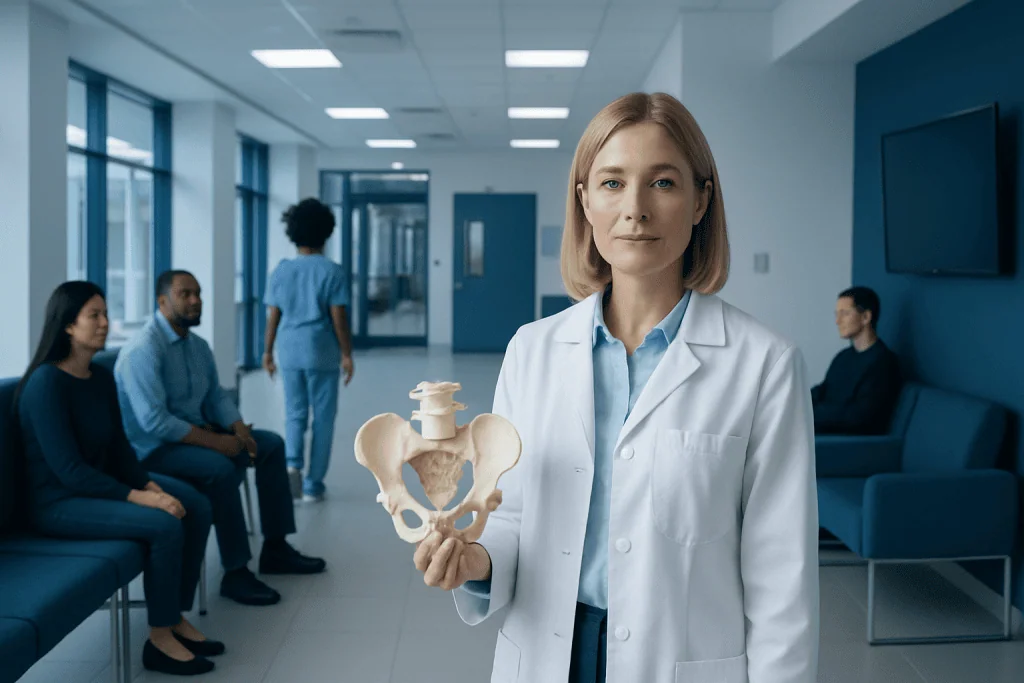
The sacrum and coccyx support sitting balance, pelvic stability, and attachment of important muscles and ligaments. Pain in the sacrum coccyx region is commonly linked to falls, prolonged sitting, childbirth, degenerative change, or inflammation.
Key Takeaways
- The sacrum and coccyx support sitting balance, pelvic stability, and attachment of important muscles and ligaments.
- Pain in the sacrum coccyx region is commonly linked to falls, prolonged sitting, childbirth, degenerative change, or inflammation.
- Most cases improve with posture changes, cushions, activity modification, pain relief, and targeted physical therapy.
- Imaging or further testing may be needed if pain is severe, persistent, follows trauma, or occurs with neurological or systemic symptoms.
- Urgent medical care is important for bowel or bladder changes, leg weakness, fever, or rapidly worsening pain.
The sacrum coccyx area is the lower end of the spine, where the triangular sacrum meets the small tailbone called the coccyx. Symptoms in this region often come from injury, pressure, joint strain, nerve irritation, or less commonly infection or tumor, and a medical evaluation can help identify the cause and guide treatment.
Overview: what the sacrum coccyx area is
The sacrum coccyx region is the very bottom of the spine. The sacrum is a broad, triangular bone made of fused vertebrae that sits between the hip bones and forms the back part of the pelvis. Just below it is the coccyx, often called the tailbone, a small curved structure that usually contains three to five fused segments.
Together, these bones help transfer weight from the upper body into the pelvis and legs, especially when sitting. They also serve as attachment points for muscles, tendons, ligaments, and parts of the pelvic floor. Because of these roles, discomfort in this area may be felt with sitting, standing up, bending, bowel movements, or after a fall.
Many people use the terms sacrum pain and tailbone pain interchangeably, but they are not always the same. Pain centered higher in the pelvis may arise from the sacrum or the sacroiliac joints, while pain focused at the very tip of the spine is more typical of coccyx pain, also called coccydynia. Distinguishing the exact location helps doctors choose the right evaluation and treatment.
How the sacrum and coccyx affect daily movement
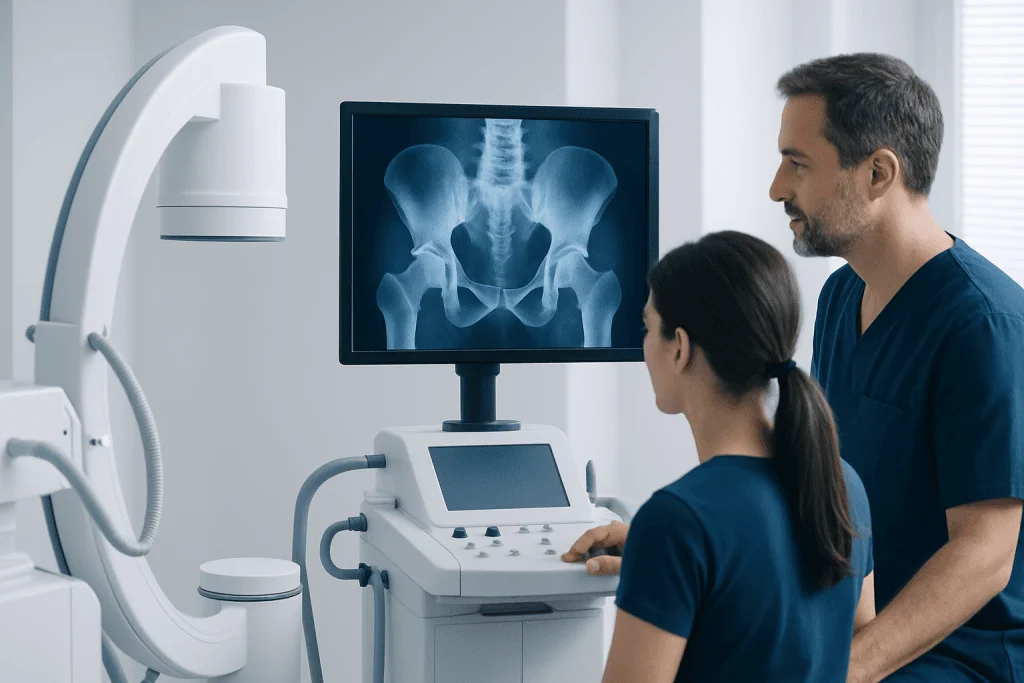
The sacrum forms an important bridge between the spine and pelvis. It connects with the iliac bones on either side at the sacroiliac joints, which help absorb forces during walking, lifting, and twisting. The coccyx is smaller, but it still contributes to balance during sitting, especially when a person leans backward.
Muscles and ligaments attached to the sacrum coccyx region support posture and bowel, bladder, and pelvic floor function. This is one reason why pain in this area can feel surprisingly disruptive even when the injury seems minor. A sore tailbone can make sitting at work, driving, exercising, and sleeping uncomfortable.
Symptoms from this region may overlap with lower back, hip, pelvic, or nerve-related pain. In some cases, doctors may also consider nearby spinal conditions such as a herniated disc if symptoms travel into the buttock or leg. Careful history and examination help separate local bone or joint pain from pain coming from nerves or nearby structures.
Symptoms and how pain may feel
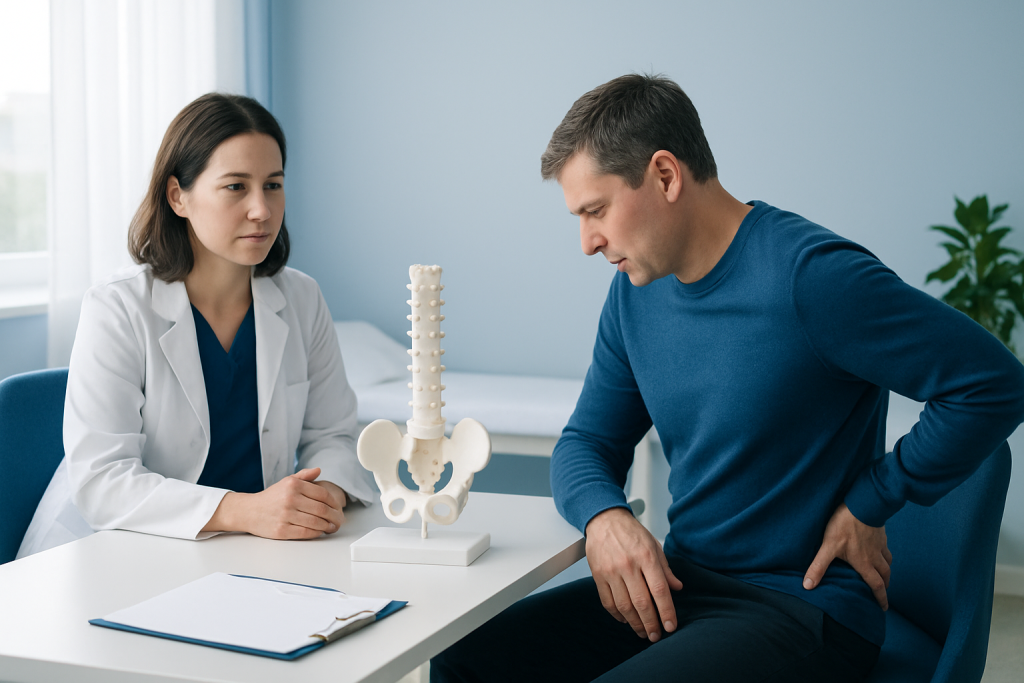
The most common symptom is pain low in the midline between the buttocks, especially when sitting on a hard surface or leaning back in a chair. Some people feel a sharp, pinpoint tenderness over the tailbone, while others describe a deep ache over the lower sacrum. Pain may also be triggered when standing up from sitting, during bowel movements, or after long car rides.
If the sacrum is more involved, symptoms may spread across the low back or into one or both buttocks. This can happen with joint strain, inflammation, or referred pain from nearby tissues. Local swelling or bruising may appear after trauma, such as a direct fall onto the buttocks.
Other symptoms deserve closer attention because they may suggest a different or more serious problem. These include numbness, tingling, leg weakness, fever, unexplained weight loss, pain at night, loss of bowel or bladder control, or pain after significant injury. Symptoms like these should not be ignored and usually need prompt medical assessment.
Causes and risk factors
Several different problems can affect the sacrum coccyx area. A direct fall is one of the most common causes of coccyx pain, leading to bruising, ligament injury, dislocation, or occasionally fracture. Repeated pressure from cycling, rowing, prolonged sitting, or sitting on a narrow or hard surface can also irritate the coccyx and nearby soft tissues.
Other causes include childbirth-related strain, age-related degeneration, poor sitting posture, obesity, and less commonly very low body weight, which may reduce natural cushioning over the tailbone. Inflammation of nearby joints, pelvic floor muscle tension, and referred pain from the lumbar spine can also contribute. When symptoms involve lower back pain with possible nerve irritation, doctors may evaluate related problems such as sciatica.
Less common but important causes include infection, inflammatory arthritis, sacral stress fracture, bone tumors, or spread of cancer from another site. Risk tends to be higher after trauma, in people with osteoporosis, during late pregnancy or after delivery, and in those who sit for long periods because of work or travel. A doctor considers the full pattern of symptoms rather than assuming all tailbone pain has the same cause.
- Falls onto the buttocks
- Prolonged sitting or repetitive pressure
- Childbirth and pelvic strain
- Degenerative joint changes
- Poor posture or deconditioning
- Inflammatory, infectious, or rarely tumorous conditions
How doctors diagnose sacrum coccyx problems
Diagnosis starts with a detailed history. A doctor will ask where the pain is felt, what makes it worse, whether there was an injury, and whether there are warning signs such as fever, numbness, bowel or bladder changes, or unexplained weight loss. The exact pattern matters because localized coccyx tenderness is approached differently from pain that radiates down the leg.
The physical examination often includes checking posture, spinal movement, nerve function, and tenderness over the sacrum, coccyx, and nearby joints. In selected cases, a rectal examination may help assess coccyx mobility or rule out other causes of pelvic pain. This is not needed for everyone, but it can be useful when the diagnosis remains unclear.
Imaging is not always required for mild symptoms that clearly follow a minor injury and are improving. However, doctors may use X-rays after trauma, or advanced imaging such as MRI or CT scan when pain is persistent, severe, unexplained, or associated with red-flag symptoms. These tests can help identify fractures, joint problems, inflammation, soft tissue injury, or less common causes such as infection or tumors.
Treatment options and recovery
Most sacrum coccyx pain improves with conservative treatment. Early care often includes activity modification, avoiding long periods of sitting, using a well-padded or wedge-shaped cushion, and taking doctor-approved pain relief medicines if needed. Ice or heat may also help, depending on the cause and stage of recovery.
Physical therapy is often useful, especially when posture, muscle tension, core weakness, or pelvic floor dysfunction contributes to symptoms. A tailored program may include stretching, strengthening, sitting mechanics, and hands-on techniques. Some patients benefit from physical therapy and rehabilitation to improve movement patterns and reduce repeated strain on the lower spine and pelvis.
If pain lasts despite these steps, a specialist may consider further options such as targeted injections, manual treatment for coccyx mobility, or treatment for the underlying condition. Surgery is uncommon and usually reserved for selected cases with severe, persistent coccyx pain that has not responded to other methods and has been carefully evaluated. The right treatment depends on the cause, symptom duration, and impact on daily life.
Self-care, prevention, and when to seek medical care
Practical self-care can make a meaningful difference. Many people improve by changing sitting habits, taking standing breaks, using supportive seating, and avoiding activities that repeatedly load the tailbone. Gentle exercise, a gradual return to activity, and attention to posture can help prevent recurrence once the pain begins to settle.
Preventive steps are especially important after a previous injury or during recovery from childbirth. Maintaining a healthy body weight, strengthening the core and hip muscles, and treating constipation to reduce straining may all reduce pressure on the sacrum coccyx region. It is wise to seek guidance before starting intense exercise if pain is ongoing.
Medical care should be sought promptly if pain follows a major fall or accident, prevents normal walking or sitting, lasts more than a few weeks, or keeps returning. Immediate assessment is important if there is fever, redness, drainage, severe night pain, numbness, leg weakness, or new bowel or bladder symptoms. For international patients who need coordinated evaluation, Acibadem International’s multidisciplinary specialists in JCI-accredited hospitals diagnose and treat sacrum, coccyx, and related spine conditions.
Frequently asked questions
What is the difference between the sacrum and the coccyx?
The sacrum is a larger triangular bone at the base of the spine that connects the spine to the pelvis. The coccyx is the small tailbone located just below the sacrum. Both are close together, but pain can come from one or both structures.
Why does the sacrum coccyx area hurt when sitting?
Sitting increases pressure on the tailbone and lower pelvis, especially on hard or narrow surfaces. Pain may come from bruising, inflammation, joint strain, poor posture, or coccyx irritation after injury. Cushions and posture changes often help reduce this pressure.
Can a tailbone injury heal on its own?
Yes, many mild tailbone injuries improve over time with rest, activity changes, and symptom relief. Recovery can take several weeks, and discomfort while sitting may improve gradually rather than all at once. Persistent or severe pain should be checked by a doctor.
When is sacrum coccyx pain a sign of something more serious?
Pain deserves urgent attention if it comes with fever, night pain, unexplained weight loss, bowel or bladder changes, numbness, or leg weakness. It also needs prompt evaluation after major trauma. These features can point to fracture, nerve involvement, infection, or another underlying condition.
What tests may be used for sacrum coccyx pain?
A doctor may diagnose the problem through history and physical examination alone, especially if symptoms are straightforward. If needed, tests can include X-rays, CT, or MRI to look for fracture, inflammation, soft tissue injury, or other causes. The choice depends on the symptoms and whether warning signs are present.
What treatments help most people with coccyx pain?
Most people improve with a combination of pressure relief, cushions, avoiding prolonged sitting, and doctor-guided pain management. Physical therapy can help when posture, movement patterns, or muscle tension are part of the problem. More invasive treatments are usually considered only if symptoms continue despite conservative care.
References
- American Academy of Orthopaedic Surgeons
- National Institute of Arthritis and Musculoskeletal and Skin Diseases
- National Health Service
- MedlinePlus
- American College of Radiology
This article is for general information only and is not a substitute for professional medical advice. Please consult a qualified doctor about your individual situation.
Joint and spine care in Turkey — expert assessment & treatment
JCI-accredited · board-certified surgeons · reply within 24h
Add us as a Preferred Source to see more of our trusted health content across Google Search, AI Overviews and Discover.

More from the Health Library

Peg Tube — Explained by Medical Evidence, Not Myths
Burning Sensation in Back: An Evidence-Based Guide for Patients

Do men ovulate? A Doctor-Reviewed Answer

Medical term for toes: Symptoms, Causes, and Treatment — Complete Patient Guide

Probiotics Benefits — Explained by Medical Evidence, Not Myths