Pine Nuts Benefits: What Patients Need to Know

Pine nuts provide unsaturated fats, protein, fiber, and several vitamins and minerals. They may support heart health, fullness after meals, and overall diet quality when eaten in moderate portions.
Key Takeaways
- Pine nuts provide unsaturated fats, protein, fiber, and several vitamins and minerals.
- They may support heart health, fullness after meals, and overall diet quality when eaten in moderate portions.
- Pine nuts are energy-dense, so small servings are usually enough.
- People with tree nut allergies or food sensitivities should speak with a doctor before eating pine nuts.
- A temporary metallic or bitter taste, sometimes called pine mouth, can happen in some people after eating certain pine nuts.
Pine nuts benefits include heart-healthy unsaturated fats, plant protein, fiber, and important nutrients such as magnesium, vitamin E, and manganese. For most people, they can be a nutritious part of a balanced diet, though portion size, allergies, and rare taste changes are important to understand.
Overview: what are the benefits of pine nuts?
Pine nuts benefits mainly come from their nutrient profile. These small edible seeds contain mostly unsaturated fats, along with plant protein, fiber, vitamin E, magnesium, manganese, and other protective plant compounds. When used as part of a balanced eating pattern, they can support heart health, provide lasting energy, and help make meals more satisfying.
From a patient education perspective, it is helpful to view pine nuts as a nutrient-dense food rather than a “superfood” cure. No single food prevents disease on its own. Instead, pine nuts may contribute to better health when they replace less nutritious snacks or are added to meals built around vegetables, fruits, whole grains, legumes, and other healthy protein sources.
Pine nuts are often eaten raw, toasted, or blended into sauces such as pesto. Because they are calorie-dense, even a small portion can add richness and nutrition. This makes them practical for people who want flavor and fullness without needing a large serving.
Nutrition profile: why pine nuts are considered nutrient-dense
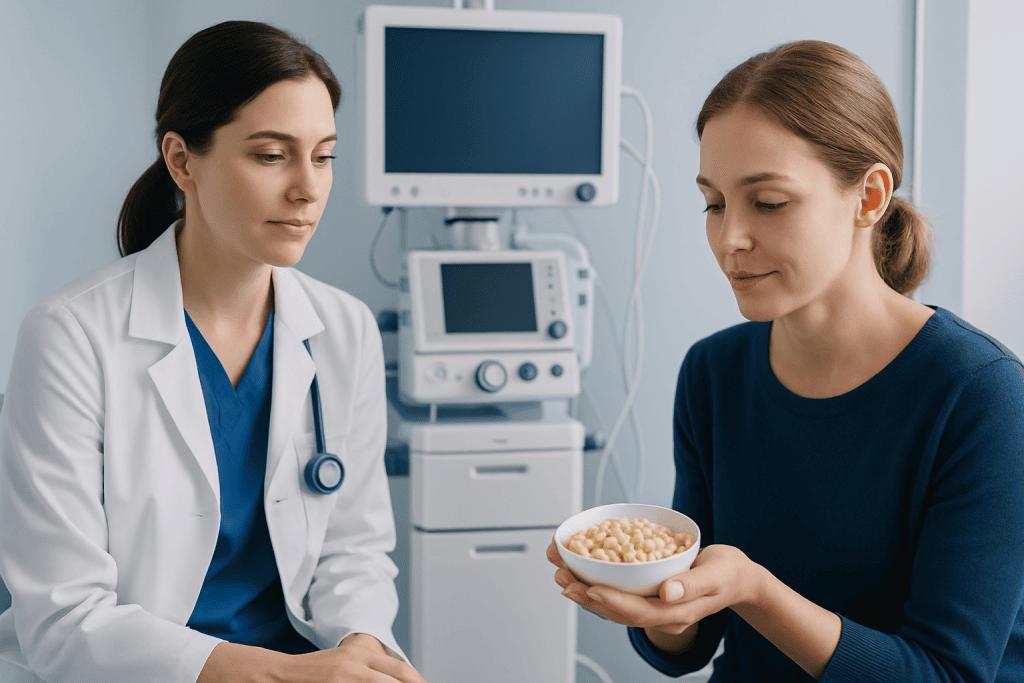
Pine nuts are rich in unsaturated fats, especially fats that are generally associated with heart-friendly eating patterns. They also provide a modest amount of protein and fiber, a combination that can help a meal feel more filling. Compared with highly processed snack foods, they deliver more nutritional value in a relatively small amount.
They also contain several micronutrients that support normal body function. Magnesium plays a role in muscle and nerve function, blood pressure regulation, and energy production. Vitamin E acts as an antioxidant, helping protect cells from oxidative stress. Manganese supports metabolism and bone health, while smaller amounts of zinc, iron, and vitamin K may also contribute to overall nutrition.
Although pine nuts are healthy, they are also energy-dense. A small handful is often enough to add texture and nutrients to salads, grain bowls, yogurt, or cooked vegetables. For people working on weight balance or portion control, measuring servings can be useful.
- Unsaturated fats for heart-conscious eating
- Plant protein for meal satisfaction
- Fiber for digestive support
- Magnesium, manganese, and vitamin E for essential body functions
Potential health benefits in everyday eating

One of the most discussed pine nuts benefits is support for cardiovascular health. Replacing foods high in saturated fat with nuts and seeds that contain unsaturated fats may help improve overall diet quality. Pine nuts can fit well into meal patterns often recommended for heart health, such as Mediterranean-style eating.
Pine nuts may also help with satiety, meaning they can help a person feel full after eating. Their mix of fat, protein, and fiber can slow digestion compared with refined snacks. This does not mean they cause weight loss directly, but they may make healthy meals more satisfying when portioned appropriately.
Because pine nuts contain antioxidants and minerals, they also contribute to general wellness. They are not a treatment for specific diseases, but they can be part of eating plans used to support risk reduction for chronic conditions linked with poor diet quality. For example, people working on nutrition for heart risk factors may also be learning about related conditions such as high blood pressure or high cholesterol.
For people who have difficulty maintaining weight during illness or recovery, the calorie density of pine nuts may actually be useful. In that setting, adding small amounts to meals can increase energy intake without requiring large food volumes.
Who may benefit most, and who should be cautious
Pine nuts can be a helpful choice for many adults who want more nutrient-dense snacks or meal additions. They may be especially suitable for people following plant-forward diets, those trying to replace processed snacks, or those who want more healthy fats in their meals. They can also be useful for people who need compact nutrition, such as older adults with small appetites.
However, pine nuts are not appropriate for everyone. Anyone with a known tree nut allergy, seed allergy, or prior reaction to pine nuts should avoid them unless a clinician advises otherwise. Food allergies can range from mild symptoms, such as itching or hives, to severe reactions that need urgent treatment.
Some people experience a temporary bitter or metallic taste after eating pine nuts, commonly called “pine mouth.” This can begin a day or two after eating them and usually goes away on its own. While unpleasant, it is generally not dangerous. Still, if symptoms are severe, persistent, or accompanied by rash, swelling, breathing difficulty, or vomiting, medical advice is important.
People with digestive conditions may also notice that rich or fatty foods aggravate symptoms. If a person has ongoing upper abdominal discomfort, nausea, or trouble digesting fatty meals, a doctor may look for causes such as gallstones or other digestive problems rather than assuming pine nuts are the only issue.
How to include pine nuts in a balanced diet
Pine nuts are easiest to use as a topping or ingredient rather than a large stand-alone snack. A small spoonful can be added to salads, roasted vegetables, whole-grain dishes, soups, or yogurt. Toasting them lightly can deepen flavor, but they should be watched carefully because their oils can cause them to brown quickly.
They also work well in sauces and spreads. A classic example is pesto, where pine nuts add creaminess and richness. Used this way, they can help a meal feel satisfying without relying heavily on processed sauces or excess salt.
For people aiming to support heart health or weight balance, substitution matters. Adding pine nuts on top of an already high-calorie meal may not be as helpful as using them instead of less nutritious toppings such as croutons, fried garnishes, or heavily processed snack foods. A clinician or dietitian may recommend a structured eating plan for some patients, and in certain cases nutritional care can be part of broader diet and nutrition support.
- Sprinkle a small amount over salads or cooked greens
- Blend into pesto or other sauces
- Add to oatmeal, yogurt, or grain bowls
- Pair with fruit for a more balanced snack
Possible side effects, storage, and food safety
The main concerns with pine nuts are allergy, portion size, and freshness. Like other nuts and seeds, they contain oils that can spoil over time. Rancid nuts may taste unpleasant and should be discarded. Buying from reputable sources and checking smell and flavor before use can help reduce this issue.
Because pine nuts are high in fat, storing them properly is important. They generally keep better in a sealed container away from heat and light, and many people store them in the refrigerator or freezer to preserve freshness. This is especially useful if they are not used often.
Patients with chronic medical conditions should also think about the bigger picture. Pine nuts can fit into healthy eating, but they do not replace treatment for conditions such as abnormal cholesterol, obesity, or diabetes. If a person is making dietary changes as part of medical care, guidance may come through services such as cardiology or endocrinology and metabolic disease care, depending on the condition being managed.
When to seek medical care
Medical advice is recommended if pine nuts cause symptoms of an allergic reaction. Warning signs include hives, swelling of the lips or tongue, wheezing, shortness of breath, dizziness, or repeated vomiting. These symptoms can become serious quickly and need urgent evaluation.
A doctor should also be consulted if digestive symptoms continue after eating nuts or other fatty foods, especially if there is recurring abdominal pain, nausea, bloating, or unintended weight loss. Ongoing symptoms may point to another health issue that deserves proper assessment.
If a person has questions about whether pine nuts fit into a medical nutrition plan, a qualified clinician or dietitian can help. Near the end of a patient’s evaluation and care pathway, Acibadem International’s multidisciplinary specialists in JCI-accredited hospitals can assess nutrition-related concerns and underlying conditions for international patients when this is needed.
Frequently asked questions
Are pine nuts healthy to eat every day?
For many people, pine nuts can be part of daily eating in small portions. They provide healthy fats, protein, and minerals, but they are also calorie-dense, so moderation is important. Anyone with a nut allergy or a history of reactions should ask a doctor before eating them regularly.
Do pine nuts help with heart health?
Pine nuts contain mostly unsaturated fats, which can fit into heart-conscious eating patterns. They may help improve overall diet quality when used instead of less nutritious foods high in saturated fat or refined carbohydrates. They do not treat heart disease on their own, but they can support a balanced diet.
Can pine nuts help with weight management?
Pine nuts may help some people feel fuller because they contain fat, protein, and fiber. That said, they are energy-dense, so portion size still matters. They are usually most helpful when they replace less nutritious snacks rather than being added on top of excess calories.
What is pine mouth, and should patients worry about it?
Pine mouth is a temporary bitter or metallic taste that some people notice after eating pine nuts. It usually starts later rather than immediately and tends to go away on its own within days to weeks. It is generally not dangerous, but a doctor should be consulted if it comes with other symptoms such as swelling, rash, or breathing trouble.
Are pine nuts safe for people with diabetes?
Pine nuts can fit into a diabetes-friendly eating plan because they contain healthy fats, protein, and relatively little carbohydrate. However, overall portion size and the full meal pattern are still important. A doctor or dietitian can advise how to include them in an individualized plan.
How should pine nuts be stored?
Because pine nuts contain delicate oils, they should be kept in an airtight container away from heat and light. Refrigeration or freezing can help maintain freshness, especially if they are used infrequently. If they smell stale or taste unpleasant, they should not be eaten.
This article is for general information only and is not a substitute for professional medical advice. Please consult a qualified doctor about your individual situation.
Explore treatments in Turkey — costs, top hospitals & a free quote
JCI-accredited · board-certified surgeons · reply within 24h
Add us as a Preferred Source to see more of our trusted health content across Google Search, AI Overviews and Discover.
Check your numbers in seconds
BMI, calories, due date, blood pressure and 30+ more clinical calculators — free, instant, doctor-reviewed ranges.

More from the Health Library

Intubated: What Patients Need to Know

Ems Muscle Stimulator: An Evidence-Based Guide for Patients

Immunotherapy: A Complete Medical Overview

Svt Ablation: A Complete Medical Overview

Magnesium for Weight Loss — Explained by Medical Evidence, Not Myths