Immunotherapy: A Complete Medical Overview

Immunotherapy works by boosting, directing, or removing brakes from the immune system. Several forms exist, including checkpoint inhibitors, monoclonal antibodies, CAR T-cell therapy, cancer vaccines, and cytokines.
Key Takeaways
- Immunotherapy works by boosting, directing, or removing brakes from the immune system.
- Several forms exist, including checkpoint inhibitors, monoclonal antibodies, CAR T-cell therapy, cancer vaccines, and cytokines.
- Not every patient or condition is suitable for immunotherapy, so testing and specialist evaluation are important.
- Side effects can range from mild fatigue or rash to inflammation in organs, which needs prompt medical attention.
- Treatment plans are individualized and may involve immunotherapy alone or combined with surgery, chemotherapy, radiation, or targeted therapy.
Immunotherapy is a medical treatment that uses the body’s own immune system to recognize, target, or control disease. It is used most often in cancer care, but the term also includes treatments for allergies, autoimmune conditions, and some inflammatory diseases.
Overview: what immunotherapy means
Immunotherapy is a broad term for treatments that help the immune system respond to disease more effectively. In everyday practice, it most often refers to cancer treatments that help immune cells recognize and attack tumor cells. However, immunotherapy can also describe therapies used for allergies, autoimmune disorders, and other immune-related conditions.
Unlike treatments that act mainly by directly destroying diseased cells, immunotherapy works by changing how the body’s defense system behaves. Some medicines remove signals that stop immune cells from attacking cancer. Others mark abnormal cells so the immune system can see them more clearly, or they train immune cells outside the body and return them to the patient.
This approach has changed care for several diseases, especially certain advanced or difficult-to-treat cancers. At the same time, immunotherapy is not the right option for everyone. Doctors consider the exact diagnosis, stage of disease, lab and pathology results, overall health, and the likelihood of benefit before recommending it.
How immunotherapy works in the body
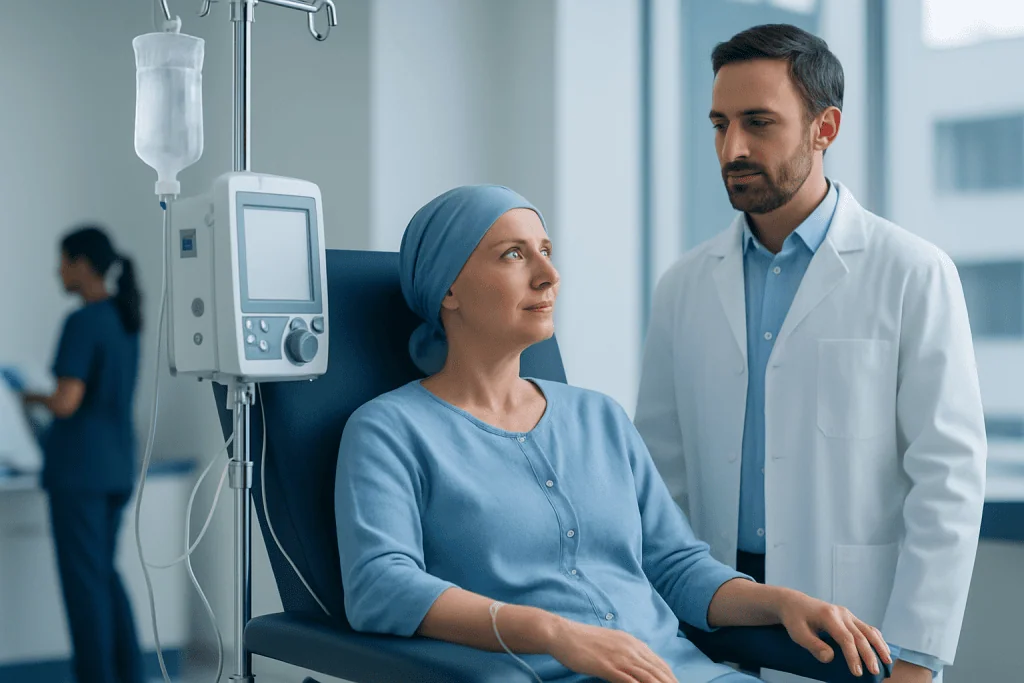
The immune system constantly looks for threats such as infections and abnormal cells. Cancer cells, however, can sometimes hide from immune surveillance or send signals that weaken the immune response. Immunotherapy aims to overcome these escape mechanisms so immune cells can detect and respond to disease more effectively.
One major strategy is to release the immune system’s natural “brakes.” These brakes, called checkpoints, normally help prevent excessive immune reactions. Some tumors use them for protection. Medicines known as checkpoint inhibitors block these signals and may allow immune cells to attack cancer more strongly.
Other immunotherapies work in different ways. Monoclonal antibodies can attach to specific targets on abnormal cells. CAR T-cell therapy involves collecting a patient’s T cells, reprogramming them in a laboratory, and infusing them back. Cancer vaccines and immune signaling proteins, such as cytokines, can also help stimulate or guide the immune response.
- Boosting immune activity against abnormal cells
- Helping immune cells recognize disease-specific targets
- Blocking signals that protect tumors
- Training or modifying immune cells for more precise action
Types of immunotherapy and when they are used
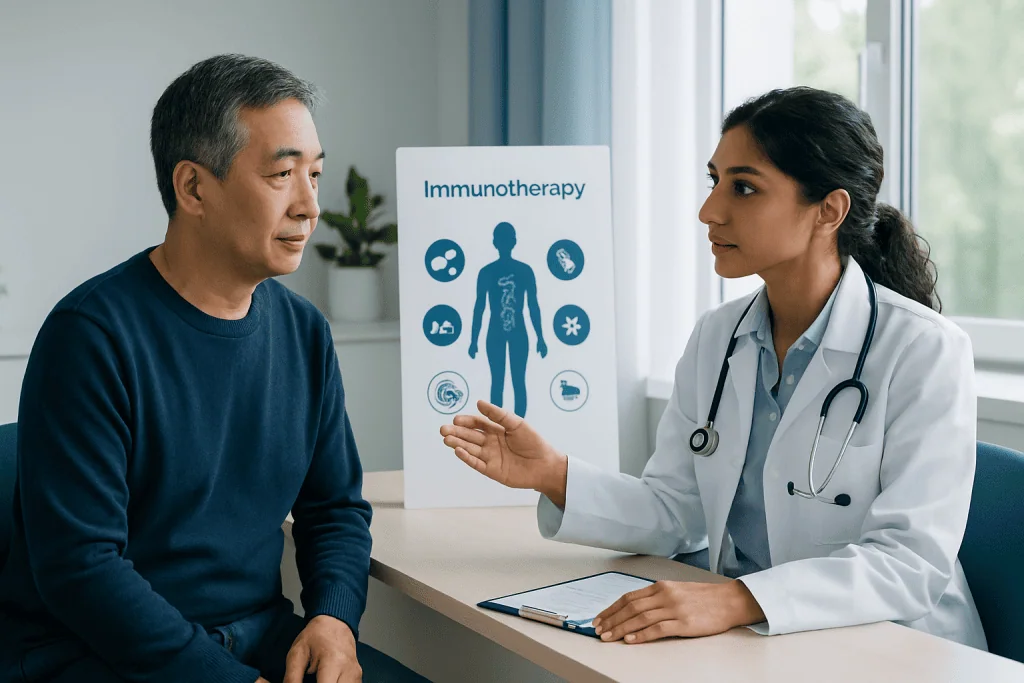
There is no single immunotherapy. The treatment category includes several different methods, each with its own purpose, benefits, and risks. In cancer care, the most widely known types are checkpoint inhibitors, monoclonal antibodies, adoptive cell therapies such as CAR T-cell therapy, cancer vaccines, and cytokine-based treatments.
Checkpoint inhibitors are commonly used in cancers such as melanoma, lung cancer, kidney cancer, bladder cancer, and some head and neck cancers. Monoclonal antibodies may be used alone or together with chemotherapy or targeted therapy. CAR T-cell therapy is mainly used for selected blood cancers and requires highly specialized care. A doctor may also discuss immunotherapy as part of a broader plan for cancer treatment depending on the tumor type and test results.
Outside oncology, immunotherapy may mean allergy shots, biologic medicines for inflammatory diseases, or other immune-modifying treatments. Because the word is used in several medical fields, patients often benefit from asking exactly which kind of immunotherapy is being recommended and what goal it is meant to achieve.
Doctors may combine immunotherapy with surgery, radiation therapy, chemotherapy, or precision medicine. For example, a patient’s plan may include medical oncology evaluation alongside pathology and imaging review to decide whether immunotherapy should be used before treatment, after treatment, or for advanced disease control.
Who may benefit and how doctors decide
Whether immunotherapy is likely to help depends on many factors. Doctors look at the type of disease, how far it has spread, previous treatments, symptoms, and the person’s general health. In cancer care, the tumor’s biology is especially important. Pathology tests may show immune markers or other molecular features that suggest a higher or lower chance of response.
Not all tumors respond equally. Some cancers are more sensitive to immune-based treatment than others, and even within the same cancer type, results can vary from one patient to another. This is why doctors may request biomarker testing, advanced imaging, and detailed pathology review before starting treatment.
Existing autoimmune disease, a history of organ transplant, serious infections, or poor overall health can affect treatment decisions. These factors do not always rule out immunotherapy, but they may change the balance of risks and benefits. A multidisciplinary team can help tailor care, especially for patients with complex diagnoses such as lung cancer or blood-related malignancies that may also be evaluated for bone marrow transplantation.
Possible side effects and important risks
Immunotherapy side effects differ from those seen with many standard treatments because they result from changes in immune activity. Some people have only mild symptoms, while others develop more significant inflammation that requires close monitoring or treatment. Side effects can appear early, later during treatment, or sometimes after treatment has ended.
Common symptoms may include fatigue, skin rash, itching, diarrhea, nausea, flu-like feelings, or joint aches. Depending on the type of immunotherapy, infusion reactions may occur during or shortly after treatment. Some patients need temporary treatment delays, supportive medicines, or a change in therapy.
Less commonly, the immune system can begin to inflame healthy organs. This can affect the lungs, liver, intestines, hormone-producing glands, kidneys, nerves, heart, or skin. Because these reactions may become serious if ignored, new or worsening symptoms should be reported promptly. Doctors often provide clear instructions about what to watch for and when to call the care team.
- Breathing changes, persistent cough, or chest discomfort
- Severe diarrhea, abdominal pain, or blood in stool
- Yellowing of the skin or eyes, dark urine, or marked nausea
- Severe headache, dizziness, confusion, or vision changes
- Extreme fatigue, fainting, or signs of hormone imbalance
Diagnosis, monitoring, and what treatment involves
Before immunotherapy begins, doctors confirm the diagnosis and define the treatment goal. This usually involves a medical history, physical examination, blood tests, and imaging. In cancer care, tissue diagnosis is essential, and pathology may include biomarker testing to help predict whether certain immunotherapies are appropriate.
Treatment may be given by infusion, injection, pills, or specialized cell therapy procedures, depending on the medicine used. Some treatments are delivered every few weeks, while others follow a different schedule. Response is monitored through symptoms, physical findings, blood tests, and repeat scans. Importantly, scans can sometimes look unusual early on because immune cells entering a tumor may make it appear temporarily larger before improvement becomes clear.
Good communication during treatment matters. Patients are often encouraged to keep a symptom record and bring all medication and supplement information to visits. If immunotherapy is being used for a diagnosed malignancy such as lymphoma, care may also include coordinated review by pathology, radiology, and oncology specialists, sometimes along with chemotherapy or other therapies.
Self-care, daily life, and practical support during immunotherapy
Self-care during immunotherapy focuses on staying well enough to continue treatment safely and reporting problems early. Many people can continue parts of their usual routine, but energy levels may vary from week to week. Rest, gentle physical activity as tolerated, regular hydration, and balanced meals can support recovery and day-to-day wellbeing.
Patients should avoid starting supplements, herbal products, or over-the-counter medicines without checking with their care team, since some products may interfere with treatment or make side effects harder to interpret. Skin care may also be important because rash and dryness are relatively common with some therapies.
Vaccinations, travel, work, and infection precautions should be discussed individually. Family support, counseling, and practical planning for appointments can make treatment easier to manage. Near the end of the care pathway, some people seek treatment in specialized centers; Acibadem International’s multidisciplinary specialists and JCI-accredited hospitals diagnose and treat conditions that may require immunotherapy for international patients.
When to seek medical care
Anyone receiving immunotherapy should contact a qualified doctor promptly if new symptoms appear or if existing symptoms suddenly worsen. This is especially important for shortness of breath, chest pain, severe diarrhea, dehydration, high fever, confusion, marked weakness, jaundice, or severe skin reactions. Early assessment can help prevent complications and may allow treatment to continue more safely.
People who are considering immunotherapy but have not yet started should seek specialist advice if they have a new cancer diagnosis, a recurrence after previous treatment, or questions about whether their condition may respond to immune-based therapy. A second opinion can also be helpful when treatment choices are complex.
Emergency care may be needed for severe breathing difficulty, collapse, seizures, signs of stroke, heavy bleeding, or rapidly progressing symptoms. In all cases, treatment decisions should be guided by a doctor who knows the patient’s diagnosis, medical history, and current medicines.
Frequently asked questions
What is immunotherapy in simple terms?
Immunotherapy is a treatment that helps the immune system respond to disease more effectively. In cancer care, it often helps immune cells find and attack tumor cells that might otherwise avoid detection.
Is immunotherapy the same as chemotherapy?
No. Chemotherapy usually works by directly damaging fast-growing cells, while immunotherapy changes how the immune system reacts to disease. Some patients receive one of these treatments, and others may receive both as part of the same plan.
What cancers can be treated with immunotherapy?
Immunotherapy is used for several cancers, including some lung, skin, kidney, bladder, head and neck, and blood cancers. Suitability depends on the exact cancer type, stage, biomarker results, and the patient’s overall health.
How long does immunotherapy take to work?
The timeline varies widely depending on the type of immunotherapy and the condition being treated. Some patients show signs of response within weeks, while others need months of monitoring before the benefit becomes clear.
What are the most common side effects of immunotherapy?
Common side effects include fatigue, rash, itching, diarrhea, nausea, and flu-like symptoms. Some immunotherapies can also cause inflammation in organs, so any new or worsening symptoms should be reported quickly.
Can immunotherapy cure cancer?
In some situations, immunotherapy can lead to very long-lasting control and may contribute to cure, but this is not true for every cancer or every patient. Doctors usually describe it as one treatment option within a larger care plan rather than a guaranteed cure.
References
- National Cancer Institute
- American Cancer Society
- National Comprehensive Cancer Network
- U.S. Food and Drug Administration
- European Society for Medical Oncology
This article is for general information only and is not a substitute for professional medical advice. Please consult a qualified doctor about your individual situation.
Immunotherapy in Turkey — costs, top hospitals & a free quote
JCI-accredited · board-certified surgeons · reply within 24h
Add us as a Preferred Source to see more of our trusted health content across Google Search, AI Overviews and Discover.

Medical Oncology Department
Medical treatment of cancer with chemotherapy, immunotherapy and targeted therapies under a multidisciplinary tumor board.
60 specialists in this unitMore from the Health Library



Related Specialists

Dr. Meliha Kovancı Bayraktaroğlu
Gynecology & Obstetrics
Prof. Dr. Aziz Kaya Alturfan
Orthopedic Surgery & Traumatology
Dr. Hüseyin Güney
General Surgery
Dr. Nuray Keçecioğlu
Pediatrics