Ems Muscle Stimulator: An Evidence-Based Guide for Patients
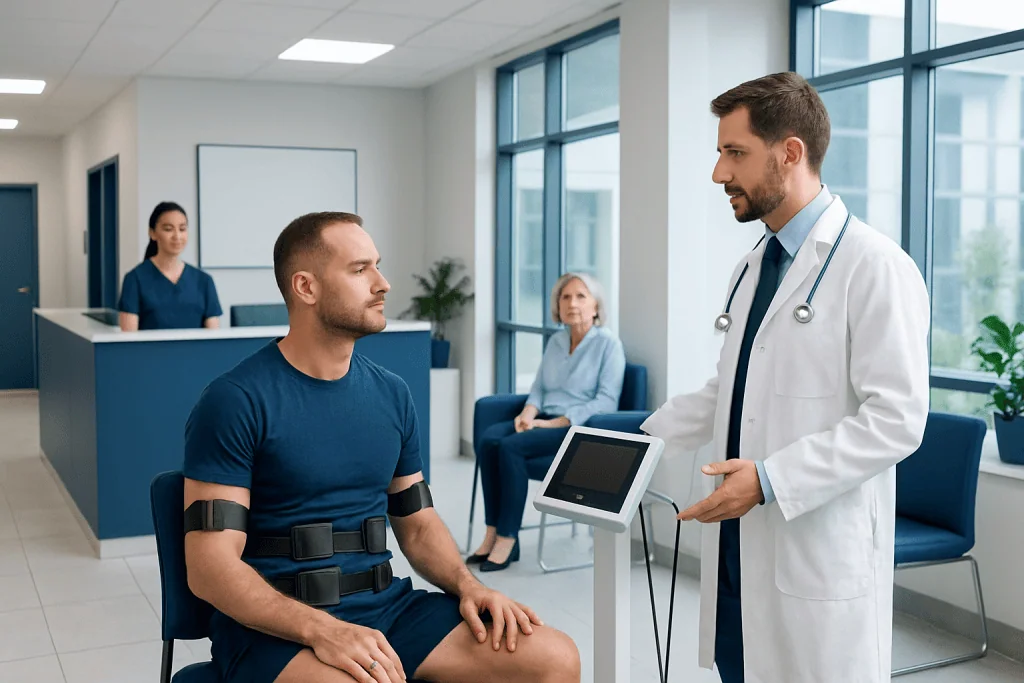
An ems muscle stimulator activates muscles with electrical impulses delivered through skin electrodes. EMS may help maintain or retrain muscle activity in rehabilitation and may complement exercise in some settings.
Key Takeaways
- An ems muscle stimulator activates muscles with electrical impulses delivered through skin electrodes.
- EMS may help maintain or retrain muscle activity in rehabilitation and may complement exercise in some settings.
- Home EMS devices vary widely, and results are usually modest without a broader exercise or treatment plan.
- EMS is not suitable for everyone, especially people with some implanted devices, pregnancy-related restrictions, or certain skin conditions.
- Persistent pain, weakness, numbness, or muscle loss should be assessed by a doctor rather than treated only with a device.
An ems muscle stimulator is a device that sends mild electrical impulses to muscles, causing them to contract. It can be useful in rehabilitation, symptom management, and selected fitness settings, but its benefits depend on the goal, the device used, and guidance from a qualified professional.
Overview: what an EMS muscle stimulator does
An ems muscle stimulator is a device that uses low-level electrical currents to make a muscle contract. Small adhesive pads are placed on the skin over a muscle or muscle group, and the device sends controlled impulses through the pads. These signals are designed to mimic the messages that normally travel from nerves to muscles.
In practice, EMS is used in several different ways. In rehabilitation, it may help a muscle contract when a person is recovering from injury, surgery, immobilization, or nerve-related weakness. In fitness settings, some devices are marketed to supplement strength training or body toning. Some people also confuse EMS with TENS, which is mainly aimed at pain relief rather than muscle contraction.
The most important point for patients is that EMS is a tool, not a stand-alone cure. It may be helpful when matched to the right goal and used correctly, but it does not replace regular movement, structured exercise, or treatment of an underlying medical problem. A clinician may recommend it as one part of a broader plan that can also include physical therapy and rehabilitation.
How EMS works and where it is used
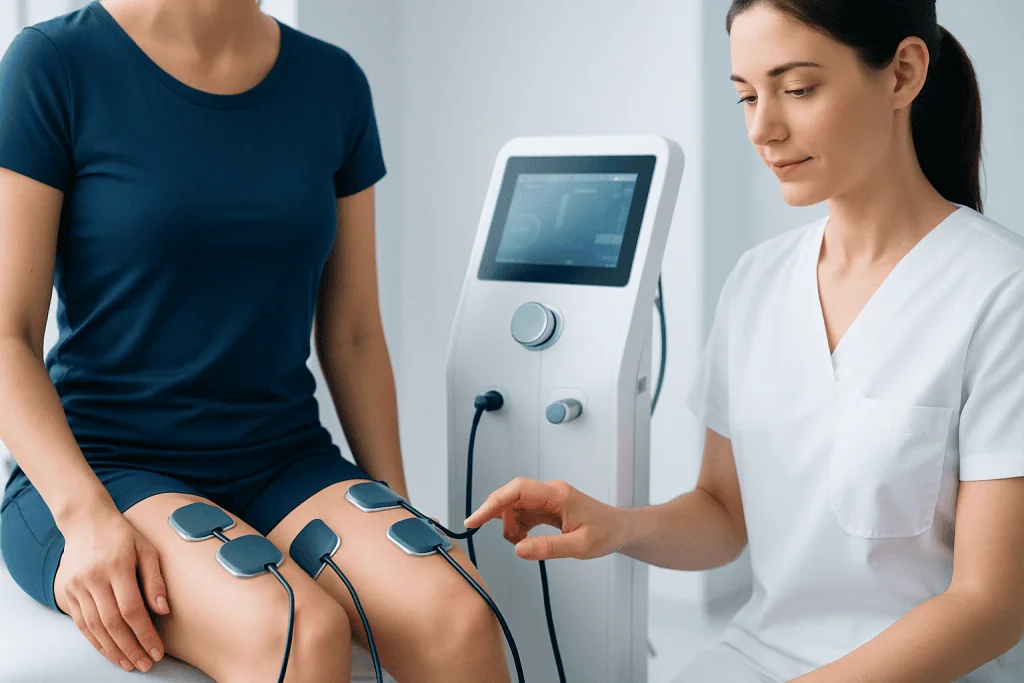
Muscles contract when they receive electrical signals from motor nerves. EMS devices apply an external electrical signal through the skin to stimulate that process. The intensity, frequency, pulse width, and treatment time can be adjusted depending on the device and the purpose. A stronger setting is not always better; effective treatment depends on safe, appropriate programming.
In medical rehabilitation, EMS may be used to help reduce muscle atrophy during periods of limited movement, improve muscle activation after orthopedic procedures, or support retraining of weakened muscles. Some specialists also use neuromuscular electrical stimulation for selected patients with neurological or musculoskeletal problems when it fits the treatment plan.
In consumer wellness and sports settings, EMS is often promoted for muscle conditioning or body sculpting. While some people notice improved muscle awareness or a helpful training stimulus, evidence for dramatic cosmetic or performance changes is limited. Benefits are generally greatest when EMS is used alongside active exercise, good technique, recovery, and nutrition rather than in place of them.
Potential benefits and realistic expectations
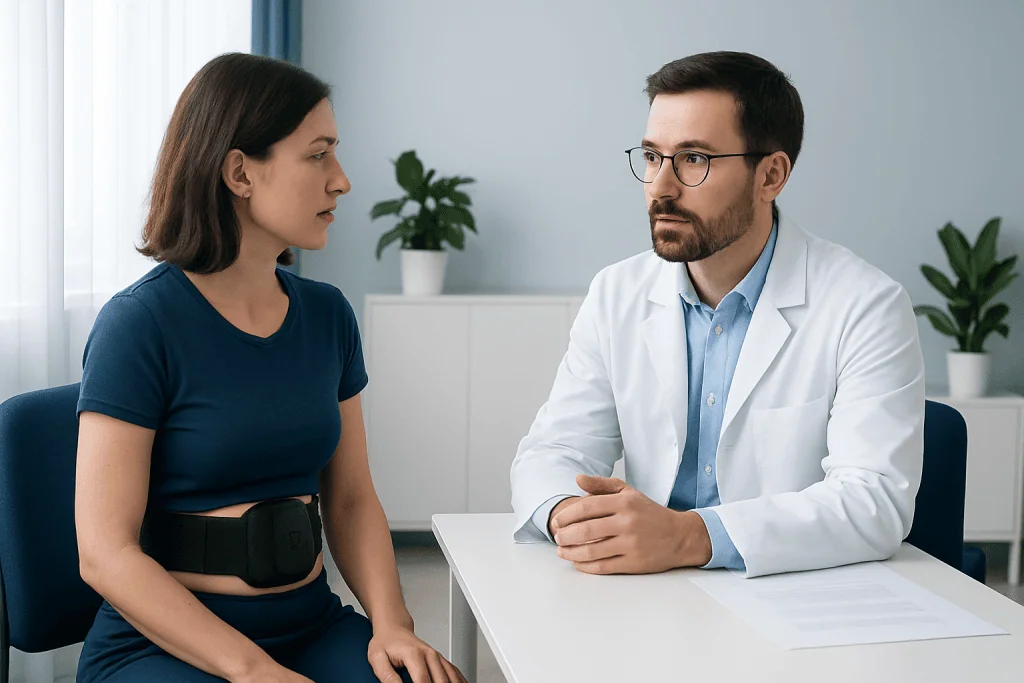
For some patients, EMS can provide meaningful support. During rehabilitation, it may help a person reconnect with a muscle that is not activating well after injury or surgery. It may also help maintain some muscle activity during recovery periods when normal exercise is difficult. These effects can be especially useful when supervised by a rehabilitation professional.
EMS may also assist with symptom management in selected cases, although the benefit depends on the device type and the diagnosis. For example, some patients with weakness, joint injury, or mobility limitations may use electrical stimulation as part of a structured program. It can be a practical addition, but usually not the main treatment.
Realistic expectations matter. EMS does not selectively “melt fat,” create major weight loss, or reliably build significant strength without regular exercise. It may improve muscle engagement or supplement training, but most people need a comprehensive approach that includes activity, sleep, and nutrition. If a patient has persistent weakness, back pain, or mobility problems, the focus should be on evaluating the cause, such as a herniated disc or another medical condition, rather than relying only on a home device.
Risks, side effects, and who should avoid it
When used properly, EMS is often well tolerated, but it is not risk-free. Common minor side effects include skin irritation from adhesive pads, temporary soreness, tingling, or discomfort if the settings are too strong. Incorrect pad placement or excessive intensity may lead to an unpleasant contraction pattern or aggravate a painful area.
People with certain medical conditions should not use EMS unless a doctor specifically advises it. This includes many patients with implanted electronic devices such as pacemakers or defibrillators, because electrical currents may interfere with device function. Caution is also important during pregnancy, over areas of broken or infected skin, near active blood clots, and in people with reduced sensation who may not feel excessive stimulation.
EMS should not be placed across the chest, over the front of the neck, near the eyes, or over areas where stimulation could be unsafe. If a person has unexplained numbness, severe pain, sudden weakness, or symptoms that suggest a nerve or spinal problem, the priority is medical assessment. In those settings, a specialist may evaluate whether symptoms relate to a condition such as sciatica or another cause before recommending any device-based therapy.
How doctors assess whether EMS is appropriate
The decision to use an ems muscle stimulator should begin with a clear goal. A doctor or physiotherapist will usually ask whether the aim is rehabilitation after surgery, improvement of muscle activation, support for mobility, symptom control, or adjunct fitness training. The answer helps determine whether EMS is likely to be useful and which type of device is appropriate.
Assessment may include a physical examination, review of symptoms, medical history, and current medications or implanted devices. If a patient has pain, weakness, numbness, balance problems, or suspected nerve compression, additional evaluation may be needed before starting treatment. Depending on the situation, this can include imaging or nerve studies to understand the source of symptoms.
For patients recovering from musculoskeletal injury, treatment planning often combines exercise progression, movement retraining, and pain management. In some cases, further care may include orthopedic rehabilitation or specialist review. The safest approach is individualized rather than using a generic home program without guidance.
Treatment use: clinic-based EMS and home devices
Clinic-based EMS is usually delivered by trained professionals who can choose pad placement, adjust settings, and combine stimulation with specific movements or exercises. This matters because timing and technique often affect results. During rehabilitation, the patient may be asked to actively contract the muscle while the stimulation is running, which can improve motor retraining.
Home devices are widely available, but quality, power, and intended use differ. Some are designed mainly for wellness or fitness, while others are medical devices used under professional direction. Patients should read instructions carefully, avoid applying stimulation to unsafe body areas, and stop use if they develop significant pain, dizziness, skin injury, or worsening symptoms.
EMS usually works best as one part of a broader plan. For example, after injury or surgery, it may be paired with stretching, strengthening, gait training, and manual therapy. Patients with longer-term weakness or mobility changes may benefit from a rehabilitation review and, when appropriate, neurological rehabilitation to address function more comprehensively.
Self-care, safe use, and when to seek medical care
Patients who use EMS at home should start with professional advice whenever possible, especially if they have pain, a chronic medical condition, or recent surgery. Skin should be clean and dry before pads are applied, and the intensity should be increased gradually to a strong but tolerable contraction. Rest periods and total treatment time should follow the device instructions or clinician recommendations.
It is sensible to monitor how the body responds over several sessions. Mild post-session muscle fatigue can happen, but ongoing pain, skin breakdown, or increasing weakness is not expected. Good self-care also includes hydration, regular movement, and a graded exercise plan rather than depending on EMS alone for recovery or fitness.
Medical care should be sought if there is sudden or progressive weakness, new numbness, severe back or neck pain, loss of balance, unexplained muscle wasting, chest symptoms, or swelling in a limb. Advice is also important if symptoms continue despite home treatment or if the diagnosis is unclear. At Acibadem International, multidisciplinary specialists in JCI-accredited hospitals evaluate muscle, nerve, spine, and rehabilitation concerns for international patients and can advise whether EMS has a role in care.
Frequently asked questions
What is the difference between EMS and TENS?
EMS is mainly designed to produce muscle contractions, while TENS is primarily used to help manage pain. Some devices combine features, but they are not identical. The best choice depends on whether the goal is muscle activation, pain relief, or both.
Can an ems muscle stimulator build muscle?
It may contribute to muscle activation and can support strength work in some settings, especially during rehabilitation. However, it does not replace resistance training and usually does not produce major muscle gains on its own. Results are generally better when it is combined with exercise and a structured recovery plan.
Is EMS safe for everyday use?
For some people, short regular sessions may be safe if the device is used correctly and there are no medical contraindications. Daily use is not appropriate for everyone, and overuse can lead to irritation or soreness. A doctor or physiotherapist can help determine a suitable schedule.
Who should not use an EMS device?
People with pacemakers, implanted defibrillators, or certain other implanted electrical devices should avoid EMS unless a physician specifically approves it. It may also be unsuitable over broken skin, areas with poor sensation, during some stages of pregnancy, or when a blood clot is suspected. If there is any uncertainty, medical guidance is important before use.
Can EMS help after surgery or injury?
In selected cases, yes. EMS may help re-engage a weakened muscle or reduce deconditioning when movement is limited. It is usually most effective when supervised and combined with rehabilitation exercises tailored to the person's recovery stage.
Should a person use EMS for unexplained pain or weakness?
Not without first understanding the cause. Unexplained pain, weakness, numbness, or muscle loss can relate to nerve, spine, joint, or other medical problems that need proper assessment. Treating symptoms with a device alone may delay diagnosis and appropriate care.
This article is for general information only and is not a substitute for professional medical advice. Please consult a qualified doctor about your individual situation.
Explore treatments in Turkey — costs, top hospitals & a free quote
JCI-accredited · board-certified surgeons · reply within 24h
Add us as a Preferred Source to see more of our trusted health content across Google Search, AI Overviews and Discover.

More from the Health Library

Startle Response in Infants — Explained by Medical Evidence, Not Myths

Dementia — Explained by Medical Evidence, Not Myths

Horseshoe Kidney: A Complete Medical Overview

Veggie Straws: What Patients Need to Know

Ear Popping — Explained by Medical Evidence, Not Myths

Dimples: What Patients Need to Know
Orthopedic Surgery & Traumatology Specialists at Acibadem

Fzt. Çağlar Dal
Physical Medicine & Rehabilitation
Assoc. Prof. Dr. Çağrı Örs
Orthopedic Surgery & Traumatology
Fzt. Canberk Altan
Physical Medicine & Rehabilitation
Dr. Cem Tangay
Orthopedic Surgery & Traumatology