Asthma Exacerbation — Explained by Medical Evidence, Not Myths

An asthma exacerbation means asthma symptoms have worsened beyond usual day-to-day variation. Common triggers include viral infections, allergens, smoke, exercise, weather changes, and missed controller medication.
Key Takeaways
- An asthma exacerbation means asthma symptoms have worsened beyond usual day-to-day variation.
- Common triggers include viral infections, allergens, smoke, exercise, weather changes, and missed controller medication.
- Warning signs include more coughing, wheezing, chest tightness, shortness of breath, and needing a reliever inhaler more often.
- Diagnosis and severity assessment rely on symptoms, oxygen levels, lung function, and response to treatment.
- Treatment may include inhaled bronchodilators, corticosteroids, oxygen, and treatment of the trigger.
- People with asthma benefit from an individualized action plan, correct inhaler technique, and regular follow-up.
An asthma exacerbation is a sudden worsening of asthma caused by increased airway inflammation, tightening of airway muscles, and extra mucus. It can range from mild to life-threatening, but early recognition, prompt treatment, and a clear action plan can greatly reduce risk.
What an asthma exacerbation means
An asthma exacerbation is a sudden or progressive worsening of asthma symptoms beyond a person’s usual pattern. It happens when the airways become more inflamed, the muscles around them tighten, and mucus production increases. This narrows airflow and makes breathing harder.
Some people call this an asthma attack, but exacerbation is the more precise medical term because symptoms can build quickly or develop over hours to days. A mild episode may respond to a reliever inhaler and rest, while a severe episode can become a medical emergency and require urgent treatment.
Asthma exacerbations are not simply “bad breathing days.” They reflect a change in airway inflammation and control. Even people with mild or infrequent asthma symptoms can have serious flare-ups, especially after viral infections or significant exposure to triggers.
Understanding the difference between everyday symptoms and a true worsening helps people act sooner. Early treatment often shortens the episode and lowers the chance of hospitalization.
How symptoms usually appear
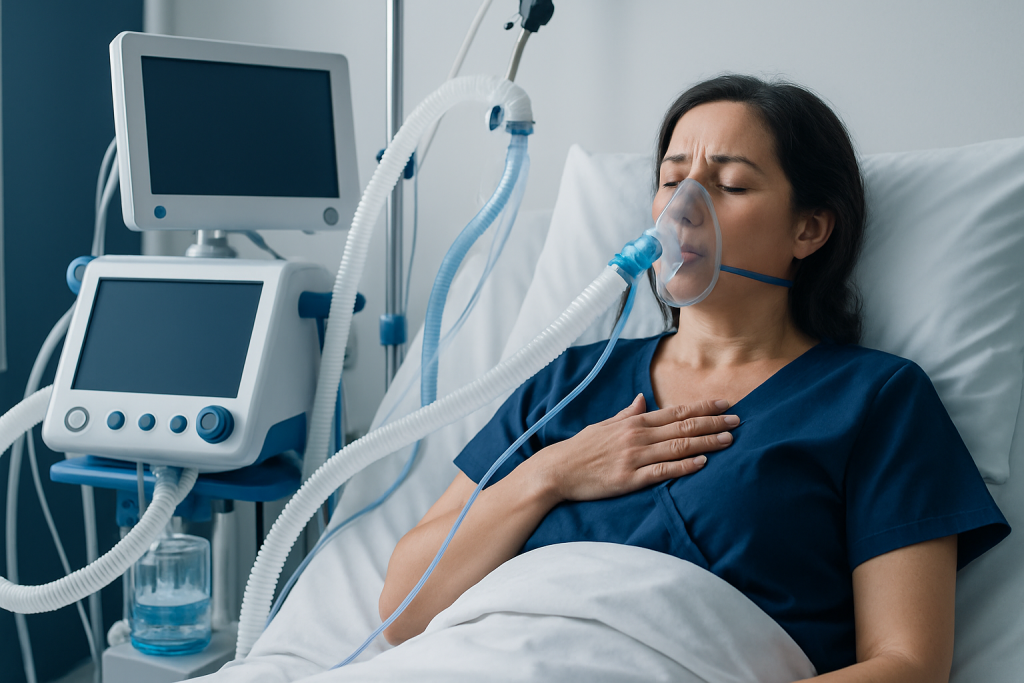
The most common symptoms of an asthma exacerbation are increased shortness of breath, wheezing, coughing, and chest tightness. Many people notice that symptoms are worse at night, early in the morning, or during activity. Some also feel unusually tired, anxious, or unable to speak in full sentences when breathing becomes more difficult.
Symptoms often begin with subtle changes before a more obvious flare-up develops. A person may need their quick-relief inhaler more often, wake at night with cough or wheeze, or notice that normal tasks such as climbing stairs become harder. In children, signs can include fast breathing, reduced play, feeding difficulty, or pulling in of the skin between the ribs.
Exacerbations can vary in severity. Mild episodes may involve bothersome coughing and wheezing but still allow normal conversation. More severe episodes may cause marked breathlessness, rapid breathing, bluish lips, confusion, or a sense that the reliever inhaler is not helping enough.
- More frequent cough, especially at night
- Wheezing or a whistling sound when breathing out
- Chest tightness or pressure
- Shortness of breath with usual activity or at rest
- Peak flow readings lower than personal best, if monitored at home
- Increased need for quick-relief medication
Why flare-ups happen: triggers and risk factors

An asthma exacerbation is usually triggered by something that increases airway inflammation or sensitivity. Respiratory viral infections are among the most common causes. Colds, influenza, and other infections can make the airways more reactive for days or weeks.
Environmental triggers are also important. These include pollen, dust mites, mold, pet dander, air pollution, smoke, strong odors, workplace irritants, and sudden weather changes. Exercise can trigger symptoms in some people, particularly in cold, dry air. Emotional stress does not cause asthma itself, but it can make symptoms feel worse or complicate self-management.
Several risk factors make exacerbations more likely. These include poorly controlled asthma, incorrect inhaler technique, not using prescribed controller medication, smoking or secondhand smoke exposure, obesity, pregnancy, and coexisting conditions such as allergic rhinitis, sinus disease, reflux, or respiratory infections. People with a past severe attack, hospitalization, or intensive care admission are at higher risk for future severe episodes.
Sometimes an exacerbation points to asthma that is not yet well characterized or monitored. In that setting, doctors may also assess related conditions and symptom patterns, including asthma itself, to improve long-term control and reduce future flare-ups.
How doctors assess and diagnose severity
The diagnosis of an asthma exacerbation is based on symptoms, physical examination, and how much breathing is affected. Doctors ask when symptoms started, what may have triggered them, how often the person is using rescue medicine, and whether there is a prior history of severe episodes. They also listen for wheezing, check breathing rate and heart rate, and assess how easily the person can speak.
Oxygen levels are commonly measured with pulse oximetry. Lung function tests such as peak expiratory flow or spirometry may be used when the person is stable enough to perform them. These tests help compare current airflow with the person’s usual or predicted values. In more severe cases, blood tests or imaging may be needed to rule out other problems such as pneumonia or a collapsed lung.
Doctors also consider conditions that can mimic or worsen an exacerbation, including chronic obstructive lung disease, heart problems, vocal cord dysfunction, or infection. If symptoms are frequent or hard to control, evaluation by a respiratory specialist may help guide a more tailored treatment plan, including pulmonology care.
Assessment is not only about confirming the flare-up. It also identifies whether the episode is mild, moderate, severe, or life-threatening, because treatment intensity depends on that severity.
What treatment involves during an exacerbation
Treatment focuses on opening the airways, reducing inflammation, and correcting low oxygen if present. A short-acting bronchodilator given by inhaler or nebulizer is commonly the first step. This medicine relaxes the muscles around the airways and can quickly improve symptoms.
If the exacerbation is moderate or severe, doctors often add corticosteroids to reduce airway inflammation. These may be given by mouth or, in more serious cases, through a vein. Oxygen may be provided when levels are low. Some people need repeated bronchodilator treatments or additional medicines in an emergency department or hospital setting.
Care also includes identifying and addressing the trigger. If a viral illness, allergy exposure, or irritant at work or home is contributing, management may include supportive care and changes in the environment. People with recurring or difficult-to-control episodes may benefit from a structured review of inhaler technique, maintenance therapy, and monitoring through allergy evaluation or medical check-up services when appropriate.
Hospital treatment is considered when symptoms are severe, oxygen levels remain low, peak flow is very reduced, or there is poor response to initial medicines. In rare cases, intensive care support is needed. The goal is to stabilize breathing while preventing relapse after discharge.
Prevention, self-care, and the role of an action plan
Preventing asthma exacerbations depends on good day-to-day control. Controller medicines, usually inhaled anti-inflammatory treatment, should be used exactly as prescribed even when symptoms are quiet. Correct inhaler technique matters because medicine cannot work well if it does not reach the lungs properly. A clinician or pharmacist can review technique regularly.
An asthma action plan is one of the most useful self-care tools. It explains what daily treatment to use, how to recognize early warning signs, what to do if symptoms worsen, and when to seek urgent help. For people who monitor peak flow at home, the plan may include action zones based on personal best readings.
Trigger reduction is also important. Common practical steps include avoiding tobacco smoke, improving indoor air quality, using allergy-reduction measures when relevant, keeping vaccinations up to date, and planning for exercise with medical guidance if activity triggers symptoms. Managing related conditions such as sinus issues, reflux, and allergies may further reduce flare-ups.
Regular follow-up helps doctors adjust treatment to the lowest effective level while maintaining good control. Near the end of care planning, some international patients may choose evaluation at centers such as Acibadem International, where multidisciplinary specialists in JCI-accredited hospitals diagnose and treat respiratory conditions with individualized follow-up.
When to seek medical care
Medical advice should be sought promptly if asthma symptoms are getting worse, if quick-relief medicine is needed more often than usual, or if symptoms interfere with sleep, work, school, or normal activity. These changes may mean asthma is not well controlled and treatment needs to be adjusted before a more serious exacerbation develops.
Urgent medical care is important if there is severe shortness of breath, difficulty speaking in full sentences, visible effort with breathing, bluish lips or fingertips, confusion, drowsiness, or little relief after using prescribed rescue medicine. These are signs that the airways may be significantly narrowed and immediate treatment is needed.
After any emergency visit or hospitalization for asthma, follow-up should happen soon. The care team will usually review trigger exposure, inhaler technique, medications, and the action plan to reduce the chance of another episode.
People who are unsure whether symptoms are asthma-related should not ignore them. A qualified doctor can determine whether this is an exacerbation or another breathing problem and advise the safest next steps.
Frequently asked questions
Is an asthma exacerbation the same as an asthma attack?
They are closely related terms, and many people use them interchangeably. In medical practice, asthma exacerbation is often preferred because symptoms can worsen gradually or suddenly, and the term covers the full range from mild to severe flare-ups.
How long does an asthma exacerbation last?
It can last from hours to several days, depending on the trigger, severity, and how quickly treatment begins. Some airway inflammation may continue after the person feels better, which is why follow-up and continued prescribed treatment are important.
Can a person have an asthma exacerbation even if asthma is usually mild?
Yes. Even people with mild or infrequent day-to-day symptoms can have a significant flare-up, especially during a viral infection or after heavy trigger exposure. This is one reason an action plan and regular review are useful for many patients.
What is the difference between a reliever inhaler and a controller inhaler?
A reliever inhaler works quickly to open narrowed airways and ease symptoms during a flare-up. A controller inhaler is used regularly to reduce airway inflammation over time and lower the risk of future exacerbations.
Should exercise be avoided after an asthma exacerbation?
Not necessarily, but returning to exercise should be gradual and guided by symptom control and medical advice. Many people with asthma can exercise safely once the flare-up has settled and their long-term treatment is optimized.
Can allergies cause asthma exacerbations?
Yes. Pollen, dust mites, mold, pet dander, and other allergens can trigger inflammation in sensitive airways and lead to worsening symptoms. Identifying and reducing relevant exposures may help improve asthma control.
This article is for general information only and is not a substitute for professional medical advice. Please consult a qualified doctor about your individual situation.
Asthma in Turkey — costs, top hospitals & a free quote
JCI-accredited · board-certified surgeons · reply within 24h
Add us as a Preferred Source to see more of our trusted health content across Google Search, AI Overviews and Discover.
Check your numbers in seconds
BMI, calories, due date, blood pressure and 30+ more clinical calculators — free, instant, doctor-reviewed ranges.

More from the Health Library

Polyp what is: A Complete Medical Guide for Patients

Douche: A Complete Medical Overview

Glp-1: What Patients Need to Know

Indirect Hernia: An Evidence-Based Guide for Patients

Pelvis: What Patients Need to Know

Bump on Penis: What Patients Need to Know
Pulmonary Medicine Specialists at Acibadem

Prof. Dr. Ceyda Erel Kırışoğlu
Pulmonary Medicine
Dr. Dilek Aydın Yıldıran
Pulmonary Medicine
Fzt. Ezgi İrem Eryaşar
Treatment of Respiratory
Dr. F. Çağla Uyanusta Küçük
Pulmonary Medicine