Cramps in the Vigina: A Complete Medical Overview

Cramps felt in the vaginal area may come from muscles, the uterus, bladder, bowel, or nearby pelvic organs. Short-lived cramping around periods can be common, but ongoing, severe, or unusual pain needs medical evaluation.
Key Takeaways
- Cramps felt in the vaginal area may come from muscles, the uterus, bladder, bowel, or nearby pelvic organs.
- Short-lived cramping around periods can be common, but ongoing, severe, or unusual pain needs medical evaluation.
- Associated symptoms such as discharge, fever, burning with urination, bleeding, or pain during sex help point to the cause.
- Diagnosis may include a medical history, pelvic exam, urine or swab tests, and sometimes ultrasound or other imaging.
- Treatment depends on the cause and may involve pain relief, pelvic floor therapy, antibiotics, hormonal treatment, or other targeted care.
Cramps in the vigina usually describe pain, tightening, or pressure felt in or around the vaginal area, and the cause is not always the vagina itself. Common reasons include menstrual cramping, pelvic floor muscle spasm, infections, endometriosis, or problems involving the bladder, bowel, or reproductive organs.
What cramps in the vigina can mean
Cramps in the vigina is a common way people describe aching, pressure, spasms, or tightening felt in the vaginal area. Although the sensation may seem to come from the vagina, the source can also be the pelvic floor muscles, cervix, uterus, vulva, bladder, bowel, or surrounding nerves. For that reason, vaginal-area cramping is a symptom rather than a diagnosis.
Some causes are temporary and relatively common, such as menstrual cramps radiating downward or irritation after sex. Others need medical attention, including infections, ovarian cysts, endometriosis, pelvic inflammatory disease, or muscle spasm in the pelvic floor. The timing of the pain, its severity, and any other symptoms often give important clues.
Because the pelvis contains several organs close together, people may find it hard to pinpoint exactly where the discomfort starts. A careful medical evaluation can help separate gynecologic causes from urinary, bowel, or muscle-related causes so treatment can be directed appropriately.
How the pain may feel and what symptoms can come with it
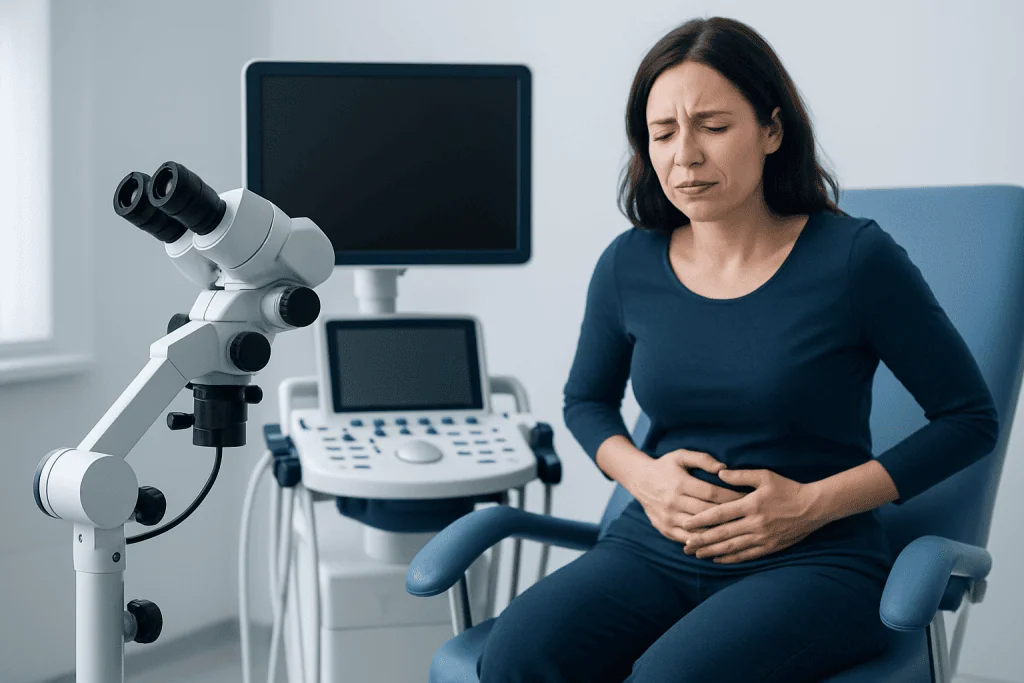
Cramps in the vaginal area may feel sharp, dull, throbbing, or like a pulling or squeezing sensation. Some people notice brief spasms, while others feel a deeper pelvic ache. The discomfort may happen during a menstrual period, during or after intercourse, while using the bathroom, during exercise, or for no obvious reason.
Symptoms that can occur along with cramping include pelvic pressure, lower abdominal pain, pain during sex, unusual vaginal discharge, itching, burning, spotting, heavy bleeding, or a feeling of fullness. If the bladder or bowel is involved, there may also be burning with urination, frequent urination, constipation, diarrhea, or pain with bowel movements.
Paying attention to patterns can be helpful. For example, pain that appears predictably before or during a period may suggest menstrual causes or endometriosis, while pain with urination may point more toward a urinary issue. A pain diary that tracks timing, triggers, and associated symptoms can support diagnosis.
Common causes and risk factors
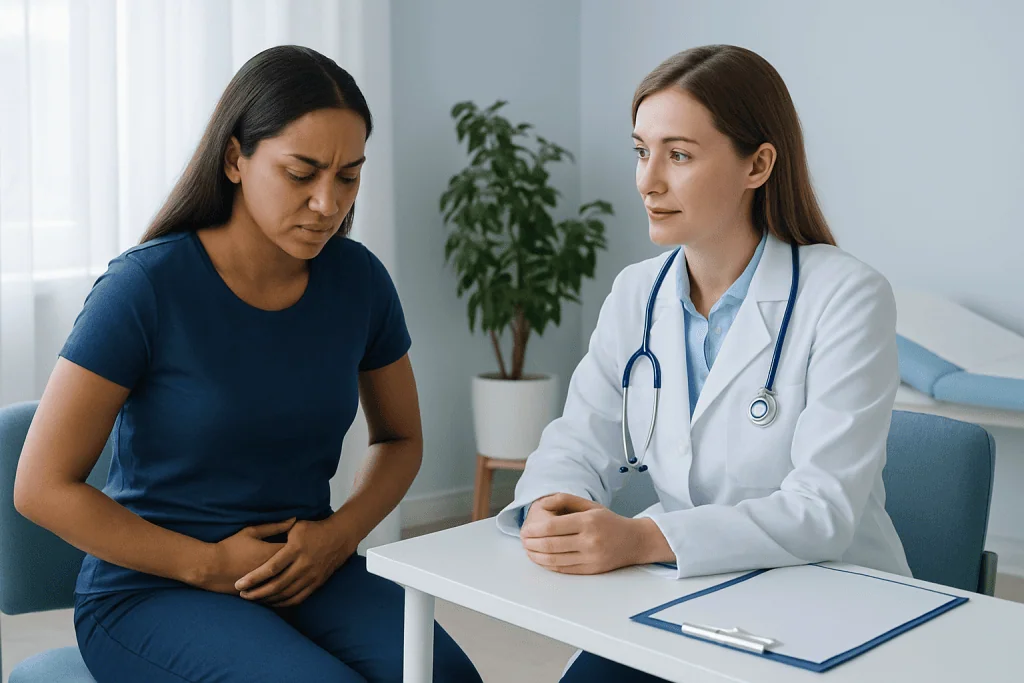
One of the most common explanations is pain related to menstruation. Uterine contractions can create cramping that is felt low in the pelvis and may seem to extend into the vagina. Ovulation pain, ovarian cysts, and conditions such as endometriosis can also cause recurrent pelvic cramping, especially if symptoms change with the menstrual cycle.
Pelvic floor muscle tension is another important cause. The muscles that support the bladder, uterus, and bowel can become tight or go into spasm, leading to vaginal aching, pressure, or pain with intercourse. Stress, childbirth, surgery, trauma, chronic pelvic pain, or prolonged straining can all contribute to pelvic floor dysfunction.
Infections and inflammation should also be considered. Vaginal yeast infections, bacterial vaginosis, sexually transmitted infections, and pelvic inflammatory disease may cause cramping together with discharge, odor, burning, fever, or bleeding. Conditions affecting nearby organs, such as urinary tract infections, interstitial cystitis, irritable bowel syndrome, constipation, or hemorrhoids, can sometimes be felt as vaginal or pelvic cramps because the nerves in this region overlap.
Less commonly, cramps may be linked to pregnancy-related issues, uterine fibroids, adenomyosis, vulvodynia, or nerve irritation. Risk factors vary by cause but may include a history of painful periods, previous pelvic infections, new sexual partners, prior pelvic surgery, childbirth injury, or chronic bowel and bladder problems.
Situations where vaginal-area cramping may occur
The same symptom can appear in different situations, and that context often matters. During a period, cramping may reflect normal uterine contractions, but very intense pain, pain that has become worse over time, or pain that interferes with daily life deserves medical review. Mid-cycle discomfort may sometimes relate to ovulation, while ongoing pain outside the cycle suggests looking more broadly.
Pain during or after intercourse may occur with vaginal dryness, pelvic floor muscle spasm, infection, inflammation, or conditions such as endometriosis. Pain after exercise, sitting for long periods, or bowel movements can sometimes suggest a muscle or nerve source rather than a problem inside the vagina itself.
Pregnancy adds another layer. Mild cramping can occur for several reasons, but cramping with bleeding, dizziness, shoulder pain, or severe one-sided pelvic pain should be assessed urgently. After childbirth or gynecologic procedures, temporary soreness can be expected, but increasing pain, fever, or foul-smelling discharge should not be ignored.
How doctors diagnose the cause
Diagnosis starts with a detailed conversation about the pain. A doctor will usually ask when the cramps started, where they are felt, how often they happen, whether they are linked to periods or sex, and what other symptoms are present. Information about medications, sexual history, pregnancies, and prior pelvic conditions can also be relevant.
A physical exam may include an abdominal and pelvic examination to check for tenderness, muscle tightness, discharge, skin changes, or masses. Depending on symptoms, testing may include urine tests, pregnancy testing, vaginal or cervical swabs, and blood tests if infection or inflammation is suspected.
Imaging is sometimes needed to look at the uterus, ovaries, and nearby structures. A doctor may recommend pelvic ultrasound to evaluate fibroids, cysts, or other structural causes. In selected cases, additional imaging or procedures may be used if symptoms suggest more complex pelvic disease or if the diagnosis remains unclear.
Treatment options and symptom relief
Treatment depends on the underlying cause. Menstrual-related cramping may improve with rest, heat, hydration, and doctor-recommended pain relief. If symptoms suggest infection, treatment may involve antibiotics or antifungal medication. When hormonal conditions such as painful periods, fibroids, or endometriosis are suspected, a clinician may discuss hormonal therapy or further gynecologic care.
If pelvic floor muscle spasm is contributing, pelvic floor physical therapy can be very helpful. Treatment may include relaxation exercises, breathing techniques, posture work, trigger point release, and strategies to reduce pain during daily activities or intercourse. This approach is especially useful when exams show muscle tenderness or when other tests are normal.
Structural causes may need more targeted management. Ovarian cysts, fibroids, or chronic pelvic conditions may be monitored or treated depending on symptoms, size, and overall health. In some situations, gynecologic evaluation and treatment is needed to guide further care, especially when pain is persistent, recurrent, or linked to bleeding or fertility concerns.
Self-care can support recovery, but it should not replace medical advice when symptoms are severe or unexplained. Avoiding irritants, treating constipation, using lubrication during intercourse when appropriate, and managing stress may reduce discomfort for some people, particularly when muscle tension plays a role.
When to seek medical care
Medical attention is important if cramps in the vigina are severe, keep returning, or do not have an obvious explanation. A person should also arrange an evaluation if the pain is accompanied by unusual discharge, fever, nausea, vomiting, heavy bleeding, bleeding after sex, pain during urination, or pain during intercourse.
Urgent care is needed for sudden intense pelvic pain, fainting, dizziness, pregnancy with cramping and bleeding, or signs of serious infection such as fever and worsening tenderness. These symptoms do not always mean an emergency, but they should be assessed promptly to rule out urgent causes.
For ongoing pelvic pain, it can help to see a clinician who can look at the full picture rather than focusing only on one organ. In complex cases, multidisciplinary care may involve gynecology, urology, gastroenterology, pain specialists, or physical therapy. Acibadem International’s multidisciplinary specialists at JCI-accredited hospitals evaluate and treat pelvic and gynecologic conditions for international patients, including disorders such as uterine fibroids when relevant.
Frequently asked questions
Are cramps in the vigina normal?
They can be normal in some situations, especially around menstruation, but they are not always harmless. If the pain is strong, frequent, new, or comes with discharge, fever, bleeding, or urinary symptoms, a medical evaluation is a good idea.
Can period cramps be felt in the vaginal area?
Yes. Menstrual cramps start in the uterus, but the pain can radiate into the lower pelvis, back, rectum, or vaginal area. If period pain is severe or getting worse over time, it should be discussed with a doctor.
Can stress cause vaginal cramping?
Stress itself may not directly cause all vaginal pain, but it can increase pelvic floor muscle tension and make pain feel worse. When muscles in the pelvis stay tight, they may create aching, pressure, or spasm-like discomfort.
What infections can cause vaginal cramps?
Yeast infections, bacterial vaginosis, sexually transmitted infections, and pelvic inflammatory disease can all contribute to cramping or pelvic pain. Infections are more likely when cramping comes with discharge, odor, burning, fever, or bleeding.
How are cramps in the vigina diagnosed?
Doctors usually begin with a history and physical exam, especially questions about periods, sex, urinary symptoms, and discharge. Depending on the findings, they may use urine tests, swabs, pregnancy testing, blood tests, or imaging such as ultrasound.
Can bowel or bladder problems feel like vaginal cramps?
Yes. The nerves and organs in the pelvis are close together, so bladder or bowel conditions can sometimes feel like pain in the vaginal area. Urinary tract infections, bladder pain syndromes, constipation, and bowel disorders may all contribute.
References
- American College of Obstetricians and Gynecologists
- Centers for Disease Control and Prevention
- National Institute of Child Health and Human Development
- Office on Women's Health
- National Health Service
This article is for general information only and is not a substitute for professional medical advice. Please consult a qualified doctor about your individual situation.
Persistent digestive symptoms? Get evaluated in Turkey
JCI-accredited · board-certified surgeons · reply within 24h
Add us as a Preferred Source to see more of our trusted health content across Google Search, AI Overviews and Discover.
Check your numbers in seconds
BMI, calories, due date, blood pressure and 30+ more clinical calculators — free, instant, doctor-reviewed ranges.

More from the Health Library

Perioperative: An Evidence-Based Guide for Patients

Heteropaternal Superfecundation: What Patients Need to Know

Frigidity: A Complete Medical Overview

Lump on Forehead: What Patients Need to Know

Xiphoid Process: An Evidence-Based Guide for Patients