Radioactive Iodine — Explained by Medical Evidence, Not Myths

Radioactive iodine works because thyroid cells absorb iodine more readily than most other cells. It is commonly used to treat hyperthyroidism and to destroy remaining thyroid tissue after some thyroid cancer surgeries.
Key Takeaways
- Radioactive iodine works because thyroid cells absorb iodine more readily than most other cells.
- It is commonly used to treat hyperthyroidism and to destroy remaining thyroid tissue after some thyroid cancer surgeries.
- Most side effects are temporary, but some people later develop an underactive thyroid and need lifelong thyroid hormone replacement.
- Short-term safety precautions after treatment help limit radiation exposure to other people.
- A specialist decides whether radioactive iodine is appropriate based on the thyroid condition, age, pregnancy status, and test results.
Radioactive iodine is a medical treatment and diagnostic tool that mainly targets thyroid tissue because the thyroid naturally absorbs iodine. It is most often used for hyperthyroidism and certain types of thyroid cancer, and when used appropriately it is a well-established, evidence-based option rather than something to fear.
What radioactive iodine is and why it is used
Radioactive iodine is a form of iodine used in medicine because the thyroid gland naturally collects iodine from the bloodstream. This makes radioactive iodine especially useful for targeting thyroid tissue with much less effect on most other parts of the body. In clinical practice, it may be used either in small amounts for diagnostic imaging and testing or in larger amounts for treatment.
Most often, radioactive iodine refers to iodine-131 treatment for an overactive thyroid or for certain thyroid cancers after surgery. It can help destroy overactive thyroid cells or small amounts of thyroid tissue that remain after the thyroid has been removed. Doctors may also use other forms, such as iodine-123, for thyroid scans and uptake studies.
The purpose of treatment depends on the condition. In people with hyperthyroidism, radioactive iodine is used to reduce thyroid hormone production by damaging overactive thyroid cells. In people with differentiated thyroid cancer, it may be used after surgery to remove remaining thyroid tissue and to help lower the risk of recurrence in selected cases.
Because the word “radioactive” can sound intimidating, many people assume it is broadly harmful. In reality, this treatment has been used for decades and is prescribed carefully, with clear safety rules and monitoring. The decision is individualized and based on medical evidence, not myths or one-size-fits-all advice.
Which conditions it can help treat
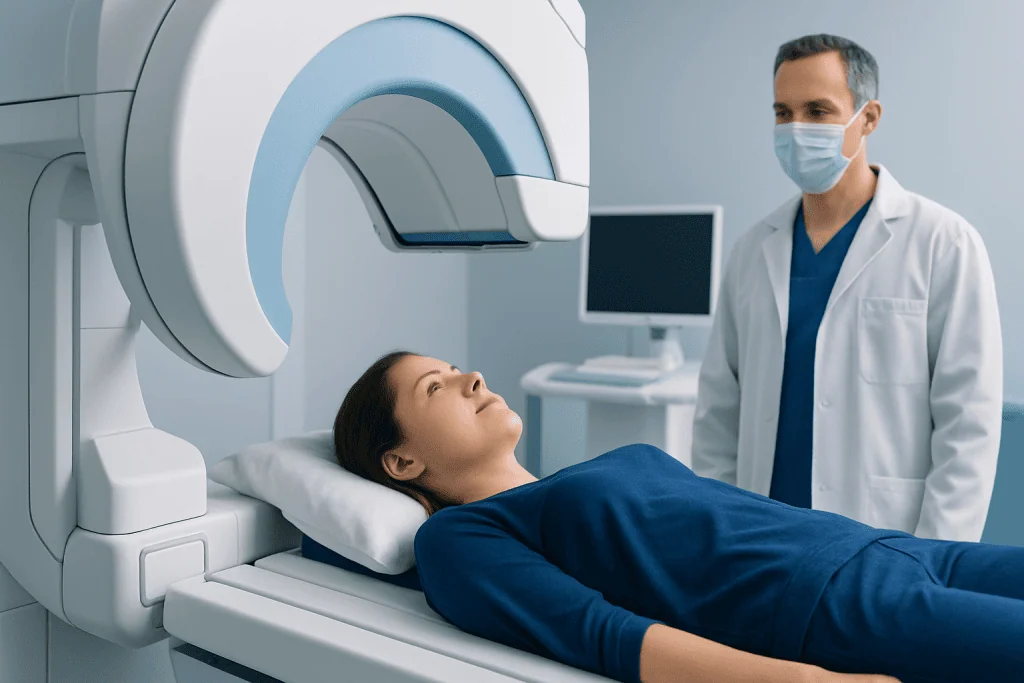
Radioactive iodine is mainly used for conditions involving the thyroid. One common use is hyperthyroidism, in which the thyroid produces too much hormone. This can happen in Graves’ disease, toxic multinodular goiter, or a single overactive thyroid nodule. By targeting the thyroid, treatment can gradually bring hormone levels back toward a safer range.
Another important use is in some patients with differentiated thyroid cancer, particularly papillary and follicular thyroid cancers. After surgery such as thyroidectomy, radioactive iodine may be recommended to destroy remaining thyroid tissue or treat microscopic disease that surgery could not remove. It is not used for all thyroid cancers, and not every person with papillary or follicular cancer will need it.
Doctors may also use radioactive iodine in diagnostic testing. A thyroid uptake test or scan can help show how active the gland is and whether thyroid nodules are functioning differently from normal tissue. These tests can support the evaluation of symptoms, blood test abnormalities, or known conditions such as thyroid cancer or hyperthyroidism.
Radioactive iodine is generally not a treatment for hypothyroidism, which is an underactive thyroid. It is also not suitable during pregnancy, and it may not be appropriate while breastfeeding. A specialist in endocrinology or nuclear medicine helps decide whether it is the right option and whether alternatives would be better.
How treatment works and what to expect

Before treatment, the healthcare team usually reviews blood tests, imaging results, current medications, and pregnancy status if relevant. Some people need to stop certain thyroid medicines for a period of time before radioactive iodine, while others may be asked to follow a temporary low-iodine diet. These steps help improve how well the thyroid tissue takes up the radioactive iodine.
Treatment is usually given by mouth as a capsule or liquid. After it is swallowed, the iodine enters the bloodstream and is absorbed mainly by thyroid cells. The radiation then works over time to damage or destroy those cells. The effect is not immediate. In hyperthyroidism, improvement often happens gradually over weeks to months.
When radioactive iodine is used after surgery for thyroid cancer, the goal may be thyroid remnant ablation, adjuvant treatment, or treatment of known iodine-avid disease. The exact plan depends on pathology, staging, blood tests such as thyroglobulin, and imaging findings. Some patients may also have follow-up scans to see where the iodine was taken up.
Follow-up is an essential part of care. Thyroid hormone levels are monitored, and patients are checked for symptoms, treatment response, and possible long-term effects. If thyroid function becomes too low after therapy, the doctor may prescribe hormone replacement. In patients being treated for cancer, care may also involve nuclear medicine and oncology specialists as part of a coordinated plan.
Benefits, limitations, and common myths
One major advantage of radioactive iodine is that it is targeted. Because thyroid cells actively absorb iodine, the treatment can focus on diseased thyroid tissue more than on other organs. It is also a non-surgical option for some people with hyperthyroidism and an important part of care for selected patients after thyroid cancer surgery.
However, radioactive iodine is not automatically the best choice for everyone. Some people are better treated with medications, surgery, or watchful follow-up depending on the diagnosis and overall health. For thyroid cancer, its role depends on the cancer type and risk level. For hyperthyroidism, patient age, eye disease, goiter size, and personal preferences can all affect the decision.
Several myths can cause unnecessary worry. Radioactive iodine does not make a person “glow,” and it does not usually cause hair loss or severe whole-body radiation effects at the doses used for thyroid conditions. It also does not spread through casual contact in a way that endangers others when standard discharge instructions are followed. The amount of radiation exposure to family members can be reduced effectively with temporary precautions.
Another myth is that radioactive iodine is always dangerous for fertility or future pregnancy. The main point is timing: it should not be used during pregnancy, and patients are advised to avoid conception for a period recommended by their doctor after treatment. Many people go on to have healthy pregnancies later, but individual guidance matters.
Side effects, long-term effects, and safety precautions
Most people tolerate radioactive iodine well, but side effects can occur. Short-term effects may include neck tenderness, nausea, a temporary change in taste, dry mouth, dry eyes, or swelling of the salivary glands. Some people with hyperthyroidism may notice thyroid symptoms continue for a while before improving, since the treatment takes time to work.
A common long-term effect is hypothyroidism, especially when radioactive iodine is used for hyperthyroidism. This means the thyroid becomes underactive and no longer makes enough hormone. Although that sounds concerning, it is usually expected and manageable with daily thyroid hormone replacement and routine follow-up blood tests.
In thyroid cancer care, side effects and risks can vary with the dose and the person’s health history. Dry mouth or salivary gland irritation may be more noticeable in some patients, and very rarely there can be longer-term effects on saliva production or tear production. The treating team weighs these risks against the expected benefits before recommending treatment.
For a short time after treatment, patients are usually advised to follow radiation safety instructions to protect others. These may include sleeping separately, limiting close contact, especially with children and pregnant people, careful bathroom hygiene, and good handwashing. The exact advice depends on the dose given and local protocols. In specialized centers, teams may coordinate treatment with services such as advanced imaging and follow-up assessment when clinically needed.
Who should avoid it and how doctors decide
Radioactive iodine is not appropriate for everyone. It should not be used during pregnancy because radiation can affect the developing fetus. It is also generally avoided during breastfeeding. Women who are breastfeeding are usually advised to stop before treatment, and doctors provide individualized timing guidance.
Certain other situations require extra caution. People with moderate to severe thyroid eye disease from Graves’ disease may need a different treatment approach because radioactive iodine can sometimes worsen eye symptoms. Patients with very large goiters, significant pressure symptoms in the neck, or suspected cancer in a thyroid nodule may be better served by surgery instead of radioiodine alone.
The choice between medication, surgery, and radioactive iodine depends on several factors:
- the exact thyroid diagnosis
- the size and behavior of the gland or nodule
- age and general health
- pregnancy plans
- whether prior treatments have helped
- pathology and recurrence risk in thyroid cancer
A full evaluation may include blood tests, ultrasound, uptake scans, and review by endocrinology, surgery, oncology, or nuclear medicine specialists. Near the end of the care pathway, some international patients may choose centers such as Acibadem International, where multidisciplinary specialists in JCI-accredited hospitals diagnose and treat thyroid conditions using individualized plans.
When to seek medical care
Medical advice is important before any radioactive iodine treatment and during follow-up. A person should seek evaluation if they have symptoms of thyroid disease such as unexplained weight changes, rapid heartbeat, tremor, heat intolerance, fatigue, neck swelling, or a newly noticed thyroid nodule. These symptoms do not automatically mean a serious condition, but they do deserve proper assessment.
After radioactive iodine, patients should contact their doctor if they develop severe neck swelling, persistent vomiting, dehydration, worsening palpitations, shortness of breath, significant eye symptoms, or symptoms that feel unexpected or difficult to manage. People treated for thyroid cancer should also attend all scheduled follow-up visits, even if they feel well, because blood tests and imaging can provide important information.
Anyone who might be pregnant should tell the medical team before testing or treatment. If pregnancy happens soon after therapy or if there are questions about breastfeeding, fertility, or close contact with children, prompt guidance from the treating team is the safest step. Clear instructions help reduce stress and prevent avoidable risks.
Early expert review can make treatment decisions easier and safer. In some cases, patients may need additional assessment with endocrinology, surgery, or cancer specialists, particularly if there is concern for nodules, persistent hyperthyroidism, or follow-up after surgery for thyroid nodules.
Frequently asked questions
Is radioactive iodine the same as chemotherapy?
No. Radioactive iodine is a targeted nuclear medicine treatment that is mainly taken up by thyroid cells, while chemotherapy usually affects a wider range of rapidly dividing cells. It is most commonly used for hyperthyroidism and certain thyroid cancers.
How long does radioactive iodine stay in the body?
Some of the radioactive iodine leaves the body over the first several days, mainly through urine and other body fluids. A smaller amount is taken up by thyroid tissue, where it delivers its treatment effect. The medical team gives specific safety instructions based on the dose used.
Will radioactive iodine make me hypothyroid?
It can, and in many cases this is an expected result, especially when treating hyperthyroidism. If the thyroid becomes underactive, doctors usually prescribe thyroid hormone replacement. With regular monitoring, this is often managed successfully.
Can I be around my family after radioactive iodine treatment?
Usually yes, but temporary precautions are often needed to reduce radiation exposure to others. These may include limiting close contact for a short period, especially with children and pregnant people, and following hygiene instructions carefully. The exact advice depends on the treatment dose.
Does radioactive iodine hurt?
The treatment itself is usually simple because it is taken as a capsule or liquid. Most people do not feel pain during administration. Some may later notice mild nausea, neck discomfort, or salivary gland irritation, which should be discussed with the care team.
Can radioactive iodine affect future pregnancy?
It should not be used during pregnancy, and doctors advise avoiding conception for a period after treatment. For many people, future pregnancy is still possible after appropriate waiting time and follow-up. Individual planning with the treating doctor is important.
References
- American Thyroid Association
- National Cancer Institute
- Society of Nuclear Medicine and Molecular Imaging
- National Institute of Diabetes and Digestive and Kidney Diseases
- American Cancer Society
This article is for general information only and is not a substitute for professional medical advice. Please consult a qualified doctor about your individual situation.
Oncology care in Turkey — second opinion and treatment plan
JCI-accredited · board-certified surgeons · reply within 24h
Add us as a Preferred Source to see more of our trusted health content across Google Search, AI Overviews and Discover.