How to Remove Super Glue From Fingers? A Doctor-Reviewed Answer

Most super glue on fingers comes off safely with soaking and gentle separation, not force. Do not pull stuck skin apart suddenly, as this can tear the skin and cause bleeding.
Key Takeaways
- Most super glue on fingers comes off safely with soaking and gentle separation, not force.
- Do not pull stuck skin apart suddenly, as this can tear the skin and cause bleeding.
- Acetone may help dissolve glue, but it should be used carefully and avoided on broken or very sensitive skin.
- Medical care is important for severe pain, burns, open wounds, eye or mouth contact, or if fingers stay tightly stuck with poor circulation.
- Doctors usually assess skin damage, circulation, sensation, and signs of chemical irritation or infection.
Super glue on the fingers is very common and is usually harmless, even when the skin sticks together briefly. In most cases, it can be removed safely at home with patience, warm soapy water, and gentle methods that protect the skin.
Overview: What to Do First
If someone is wondering how to remove super glue from fingers, the safest first step is usually simple: do not pull the skin apart by force. In many cases, cyanoacrylate glue bonds strongly to the surface of the skin but loosens gradually with warm water, soap, natural skin oils, and time. This is why most accidental skin contact is more inconvenient than dangerous.
A practical approach is to soak the affected fingers in warm, soapy water for 10 to 15 minutes, then gently roll or peel the glue from the skin little by little. If the fingers are stuck together, gentle side-to-side movement is safer than trying to separate them with a sudden pull. Oils such as mineral oil, petroleum jelly, or cooking oil may help soften the bond on intact skin.
If warm water alone is not enough, some adults may use a small amount of acetone-based nail polish remover on unbroken skin to help dissolve the glue. This should be followed by washing and moisturizing because acetone can dry and irritate the skin. If there is significant pain, blistering, numbness, an open cut, or glue exposure to the eyes, mouth, or large skin areas, medical review is the safer choice.
Why Super Glue Sticks to Skin
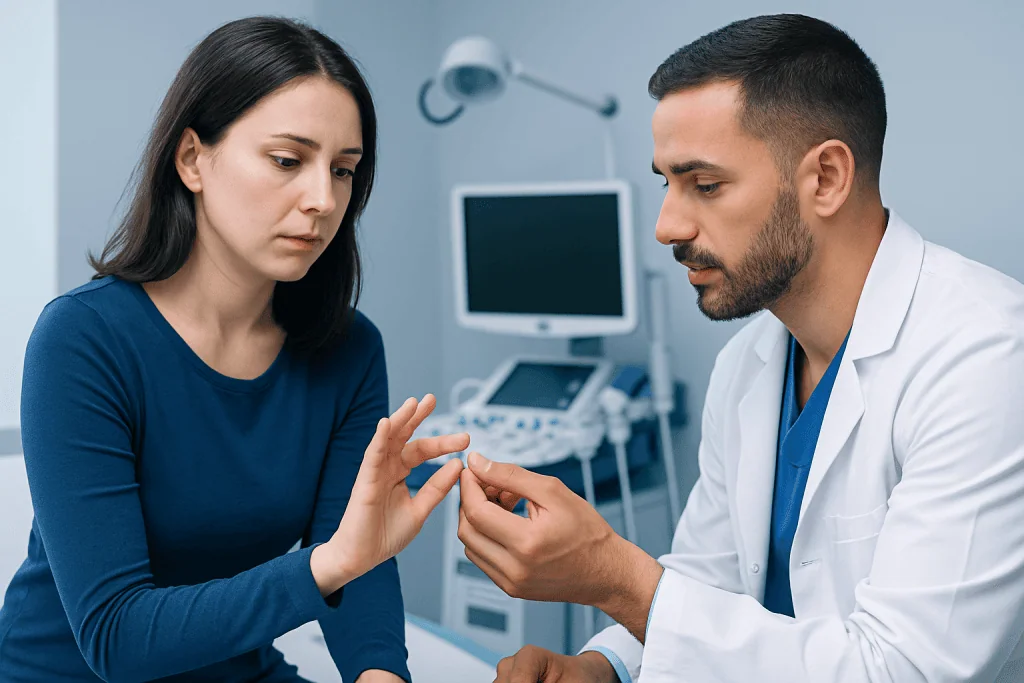
Super glue, also called cyanoacrylate adhesive, hardens quickly when it comes into contact with moisture. Because the skin naturally contains small amounts of moisture, the glue can bond within seconds. This fast reaction is why fingertips, nails, and the thin skin around them are common places for accidental sticking.
On intact skin, the glue usually adheres to the outer dead skin layer rather than penetrating deeply. As the skin naturally sheds, the remaining glue often comes off on its own over several days if a small amount remains. That said, some situations can be more uncomfortable, especially if a thick layer of glue traps the skin, catches body hair, or seals over a small wound.
Heat can also be produced during the bonding process, especially if glue contacts certain fabrics such as cotton. This can cause irritation or even a minor burn. That is one reason doctors advise care when trying to wipe fresh glue away with tissues, cotton pads, or clothing.
Safe Home Removal Methods
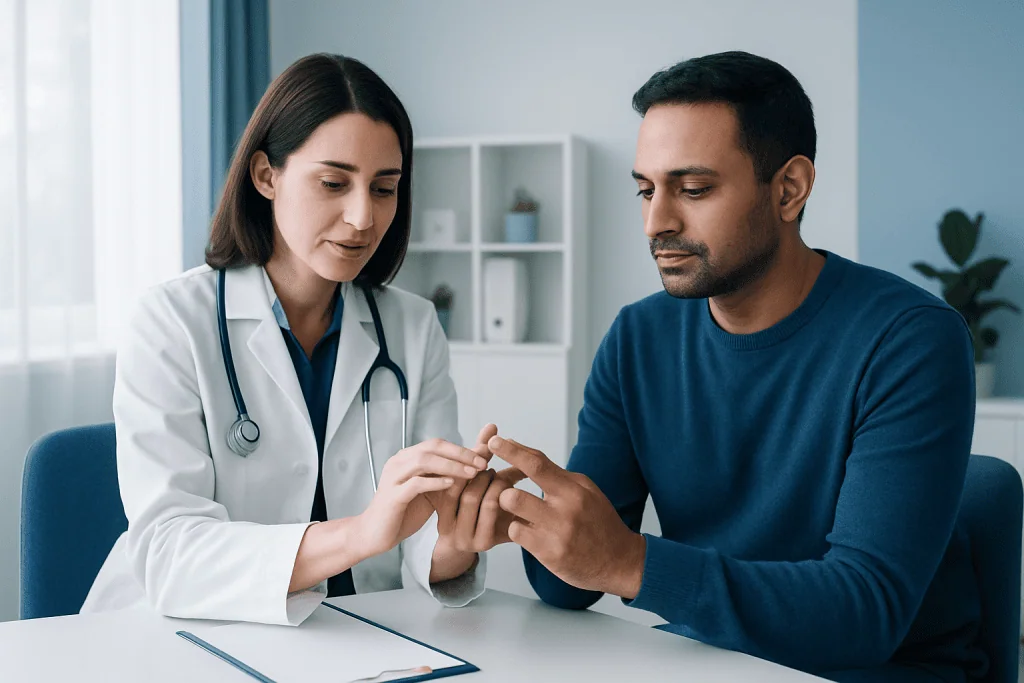
The best home treatment depends on whether the glue is dried on the skin, has stuck two fingers together, or is causing irritation. In all cases, patience matters. Scraping aggressively, cutting at the glue, or pulling the skin apart quickly can cause more harm than the glue itself.
Helpful steps may include:
- Soaking the fingers in warm, soapy water for 10 to 15 minutes.
- Gently massaging the edges of the glue to loosen it.
- Applying petroleum jelly, mineral oil, baby oil, or cooking oil to intact skin.
- Using a small amount of acetone-based remover only on unbroken skin, if needed.
- Washing the area after removal and applying a fragrance-free moisturizer.
If two areas of skin are stuck together, it may help to keep soaking and then gently twist or roll the fingers rather than pulling straight apart. A blunt object such as the rounded edge of a spoon may occasionally help lift the glue edge, but sharp tools should not be used. If the skin begins to tear, bleed, or become very painful, the attempt should stop.
Children need extra caution because their skin is more delicate, and they may rub glue into the eyes or mouth. Adults should avoid using acetone near a child’s face or on damaged skin. If super glue gets on a larger area, over a cut, or near sensitive tissues, a doctor can advise the safest next step, and assessment by a dermatology specialist may be helpful if skin injury is significant.
What Not to Do
Some common reactions can make the situation worse. The most important point is not to panic. Forceful separation can tear the skin and create a painful wound that may need dressings or infection prevention. Even when fingers feel firmly stuck, the bond often loosens with gradual soaking.
It is also best not to use blades, scissors, metal tools, or abrasive materials to scrape off the glue. These methods can cut the skin or remove too much of the protective outer layer. Harsh chemicals that are not intended for skin contact should also be avoided.
People should be careful with acetone if they have eczema, very sensitive skin, or cracks in the skin barrier. Acetone may sting and worsen dryness. If the skin is already inflamed or if there is concern about an underlying condition such as eczema, gentler methods are usually preferred first.
When to Seek Medical Care
Although most cases are minor, some situations deserve prompt medical advice. Care should be sought if there is severe pain, blistering, a burn, active bleeding, an open wound under the glue, numbness, change in finger color, or swelling that suggests the skin is too tightly bound. Medical attention is also important if glue has entered the eye, eyelids are stuck, lips or mouth are bonded, or a child may have inhaled or swallowed glue.
A doctor should also assess the area if home removal does not work, if a large amount of skin is involved, or if signs of infection appear later. Concerning signs include increasing redness, warmth, pus, worsening tenderness, or fever. These problems are not caused by the glue alone in most cases but can happen if the skin tears or an underlying irritation develops.
People with diabetes, poor circulation, nerve problems, or fragile skin may benefit from a lower threshold for review because small injuries can heal more slowly. If a more serious skin reaction is suspected, clinicians may also consider other causes of redness or blistering, including contact irritation or a secondary skin problem such as contact dermatitis.
How Doctors Evaluate and Treat It
When someone comes to a clinic or emergency department with super glue on the fingers, the doctor usually starts with a straightforward examination. They look at how much skin is involved, whether the fingers can move normally, and whether circulation and feeling in the fingertips are intact. They also check for trapped wounds, burns, or signs that the glue has sealed over deeper tissue.
Diagnosis is usually clinical, which means it is based on the history and physical examination rather than scans or special tests. If there is concern about a hidden cut, a chemical burn, or infection, the clinician may clean the area and inspect it more closely after softening or dissolving the adhesive. Eye exposure or significant facial exposure is assessed more urgently because delicate tissues require special care.
Treatment in a medical setting may include careful soaking, protected separation of the skin, wound cleaning, dressings, and pain relief guidance. If the skin has been injured, follow-up may be advised until healing is complete. In some cases, especially when there is a deeper laceration under the glue or a painful fingertip injury, support from hand surgery or emergency medicine may be appropriate.
Near the end of care planning, clinicians also explain how to protect the skin barrier while it recovers. Acibadem International’s multidisciplinary specialists and JCI-accredited hospitals evaluate and treat skin and hand injuries for international patients when expert assessment is needed.
Recovery, Skin Care, and Prevention
After the glue is removed, the skin may feel dry, tight, or mildly irritated for a day or two. Washing gently, patting the area dry, and applying a plain moisturizer can support the skin barrier. If a small superficial skin split occurred, keeping it clean and protected can help it heal. People should avoid picking at leftover glue because the remaining fragments usually shed naturally.
Prevention is often simple and practical. Super glue is easier to control in a well-lit space, with the cap opened away from the face and the work surface protected. Wearing non-cotton protective gloves for appropriate tasks may reduce the chance of skin contact. Hands should be dry, and the container should be handled carefully because moisture can trigger rapid bonding.
It also helps to keep glue away from children and to read the product safety instructions before use. If repeated exposure causes irritation, dryness, or rashes, reducing contact and discussing skin protection with a clinician may help. People who often work with adhesives may benefit from personalized advice from a skin specialist, especially if they have sensitive skin or recurrent reactions.
Frequently asked questions
How long does it take to remove super glue from fingers?
It varies depending on how much glue is present and whether two areas of skin are stuck together. Many minor cases improve after 10 to 15 minutes of soaking, while leftover residue may take a few days to wear off naturally.
Is acetone always necessary for super glue on skin?
No. Many cases can be managed with warm soapy water, gentle movement, and oils or petroleum jelly. Acetone can help when glue is stubborn, but it may irritate or dry the skin and should not be used on broken skin.
Can super glue damage the skin permanently?
Permanent damage is uncommon in minor skin exposures. Most problems happen when the skin is pulled apart forcefully or when there is associated burning, blistering, or a hidden cut under the glue.
What if my fingers are glued together and will not separate?
They should not be forced apart. Continued soaking and gentle side-to-side loosening is safer, and medical care is appropriate if the bond remains tight, the fingertips become numb or pale, or pain increases.
Should leftover glue be peeled off?
Only loose edges should be handled gently. Picking or peeling firmly attached glue can remove the top layer of skin and cause soreness, so it is often better to let small remnants come off naturally.
When is super glue on fingers an emergency?
It is more urgent if there is eye involvement, mouth bonding, severe pain, signs of a burn, bleeding, loss of normal finger color, or reduced sensation. Children and people with fragile skin or circulation problems may also need earlier medical assessment.
References
- American Academy of Dermatology
- American Association of Poison Control Centers
- Mayo Clinic
- MedlinePlus
- National Health Service
This article is for general information only and is not a substitute for professional medical advice. Please consult a qualified doctor about your individual situation.
Explore treatments in Turkey — costs, top hospitals & a free quote
JCI-accredited · board-certified surgeons · reply within 24h
Add us as a Preferred Source to see more of our trusted health content across Google Search, AI Overviews and Discover.