Weight Loss for Idiopathic Intracranial Hypertension: An Evidence-Based Guide for Patients

Weight loss is a key treatment for many people with idiopathic intracranial hypertension who are overweight or have obesity. Even a modest amount of weight reduction may help lower intracranial pressure and improve symptoms.
Key Takeaways
- Weight loss is a key treatment for many people with idiopathic intracranial hypertension who are overweight or have obesity.
- Even a modest amount of weight reduction may help lower intracranial pressure and improve symptoms.
- Weight loss should be planned with a doctor because IIH can affect vision and may need medicines or procedures as well.
- Sustainable methods usually include nutrition changes, physical activity, sleep support, and long-term follow-up.
- Rapid or extreme dieting is not the goal; safe, steady progress is usually more helpful.
- Urgent medical attention is needed for worsening vision, severe headache changes, or other neurological symptoms.
Weight loss for idiopathic intracranial hypertension is one of the most evidence-based ways to reduce pressure around the brain in people who are overweight or living with obesity. Even modest, medically supervised weight reduction may improve headaches, papilledema, and vision risk, but it should be part of a full care plan with regular follow-up.
How weight loss helps in idiopathic intracranial hypertension
Weight loss for idiopathic intracranial hypertension is recommended because excess body weight is strongly linked with this condition in many adults, especially women of childbearing age. Idiopathic intracranial hypertension, often called IIH, causes raised pressure inside the skull without a brain tumor or another obvious structural cause. Reducing body weight can help lower that pressure and may improve headaches, swelling of the optic nerve, and the risk of vision problems.
For patients who are overweight or living with obesity, weight reduction is considered one of the most important disease-modifying steps. This means it may do more than ease symptoms temporarily. It can address an underlying factor that contributes to the condition, unlike pain relief alone.
Weight loss does not replace medical care. IIH still needs proper diagnosis, monitoring of the eyes and nervous system, and sometimes treatment with medicine or procedures. A care team may also evaluate related conditions such as obesity that can affect long-term symptom control.
Understanding idiopathic intracranial hypertension
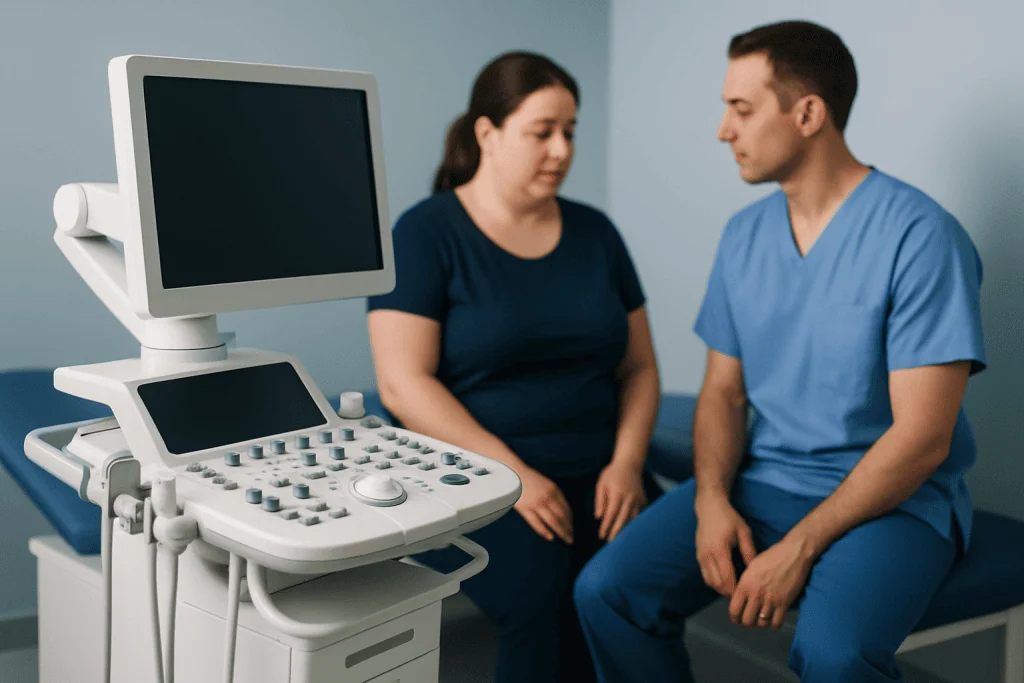
IIH is a condition in which pressure rises in the fluid that surrounds the brain and spinal cord. Common symptoms include daily or frequent headaches, brief episodes of dim or blurred vision, pulsating sounds in the ears, nausea, and pain behind the eyes. Some people also have double vision or notice that symptoms worsen when bending, coughing, or straining.
A key concern in IIH is papilledema, which is swelling of the optic nerve caused by increased pressure. Papilledema may not always be felt by the patient, but it can threaten sight if not treated and monitored. Because of this, regular eye examinations are a central part of care.
Doctors diagnose IIH only after ruling out other causes of raised intracranial pressure, such as a mass, blood clot, infection, or medication effect. Tests may include a neurological examination, eye assessment, brain imaging, and a lumbar puncture to measure opening pressure. In some cases, specialists may also review whether a person has related sleep or metabolic issues that could influence treatment planning.
What the evidence says about weight loss and symptom improvement

Research supports weight reduction as a cornerstone treatment for many patients with IIH who have excess body weight. Clinical studies and guideline-based care show that losing weight can lower intracranial pressure and improve papilledema. Many patients also experience fewer headaches and better quality of life, although headache improvement may vary from person to person.
Importantly, the goal is not perfection or rapid transformation. Evidence suggests that even modest weight loss can be meaningful, especially when it is maintained over time. Some patients improve with lifestyle measures alone, while others need medicines such as carbonic anhydrase inhibitors, and a smaller group may need procedures if vision is at risk.
Long-term maintenance matters because IIH can return with weight regain. This is one reason doctors often encourage structured follow-up rather than short-term dieting. For people who struggle with repeated regain or severe obesity, doctors may discuss additional options, including comprehensive bariatric surgery for weight management when appropriate and after careful assessment.
Who may benefit most from a weight-loss approach
Weight loss is most relevant for people with IIH who are overweight or living with obesity. It may be especially helpful for newly diagnosed patients, those with persistent papilledema, and those whose symptoms began or worsened after weight gain. The benefits can extend beyond IIH itself by improving blood pressure, sleep quality, insulin resistance, and overall wellbeing.
Not every person with IIH fits the same pattern. IIH can occasionally occur in people who are not overweight, and in those cases weight loss is not the central treatment strategy. Doctors instead focus on other contributing factors, symptom control, and protection of vision.
Assessment should be individualized. A clinician may review body mass index, waist circumference, eating patterns, medications, emotional health, sleep, and physical limitations before suggesting a plan. This helps create realistic goals and avoids advice that is too general or unsafe for the person’s medical needs.
A practical, medically supervised weight-loss plan
The most effective plan is usually one that is gradual, structured, and sustainable. Patients are often encouraged to aim for steady progress rather than extreme restriction. A doctor or dietitian can help create a calorie deficit that supports weight loss while still providing enough protein, fiber, vitamins, and fluids.
Helpful strategies may include:
- Planning balanced meals with vegetables, fruit, whole grains, beans, lean protein, and healthy fats
- Reducing ultra-processed foods, sugary drinks, and frequent high-calorie snacks
- Using portion awareness instead of rigid food rules
- Building regular physical activity based on ability, such as walking, cycling, swimming, or resistance exercises
- Improving sleep and screening for sleep apnea when symptoms suggest it
- Tracking weight, symptoms, and eating habits to identify patterns over time
Some patients benefit from formal weight-management programs, psychological support, or medications for obesity prescribed by a qualified physician. When excess weight is severe or previous attempts have not worked, a specialist may discuss weight-loss surgery as part of a broader medical plan. This decision should be individualized and balanced against symptom severity, vision findings, and overall health.
Because headaches and fatigue can make exercise harder, the plan should be flexible. Gentle consistency is often better than intense bursts followed by setbacks. It can also help to coordinate care among neurology, ophthalmology, nutrition, and, when needed, specialists in neurology care for ongoing symptom review.
Other treatments that may be used alongside weight loss
Although weight reduction is central for many patients, it is often combined with other treatment approaches. Doctors may prescribe medicines that reduce cerebrospinal fluid production and help lower pressure. Pain management may also be needed, especially when migraine-like headache patterns are present.
Eye monitoring remains essential throughout treatment. If vision is worsening or papilledema is severe, doctors may recommend urgent interventions rather than waiting for weight loss alone to work. These can include therapeutic lumbar puncture in selected situations, optic nerve sheath fenestration, or cerebrospinal fluid shunting, depending on the clinical picture and local expertise.
Patients may also hear about venous sinus stenting in carefully chosen cases where venous outflow problems are considered important. Not every procedure suits every patient, and decisions are based on symptoms, imaging, eye findings, and response to initial therapy. The overall aim is to protect vision while improving day-to-day symptoms and reducing the chance of recurrence.
When to seek medical care
Anyone with suspected IIH symptoms should seek medical evaluation rather than trying to manage the condition with weight loss alone. A new pattern of severe headaches, blurred or dim vision, double vision, or a whooshing sound in the ears should be assessed, especially if symptoms are frequent or worsening.
Urgent medical attention is important if there is sudden vision loss, rapidly worsening visual blurring, severe headache with vomiting, confusion, weakness, trouble speaking, or symptoms after a head injury. These may point to causes other than IIH and need prompt assessment.
Even after diagnosis, follow-up should not be skipped. Patients should keep scheduled appointments for eye exams and medical review, because symptoms can change over time. For international patients needing coordinated care, Acibadem International’s multidisciplinary specialists and JCI-accredited hospitals diagnose and treat IIH and related conditions with neurology, ophthalmology, and metabolic support.
Frequently asked questions
How much weight loss is needed to help idiopathic intracranial hypertension?
There is no single number that applies to everyone. Evidence suggests that even modest weight loss may help reduce intracranial pressure and improve symptoms in people with IIH who are overweight or have obesity. A doctor can help set a realistic target based on overall health, symptoms, and eye findings.
Can weight loss cure IIH?
Weight loss can significantly improve IIH and may lead to remission in some patients, but it is not guaranteed to cure the condition for everyone. Some people still need medication or procedures, especially if vision is affected. Ongoing monitoring remains important even when symptoms improve.
Will headaches go away if a person loses weight?
Headaches often improve when intracranial pressure decreases, but the response is not always complete. Some patients also have migraine or other headache disorders that need separate treatment. This is why a personalized care plan is often necessary.
Is it safe to try a very low-calorie or rapid weight-loss diet?
Rapid or highly restrictive diets are not the best starting point for most patients unless they are medically supervised. They can be difficult to maintain and may not support overall nutrition or long-term success. A gradual, structured plan is usually safer and more sustainable.
What if lifestyle changes are not enough?
If weight loss is difficult or symptoms continue, doctors may consider prescription obesity treatment, formal nutrition support, or bariatric surgery in selected patients. The decision depends on body weight, medical history, symptom severity, and eye risk. Other IIH treatments may be needed at the same time.
Does weight regain matter after IIH improves?
Yes, weight regain can increase the chance that IIH symptoms return. That is why maintenance strategies are just as important as the initial weight-loss phase. Regular follow-up, sustainable habits, and early support after regain can be helpful.
References
- National Institute of Neurological Disorders and Stroke
- National Eye Institute
- American Academy of Neurology
- National Health Service
- UpToDate
This article is for general information only and is not a substitute for professional medical advice. Please consult a qualified doctor about your individual situation.
Hypertension in Turkey — costs, top hospitals & a free quote
JCI-accredited · board-certified surgeons · reply within 24h
Add us as a Preferred Source to see more of our trusted health content across Google Search, AI Overviews and Discover.
Check your numbers in seconds
BMI, calories, due date, blood pressure and 30+ more clinical calculators — free, instant, doctor-reviewed ranges.