What Cancer Causes High White Blood Cell Count? Causes, Explanations, and Next Steps

Most high white blood cell counts are not caused by cancer. Leukemia is the cancer most closely linked to very high white blood cell counts.
Key Takeaways
- Most high white blood cell counts are not caused by cancer.
- Leukemia is the cancer most closely linked to very high white blood cell counts.
- Lymphoma and some solid tumors may also increase white blood cells in certain situations.
- Doctors interpret the result alongside symptoms, the type of white blood cell elevated, and repeat testing.
- Unexplained fever, weight loss, night sweats, bruising, or ongoing fatigue deserve medical review.
A high white blood cell count is often caused by common, non-cancerous issues such as infection, inflammation, stress, smoking, or medicines. When cancer is involved, leukemia is the most typical cause, but lymphoma and some solid tumors can also raise white blood cell levels, especially if the bone marrow or immune system is affected.
Overview: can cancer cause a high white blood cell count?
Yes, some cancers can cause a high white blood cell count, but this finding is often harmless or related to a non-cancerous condition. In everyday practice, infections, inflammation, physical stress, smoking, pregnancy, and certain medicines are much more common reasons for leukocytosis, the medical term for an elevated white blood cell count.
When cancer is the cause, the classic example is leukemia, a blood and bone marrow cancer in which abnormal white blood cells may build up in the bloodstream. Lymphoma can also affect white blood cell levels, and some solid tumors may trigger an increase indirectly through inflammation or substances that stimulate the bone marrow.
The important point is that one abnormal blood test does not diagnose cancer by itself. Doctors usually look at how high the count is, which type of white blood cell is elevated, whether the result persists over time, and whether there are symptoms such as fever, swollen lymph nodes, night sweats, easy bruising, or unexplained weight loss.
Which cancers are most likely to raise white blood cell levels?
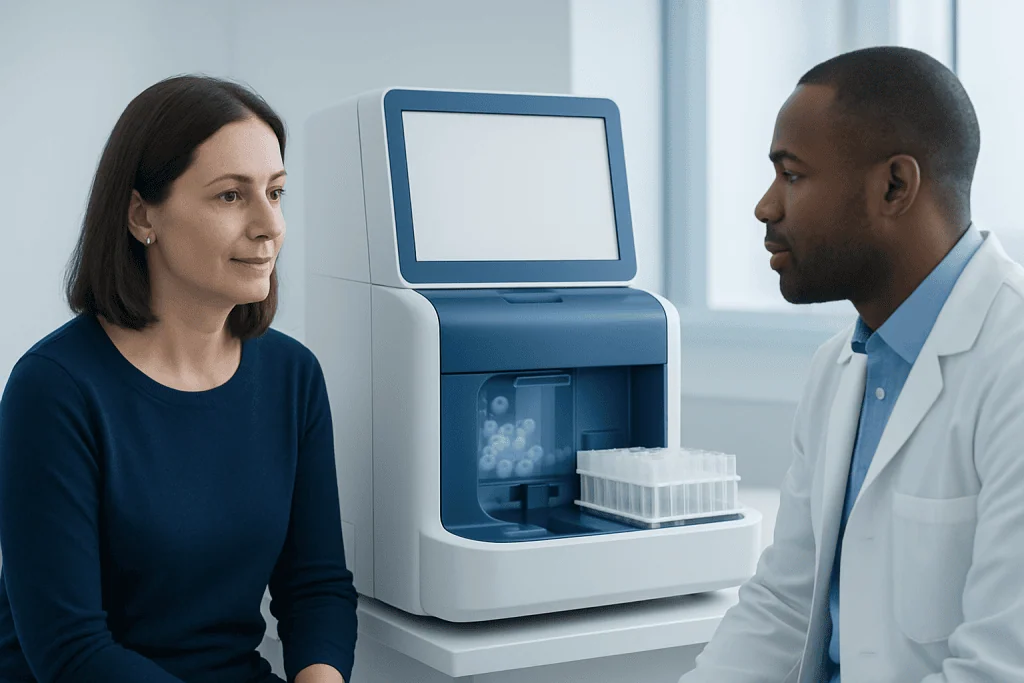
Leukemia is the cancer most strongly associated with high white blood cell counts. This includes acute and chronic forms, such as acute myeloid leukemia, acute lymphoblastic leukemia, chronic lymphocytic leukemia, and chronic myeloid leukemia. In these conditions, the bone marrow produces abnormal blood cells, and the white blood cell count may become clearly elevated, though in some patients it can also be normal or even low.
Lymphoma may also be linked with a high white blood cell count, especially when the disease causes inflammation, affects the bone marrow, or leads to infection. Some people with lymphoma have normal blood counts at diagnosis, so blood results alone cannot confirm or exclude it. Readers looking for background on this group of cancers may find lymphoma helpful.
Some solid tumors, including cancers of the lung, kidney, stomach, or head and neck, can occasionally cause leukocytosis. This may happen because the tumor produces growth factors that stimulate white blood cell production, or because the body is reacting to tissue inflammation, infection, or tumor spread. A high count can also appear in advanced disease, but this pattern is not specific enough to point to one cancer on its own.
Doctors also consider whether treatment is affecting the blood count. For example, corticosteroids, some immunotherapies, or growth factor injections can increase white blood cell numbers. This is one reason blood tests are always interpreted in the full clinical context rather than as a single isolated result.
Symptoms and red flags that may matter

A raised white blood cell count often causes no symptoms by itself and may be found on a routine blood test. What matters most is whether it appears alongside symptoms that suggest infection, inflammation, or a blood disorder. Many people feel completely well and need only a repeat test and clinical review.
Symptoms that can deserve closer evaluation include ongoing fever without a clear cause, drenching night sweats, unexplained weight loss, unusual tiredness, repeated infections, enlarged lymph nodes, bone pain, or a feeling of fullness under the ribs from an enlarged spleen. Easy bruising, frequent nosebleeds, or bleeding gums may suggest that other blood cell lines are also affected.
Some cancers cause broader warning signs rather than symptoms specific to white blood cells. For example, persistent fatigue, appetite loss, or unexplained anemia may prompt a doctor to look for blood cancers or other illnesses. In people who have a known cancer diagnosis, a newly rising white blood cell count may reflect infection, treatment effects, or disease-related inflammation rather than the cancer itself.
- More reassuring features: a mild rise after a recent infection, stress, smoking, exercise, or steroid use
- More concerning features: persistent or very high counts, abnormal cells on the blood smear, or symptoms such as night sweats, weight loss, bruising, or swollen nodes
- Urgent symptoms: shortness of breath, chest pain, confusion, severe weakness, or signs of sepsis
Common non-cancer causes doctors consider first
Because most elevated white blood cell counts are not due to cancer, doctors usually start with more common explanations. Bacterial and viral infections are frequent causes, and the count may remain elevated for a short time even as recovery begins. Inflammatory conditions such as rheumatoid arthritis, inflammatory bowel disease, or tissue injury after surgery can also increase white blood cells.
Everyday factors matter too. Cigarette smoking, obesity, pregnancy, emotional stress, hard exercise, and some medicines can all raise the count. Corticosteroids are a classic example because they shift white blood cells from the vessel walls into the bloodstream, which can make the blood test look high even when the immune system is not overproducing cells.
There are also non-cancer blood conditions that may lead to leukocytosis. These include marrow disorders, chronic inflammation, and certain allergic or parasitic conditions that raise eosinophils. This is why doctors pay attention not only to the total white blood cell count but also to the different cell types, such as neutrophils, lymphocytes, eosinophils, monocytes, and basophils.
If there is concern about a blood-related cause, the workup may overlap with evaluation for leukemia. Still, many people with a mildly high count ultimately have a temporary or benign explanation rather than a malignancy.
How doctors diagnose the cause
The first step is usually to confirm the result and place it in context. A doctor will ask about recent infections, medicines, smoking, stress, autoimmune disease, travel, allergies, and symptoms such as fever, bruising, swollen lymph nodes, or weight loss. A physical exam may look for lymph node enlargement, spleen enlargement, signs of infection, or bleeding.
Blood testing often starts with a repeat complete blood count and a differential, which shows which white blood cell type is elevated. A peripheral blood smear is especially useful because it allows specialists to look at the size, shape, and maturity of blood cells under the microscope. Other tests may include inflammation markers, infection testing, liver and kidney function, and sometimes vitamin levels or autoimmune screening.
If there are stronger signs of a blood cancer, the doctor may request flow cytometry, genetic or molecular testing, or a bone marrow biopsy. Imaging such as ultrasound, CT, or PET-CT may be used when lymphoma or a solid tumor is suspected. These steps help distinguish reactive leukocytosis from a marrow disorder or malignancy.
Some patients may need specialist input from hematology or oncology. Depending on findings, further evaluation can include bone marrow biopsy or advanced PET-CT imaging to clarify the diagnosis and guide treatment planning.
Treatment options if cancer is the cause
Treatment depends entirely on the underlying diagnosis. If leukemia is responsible, care may involve chemotherapy, targeted therapy, immunotherapy, or, in selected cases, stem cell transplantation. The goal is to treat the cancer itself rather than simply lower the white blood cell count. For readers exploring related care, chemotherapy may be part of treatment for some blood cancers and solid tumors.
When lymphoma is the cause, management may include careful monitoring, drug treatment, radiation therapy, or a combination approach based on the subtype and stage. In solid tumors associated with leukocytosis, treatment focuses on the cancer as well as any related infection or inflammation. Blood counts are then monitored over time to see how they respond.
In rare cases of extremely high white blood cell counts, especially in some leukemias, doctors may need to act quickly to reduce complications related to blood thickness or poor circulation. This is a hospital-based decision and depends on symptoms, the type of abnormal cells, and the overall situation.
Care is best individualized. Near the end of the diagnostic process or once a diagnosis is confirmed, multidisciplinary teams can help coordinate hematology, oncology, pathology, and imaging review. Acibadem International’s multidisciplinary specialists and JCI-accredited hospitals diagnose and treat blood cancers and related conditions for international patients.
When to seek medical care
A person should arrange medical review if a high white blood cell count is found without a clear explanation, especially if it remains elevated on repeat testing. It is also wise to seek care when the result appears together with persistent fever, recurrent infections, new swollen lymph nodes, easy bruising, unusual bleeding, drenching night sweats, or unintentional weight loss.
Prompt or urgent assessment is important for severe symptoms such as shortness of breath, chest pain, fainting, confusion, severe weakness, or signs of serious infection. People receiving cancer treatment or medicines that affect immunity should contact their treatment team early if they develop fever or feel acutely unwell.
Even when cancer is eventually ruled out, follow-up matters because the blood count may still point to an infection, inflammatory condition, medication effect, or another blood disorder that needs attention. A qualified doctor can explain what the number means in that individual situation and whether referral to hematology is necessary.
Frequently asked questions
Does a high white blood cell count usually mean cancer?
No. Most high white blood cell counts are caused by non-cancerous issues such as infection, inflammation, stress, smoking, or medicines. Cancer is only one possible explanation, and doctors usually consider more common causes first.
What cancer causes high white blood cell count most often?
Leukemia is the cancer most classically associated with a high white blood cell count because it directly affects blood-forming cells in the bone marrow. Some lymphomas and certain solid tumors can also raise white blood cell levels, but this is less specific.
Can you have leukemia with a normal white blood cell count?
Yes. Although leukemia can cause a very high white blood cell count, some people have normal or even low counts at diagnosis. That is why doctors also look at symptoms, other blood cell levels, and the appearance of cells on a blood smear.
How high is concerning for white blood cell count?
There is no single number that confirms a serious problem because the meaning depends on age, symptoms, and which white blood cell type is elevated. A persistent rise, a very high count, or abnormal immature cells on the smear is more concerning than a mild temporary increase.
What tests are done after a high white blood cell count is found?
Doctors often repeat the complete blood count and order a differential and peripheral smear. Depending on the situation, they may also request infection tests, inflammation markers, imaging, flow cytometry, genetic studies, or a bone marrow biopsy.
Can stress or medication raise white blood cell count?
Yes. Physical stress, emotional stress, strenuous exercise, smoking, and medicines such as corticosteroids can all increase white blood cell levels. This is one reason a single abnormal test is not enough to diagnose cancer.
This article is for general information only and is not a substitute for professional medical advice. Please consult a qualified doctor about your individual situation.
Oncology care in Turkey — second opinion and treatment plan
JCI-accredited · board-certified surgeons · reply within 24h
Add us as a Preferred Source to see more of our trusted health content across Google Search, AI Overviews and Discover.

More from the Health Library

How to Improve Posture? Here Is What the Evidence Says

Dizziness and Nausea Explained: Common Triggers and Red Flags

Herpes Rash: Common Causes, Related Conditions, and When to See a Doctor

Swollen Ankles Explained: Common Triggers and Red Flags

Cream Numb Explained: Common Triggers and Red Flags

Bottom Right Pain Stomach: Common Causes, Related Conditions, and When to See a Doctor
Medical Oncology Specialists at Acibadem

Assoc. Prof. Dr. Şafak Yıldırım Dişli
Medical Oncology
Dr. Seda Erdoğdu
Radiation Oncology
Prof. Dr. Abdullah Büyükçelik
Medical Oncology
Assoc. Prof. Dr. Ahmet Özveren
Medical Oncology