Labile Hypertension: What Patients Need to Know

Labile hypertension refers to blood pressure that fluctuates noticeably, sometimes rising sharply and then returning closer to normal. Stress, anxiety, pain, caffeine, nicotine, some medicines, and measurement issues can all contribute to temporary blood pressure spikes.
Key Takeaways
- Labile hypertension refers to blood pressure that fluctuates noticeably, sometimes rising sharply and then returning closer to normal.
- Stress, anxiety, pain, caffeine, nicotine, some medicines, and measurement issues can all contribute to temporary blood pressure spikes.
- Diagnosis usually depends on repeated readings over time, often including home or ambulatory monitoring rather than a single office reading.
- Treatment focuses on identifying triggers, improving measurement habits, and managing any confirmed hypertension or related medical condition.
- Medical advice is important if readings are repeatedly high, symptoms occur, or there is concern about heart, kidney, or endocrine causes.
Labile hypertension is a pattern of blood pressure that changes more than usual, with occasional spikes that may be linked to stress, pain, stimulants, or other triggers. It is not always the same as chronic hypertension, but it should be evaluated carefully because repeated high readings can still affect health and may point to an underlying problem.
Overview
Labile hypertension means blood pressure that varies more than expected, with periods of normal or near-normal readings alternating with higher values. In many people, these changes happen around stress, pain, physical exertion, strong emotions, caffeine, nicotine, or medical visits. The term describes a pattern rather than a single disease, so the main goal is to understand whether the fluctuations are temporary, measurement-related, or part of true ongoing high blood pressure.
Blood pressure is not fixed throughout the day. It normally changes with sleep, movement, posture, meals, and emotional state. With labile hypertension, however, the swings are more pronounced or more frequent. Some people notice headaches, palpitations, or a feeling of tension during spikes, while others feel completely well and only learn about the changes during routine checks.
Because fluctuating readings can be confusing, it is important not to judge cardiovascular risk from one measurement alone. A clinician often looks at patterns over time, symptoms, personal risk factors, and whether there are signs of established hypertension. This careful approach helps avoid both undertreatment and unnecessary worry.
How labile hypertension differs from regular high blood pressure
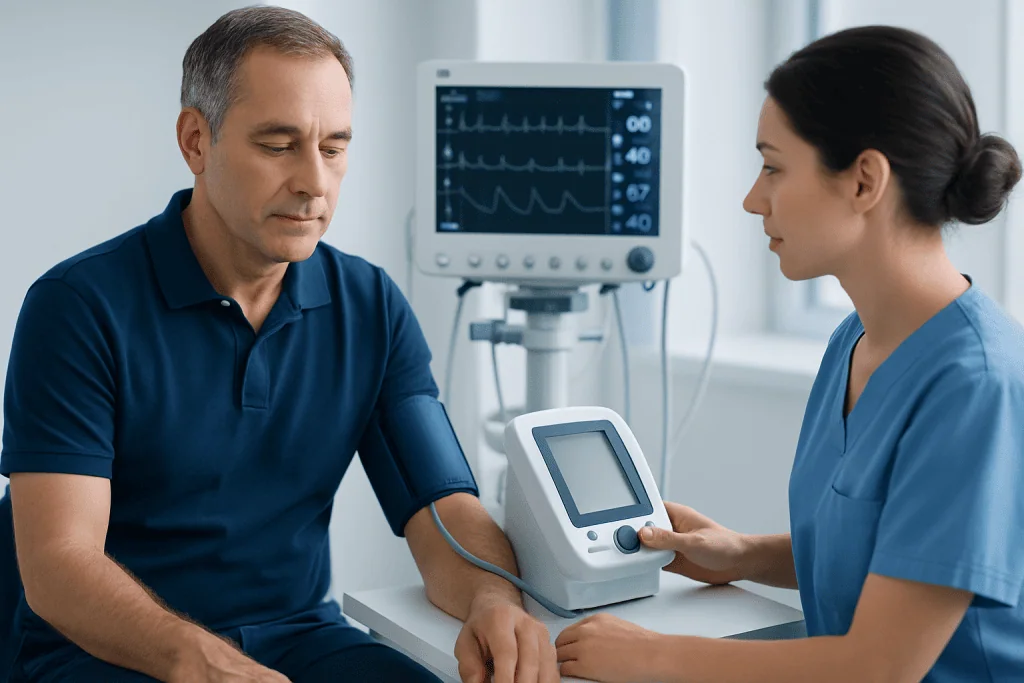
Chronic or sustained hypertension means blood pressure stays elevated across repeated measurements over time. Labile hypertension, by contrast, involves readings that move up and down, sometimes substantially. A person may have normal values at home but high values during stress, or normal readings on some days and spikes on others.
This distinction matters because treatment decisions are usually based on consistent patterns, not isolated peaks. Some people with labile hypertension eventually prove to have persistent high blood pressure, while others mainly have temporary rises related to triggers or the setting in which blood pressure is measured. One familiar example is “white coat” hypertension, in which office readings are higher than readings outside the clinic.
It is also important to separate labile hypertension from hypertensive urgency or emergency. Most fluctuating readings are not medical emergencies. However, very high blood pressure together with chest pain, shortness of breath, severe headache, confusion, weakness, or vision changes needs urgent assessment because it may signal damage to organs such as the brain, heart, or kidneys.
Symptoms and possible triggers

Many people with labile hypertension have no symptoms at all. When symptoms do occur, they may include headache, facial flushing, sweating, shakiness, a pounding heartbeat, chest discomfort, dizziness, or a sense of anxiety. These symptoms are not specific to blood pressure changes, which is why proper measurement is important before drawing conclusions.
Common triggers include emotional stress, panic, acute pain, poor sleep, excess caffeine, energy drinks, nicotine, alcohol, intense exercise, and certain over-the-counter medicines such as decongestants. Prescription medicines, withdrawal from some substances, and stimulant use can also play a role. Even talking during measurement, crossing the legs, or using a cuff that does not fit correctly can produce misleadingly high readings.
In some cases, fluctuating blood pressure may suggest another medical issue that deserves attention. Possible contributors include thyroid disease, kidney disease, sleep apnea, pregnancy-related blood pressure disorders, and rarer hormone-producing conditions. If symptoms are severe or episodes are frequent, a clinician may evaluate for related conditions such as arrhythmia or other cardiovascular problems.
- Stress or anxiety
- Pain or illness
- Caffeine, nicotine, or alcohol
- Exercise or poor sleep
- Certain medicines or stimulants
- Improper blood pressure measurement technique
Causes, risk factors, and who may be affected
Labile hypertension can affect adults of any age, but it is more often noticed in people who already have cardiovascular risk factors or who monitor their blood pressure regularly. Risk tends to be higher in those with a family history of hypertension, excess body weight, diabetes, kidney disease, high salt intake, sedentary habits, chronic stress, or older age. Smoking and untreated sleep apnea may also contribute to blood pressure instability.
Some people are especially sensitive to surges in stress hormones such as adrenaline. This can lead to short-lived but marked rises in blood pressure. Anxiety does not mean the readings are “imagined”; rather, the nervous system can temporarily raise blood pressure in a measurable way. At the same time, anxiety about the numbers themselves can create a cycle of repeated checking and repeated spikes.
Secondary causes are less common but important to consider when fluctuations are dramatic, difficult to explain, or accompanied by other symptoms. A doctor may look for kidney disorders, endocrine causes, medication effects, or vascular problems. If structural heart disease is suspected, evaluation may sometimes include tests associated with echocardiography to assess heart function and related strain.
How doctors diagnose it
Diagnosis starts with accurate blood pressure measurement. The person should be seated quietly for several minutes, with back supported, feet flat on the floor, and the arm at heart level. Caffeine, smoking, and exercise should be avoided for a short period beforehand when possible. A cuff that fits properly is essential. Because a single reading can be misleading, clinicians usually repeat measurements and may compare readings from more than one visit.
Home blood pressure monitoring is often very helpful. It gives a clearer picture of day-to-day patterns and may show whether office readings are unusually high. In some situations, a doctor may recommend 24-hour ambulatory monitoring, which records blood pressure during normal activities and sleep. This is one of the best ways to distinguish labile patterns from sustained hypertension or white coat effects.
Further evaluation depends on the overall picture. A clinician may review symptoms, medicines, stimulant use, sleep, stress levels, and family history. Blood and urine tests can help assess kidney function, blood sugar, cholesterol, thyroid status, or hormone-related causes. If there are symptoms suggesting heart disease, additional tests such as an electrocardiogram (ECG) may be used to look for rhythm issues or signs of strain.
Treatment and management options
Treatment depends on what is driving the fluctuations. If blood pressure is mostly normal outside of stressful moments, the main approach may be trigger reduction, home monitoring, and follow-up rather than immediate medication. If repeated readings confirm ongoing hypertension, treatment typically follows standard blood pressure care, which may include lifestyle changes and medication chosen by a physician.
Addressing triggers can make a meaningful difference. This may involve reviewing decongestants or stimulants, limiting caffeine, stopping smoking, moderating alcohol, improving sleep, treating sleep apnea, and using stress-management techniques. In some cases, managing anxiety or panic symptoms is part of care, especially when episodes are closely linked to stress responses.
When medicines are needed, doctors select them based on the person’s age, medical history, kidney function, heart risk, and overall blood pressure pattern. Medication should not be started, stopped, or adjusted without professional guidance. If symptoms or testing suggest a more complex cardiovascular issue, a broader assessment that may include cardiology evaluation can help guide safe, individualized care.
Self-care, monitoring, and prevention
Self-care begins with measuring blood pressure correctly and not overreacting to one unusual result. Keeping a simple log with the reading, time of day, symptoms, recent caffeine intake, stress, exercise, and medicines can reveal useful patterns. Repeated checking within minutes because of worry often adds confusion, so many doctors advise a consistent schedule instead.
General heart-healthy habits support more stable blood pressure over time. These include regular physical activity, a balanced eating pattern with reasonable sodium intake, maintaining a healthy weight, not smoking, limiting alcohol, and getting enough sleep. Relaxation practices such as slow breathing, mindfulness, or counseling may help people whose readings rise with stress.
People with diabetes, kidney disease, pregnancy, or known heart disease should be especially careful about follow-up because blood pressure fluctuations may have more significance in these settings. Near the end of the care pathway, some international patients may choose centers such as Acibadem International, where multidisciplinary specialists at JCI-accredited hospitals evaluate and treat blood pressure disorders and related conditions.
When to seek medical care
A medical appointment is advisable if blood pressure readings are repeatedly high, fluctuate widely without a clear reason, or are associated with troubling symptoms. It is also sensible to seek review if home readings and office readings differ greatly, if new medications seem to trigger spikes, or if there are risk factors such as kidney disease, diabetes, pregnancy, or a strong family history of cardiovascular disease.
Urgent medical care is needed if a very high reading occurs together with chest pain, severe shortness of breath, fainting, confusion, new weakness or numbness, trouble speaking, severe headache, or sudden vision changes. These symptoms may indicate a serious complication and should not be watched at home. Even without symptoms, advice from a qualified doctor is important when repeated readings remain above the target range recommended for that individual.
Frequently asked questions
Is labile hypertension the same as hypertension?
Not exactly. Labile hypertension describes blood pressure that rises and falls noticeably, while hypertension usually refers to blood pressure that stays high over repeated measurements. Some people with labile readings later prove to have sustained hypertension, which is why follow-up is important.
Can stress alone cause blood pressure spikes?
Yes, stress and anxiety can temporarily raise blood pressure through the body's natural hormone response. These changes are real and measurable, even when they are short-lived. However, repeated spikes still deserve attention, especially if they happen often or occur with symptoms.
How is labile hypertension diagnosed?
Doctors usually rely on repeated blood pressure readings over time rather than a single measurement. Home monitoring or 24-hour ambulatory monitoring is often used to see the true pattern. The doctor may also review symptoms, medications, sleep, and other possible causes.
Do people with labile hypertension need medication?
Not always. If the blood pressure is usually normal outside of temporary triggers, treatment may focus on monitoring and reducing those triggers. If repeated readings show ongoing high blood pressure or an underlying medical condition, medication may be recommended.
What should someone do during a blood pressure spike?
It is usually best to sit quietly, rest for a few minutes, and repeat the measurement using proper technique. Avoid panic, repeated immediate checks, or self-adjusting medication without advice. If the reading is very high and comes with chest pain, neurological symptoms, severe headache, or breathing problems, urgent care is needed.
Can caffeine or nicotine make labile hypertension worse?
Yes. Both caffeine and nicotine can raise blood pressure temporarily and may contribute to more noticeable fluctuations in sensitive individuals. Limiting or avoiding these triggers can help some people achieve more stable readings.
References
- American Heart Association
- Centers for Disease Control and Prevention
- National Heart, Lung, and Blood Institute
- European Society of Cardiology
- Mayo Clinic
This article is for general information only and is not a substitute for professional medical advice. Please consult a qualified doctor about your individual situation.
Hypertension in Turkey — costs, top hospitals & a free quote
JCI-accredited · board-certified surgeons · reply within 24h
Add us as a Preferred Source to see more of our trusted health content across Google Search, AI Overviews and Discover.
Check your numbers in seconds
BMI, calories, due date, blood pressure and 30+ more clinical calculators — free, instant, doctor-reviewed ranges.