Ingrown Eyelash: An Evidence-Based Guide for Patients
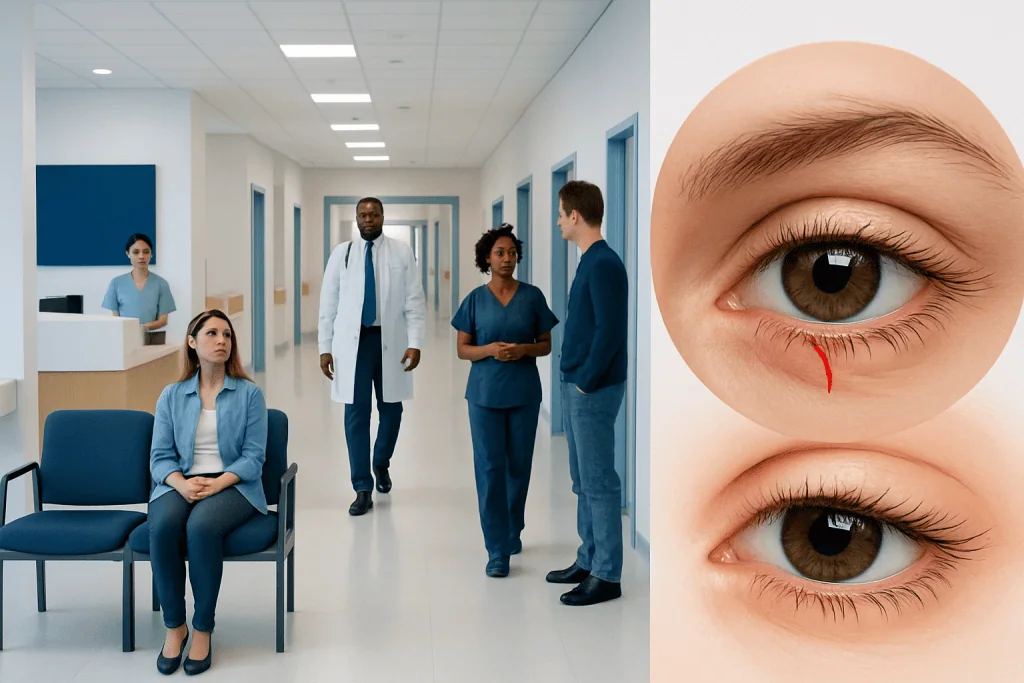
An ingrown eyelash is often a misdirected eyelash, medically called trichiasis. Common symptoms include eye irritation, watering, redness, light sensitivity, and a feeling that something is in the eye.
Key Takeaways
- An ingrown eyelash is often a misdirected eyelash, medically called trichiasis.
- Common symptoms include eye irritation, watering, redness, light sensitivity, and a feeling that something is in the eye.
- Repeated rubbing from the lash can scratch the cornea and increase the risk of infection or ongoing inflammation.
- Treatment may include careful lash removal, lubricating drops, treating the underlying eyelid problem, or procedures to prevent lashes from growing inward again.
- Medical assessment is important if symptoms are severe, recurrent, or associated with pain, discharge, or blurred vision.
An ingrown eyelash usually means an eyelash is misdirected and rubs against the surface of the eye or inner eyelid. It can cause irritation, tearing, redness, and a gritty sensation, but it is treatable and should be checked if symptoms persist or vision is affected.
Overview: what an ingrown eyelash means
An ingrown eyelash usually refers to a lash that grows in the wrong direction or bends inward so that it touches the eye. Doctors often describe this as trichiasis. Rather than growing outward away from the eye, the lash rubs on the clear front surface of the eye, called the cornea, or on the inner lining of the eyelid.
This rubbing can lead to discomfort that ranges from mild irritation to significant pain. People may notice constant watering, blinking, redness, or the feeling that a speck of dust is trapped in the eye. Because the eye surface is delicate, even one misdirected lash can cause ongoing symptoms.
An ingrown eyelash is different from some other eyelid conditions. For example, the problem may be the lash itself, but in other cases the eyelid margin turns inward, causing several lashes to touch the eye. A doctor may assess related problems such as entropion or other causes of eyelid malposition to guide the right treatment.
Symptoms and possible complications
The most common symptom of an ingrown eyelash is the sensation that something is in the eye. This foreign-body feeling may be constant or come and go with blinking. The eye may water more than usual because tears are part of the body’s attempt to protect and flush the surface.
Other symptoms can include redness, irritation, burning, light sensitivity, and discomfort when opening or closing the eye. Some people also notice blurred vision, especially if tearing is heavy or if the cornea becomes scratched. Recurrent blinking or rubbing of the eye may make symptoms worse.
If the lash continues to scrape the eye, the cornea can develop small abrasions. These scratches may become inflamed and can raise the risk of infection. Over time, repeated irritation can lead to more persistent eye-surface problems, so a seemingly small issue should not be ignored if it keeps returning.
- Gritty or scratchy feeling in the eye
- Excess tearing
- Redness of the eye or eyelid margin
- Light sensitivity
- Eye pain or tenderness
- Blurred vision or discomfort with blinking
Causes and risk factors
An ingrown eyelash may happen on its own, but it often has an underlying cause. In some people, a single follicle produces a lash that grows at an abnormal angle. In others, inflammation or scarring changes the position of the eyelid or lash line, making normal lashes turn inward.
Chronic eyelid inflammation, including blepharitis, is a common contributor. Previous eye infections, trauma, burns, surgery, or skin conditions that scar the eyelid may also play a role. Aging can sometimes affect eyelid support and make inward turning more likely. When the eyelid itself rotates inward, the condition may be related to inward-turning eyelid problems.
Risk factors include recurring eyelid infections, long-term irritation, autoimmune or inflammatory conditions that affect the eye surface, and a history of eyelid injury. Contact lens wear does not usually cause the lash to grow inward, but lenses can make irritation feel worse when a lash is already rubbing the eye.
Some people confuse an ingrown eyelash with a stye or chalazion because both can cause eyelid discomfort. However, a stye is an inflamed gland or hair follicle, while trichiasis is a lash-position problem. Accurate diagnosis helps avoid unnecessary self-treatment and protects the eye surface.
How doctors diagnose an ingrown eyelash
Diagnosis is usually straightforward during an eye examination. A doctor asks about symptoms such as tearing, pain, light sensitivity, and episodes that keep coming back. The eyelids and lashes are then inspected closely, often with magnification, to identify any lash that is touching the eye.
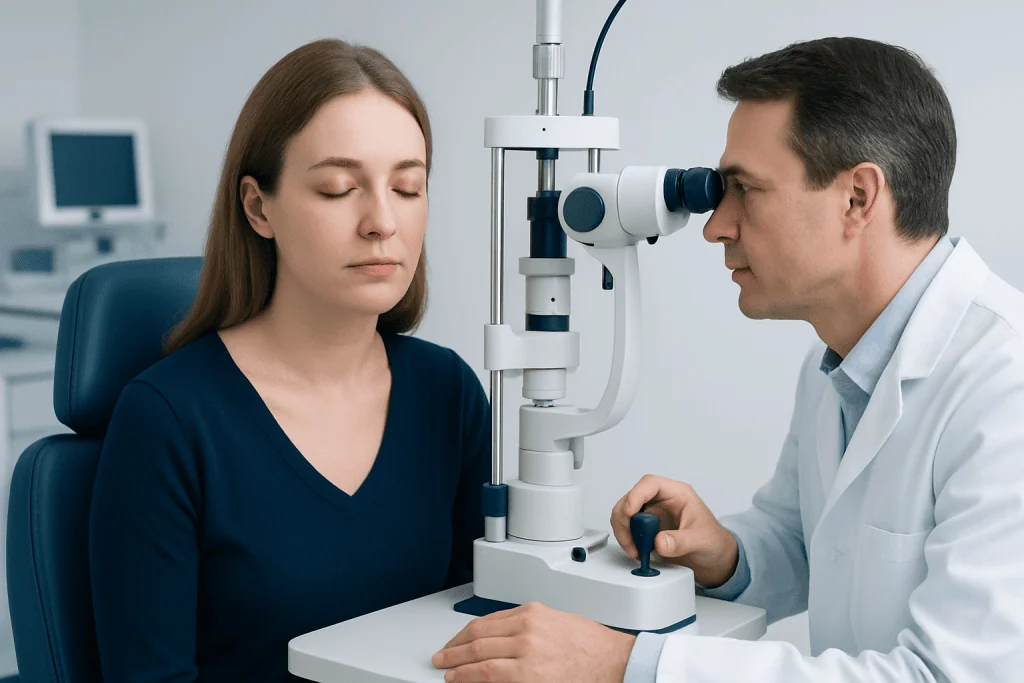
The surface of the eye may also be checked for scratches or inflammation. In many clinics, the doctor uses a slit-lamp microscope, which provides a detailed, painless view of the lashes, eyelid margin, tear film, conjunctiva, and cornea. This helps show whether the problem is a single lash, a group of lashes, or an eyelid-position disorder.
Diagnosis also includes looking for contributing conditions. The doctor may assess for blepharitis, dry eye, previous scarring, or lid malposition. In some cases, treatment of the lash alone is not enough unless the underlying eyelid problem is also addressed.
Treatment options
Treatment depends on how many lashes are involved, how often the problem recurs, and whether the cornea has been affected. If there is a single offending lash, a doctor may remove it carefully using sterile forceps. This can provide quick relief, but the lash may grow back, so follow-up may be needed.
Lubricating eye drops or ointment may be recommended to reduce friction and soothe the eye surface while it heals. If there is inflammation, infection, or an eyelid condition such as blepharitis, treatment is directed at the cause as well. People should avoid trying to pluck deeply embedded lashes at home, especially if they cannot clearly see the eyelid margin.
For recurrent cases, the goal is often to prevent the lash from growing inward again. Doctors may use procedures that target the hair follicle, such as electrolysis, laser treatment, or cryotherapy in selected patients. If the main issue is eyelid position rather than one lash, corrective eyelid surgery for entropion may be considered.
When corneal injury is present, protecting the eye becomes the priority. This may include closer monitoring and treatment to allow the surface to recover safely. In more complex or repeated cases, assessment by an ophthalmology team can help decide whether specialized eye surgery or another procedure is the most appropriate long-term option.
Self-care and prevention
Self-care should focus on protecting the eye rather than forcing the lash out. Artificial tears may help reduce discomfort and support the eye surface until a doctor can examine the problem. Keeping the eyelid area clean can also help, especially if blepharitis or crusting is present.
It is best not to rub the eye, since rubbing can worsen irritation and may scratch the cornea further. Tweezers, fingernails, and cosmetic tools can injure the eyelid or introduce infection if used without proper technique and lighting. Contact lenses should generally be avoided until the eye feels normal and a clinician confirms that the surface is healthy.
Prevention often involves managing underlying eyelid disease. Warm compresses and regular lid hygiene may be advised for chronic blepharitis. Treating dry eye, avoiding irritants, and attending follow-up visits when lashes keep growing inward can reduce repeated damage to the eye surface.
- Use preservative-free lubricating drops if recommended
- Keep eyelids clean if crusting or blepharitis is present
- Avoid eye rubbing and unnecessary touching
- Pause contact lens use if the eye is irritated
- Seek medical advice for recurrent episodes
When to seek medical care
Medical care is advisable if symptoms last more than a short time, keep returning, or are difficult to relieve. Even one lash can repeatedly scrape the cornea, and the eye may not heal fully if the source of irritation remains in place. A professional exam is especially important for children, older adults, and anyone who has trouble describing symptoms clearly.
Prompt assessment is needed if there is significant pain, thick discharge, worsening redness, light sensitivity, blurred vision, or a visible injury to the eye. These signs can suggest a corneal abrasion, infection, or another condition that needs treatment. Sudden vision changes should always be assessed urgently.
Near the end of care planning, some patients may need coordinated treatment for both the eyelash and the eyelid. Acibadem International’s multidisciplinary specialists and JCI-accredited hospitals diagnose and treat eye and eyelid conditions for international patients, including cases that may benefit from oculoplastic surgery when eyelid structure is involved.
Frequently asked questions
Is an ingrown eyelash the same as trichiasis?
In many patient discussions, an ingrown eyelash refers to trichiasis, which means an eyelash is misdirected toward the eye. The lash may not truly grow under the skin, but it still rubs the eye surface and causes irritation.
Can an ingrown eyelash go away on its own?
Sometimes symptoms improve if a loose lash falls out or stops touching the eye. However, if the lash keeps rubbing the eye, the problem usually returns and may need medical treatment.
Is it safe to pull out an ingrown eyelash at home?
Home removal is not always safe, especially if the lash is hard to see or the eye is already irritated. Improper removal can scratch the cornea or injure the eyelid, so medical removal is safer when symptoms are significant or recurrent.
What happens if an ingrown eyelash is left untreated?
An untreated lash can keep scraping the surface of the eye and cause ongoing redness, tearing, pain, and sensitivity to light. In some cases, repeated friction can lead to corneal scratches, inflammation, or infection.
Why does my ingrown eyelash keep coming back?
Recurring episodes may happen when the eyelash follicle keeps producing a lash in the wrong direction. They can also be linked to blepharitis, eyelid scarring, or an eyelid that turns inward, so treating the cause is often important.
When should blurred vision with an ingrown eyelash be taken seriously?
Blurred vision should be assessed promptly if it is persistent, worsening, or accompanied by pain, discharge, marked redness, or light sensitivity. These symptoms can suggest corneal involvement or another eye problem that needs urgent evaluation.
References
- American Academy of Ophthalmology
- National Eye Institute
- Mayo Clinic
- Merck Manual Consumer Version
This article is for general information only and is not a substitute for professional medical advice. Please consult a qualified doctor about your individual situation.
Explore treatments in Turkey — costs, top hospitals & a free quote
JCI-accredited · board-certified surgeons · reply within 24h
Add us as a Preferred Source to see more of our trusted health content across Google Search, AI Overviews and Discover.