Gerontologist — Explained by Medical Evidence, Not Myths

A gerontologist specializes in aging and age-related health, function, and wellbeing. Not every gerontologist is a physician; some are doctors, while others work in nursing, psychology, rehabilitation, or social care.
Key Takeaways
- A gerontologist specializes in aging and age-related health, function, and wellbeing.
- Not every gerontologist is a physician; some are doctors, while others work in nursing, psychology, rehabilitation, or social care.
- A geriatrician is a medical doctor for older adults, while gerontology is the broader field of aging.
- Gerontologists often help when several health issues, medications, memory concerns, or mobility problems overlap.
- Care usually focuses on independence, safety, symptom relief, and quality of life.
A gerontologist is a professional who specializes in aging and the needs of older adults. Depending on training, a gerontologist may focus on medical care, mental health, mobility, memory, social support, or healthy aging strategies rather than treating only one disease.
What a Gerontologist Is
A gerontologist is a specialist in aging. This means the person studies or treats the physical, mental, social, and functional changes that can happen later in life. In practical terms, a gerontologist helps older adults and their families understand age-related health concerns, maintain independence, and make informed care decisions.
The term can describe different professionals. Some gerontologists are physicians, often called geriatricians, who diagnose and treat medical conditions in older adults. Others may be nurses, psychologists, physiotherapists, occupational therapists, pharmacists, dietitians, or social workers with advanced expertise in aging. Because aging affects many parts of life at once, care is often team-based.
Medical evidence shows that older adults may have several conditions at the same time, along with changing mobility, memory, nutrition, sleep, and medication needs. A gerontologist looks at the whole person rather than focusing on a single organ or diagnosis. This whole-person approach can be especially helpful when symptoms are complex or do not fit neatly into one specialty.
Gerontologist vs Geriatrician: Why the Difference Matters
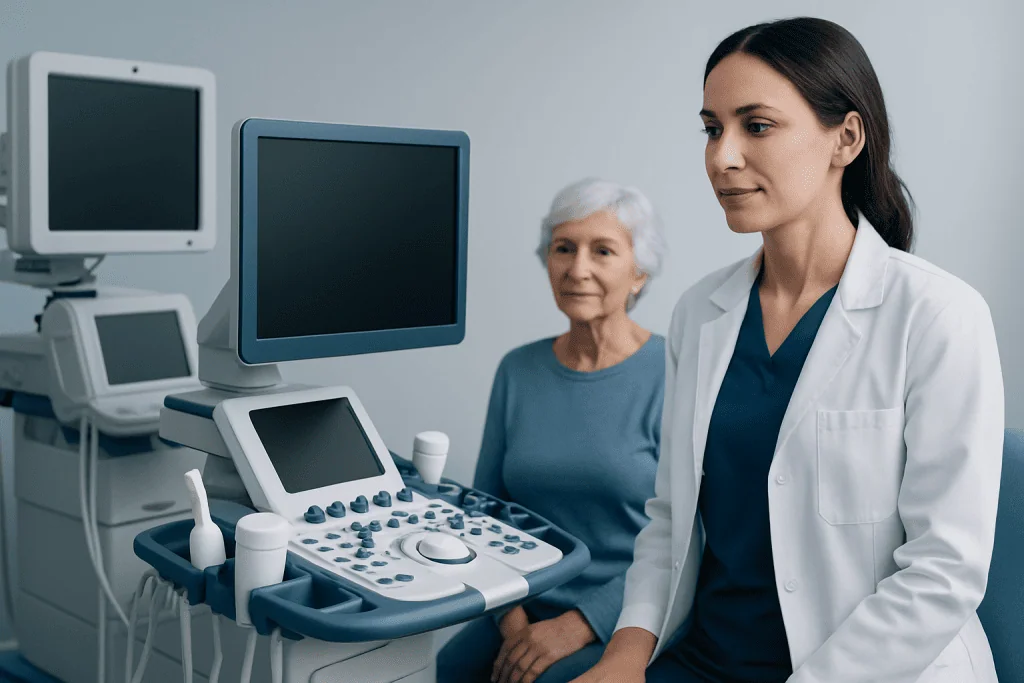
People often use the words interchangeably, but they are not exactly the same. Gerontology is the broad field that studies aging. A gerontologist is any trained professional working in that field. A geriatrician is a medical doctor who specializes in caring for older adults.
This difference matters because the right professional depends on the person’s needs. If someone needs evaluation for multiple illnesses, medication side effects, falls, or confusion, a geriatrician may be the most direct choice. If the main concern involves coping skills, care planning, home safety, rehabilitation, nutrition, or support for daily living, another type of gerontologist may be central to care.
In many situations, the best care combines both medical and non-medical expertise. For example, an older adult with memory changes may need medical assessment, functional testing, and family support planning. A team may also evaluate related conditions such as Alzheimer’s disease or other causes of cognitive decline.
What Problems a Gerontologist Helps With

A gerontologist may help with common issues linked to aging, but the goal is not to label normal aging as disease. Instead, the focus is on understanding which changes are expected, which may signal a treatable medical problem, and which services may improve daily life.
Common concerns include memory changes, balance problems, falls, frailty, sleep difficulties, unintentional weight loss, medication management, chronic pain, low mood, social isolation, and trouble with daily tasks such as bathing, dressing, cooking, or managing finances. Some older adults also need guidance after hospitalization or during recovery from surgery or illness.
A gerontologist may also support people with complex chronic conditions that become more common with age, including Parkinson’s disease, osteoporosis, heart disease, arthritis, diabetes, and dementia. When several issues affect function at once, a broader aging-focused assessment can be more useful than treating each problem in isolation.
- Falls and reduced mobility
- Memory and thinking concerns
- Polypharmacy, or taking many medications
- Nutrition, weakness, and frailty
- Mood changes, anxiety, or caregiver stress
- Planning for safe, independent living
How a Gerontologist Assesses an Older Adult
Assessment usually starts with a detailed conversation about symptoms, medical history, medications, mood, sleep, mobility, memory, nutrition, and social support. Many aging-related problems do not have a single cause. For that reason, the evaluation often includes both medical and functional questions, including how well a person manages daily activities at home.
In medical settings, the clinician may perform a comprehensive geriatric assessment. This is a structured review of physical health, thinking and memory, emotional wellbeing, medications, balance, hearing and vision, continence, and risk factors such as falls or dehydration. The purpose is to identify treatable problems, set realistic goals, and reduce avoidable complications.
Diagnostic tests depend on the situation. They may include blood tests, medication review, screening for depression, cognitive tests, mobility assessment, and imaging if there are specific neurological or structural concerns. When needed, the team may coordinate advanced evaluation such as brain MRI or a preventive health check-up to clarify underlying causes.
What Treatment and Support Can Include
Treatment in gerontology is individualized. It may involve medical treatment for disease, but it often also includes rehabilitation, medication simplification, nutrition support, exercise planning, sleep strategies, home safety adjustments, and education for family members. The aim is to improve function and comfort while respecting the person’s priorities.
Medication review is especially important in older adults. A gerontologist may look for drugs that interact, cause dizziness, worsen confusion, or increase fall risk. Small changes in a medication plan can sometimes improve alertness, balance, appetite, or blood pressure stability. Any medication changes should be made only under the guidance of a qualified clinician.
Rehabilitation and supportive therapies can also play a major role. Depending on needs, care may include physical therapy and rehabilitation to improve strength and balance, as well as cognitive, psychological, or social support. For patients with complex needs, multidisciplinary specialists at Acibadem International’s JCI-accredited hospitals also provide diagnosis and treatment for international patients.
Healthy Aging, Prevention, and Self-Care
Not everyone who sees a gerontologist is seriously ill. Many appointments focus on healthy aging and prevention. Evidence-based habits can support function and independence, even when chronic illness is present. Prevention in later life usually centers on preserving strength, mobility, cognition, and social connection.
Useful strategies include regular physical activity suited to the individual, good nutrition with enough protein and fluids, review of hearing and vision, fall-proofing the home, staying mentally and socially active, and keeping chronic conditions well controlled. Vaccination, sleep care, and regular review of medications are also important.
Families and caregivers also benefit from planning ahead. Discussions about driving, finances, memory support, mobility aids, and future care preferences can reduce stress later on. A gerontologist can help guide these conversations in a practical, patient-centered way.
- Stay active with balance, strength, and endurance exercises if medically appropriate
- Schedule regular hearing, vision, and medication reviews
- Seek help early for memory changes, falls, or unintended weight loss
- Maintain social contact and cognitive stimulation
- Ask about nutrition, bone health, and preventive screenings
When to Seek Medical Care
It is reasonable to seek medical care if an older adult develops new confusion, repeated falls, fainting, sudden weakness, worsening memory, major changes in mood, trouble walking, unexplained weight loss, or difficulty managing daily activities. These issues are not always just part of normal aging, and some have treatable causes.
Prompt evaluation is also important if there are medication concerns, increasing caregiver strain, or signs that living alone may no longer be safe. Families often notice subtle changes first, such as missed bills, forgotten meals, or increasing isolation. Bringing these observations to a clinician can help guide the assessment.
Emergency care is needed for chest pain, signs of stroke, severe shortness of breath, major injury after a fall, or sudden severe confusion. For non-emergency concerns, a primary care doctor, geriatrician, neurologist, psychiatrist, rehabilitation specialist, or another trained gerontologist can help decide the next steps.
Frequently asked questions
What does a gerontologist do?
A gerontologist specializes in aging and the needs of older adults. Depending on professional training, this may include medical evaluation, rehabilitation, mental health support, medication review, care planning, or advice on maintaining independence and quality of life.
Is a gerontologist the same as a geriatrician?
No. A geriatrician is a medical doctor who treats older adults, while a gerontologist is a broader term for a professional trained in the field of aging. Some gerontologists are physicians, but many are not.
At what age should someone see a gerontologist?
There is no single age threshold. A person may benefit when aging-related concerns begin to affect memory, mobility, medications, daily function, or caregiver needs. Some people also seek advice proactively for healthy aging and prevention.
Do memory problems always mean dementia?
No. Memory changes can result from many causes, including medication side effects, poor sleep, depression, vitamin deficiencies, thyroid problems, or acute illness. A proper assessment helps distinguish normal aging from mild cognitive impairment, dementia, or other treatable conditions.
Can a gerontologist help prevent falls?
Yes. Fall prevention is a common part of aging-focused care. Assessment may include balance, strength, vision, medications, footwear, blood pressure, and home safety, followed by practical steps to lower risk.
Does seeing a gerontologist mean a person is seriously ill?
Not necessarily. Many people see a gerontologist for prevention, healthy aging guidance, or help managing several manageable issues at once. The goal is often to preserve independence and function, not only to treat severe disease.
References
- World Health Organization
- National Institute on Aging
- American Geriatrics Society
- Centers for Disease Control and Prevention
- National Institute for Health and Care Excellence
This article is for general information only and is not a substitute for professional medical advice. Please consult a qualified doctor about your individual situation.
Explore treatments in Turkey — costs, top hospitals & a free quote
JCI-accredited · board-certified surgeons · reply within 24h
Add us as a Preferred Source to see more of our trusted health content across Google Search, AI Overviews and Discover.