Atypical Anorexia — Explained by Medical Evidence, Not Myths

Atypical anorexia involves restrictive eating, fear of weight gain, and body-image distress without being underweight. Normal or higher body weight does not make the condition less serious or less medically risky.
Key Takeaways
- Atypical anorexia involves restrictive eating, fear of weight gain, and body-image distress without being underweight.
- Normal or higher body weight does not make the condition less serious or less medically risky.
- Diagnosis depends on symptoms, behaviors, and health effects, not weight alone.
- Treatment usually combines medical monitoring, nutrition rehabilitation, and mental health care.
- Early support can improve recovery and reduce complications.
Atypical anorexia is a serious eating disorder in which a person has the thoughts, behaviors, and medical risks seen in anorexia nervosa, even though their weight is not below the expected range. Medical evidence shows that it can cause significant physical and emotional harm and deserves the same careful evaluation and treatment as other eating disorders.
What atypical anorexia means
Atypical anorexia is an eating disorder recognized within the same clinical group as anorexia nervosa. The key difference is that the person meets the psychological and behavioral features of anorexia, such as severe food restriction, intense fear of gaining weight, and a distorted experience of body shape or weight, but their body weight is not below the expected range. This can include people whose weight is average, above average, or who have had a marked weight loss but still do not appear underweight.
This diagnosis matters because the medical effects of starvation and rapid weight loss do not depend only on appearance. A person may look “healthy” to others while experiencing slowed heart rate, dizziness, hormonal changes, low energy, poor concentration, gastrointestinal problems, and emotional distress. For that reason, clinicians do not judge severity by weight alone.
Atypical anorexia is not a fad diet, a matter of willpower, or simply “healthy eating gone too far.” It is a real mental health condition with physical consequences. It may occur on its own or alongside anxiety, depression, obsessive traits, trauma-related symptoms, or other forms of eating disorders.
Signs and symptoms to notice
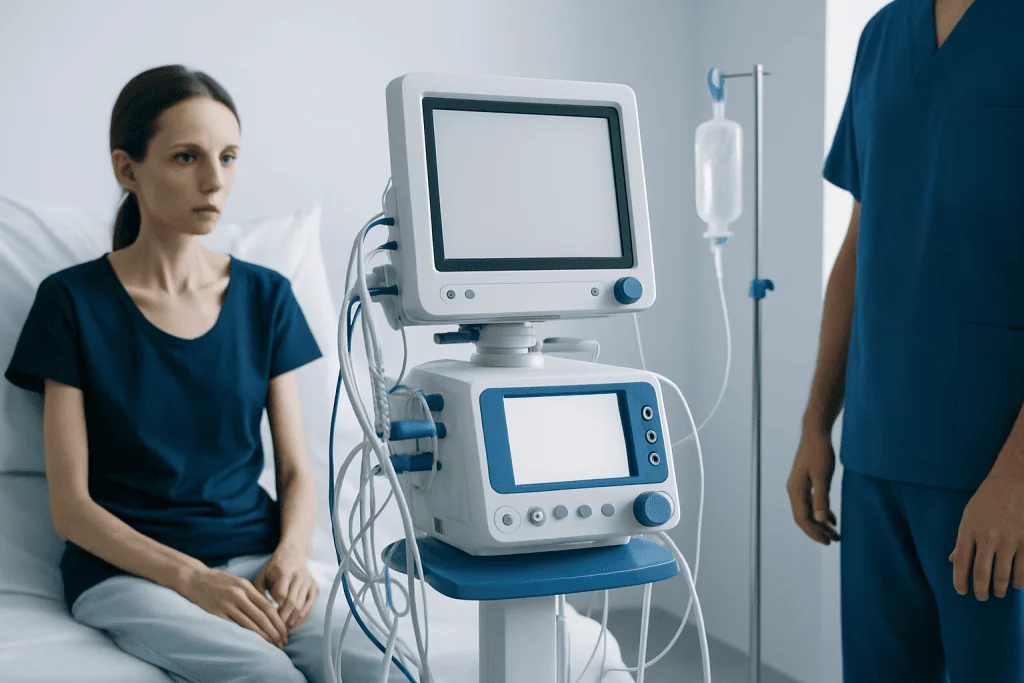
The symptoms of atypical anorexia often develop gradually. Some signs are emotional and behavioral, while others are physical. Family members may first notice rigid food rules, skipped meals, withdrawal from social eating, or frequent body checking. The person may feel overwhelmed by guilt after eating, persistent fear about gaining weight, or a strong belief that they must keep losing weight despite health concerns.
Physical symptoms can reflect inadequate nutrition and dehydration. These may include fatigue, feeling cold, fainting or near-fainting, constipation, abdominal discomfort, hair thinning, sleep problems, headaches, irritability, trouble concentrating, and changes in menstrual cycles. In some people, athletic performance declines even if they continue to exercise heavily.
Common warning signs include:
- Marked restriction of food intake or avoidance of entire food groups
- Intense fear of gaining weight
- Preoccupation with calories, weight, shape, or “clean” eating
- Compulsive or driven exercise
- Rapid or significant weight loss
- Eating alone, hiding food behaviors, or avoiding meals with others
- Dizziness, weakness, or feeling cold much of the time
Some people also have episodes of binge eating, self-induced vomiting, misuse of laxatives, or diet pills. These behaviors require urgent clinical attention because they can quickly affect heart rhythm, hydration, and electrolyte balance.
Why it happens and who is at risk

There is no single cause of atypical anorexia. Like other eating disorders, it usually develops through a mix of biological, psychological, and social factors. A person may have a genetic tendency toward anxiety, perfectionism, compulsive traits, or mood disorders. Stressful life events, bullying, trauma, weight stigma, or repeated comments about shape and size can also contribute.
Dieting is a common starting point, especially when it becomes rigid and emotionally charged. This may begin after a health-related recommendation, sports pressure, social media exposure, or a desire to change appearance. For some people, early weight loss brings praise from others, which can unintentionally reinforce restriction even as the behavior becomes harmful.
Atypical anorexia can affect adolescents, adults, women, men, and people of any body size. It may be overlooked in people living in larger bodies because myths about who can develop an eating disorder remain common. It can also occur in athletes, dancers, and people managing chronic conditions where food and weight have become central concerns.
It is important not to confuse atypical anorexia with ordinary attempts to eat more carefully. The difference is the level of distress, rigidity, functional impairment, and medical impact. If concerns overlap with low mood, anxiety, or obsessive thinking, assessment for depression or related mental health conditions may also be helpful.
How doctors diagnose atypical anorexia
Diagnosis starts with a detailed history rather than a number on the scale. A clinician asks about eating patterns, recent weight change, fear of weight gain, body image, exercise habits, bingeing or purging behaviors, menstrual history, energy level, concentration, and mood. They also ask how symptoms affect school, work, relationships, and daily life.
A physical examination helps identify medical consequences of undernutrition. Doctors may check pulse, blood pressure, temperature, hydration, and signs such as dizziness on standing. Blood tests are often used to look at electrolytes, kidney function, liver function, blood counts, thyroid-related issues, and nutritional effects. An electrocardiogram may be needed if there are concerns about heart rate or rhythm.
One of the most important points in diagnosis is that the pattern of restriction and fear matters even if the person is not underweight. Significant weight suppression, meaning a person has lost a substantial amount of weight from their previous baseline, can signal serious risk. This is why atypical anorexia is not a “milder” problem simply because weight appears to be within or above the expected range.
Because complications can involve several organ systems, assessment may include specialists in internal medicine, adolescent medicine, psychiatry, psychology, or nutrition. Where needed, clinicians may use hospital-based check-up assessments and cardiac review to guide safe treatment planning.
Health risks and complications
The main medical risk in atypical anorexia comes from malnutrition and rapid or sustained weight loss. The body adapts to energy shortage by slowing down many functions. Heart rate and blood pressure may drop, circulation can become less efficient, and the person may feel faint, weak, or unusually cold. Concentration, mood, sleep, and digestion are also commonly affected.
Hormonal changes can lead to irregular or absent menstrual periods, reduced sex hormones, lower bone density, and fertility problems. In younger people, growth and pubertal development may be disrupted. Constipation, bloating, and abdominal pain are frequent and can make eating even harder, creating a cycle that reinforces restriction.
Psychological risks are equally important. Atypical anorexia can bring social isolation, worsening anxiety, depressed mood, irritability, and obsessive food-related thinking. In some people, these symptoms overlap with obsessive-compulsive disorder traits or self-harm risk, which should always be addressed directly and compassionately.
Complications can become severe even when a person does not appear thin. That is why early evaluation is recommended for unexplained weight loss, restrictive eating, or a strong fear of weight gain. Timely care can reduce the risk of medical instability and support a safer recovery process.
Treatment and recovery approach
Treatment for atypical anorexia usually combines medical care, nutritional rehabilitation, and psychological therapy. The goals are to restore adequate nutrition, monitor physical safety, reduce eating-disorder behaviors, and address the thoughts and feelings that keep the illness going. Recovery is individualized because medical status, age, family support, and coexisting mental health needs differ from person to person.
Nutrition care focuses on rebuilding regular, sufficient eating in a structured and sustainable way. This is often guided by a dietitian experienced in eating disorders. The process may include meal planning, reducing food rules, addressing fear foods, and learning how the body responds during refeeding. In medically unstable cases, more intensive monitoring or hospital treatment may be necessary.
Psychological treatment may include family-based treatment for adolescents, cognitive behavioral therapy, or other evidence-based therapies that target rigid beliefs about weight, shape, and control. If anxiety, depression, or trauma symptoms are also present, treatment typically addresses these alongside the eating disorder. Some patients may benefit from coordinated psychiatric care and psychiatry support as part of a broader plan.
Medical teams also monitor complications such as slow heart rate, dehydration, electrolyte problems, bone health concerns, and hormonal changes. Depending on symptoms, care may involve nutrition and diet counseling and support from internal medicine or pediatric specialists. Near the end of the care pathway, Acibadem International’s multidisciplinary specialists in JCI-accredited hospitals provide diagnosis and treatment for international patients with eating disorders and related medical concerns.
Self-care, family support, and prevention
Self-care does not replace professional treatment, but it can support recovery. Helpful steps include following a regular meal pattern recommended by the care team, limiting body-checking behaviors, reducing exposure to triggering social media content, and keeping medical follow-up appointments. Gentle routines for sleep, hydration, and stress management can also make recovery feel more stable.
Family and friends play an important role. Support is usually most effective when it is calm, consistent, and nonjudgmental. Rather than focusing on appearance, loved ones can ask about energy, mood, eating patterns, and how the person is coping. Shared meals, practical help, and encouragement to continue treatment often make a meaningful difference.
Prevention is not about policing food choices. It is more useful to promote flexible eating, realistic body expectations, and respectful language about weight and health. Clinicians and families should be cautious about praising weight loss without understanding how it happened, especially in children, teens, or anyone showing rigid food behaviors.
If someone is trying to recover, it helps to remember that progress is rarely perfectly linear. Temporary setbacks can happen. What matters is early recognition, renewed support, and returning to the treatment plan rather than responding with shame or blame.
When to seek medical care
Medical care should be sought if a person is significantly restricting food, losing weight rapidly, avoiding meals, exercising compulsively, or showing intense fear of gaining weight. An evaluation is also important if they feel faint, weak, short of breath, unusually cold, or unable to concentrate, or if periods have stopped or become irregular.
Urgent care is needed for chest pain, fainting, confusion, severe dehydration, repeated vomiting, suicidal thoughts, or signs that the person is medically unstable. In children and adolescents, any concerning weight loss, slowed growth, or strong food-related anxiety should be assessed promptly. Early help can improve safety and make recovery more manageable.
If there is uncertainty, it is still reasonable to ask a qualified doctor, pediatrician, or mental health professional for guidance. Eating disorders are easier to miss than many other illnesses because they are not always visible. Seeking advice early is a protective step, not an overreaction.
Frequently asked questions
Is atypical anorexia a real eating disorder?
Yes. Atypical anorexia is a recognized eating disorder in which a person has anorexia-type thoughts and behaviors without being underweight. It can still cause serious medical and emotional complications and should be assessed by qualified professionals.
How is atypical anorexia different from anorexia nervosa?
The main difference is weight status, not the seriousness of the illness. In atypical anorexia, the person may be within or above the expected weight range, but they still experience restrictive eating, fear of weight gain, and health effects related to undernutrition or weight loss.
Can someone have atypical anorexia if they are in a larger body?
Yes. Eating disorders can affect people of any body size. A larger body does not rule out malnutrition, dangerous restriction, or the need for treatment.
What are the first signs families often notice?
Families may notice skipped meals, rigid food rules, avoidance of eating with others, frequent weighing, or increased exercise. Mood changes, irritability, fatigue, dizziness, and growing anxiety around food are also common early signs.
Does treatment always require hospitalization?
No. Many people are treated as outpatients with coordinated medical, nutrition, and mental health support. Hospitalization is usually reserved for medical instability, severe malnutrition, dehydration, abnormal heart findings, or safety concerns.
Can people recover from atypical anorexia?
Yes, recovery is possible with timely and appropriate care. Treatment often improves physical health, reduces eating-disorder behaviors, and helps the person build a healthier relationship with food, weight, and body image.
References
- American Psychiatric Association
- National Institute of Mental Health
- National Eating Disorders Association
- Academy for Eating Disorders
- World Health Organization
This article is for general information only and is not a substitute for professional medical advice. Please consult a qualified doctor about your individual situation.
Explore treatments in Turkey — costs, top hospitals & a free quote
JCI-accredited · board-certified surgeons · reply within 24h
Add us as a Preferred Source to see more of our trusted health content across Google Search, AI Overviews and Discover.
Check your numbers in seconds
BMI, calories, due date, blood pressure and 30+ more clinical calculators — free, instant, doctor-reviewed ranges.

More from the Health Library



Related Specialists

Prof. Dr. Hakan Murat Göksel
Neurosurgery
Asst. Prof. Dr. Ceren Meriç Özgündüz
Psychiatry
Dr. Etem Aytaç Yazar
Orthopedic Surgery & Traumatology
Assoc. Prof. Dr. Mahmut Subaşı
Thoracic Surgery