Brain Aneurysm Survival Rate — Explained by Medical Evidence, Not Myths

The most important factor in brain aneurysm survival rate is whether the aneurysm has ruptured. Many unruptured brain aneurysms are found incidentally and may have a good outlook with monitoring or treatment.
Key Takeaways
- The most important factor in brain aneurysm survival rate is whether the aneurysm has ruptured.
- Many unruptured brain aneurysms are found incidentally and may have a good outlook with monitoring or treatment.
- A ruptured aneurysm can cause life-threatening bleeding around the brain and needs urgent hospital care.
- Early diagnosis, specialist treatment, and prevention of complications strongly influence recovery.
- Risk reduction includes blood pressure control, avoiding smoking, and following a doctor’s advice on imaging and treatment.
Brain aneurysm survival rate varies greatly depending on whether the aneurysm has ruptured, how quickly treatment begins, and the person’s overall health. Unruptured aneurysms may never cause symptoms and can often be monitored or treated successfully, while a ruptured aneurysm is an emergency that requires immediate care.
Overview: what brain aneurysm survival rate really means
Brain aneurysm survival rate cannot be reduced to one simple number. From a medical point of view, outlook depends first on whether the aneurysm is unruptured or ruptured. An unruptured aneurysm may remain stable for years and may never bleed, while a ruptured aneurysm causes sudden bleeding around the brain and becomes a medical emergency.
This is why broad survival claims found online can be misleading. They often combine very different situations, such as small aneurysms discovered incidentally and severe ruptures complicated by stroke, swelling, or delayed treatment. A more accurate way to understand prognosis is to look at the person’s specific condition, the aneurysm’s size and location, and how quickly expert care is provided.
A brain aneurysm is a weakened, bulging area in the wall of a brain artery. If it leaks or bursts, it can lead to subarachnoid hemorrhage, a serious type of bleeding around the brain. Some aneurysms are diagnosed before they rupture during imaging performed for headaches, dizziness, or unrelated reasons, which creates a very different outlook than emergency presentation.
In clinical practice, doctors discuss survival together with functional recovery. Survival matters, but so do brain function, speech, movement, memory, and independence after treatment. For this reason, careful assessment by specialists in brain aneurysm care is essential.
Why survival and recovery vary so much
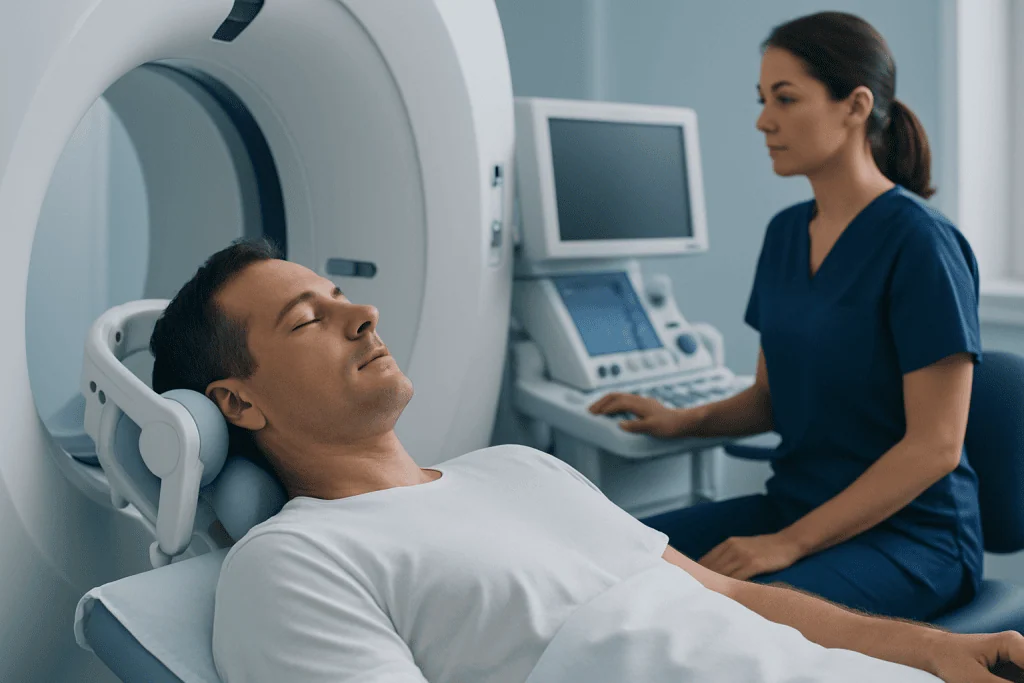
The strongest predictor of outcome is rupture status. Unruptured aneurysms usually have a more favorable outlook because treatment decisions can be planned. Doctors can evaluate the aneurysm’s size, shape, and position, then decide whether observation or preventive treatment offers the best balance of benefit and risk.
When an aneurysm ruptures, the situation changes immediately. Bleeding can increase pressure inside the skull, reduce blood flow to brain tissue, and trigger complications such as vasospasm, hydrocephalus, seizures, or a second bleed. Each of these problems can affect both survival and long-term recovery.
Age and general health also matter. People with uncontrolled high blood pressure, smoking history, heart or lung disease, or poor overall health may face more treatment risks or complications. At the same time, a younger person is not automatically protected; aneurysm behavior depends heavily on the anatomy of the blood vessel and the severity of the bleed.
Timing is another key factor. Fast recognition of symptoms, rapid brain imaging, and treatment in a hospital experienced in neurovascular emergencies can improve the chances of survival and reduce disability. In many cases, care involves neurologists, neurosurgeons, interventional neuroradiologists, and intensive care teams working together.
Symptoms and warning signs

Many unruptured brain aneurysms cause no symptoms at all. They may be found during scans done for another reason. When symptoms do occur, they can include headache, pain behind the eye, changes in vision, double vision, eyelid drooping, facial numbness, or trouble with balance, depending on the aneurysm’s location and whether it presses on nearby nerves.
A ruptured aneurysm often causes a sudden, severe headache that is commonly described as the worst headache of a person’s life. This may happen along with nausea, vomiting, neck stiffness, sensitivity to light, fainting, confusion, seizures, or sudden weakness. These symptoms require emergency medical attention.
Some aneurysms may leak slightly before a major rupture. A so-called warning headache can occur days or hours earlier, though not everyone experiences this. Because there is no safe way to tell at home whether a sudden severe headache is due to an aneurysm, urgent evaluation is always important.
- Sudden severe headache
- Loss of consciousness or fainting
- New confusion, seizures, or severe drowsiness
- Weakness, numbness, or speech difficulty
- Sudden vision changes or double vision
Causes, risk factors, and rupture risk
Brain aneurysms form when part of an artery wall becomes weak. This can be related to inherited vessel wall differences, long-term stress on the artery, or structural changes that develop over time. Not every aneurysm will rupture, and doctors estimate rupture risk by considering the aneurysm’s size, shape, and exact location in the brain circulation.
Well-known risk factors include high blood pressure, smoking, and a family history of aneurysm or subarachnoid hemorrhage. Certain connective tissue disorders and polycystic kidney disease can also increase risk. Female sex and increasing age are associated with higher aneurysm prevalence, though aneurysms can occur in many adults.
Rupture risk is not determined by size alone. Some small aneurysms may still be considered concerning if they have an irregular shape, are growing over time, or are located in higher-risk arterial segments. Conversely, some aneurysms may be monitored rather than treated immediately if the estimated rupture risk is low and treatment risk is higher.
Doctors sometimes compare aneurysm-related bleeding risk with other vascular conditions, but they are not the same. For example, an aneurysm differs from stroke, although rupture can lead to a form of hemorrhagic stroke. Understanding this distinction helps patients interpret prognosis more accurately.
How doctors diagnose and estimate prognosis
Diagnosis usually starts with urgent imaging when rupture is suspected. A CT scan is often the first test because it can quickly show fresh bleeding. If needed, doctors may use CT angiography, MR angiography, or catheter angiography to identify the aneurysm’s exact size, shape, and location.
For unruptured aneurysms, imaging helps guide whether monitoring or treatment is more appropriate. Doctors look at the aneurysm’s dimensions, whether it has changed over time, and whether its shape suggests a higher risk of rupture. They also consider symptoms, personal risk factors, and family history.
In ruptured cases, prognosis is assessed using the person’s neurological condition on arrival, the amount of bleeding visible on imaging, and the presence of complications. Reduced consciousness, large hemorrhage, and early rebleeding can worsen outlook. On the other hand, rapid stabilization and prompt aneurysm repair can improve the chance of recovery.
Because prognosis depends on multiple factors rather than a single statistic, counseling is individualized. The care team explains both short-term survival and expected recovery, including risks to movement, speech, memory, and daily function. This approach gives patients and families a clearer picture than survival rate alone.
Treatment options and how they affect outcome
Treatment aims to prevent an unruptured aneurysm from bleeding or to secure a ruptured aneurysm so it cannot bleed again. The two main approaches are surgical clipping and endovascular treatment. The best choice depends on aneurysm anatomy, the person’s age and health, and whether rupture has already occurred.
In surgical clipping, a neurosurgeon places a tiny clip across the base of the aneurysm through an operation on the skull. In endovascular therapy, specialists reach the aneurysm from inside the blood vessels, usually through the groin or wrist, and use techniques such as coiling or flow-diverting devices. These treatments are often discussed under brain aneurysm treatment plans tailored to the individual case.
For some people with a ruptured aneurysm, additional treatments are needed to manage complications. These may include intensive care monitoring, drainage of excess cerebrospinal fluid if hydrocephalus develops, seizure management, and prevention of vessel spasm that can reduce blood flow to the brain. In selected complex cases, teams may also consider advanced neurosurgery or minimally invasive interventional neuroradiology techniques.
Treatment improves outcome most when it is delivered promptly and by experienced specialists. However, every procedure has risks, so doctors balance the danger of rupture against the risks of intervention. For unruptured aneurysms especially, shared decision-making is an important part of safe care.
Living with an aneurysm: prevention, monitoring, and self-care
For people with an unruptured aneurysm, day-to-day care focuses on lowering the chance of growth or rupture and following the monitoring plan. Blood pressure control is especially important. Quitting smoking, limiting exposure to tobacco smoke, and managing cholesterol, diabetes, and cardiovascular health can also support vessel health.
Regular follow-up imaging may be recommended to watch for changes in aneurysm size or shape. Patients should ask how often scans are needed and what symptoms should prompt earlier review. It is also helpful to keep a written list of medications and a clear record of prior scans and treatments.
Self-care should be sensible rather than restrictive. Most people benefit from regular physical activity, a balanced diet, good sleep, and stress management, but they should follow their doctor’s advice if they have specific medical restrictions. Heavy alcohol use and stimulant drugs should be avoided because they may increase blood pressure and vascular risk.
Near the end of the care journey, some patients seek specialized centers for review of complex cases or second opinions. Acibadem International’s multidisciplinary specialists in JCI-accredited hospitals diagnose and treat neurovascular conditions for international patients when advanced evaluation is needed.
When to seek medical care
Immediate emergency care is needed for a sudden, explosive headache, loss of consciousness, seizure, sudden confusion, or new neurological symptoms such as weakness, numbness, trouble speaking, or major vision changes. These symptoms can occur with a ruptured aneurysm or other urgent brain conditions, and evaluation should not be delayed.
Medical review should also be arranged promptly for persistent new headaches, eye pain, double vision, drooping eyelid, or unexplained facial numbness, especially in someone with known aneurysm risk factors or a previously diagnosed aneurysm. While these symptoms do not always mean rupture, they should be assessed by a qualified doctor.
People who have a family history of brain aneurysm, subarachnoid hemorrhage, or certain inherited disorders may benefit from discussing screening with a specialist. Anyone already diagnosed with an unruptured aneurysm should follow the recommended imaging schedule and ask what symptoms require urgent reassessment.
In general, it is safer to seek evaluation early than to wait and see when symptoms are sudden or severe. Timely diagnosis can make a major difference to treatment choices, survival, and long-term recovery.
Frequently asked questions
What is the survival rate for a brain aneurysm?
Brain aneurysm survival rate depends mainly on whether the aneurysm has ruptured. Many unruptured aneurysms have a favorable outlook with monitoring or treatment, while a ruptured aneurysm is a life-threatening emergency with a much more serious prognosis. Doctors assess outcome individually rather than relying on one general number.
Can a person live a normal life with an unruptured brain aneurysm?
Many people with an unruptured brain aneurysm do live normal or near-normal lives. The key is regular follow-up, control of blood pressure, avoiding smoking, and discussing whether preventive treatment is appropriate. Lifestyle guidance should be personalized by a doctor familiar with the aneurysm’s size and location.
Is a small brain aneurysm always safe?
No. Smaller aneurysms may have a lower rupture risk in some situations, but size is only one part of the picture. Shape, growth over time, location, family history, and other risk factors also influence whether an aneurysm should be monitored or treated.
How quickly does a ruptured aneurysm need treatment?
A ruptured aneurysm needs emergency treatment as quickly as possible. Early hospital care helps secure the aneurysm, reduce the chance of rebleeding, and manage complications such as brain swelling or vasospasm. Delays can worsen both survival and recovery.
What are the first signs of a brain aneurysm rupture?
The most typical sign is a sudden, severe headache that reaches maximum intensity quickly. Other warning signs can include nausea, vomiting, neck stiffness, fainting, confusion, seizures, or weakness. Any sudden severe headache should be treated as an emergency until a doctor rules out a dangerous cause.
Can brain aneurysms be treated without open surgery?
Yes, many aneurysms can be treated through endovascular methods performed from inside the blood vessels. These approaches may include coiling or other device-based techniques, depending on the aneurysm’s anatomy. Not every aneurysm is suitable for this approach, so specialist evaluation is important.
References
- National Institute of Neurological Disorders and Stroke
- American Heart Association
- Brain Aneurysm Foundation
- National Health Service
- Mayo Clinic
This article is for general information only and is not a substitute for professional medical advice. Please consult a qualified doctor about your individual situation.
Explore treatments in Turkey — costs, top hospitals & a free quote
JCI-accredited · board-certified surgeons · reply within 24h
Add us as a Preferred Source to see more of our trusted health content across Google Search, AI Overviews and Discover.
Check your numbers in seconds
BMI, calories, due date, blood pressure and 30+ more clinical calculators — free, instant, doctor-reviewed ranges.