Cystolitholapaxy: An Evidence-Based Guide for Patients

Cystolitholapaxy treats bladder stones by breaking them into smaller fragments and removing them through the urinary passage. It is commonly recommended when bladder stones cause pain, infections, bleeding, or difficulty urinating.
Key Takeaways
- Cystolitholapaxy treats bladder stones by breaking them into smaller fragments and removing them through the urinary passage.
- It is commonly recommended when bladder stones cause pain, infections, bleeding, or difficulty urinating.
- The procedure is usually performed by a urologist using a cystoscope and specialized energy sources such as laser or ultrasound.
- Recovery is often quicker than with open surgery, but temporary burning, blood in the urine, and urinary frequency can occur.
- Preventing recurrence depends on treating the underlying cause, such as urine retention, prostate enlargement, infection, or other stone disease.
Cystolitholapaxy is a minimally invasive procedure used to break bladder stones into small pieces and remove them, most often through a cystoscope passed into the bladder. For many patients, it is an effective way to relieve pain, urinary symptoms, and blockage while also allowing doctors to look for the cause of stone formation.
What cystolitholapaxy is and why it is done
Cystolitholapaxy is a medical procedure used to remove bladder stones without making a large surgical incision. A urologist places a thin instrument called a cystoscope into the bladder through the urethra, identifies the stone, breaks it into smaller pieces, and removes the fragments. In many cases, this is the standard treatment when a stone is too large to pass on its own or is causing symptoms.
Bladder stones form when minerals in urine collect and harden, often because the bladder does not empty fully. Some stones are found by chance, but others lead to pain, difficulty urinating, blood in the urine, or repeated infections. Cystolitholapaxy is designed not only to clear the stone but also to help restore normal urine flow and reduce irritation inside the bladder.
Compared with open surgery, cystolitholapaxy is usually less invasive and often involves a shorter recovery. It can also be combined with evaluation of other urinary problems, such as obstruction or inflammation. If the stone is especially large or there is another anatomical issue, a doctor may discuss other treatment approaches as well, but cystolitholapaxy is a common and well-established option for many patients.
Symptoms and problems bladder stones can cause
Not every bladder stone causes obvious symptoms, especially when it is small. However, many people seek medical attention because they notice changes in urination. Typical symptoms include pain or burning during urination, a frequent urge to urinate, interrupted urine flow, or a feeling that the bladder does not empty completely.
Blood in the urine can also occur. Sometimes the urine looks pink, red, or brown, while in other cases blood is only found on a urine test. Lower abdominal discomfort, especially above the pubic bone, may become more noticeable when the bladder is filling or during urination.
Bladder stones may also lead to complications if they are not treated. They can irritate the bladder lining, increase the chance of urinary tract infections, or contribute to urinary blockage. In some people, recurrent stones are a clue to another underlying condition such as kidney stones or long-term bladder emptying problems.
Causes, risk factors, and who may need treatment

The most common reason bladder stones develop is urine staying in the bladder for too long. When urine does not empty fully, minerals can settle out and gradually form a stone. This may happen because of an enlarged prostate, narrowing of the urethra, nerve-related bladder dysfunction, pelvic organ prolapse, chronic catheter use, or previous bladder surgery.
Infections and foreign material in the bladder can also play a role. Some people form stones around stitches, mesh, or catheters. Others develop stones because crystals from the kidneys travel into the bladder and then grow larger over time. Dehydration may contribute in some cases by making urine more concentrated.
Treatment is usually recommended when stones are causing symptoms, recurrent infection, bleeding, or blockage, or when they are unlikely to pass naturally. In men with urinary symptoms from prostate enlargement, a specialist may also assess whether the obstruction should be treated to help prevent future stones. Depending on the situation, this evaluation may include discussion of prostate laser surgery or other urologic options if clinically appropriate.
How doctors diagnose bladder stones before cystolitholapaxy
Diagnosis begins with a medical history and physical examination. A doctor asks about urinary symptoms, prior stones, infections, prostate problems, neurological conditions, and any difficulty emptying the bladder. Urinalysis is commonly used to look for blood, infection, crystals, or other findings that may point to the cause.
Imaging helps confirm the presence, size, and location of a bladder stone. Ultrasound is often used because it is noninvasive and does not use radiation. In some cases, CT scanning or plain X-rays may be helpful, especially if doctors need more detail or want to check for stones elsewhere in the urinary tract.
Cystoscopy may also be part of the evaluation. This allows the urologist to directly view the inside of the bladder and assess the stone, bladder lining, and urethra. If there are signs of a broader urinary stone problem, the doctor may also evaluate related conditions and discuss treatments such as kidney stones treatment when relevant to the patient’s overall care plan.
What happens during the cystolitholapaxy procedure
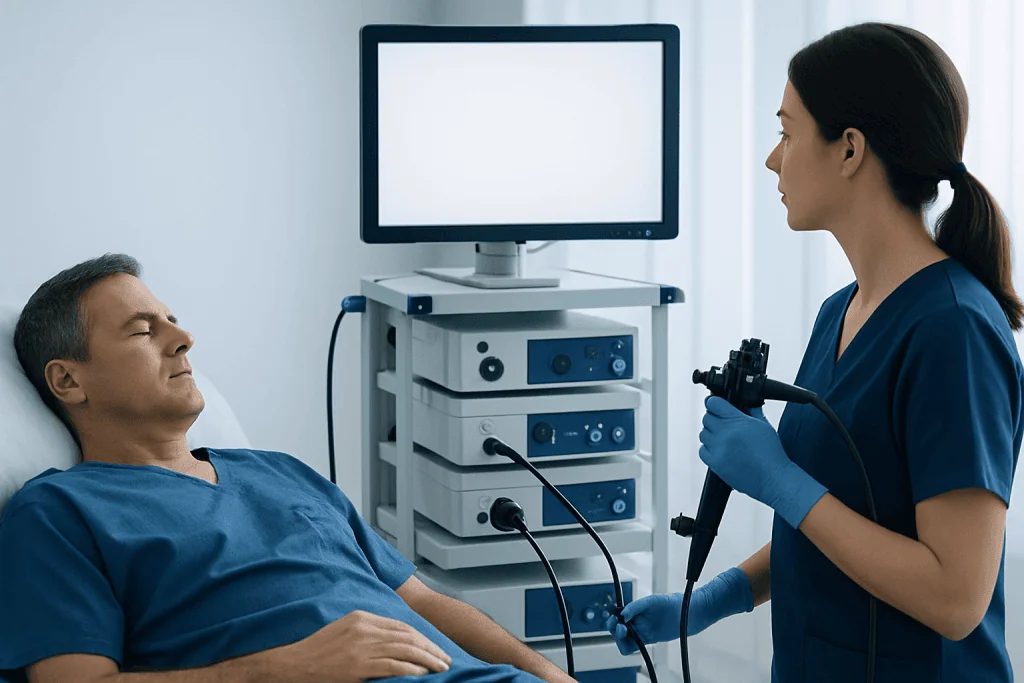
Cystolitholapaxy is usually performed in a hospital or surgical center by a urologist. Depending on the patient’s age, overall health, stone size, and expected complexity, anesthesia may be local, regional, or general. Once the patient is comfortable, the doctor passes the cystoscope through the urethra into the bladder to locate the stone.
The stone is then broken into smaller pieces using specialized tools. These may include laser energy, ultrasound, mechanical crushing devices, or other techniques chosen by the surgeon. After fragmentation, the pieces are washed out or removed with small instruments so that the bladder is cleared as completely as possible.
Sometimes a catheter is left in place for a short time after the procedure to help drain urine and allow the bladder to rest. In selected cases, additional procedures may be performed during the same session if the underlying cause can be addressed safely, such as treatment of obstruction or a more detailed inspection of the urinary tract. For some patients with complex urinary anatomy or severe obstruction, a broader urologic plan may include urology care tailored to the cause of recurrent stones.
Recovery, possible risks, and results to expect
Recovery after cystolitholapaxy is often relatively quick, although the experience can vary. Mild burning with urination, urinary frequency, urgency, and a small amount of blood in the urine are common for a short time after the procedure. Drinking fluids as advised by the care team may help flush the bladder, unless a doctor has recommended fluid restriction for another medical reason.
Most people can return to usual activities within a short period, but the exact timeline depends on the size of the stone, the method used, whether a catheter was placed, and whether another procedure was done at the same time. The doctor may send stone fragments for analysis, which can help guide long-term prevention. Follow-up is important to confirm that the bladder has healed and that any underlying problem is being addressed.
Like any procedure, cystolitholapaxy has possible risks. These can include urinary tract infection, temporary difficulty urinating, bladder irritation, urethral injury, bleeding, or incomplete stone removal requiring further treatment. Serious complications are less common, but patients should speak with their doctor about individual risk factors and what warning signs to watch for during recovery.
Prevention and self-care after treatment
Preventing another bladder stone usually depends on finding and treating the reason the first stone formed. If the problem is incomplete bladder emptying, managing that issue can make a meaningful difference. This may involve treatment for prostate enlargement, urethral narrowing, bladder dysfunction, infection, or other structural or neurological conditions.
General self-care can also support urinary health. Many patients are advised to stay well hydrated unless another medical condition limits fluid intake. Following up on recurrent infections, taking prescribed medicines correctly, and attending scheduled checkups can help reduce the chance that urine stagnation or inflammation will lead to another stone.
Some patients need additional evaluation if they have repeated stone formation, especially when stones occur in different parts of the urinary tract. A doctor may recommend urine studies, imaging, or dietary review depending on the stone type and the person’s medical history. Near the end of the treatment journey, international patients may also wish to know that Acibadem International’s multidisciplinary specialists in JCI-accredited hospitals diagnose and treat bladder stones and related urinary conditions with coordinated urologic care.
When to seek medical care
Medical care is appropriate when urinary symptoms persist or return, especially pain with urination, blood in the urine, frequent urination, difficulty starting the urine stream, or a sense of incomplete emptying. These symptoms do not always mean a bladder stone is present, but they deserve evaluation because infection, obstruction, and other urinary conditions can cause similar problems.
After cystolitholapaxy, a patient should contact a doctor promptly if there is fever, worsening pain, inability to urinate, heavy bleeding, large clots, or symptoms that are not improving as expected. These can be signs that the bladder is not draining well or that another complication needs attention.
Urgent assessment is especially important if there is severe lower abdominal pain, vomiting, confusion, or signs of infection. A qualified clinician can decide whether the cause is a bladder stone, urinary retention, infection, or another issue requiring treatment.
Frequently asked questions
Is cystolitholapaxy a surgery?
Cystolitholapaxy is a procedural treatment performed by a urologist, and it is considered minimally invasive rather than open surgery in most cases. It uses a cystoscope passed through the urethra to break and remove bladder stones without a large external incision.
How painful is cystolitholapaxy?
The procedure itself is usually done with anesthesia, so patients should not feel pain during treatment. Afterward, mild burning during urination, bladder irritation, or temporary discomfort can happen, but these symptoms often improve over a short period.
How long does it take to recover from cystolitholapaxy?
Recovery time varies depending on the stone size, the technique used, and whether another procedure was done at the same time. Many people recover relatively quickly, but the doctor will give personalized advice about activity, catheter care if needed, and follow-up.
Can bladder stones come back after cystolitholapaxy?
Yes, bladder stones can recur if the underlying cause is not corrected. That is why follow-up matters: treatment may need to address urine retention, infection, prostate enlargement, or another factor that allowed the stone to form.
Will a catheter be needed after cystolitholapaxy?
Some patients have a catheter for a short time after the procedure, while others do not. The decision depends on factors such as bladder irritation, swelling, urine drainage, and whether additional treatment was performed.
What is the difference between cystolitholapaxy and cystoscopy?
Cystoscopy is a procedure used to look inside the urethra and bladder with a camera-like instrument. Cystolitholapaxy uses that same access route but adds stone fragmentation and removal, so it is both diagnostic and therapeutic.
References
- National Institute of Diabetes and Digestive and Kidney Diseases
- American Urological Association
- European Association of Urology
- NHS
- Mayo Clinic
This article is for general information only and is not a substitute for professional medical advice. Please consult a qualified doctor about your individual situation.
Explore treatments in Turkey — costs, top hospitals & a free quote
JCI-accredited · board-certified surgeons · reply within 24h
Add us as a Preferred Source to see more of our trusted health content across Google Search, AI Overviews and Discover.