Bumps on Arms: A Complete Medical Overview

Bumps on arms can result from several causes, including keratosis pilaris, folliculitis, eczema, contact irritation, heat rash, and insect bites. The appearance of the bumps, whether they itch or hurt, and how long they last can help guide diagnosis.
Key Takeaways
- Bumps on arms can result from several causes, including keratosis pilaris, folliculitis, eczema, contact irritation, heat rash, and insect bites.
- The appearance of the bumps, whether they itch or hurt, and how long they last can help guide diagnosis.
- Many cases improve with gentle skin care, regular moisturizing, and avoiding friction or harsh products.
- Medical review is important if bumps become painful, drain pus, spread quickly, or come with fever or significant swelling.
- A dermatologist may diagnose the cause through a skin exam and, in some cases, simple tests such as a swab or biopsy.
Bumps on arms are common and are often caused by dry skin, plugged hair follicles, irritation, or mild inflammation. Most are not dangerous, but persistent, painful, spreading, or infected-looking bumps should be assessed by a doctor.
Overview: What Bumps on Arms Usually Mean
Bumps on arms are a symptom rather than a single diagnosis. In many people, they are caused by harmless conditions such as keratosis pilaris, dry skin, mild follicle blockage, or temporary irritation from heat, sweat, or clothing. In other cases, they may be linked to inflammation, infection, allergic reactions, or chronic skin disorders.
The best way to understand bumps on arms is to look at the pattern. Small rough bumps on the upper arms often suggest keratosis pilaris, while red tender bumps around hair follicles may point to folliculitis. Itchy patches with bumps can be seen in eczema or contact dermatitis, and sudden clusters may follow insect bites or an allergic reaction.
Because several skin conditions can look similar, it is helpful to consider other features too, such as itching, pain, redness, scaling, warmth, or drainage. Most causes are manageable with skin care and targeted treatment, but an accurate diagnosis matters when symptoms persist or worsen.
Common Symptoms and How the Bumps May Look
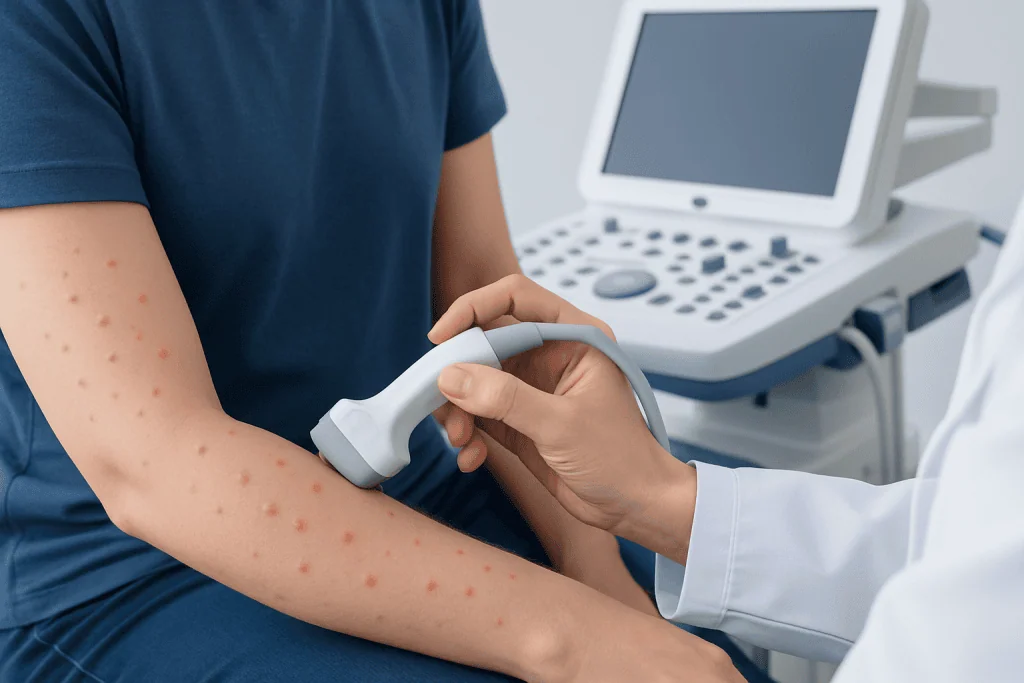
Bumps on arms can vary widely in size, color, and texture. Some feel like tiny rough plugs under the skin, while others look red, inflamed, or filled with fluid or pus. They may occur only on the upper arms, extend to the forearms, or appear alongside changes on the chest, back, or legs.
Symptoms that often accompany arm bumps include itching, dryness, tenderness, burning, scaling, flaking, or mild swelling. In some conditions, the skin may appear pink or brown depending on skin tone, and bumps may become more noticeable in dry weather or after shaving, sweating, or friction.
People may notice one or more of the following features:
- Small rough bumps that feel like sandpaper
- Red or skin-colored raised spots
- Itchy clusters or patches
- Bumps centered around hair follicles
- Tender or warm areas
- Pus-filled spots or crusting
- Dryness, scaling, or darkening after healing
These details can help distinguish between a benign skin texture change and a condition that may need treatment. If the bumps are changing rapidly, spreading, or leaving scars, medical assessment is advisable.
Possible Causes of Bumps on Arms

One of the most frequent causes of bumps on arms is keratosis pilaris. This condition happens when keratin, a natural skin protein, builds up and plugs hair follicles, causing tiny rough bumps most often on the upper arms. It is common, not contagious, and often worsens with dry skin.
Folliculitis is another common cause. It occurs when hair follicles become irritated or infected, often after sweating, friction, shaving, or exposure to bacteria or yeast. These bumps are more likely to be red, tender, or pustular. Some inflammatory rashes can also affect the arms, including eczema, which may cause itchy, dry, bumpy patches, and contact dermatitis triggered by soaps, fragrances, fabrics, or chemicals.
Other possibilities include heat rash, acne-like eruptions, hives, insect bites, and less commonly psoriasis or viral rashes. In children, bumps on the arms may also be related to sensitive skin, mild eczema, or common childhood viral skin reactions. Occasionally, a person may confuse long-standing harmless bumps with a new rash, so the timeline is important.
Less common but important causes include bacterial skin infections, allergic reactions, and autoimmune or systemic conditions that affect the skin. A doctor may also consider whether medications, occupational exposures, or chronic scratching are contributing factors.
Risk Factors and Clues That Help Narrow the Cause
Several factors make certain types of arm bumps more likely. Dry skin, a personal or family history of eczema, asthma, or allergies can increase the chance of keratosis pilaris or dermatitis. Frequent shaving, tight clothing, sweating, and gym activity can irritate hair follicles and contribute to folliculitis.
Environmental and lifestyle clues are often useful. New skin-care products, detergents, perfumes, sunscreens, or fabrics can trigger contact reactions. Hot weather and humidity may lead to heat rash, while winter air and long hot showers can worsen dry, rough bumps. Repeated friction from sports equipment, backpacks, or rough sleeves may also aggravate the skin.
Doctors may ask about the following points:
- When the bumps started and whether they come and go
- Whether they itch, hurt, burn, or drain
- Any new creams, soaps, medications, or detergents
- Recent shaving, waxing, or hair removal
- Exposure to pools, hot tubs, pets, or insects
- History of allergies, eczema, or similar skin issues in the family
These clues help separate a chronic texture-related condition from infection or allergy. They also guide which treatments are most likely to help and whether referral for specialized dermatology care would be useful.
How Doctors Diagnose Bumps on Arms
Diagnosis usually begins with a medical history and a close examination of the skin. A doctor will look at the size, shape, color, and distribution of the bumps and ask about itching, pain, triggers, and treatments already tried. In many cases, the appearance alone strongly suggests the diagnosis.
When infection is suspected, a swab may be taken from any draining or pustular lesion to identify bacteria or yeast. If the skin changes are unusual, persistent, or not responding to standard care, further evaluation may include patch testing for allergies or a small skin biopsy. These tests help rule out less common causes.
A specialist may also consider related conditions that can mimic one another. For example, chronic itchy arm rashes might overlap with dermatitis, folliculitis, or other inflammatory disorders. In selected cases, broader evaluation may be needed if there are signs of a more generalized skin disease or an underlying health issue.
Most people do not need extensive testing. The main goal is to confirm the likely cause, rule out infection when necessary, and choose a treatment plan that matches the person’s symptoms and skin type.
Treatment Options for Bumps on Arms
Treatment depends on the cause. For keratosis pilaris, care usually focuses on softening the rough plugs and reducing dryness. Gentle cleansers, regular moisturizers, and creams containing ingredients such as urea, lactic acid, or salicylic acid may help smooth the skin over time. Improvement is usually gradual rather than immediate.
If the bumps are due to eczema or irritation, the priority is calming inflammation and repairing the skin barrier. Doctors may recommend fragrance-free emollients, trigger avoidance, and in some cases prescription anti-inflammatory creams. For persistent or widespread rashes, a plan through dermatology care can help tailor treatment safely.
Folliculitis may improve with hygiene measures, avoiding friction, and stopping shaving temporarily. When infection is likely, treatment may include antiseptic washes or prescription topical or oral medicines, depending on severity. If there is concern for an abscess or deeper infection, in-person evaluation is important.
In selected cases, procedural or specialist care may be considered if another diagnosis is found. For example, treatment can differ if bumps are related to inflammatory lesions, cysts, or growths rather than simple follicle plugging. Near the end of the care pathway, Acibadem International’s multidisciplinary specialists in JCI-accredited hospitals diagnose and treat skin conditions for international patients.
Self-care and Prevention
Many people can reduce bumps on arms with simple daily habits. Gentle skin care is especially important. Short lukewarm showers, mild fragrance-free cleansers, and consistent moisturizing after bathing help limit dryness and irritation. Scrubbing aggressively or picking at bumps can worsen redness and lead to marks or infection.
Preventive steps also depend on the likely trigger. People prone to folliculitis may benefit from showering after heavy sweating, wearing breathable fabrics, and avoiding tight sleeves that rub the skin. If shaving contributes, using a clean razor, shaving in the direction of hair growth, and reducing frequency may help.
Helpful self-care measures include:
- Moisturizing daily, especially after bathing
- Using non-irritating, fragrance-free skin products
- Avoiding harsh exfoliation and picking
- Limiting friction from clothing or sports gear
- Changing out of sweaty clothing promptly
- Tracking new products or exposures if flares recur
Home care should not replace professional advice if the bumps are severe, recurrent, or suspicious for infection. A doctor can recommend the safest long-term approach, particularly for children, sensitive skin, or chronic symptoms.
When to Seek Medical Care
Bumps on arms should be medically reviewed if they are painful, rapidly spreading, draining pus, or associated with fever, marked swelling, or warmth. These features can suggest infection or significant inflammation. Care is also important if the bumps interfere with sleep, daily comfort, or confidence and do not improve with basic skin care.
Evaluation is also sensible when the diagnosis is unclear, the bumps repeatedly return, or the skin becomes thickened, scarred, or discolored. Children, people with diabetes, those using immune-suppressing medicines, and anyone with a weakened immune system may need earlier assessment for possible skin infection.
Urgent care is needed for signs of a severe allergic reaction, such as trouble breathing, swelling of the lips or tongue, or widespread hives with feeling faint. Even when symptoms are not urgent, a dermatologist can help distinguish between common conditions and less typical causes, and can discuss whether options such as specialized skin care and dermatology support would be helpful.
Frequently asked questions
Are bumps on arms usually serious?
Most bumps on arms are not serious and are often related to dry skin, keratosis pilaris, mild irritation, or folliculitis. However, painful, rapidly spreading, or infected-looking bumps should be checked by a doctor.
What do keratosis pilaris bumps feel like?
Keratosis pilaris usually feels like tiny rough bumps, often compared with sandpaper or goosebumps. They commonly appear on the upper arms and may become more noticeable when the skin is dry.
Can bumps on arms be caused by allergies?
Yes. Allergic or irritant contact dermatitis can cause itchy red bumps or patches after exposure to products such as soaps, fragrances, fabrics, or chemicals. Identifying and avoiding the trigger is an important part of treatment.
How can someone tell if bumps on arms are folliculitis?
Folliculitis often causes red bumps centered around hair follicles and may be tender or pus-filled. It can develop after shaving, sweating, friction, or bacterial exposure, but a doctor may be needed to confirm the diagnosis.
Do bumps on arms go away on their own?
Some do, especially if they are due to temporary irritation, heat rash, or mild folliculitis. Others, such as keratosis pilaris or eczema-related bumps, may improve but tend to come and go over time.
What home care helps with bumps on arms?
Gentle cleansing, daily moisturizing, and avoiding harsh scrubs or picking are often helpful. If sweating or friction is a trigger, breathable clothing and good skin hygiene may reduce flare-ups.
References
- American Academy of Dermatology
- National Institute of Arthritis and Musculoskeletal and Skin Diseases
- Mayo Clinic
- MedlinePlus
- National Health Service
This article is for general information only and is not a substitute for professional medical advice. Please consult a qualified doctor about your individual situation.
Hair transplant in Turkey — costs, graft counts & a free assessment
JCI-accredited · board-certified surgeons · reply within 24h
Add us as a Preferred Source to see more of our trusted health content across Google Search, AI Overviews and Discover.

More from the Health Library



Related Specialists

Prof. Dr. Cihangir Tetik
Orthopedic Surgery & Traumatology
Dr. Anıl Doğan
Pediatrics
Dr. Zeynep Cansu Aladağ
Gynecology & Obstetrics
Assoc. Prof. Dr. İzzet Doğan
Medical Oncology