Burning Sensation in Lower Abdomen Female: A Complete Medical Overview
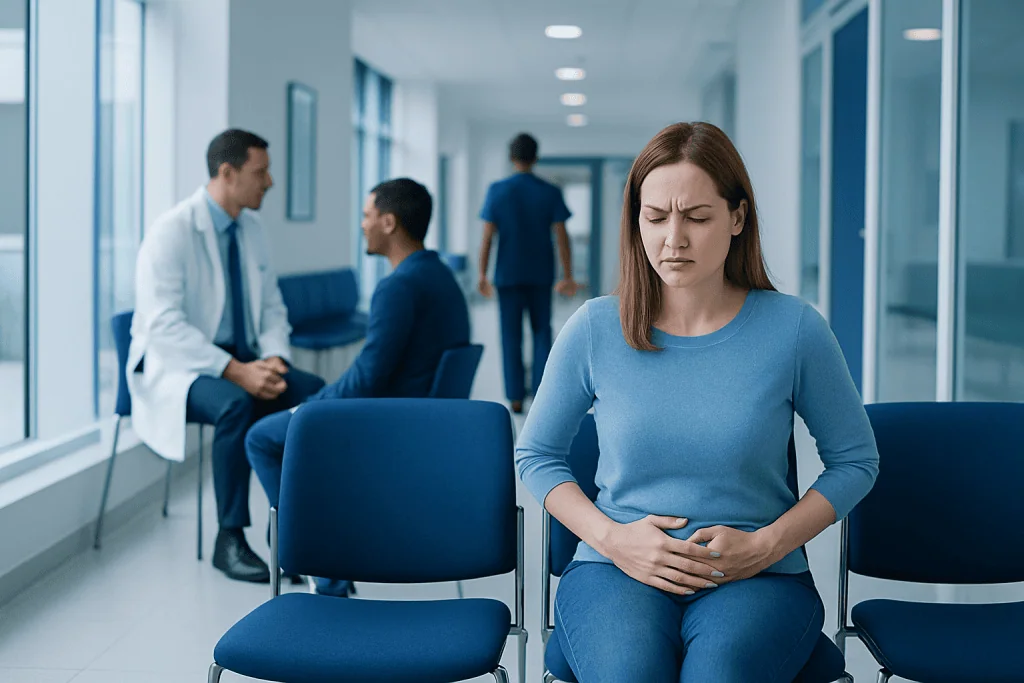
A burning feeling in the lower abdomen can have urinary, gynecologic, digestive, muscular, or nerve-related causes. Common explanations include urinary tract infection, bladder irritation, menstrual pain, ovarian conditions, and bowel disorders.
Key Takeaways
- A burning feeling in the lower abdomen can have urinary, gynecologic, digestive, muscular, or nerve-related causes.
- Common explanations include urinary tract infection, bladder irritation, menstrual pain, ovarian conditions, and bowel disorders.
- Associated symptoms such as burning urination, vaginal discharge, fever, missed period, or sudden severe pain help guide diagnosis.
- Medical assessment is important if symptoms are persistent, worsening, recurrent, or linked to pregnancy, fever, bleeding, or vomiting.
- Treatment depends on the underlying cause and may include medicines, hydration, pelvic care, or specialist evaluation.
A burning sensation in the lower abdomen in females is a symptom rather than a diagnosis. It can come from the urinary tract, reproductive organs, bowels, muscles, or nerves, so the cause depends on where the discomfort is felt, what other symptoms are present, and how long it lasts.
Overview: what this symptom can mean
A burning sensation in the lower abdomen in females often reflects irritation or inflammation in the pelvic area. In many cases, the source is the urinary tract, such as the bladder or urethra, but the uterus, ovaries, intestines, pelvic floor muscles, and nearby nerves can also produce a similar feeling.
This symptom may be brief and mild, or it may come with cramping, pressure, bloating, frequent urination, vaginal symptoms, bowel changes, or back pain. Because several organ systems sit close together in the lower abdomen, it is not always easy to tell where the discomfort starts without a careful history and examination.
Some causes are relatively straightforward, such as a urinary tract infection or menstrual cramps. Others need prompt evaluation, including ectopic pregnancy, appendicitis, kidney stones, ovarian torsion, or severe pelvic infection. The pattern of pain, timing in the menstrual cycle, and associated symptoms are often the most useful clues.
In general, lower abdominal burning that is mild and short-lived may settle on its own, but persistent or intense symptoms should not be ignored. A doctor can help distinguish common causes from conditions that need urgent treatment.
Common causes in females
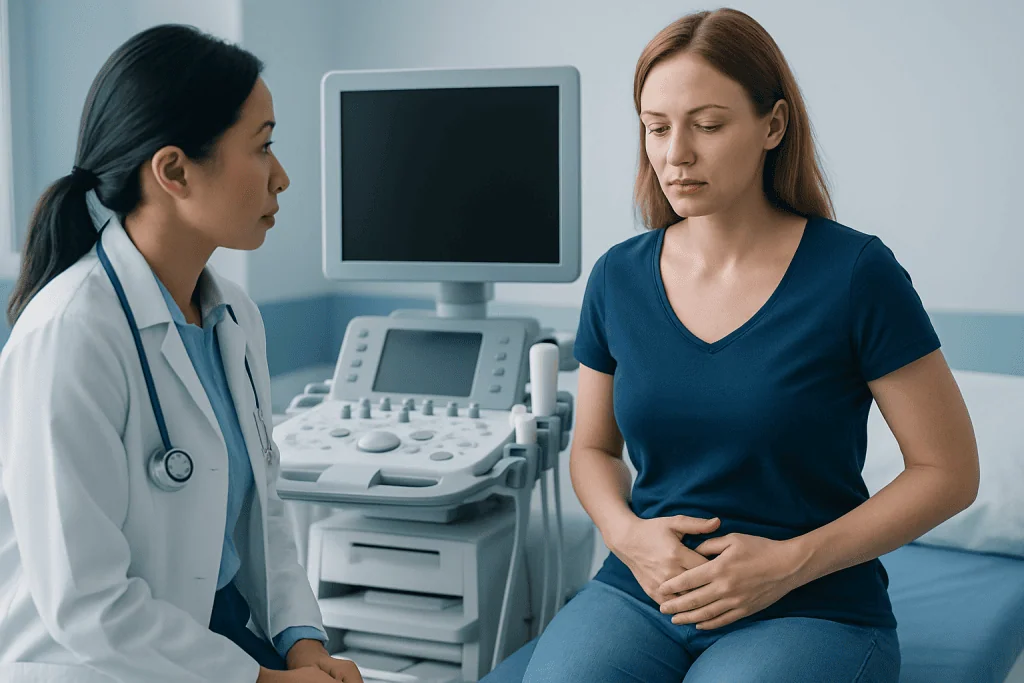
Urinary causes are among the most frequent explanations. A urinary tract infection can cause lower abdominal burning along with painful urination, urgency, frequent trips to the bathroom, cloudy urine, or a feeling that the bladder is never fully empty. Some women also have suprapubic pressure, which is discomfort centered just above the pubic bone.
Gynecologic causes are also important. Menstrual cramps may feel like burning, aching, or gripping pain low in the abdomen. Conditions such as ovarian cysts, endometriosis, pelvic inflammatory disease, and uterine disorders can also cause lower pelvic burning or pressure. In some cases, the symptom may overlap with chronic pelvic pain conditions such as endometriosis.
Digestive problems can mimic pelvic pain. Constipation, gas, irritable bowel syndrome, inflammatory bowel conditions, and less commonly appendicitis may create a burning or cramping sensation in the lower abdomen. Bowel symptoms such as bloating, diarrhea, constipation, or pain that improves after passing stool make a digestive cause more likely.
Other possibilities include muscle strain, pelvic floor tension, hernias, skin irritation, or nerve-related pain. Bladder pain syndrome, also called interstitial cystitis, may cause persistent bladder discomfort without infection. In some women, pain from the lower back or spine can radiate forward and feel as if it is coming from the abdomen.
Symptoms that help narrow down the cause

The location and timing of the burning sensation matter. Pain centered low in the middle of the pelvis may suggest the bladder, uterus, or pelvic floor. Pain on one side may point toward an ovarian cyst, ovulation pain, kidney stone, or appendicitis, depending on the exact side and accompanying symptoms.
Urinary symptoms are especially useful clues. Burning during urination, urinary urgency, frequent urination, blood in the urine, or lower pelvic pressure often suggest a bladder or urinary tract problem. Recurrent symptoms may need assessment for urinary tract infection or other bladder conditions.
Gynecologic symptoms include abnormal vaginal discharge, unusual bleeding, pain during sex, pain linked to periods, or a missed period. These features can suggest infection, hormonal changes, ovarian or uterine conditions, or pregnancy-related problems. If pregnancy is possible, even mild pelvic burning deserves attention because early pregnancy complications can begin subtly.
Digestive symptoms such as nausea, vomiting, bloating, constipation, diarrhea, loss of appetite, or pain related to meals can shift attention toward the bowels. Fever, chills, fainting, shoulder-tip pain, severe one-sided pain, or sudden worsening are warning signs that need urgent review.
How doctors diagnose lower abdominal burning
Diagnosis starts with a detailed conversation. A doctor will ask when the symptom began, whether it is constant or intermittent, where it is felt, how severe it is, and what makes it better or worse. Menstrual history, sexual history, contraception, possibility of pregnancy, prior infections, bowel habits, and urinary symptoms all help guide the next steps.
A physical examination may include checking the abdomen for tenderness, swelling, guarding, or signs of a hernia. Depending on symptoms, a pelvic examination may be recommended to assess for discharge, cervical tenderness, masses, or other signs of infection or gynecologic disease. Not every patient needs the same examination, and tests are tailored to the likely cause.
Urine testing is common when a urinary problem is suspected. A pregnancy test is often important in women of reproductive age, even if pregnancy seems unlikely. Blood tests may be used to look for infection, inflammation, anemia, or dehydration. Vaginal swabs can help identify infections when discharge or pelvic inflammatory disease is suspected.
Imaging may be needed if the cause remains unclear or a structural problem is possible. Pelvic ultrasound is often used to evaluate the uterus and ovaries, while other scans may be considered for kidney stones, appendicitis, or bowel disease. If needed, specialists may recommend additional evaluation or check-up and diagnostic services to reach a clear diagnosis.
Treatment options depend on the cause
Because lower abdominal burning is a symptom, treatment focuses on the underlying condition. Bacterial urinary infections are commonly treated with antibiotics, while hydration and symptom relief may also be recommended. If symptoms come from bladder irritation without infection, treatment may focus on avoiding triggers, bladder care strategies, and follow-up to rule out other causes.
Gynecologic treatment varies widely. Menstrual pain may improve with heat, rest, and pain-relieving medication advised by a doctor. Ovarian cysts may simply be monitored if small and uncomplicated, while pelvic infection requires prompt treatment to prevent complications. Endometriosis may need a longer-term plan involving pain control, hormone-based treatment, and sometimes gynecology care.
Digestive causes may be treated with dietary changes, hydration, constipation management, or medicines depending on the diagnosis. If appendicitis, bowel obstruction, or another acute abdominal condition is suspected, urgent hospital treatment may be necessary. Similarly, severe kidney stones may need pain control, imaging, and urologic assessment.
When symptoms are recurrent or the source is complex, multidisciplinary care can be helpful. Near the end of the care pathway, some patients may benefit from specialist input in urology or women’s health services. Acibadem International’s multidisciplinary specialists and JCI-accredited hospitals diagnose and treat pelvic, urinary, and gynecologic conditions for international patients.
Self-care and prevention
Not every cause can be prevented, but a few practical steps may reduce common triggers. Good hydration helps support bladder health. Urinating when needed rather than holding urine for long periods may also help some women. If a person is prone to urinary irritation, avoiding heavily perfumed intimate products can be sensible.
Menstrual and pelvic symptoms may be easier to assess if they are tracked over time. Keeping a simple record of cycle timing, pain episodes, discharge, urinary symptoms, bowel changes, and possible food triggers can help a doctor identify patterns. This is especially useful when symptoms come and go or seem linked to periods.
Digestive causes may improve with regular meals, fiber intake adjusted to individual tolerance, adequate fluids, and gentle physical activity. For women with chronic constipation or bloating, self-treatment should not replace evaluation if symptoms are persistent, new, or worsening.
Self-care can ease mild discomfort, but it should not delay treatment when red flags are present. Over-the-counter pain relievers may help some causes, but they can also mask progression of a serious condition. If symptoms are severe, recurrent, or difficult to explain, medical review is the safer course.
When to seek medical care
Medical care is recommended if the burning sensation lasts more than a short time, keeps coming back, or interferes with daily activities. It is also wise to arrange an evaluation if symptoms are accompanied by burning urination, blood in the urine, unusual vaginal discharge, abnormal bleeding, pain during sex, or bowel changes that do not settle.
Urgent care is important for sudden severe pain, fainting, fever, vomiting, inability to keep fluids down, a rigid abdomen, or pain during pregnancy or after a missed period. These features can be seen with emergencies such as ectopic pregnancy, ovarian torsion, severe infection, appendicitis, or kidney stones.
If a woman has repeated episodes of pelvic burning with negative basic tests, a more detailed evaluation may still be needed. Chronic pelvic pain, bladder pain syndrome, endometriosis, and pelvic floor dysfunction can be difficult to separate without focused assessment.
Prompt evaluation does not always mean something serious is wrong. It simply helps identify the cause early, relieve discomfort sooner, and prevent complications when treatment is needed.
Frequently asked questions
Is a burning sensation in the lower abdomen always a urinary tract infection?
No. A urinary tract infection is a common cause, but this symptom can also come from menstrual pain, ovarian conditions, digestive problems, pelvic infections, bladder irritation, or nerve-related pain. The accompanying symptoms usually help point toward the most likely cause.
Can ovulation or periods cause a burning feeling low in the abdomen?
Yes. Some women describe menstrual cramps or ovulation pain as burning rather than cramping. If the discomfort follows a predictable cycle and there are no warning signs, a hormonal or menstrual cause may be more likely, but persistent or severe pain should still be assessed.
When should pregnancy be considered?
Pregnancy should be considered in any woman of reproductive age who has lower abdominal pain or burning and could possibly be pregnant. A missed period, spotting, dizziness, or one-sided pain makes testing especially important because early pregnancy complications can present this way.
What tests are usually done for lower abdominal burning in females?
Doctors often begin with a medical history, abdominal examination, urine test, and pregnancy test when appropriate. Depending on the symptoms, blood tests, vaginal swabs, or pelvic ultrasound may also be recommended.
Can stress cause burning in the lower abdomen?
Stress does not usually directly cause tissue inflammation, but it can worsen bowel symptoms, pelvic floor tension, and the perception of pain. This means stress can make lower abdominal discomfort feel more noticeable or more frequent, even when another underlying cause is also present.
Is it safe to wait and see if the symptom goes away?
A short period of observation may be reasonable for mild symptoms that improve quickly and have no red flags. However, severe pain, fever, vomiting, pregnancy, bleeding, urinary blood, or persistent symptoms should prompt medical care rather than waiting.
References
- World Health Organization
- American College of Obstetricians and Gynecologists
- National Institute of Diabetes and Digestive and Kidney Diseases
- Office on Women's Health
- Mayo Clinic
This article is for general information only and is not a substitute for professional medical advice. Please consult a qualified doctor about your individual situation.
Persistent digestive symptoms? Get evaluated in Turkey
JCI-accredited · board-certified surgeons · reply within 24h
Add us as a Preferred Source to see more of our trusted health content across Google Search, AI Overviews and Discover.
Check your numbers in seconds
BMI, calories, due date, blood pressure and 30+ more clinical calculators — free, instant, doctor-reviewed ranges.

More from the Health Library



Related Specialists

Dr. Didem Çevik Gündoğan
Pediatrics
Assoc. Prof. Dr. Mehmet Sürmeli
Otorhinolaryngology
Dr. Nihat Ağar
General Surgery
Assoc. Prof. Dr. Özlem Karabudak Abuaf
Dermatology