Sore Left Ovary: An Evidence-Based Guide for Patients

A sore left ovary is a symptom, not a diagnosis, and pain may come from the ovary, uterus, bowel, bladder, or pelvic muscles. Common causes include ovulation pain, ovarian cysts, endometriosis, pelvic infection, and non-gynecologic problems such as constipation or kidney stones.
Key Takeaways
- A sore left ovary is a symptom, not a diagnosis, and pain may come from the ovary, uterus, bowel, bladder, or pelvic muscles.
- Common causes include ovulation pain, ovarian cysts, endometriosis, pelvic infection, and non-gynecologic problems such as constipation or kidney stones.
- Urgent warning signs include sudden severe pain, fainting, heavy bleeding, fever, vomiting, or pain during pregnancy.
- Diagnosis often involves a medical history, pelvic exam, pregnancy test, and pelvic ultrasound.
- Treatment depends on the cause and may range from monitoring and pain relief to antibiotics or surgery.
A sore left ovary usually means pain felt in the lower left pelvis, and the ovary is only one possible source. Common causes include ovulation, ovarian cysts, endometriosis, and conditions affecting nearby organs, while sudden severe pain, fever, or fainting should be assessed urgently.
What a Sore Left Ovary Usually Means
A sore left ovary usually refers to discomfort felt low in the left side of the pelvis. In many cases, the exact source is not clear without evaluation, because the ovaries sit close to the uterus, fallopian tubes, bladder, bowel, and pelvic muscles. That means pain in this area can come from gynecologic causes or from nearby organs.
Some causes are temporary and relatively common, such as pain during ovulation or a small ovarian cyst. Others need more timely attention, including ovarian torsion, ectopic pregnancy, or pelvic infection. The pattern of pain matters: brief mid-cycle discomfort is different from worsening pain with fever, vomiting, or bleeding.
It can also help to remember that the ovary itself is not always the problem. People often use the phrase “ovary pain” to describe one-sided pelvic pain, but symptoms may also reflect digestive issues, urinary tract problems, or conditions such as endometriosis. A careful assessment helps identify the true cause and the safest next step.
Common Symptoms That Can Occur With Left-Sided Pelvic Pain
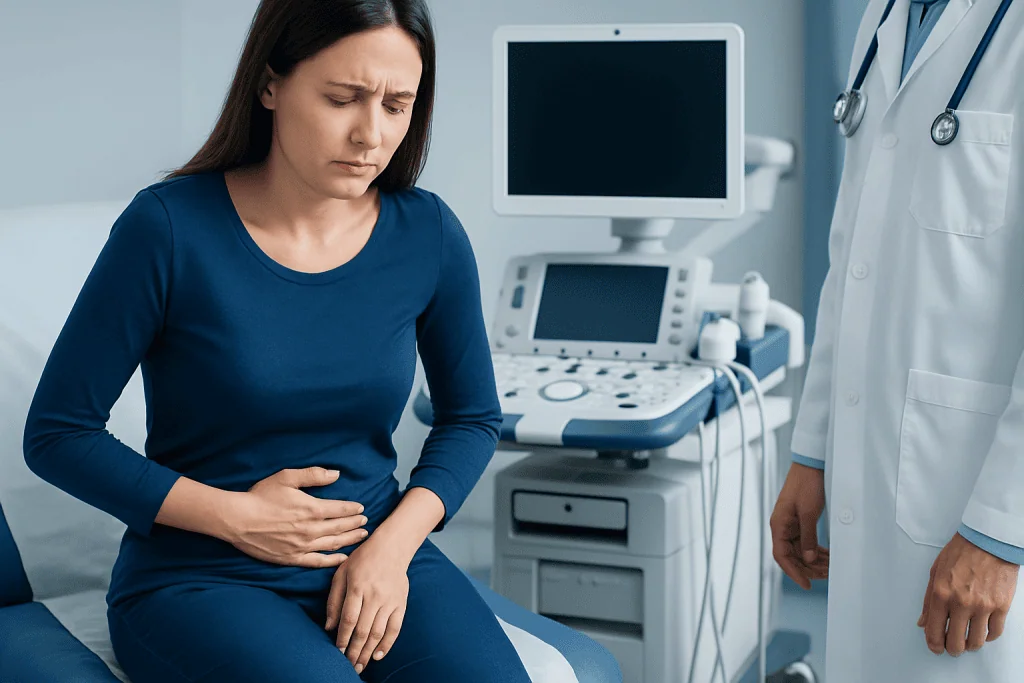
The main symptom is discomfort in the lower left abdomen or pelvis. It may feel sharp, dull, cramping, aching, or pressure-like. Some people notice pain only at certain times, such as around ovulation or menstruation, while others feel it more constantly.
Associated symptoms can offer clues. For example, bloating or pelvic pressure may suggest an ovarian cyst, while pain during periods or sex may point toward endometriosis. Urinary burning can suggest a bladder or urinary tract problem, and bowel changes may suggest constipation, irritable bowel syndrome, or another digestive cause.
Symptoms that should never be ignored include:
- Sudden, intense, or worsening one-sided pelvic pain
- Fever or chills
- Nausea and vomiting with severe pain
- Heavy vaginal bleeding or bleeding outside the expected cycle
- Fainting, dizziness, or weakness
- Pain during pregnancy or after a positive pregnancy test
Keeping track of when the pain occurs, how long it lasts, and what other symptoms happen at the same time can be very useful for a clinician.
Possible Causes and Risk Factors
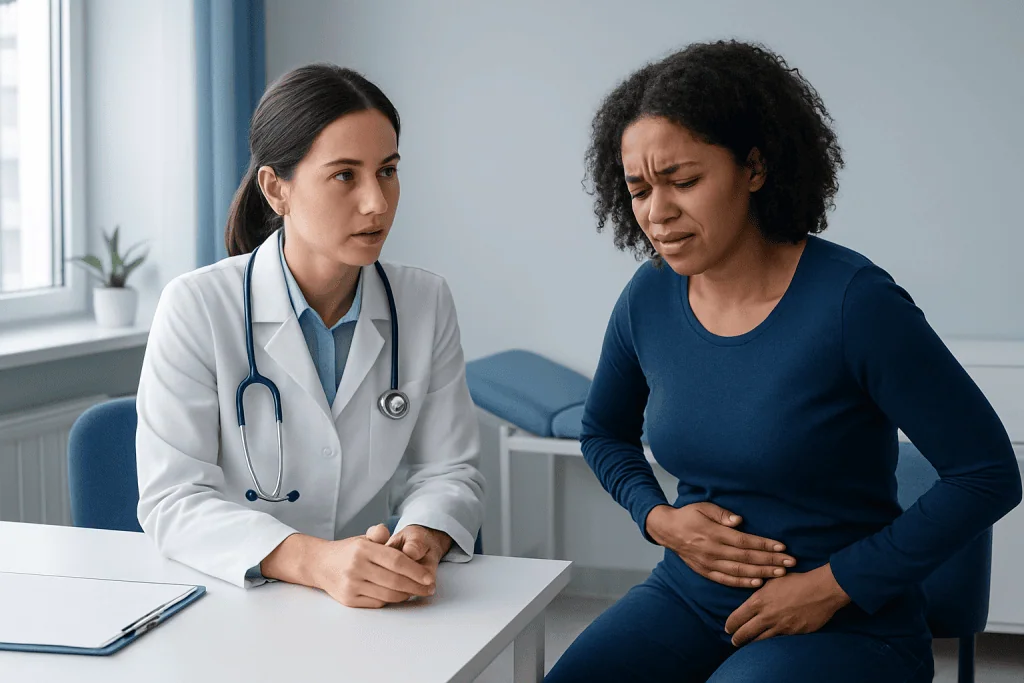
One common reason for a sore left ovary is ovulation pain, sometimes called mittelschmerz. This tends to happen around the middle of the menstrual cycle and may last from minutes to a day or two. It is often mild and settles on its own.
Another frequent cause is an ovarian cyst. Many cysts are harmless and disappear naturally, but some can grow, bleed, or rupture and cause more noticeable pain. Larger cysts may also increase the risk of ovarian torsion, a condition in which the ovary twists and loses part of its blood supply. Torsion usually causes sudden severe pain and is a medical emergency.
Other gynecologic causes include endometriosis, pelvic inflammatory disease, adhesions from prior surgery, and less commonly benign or malignant ovarian growths. In early pregnancy, one-sided pelvic pain can signal an ectopic pregnancy, which needs urgent treatment. In some cases, fertility-related conditions such as ovarian cysts or hormone-related changes may be involved.
Not all left-sided pelvic pain is ovarian. Constipation, diverticular disease, kidney stones, urinary tract infection, hernia, or muscle strain can all cause pain in a similar area. Risk factors that may shape the evaluation include pregnancy, a history of cysts or endometriosis, prior pelvic infection, infertility treatment, abdominal surgery, and age.
How Doctors Find the Cause
Diagnosis starts with a detailed history. A doctor will usually ask when the pain began, whether it is sudden or gradual, where it is felt, what makes it better or worse, and whether it is linked to periods, sex, urination, or bowel movements. Pregnancy status, contraception, recent infections, and past gynecologic conditions are also important.
A physical examination may include abdominal and pelvic assessment to look for tenderness, masses, or signs of infection. Depending on symptoms, testing may include a pregnancy test, urine studies, blood tests, and screening for sexually transmitted infections.
Pelvic ultrasound is often the most useful imaging test when ovarian or uterine causes are suspected. It can help identify cysts, signs of torsion, fibroids, or fluid from a ruptured cyst. In selected cases, doctors may recommend additional imaging or procedures, such as MRI for complex findings or ultrasound evaluation to better assess pelvic structures.
Because one-sided pelvic pain has many possible causes, diagnosis may take more than one step. If symptoms are severe or the cause remains uncertain, prompt follow-up is important.
Treatment Options Depend on the Cause
Treatment for a sore left ovary is guided by the underlying diagnosis rather than the symptom alone. Mild ovulation pain may only need rest, hydration, and over-the-counter pain relief if appropriate for the individual. Small simple cysts are often monitored with follow-up rather than treated immediately.
If pain is caused by infection, antibiotics may be needed. Endometriosis may be managed with pain control, hormonal treatment, or surgery depending on symptoms and reproductive plans. If a cyst is large, persistent, suspicious, ruptured with significant bleeding, or causing torsion, surgical treatment may be considered, including laparoscopic surgery in appropriate cases.
Non-gynecologic causes are treated differently. A urinary tract infection may require antibiotics, constipation may improve with dietary changes and medical advice, and kidney stones may need pain management or urologic care. Pregnancy-related one-sided pain always needs careful assessment.
When specialist care is needed, a multidisciplinary approach can be helpful, especially if symptoms overlap across gynecology, gastroenterology, and urology. Near the end of the care pathway, some patients may be referred for advanced imaging or minimally invasive procedures to confirm the diagnosis and relieve symptoms.
Self-Care, Monitoring, and Prevention
Self-care can support comfort while medical evaluation is underway, but it should not replace professional assessment when symptoms are severe or unusual. Gentle rest, hydration, a heating pad, and symptom tracking may help with milder pain. It is often useful to record the timing of pain in relation to the menstrual cycle, exercise, meals, urination, and bowel habits.
There is no guaranteed way to prevent all causes of left-sided pelvic pain, but some steps may reduce risk. Regular gynecologic care, prompt treatment of sexually transmitted infections, and safer sex practices can lower the chance of pelvic inflammatory disease. Managing chronic constipation and staying attentive to urinary symptoms may also help reduce non-gynecologic causes of pelvic discomfort.
People with recurring pain should avoid self-diagnosing based on the location alone. Recurrent “ovary pain” may reflect conditions such as uterine fibroids, endometriosis, or bowel disorders, all of which benefit from proper evaluation. If treatment has been recommended, following the care plan and attending follow-up imaging or appointments can prevent complications and support earlier relief.
When to Seek Medical Care
Medical care is recommended if a sore left ovary lasts more than a few days, keeps returning, interferes with daily life, or occurs with abnormal bleeding, pain during sex, urinary symptoms, or bowel changes. Persistent or cyclical pain deserves evaluation even when it is not severe, because patterns can point to treatable underlying conditions.
Urgent assessment is important for sudden severe one-sided pain, fever, vomiting, fainting, heavy vaginal bleeding, or pain during pregnancy. These symptoms may occur with ovarian torsion, ectopic pregnancy, a ruptured cyst, or significant infection. In these situations, waiting to see if the pain settles can be unsafe.
For international patients who need specialist evaluation, Acibadem International’s multidisciplinary teams and JCI-accredited hospitals diagnose and treat gynecologic and pelvic pain conditions using evidence-based imaging and surgical care when needed.
Frequently asked questions
Can a sore left ovary be normal?
Sometimes, yes. Mild one-sided pelvic pain around ovulation can be normal and may resolve within a day or two. However, ongoing, severe, or unusual pain should be checked by a doctor because the ovary is only one possible source.
How can someone tell if the pain is from the ovary or something else?
It is often hard to tell based on location alone. The bowel, bladder, uterus, fallopian tube, kidney, and pelvic muscles can all cause pain in the same area. A medical history, examination, and tests such as a pelvic ultrasound are often needed.
Does a sore left ovary always mean an ovarian cyst?
No. Ovarian cysts are one possible cause, but pain may also be related to ovulation, endometriosis, pelvic infection, urinary problems, digestive conditions, or pregnancy-related issues. Because the causes vary, the right treatment depends on an accurate diagnosis.
When is left ovary pain an emergency?
Emergency care is needed for sudden severe pain, fainting, fever, heavy bleeding, repeated vomiting, or pain during pregnancy. These symptoms can occur with ovarian torsion, ectopic pregnancy, a ruptured cyst, or serious infection. Prompt assessment helps protect health and fertility.
Can stress cause a sore left ovary?
Stress itself does not usually directly cause ovary pain. However, stress can increase awareness of pain, worsen muscle tension, and affect digestion, which can make pelvic discomfort feel more noticeable. Persistent pain should still be medically evaluated.
What tests are commonly used for a sore left ovary?
Doctors commonly use a pregnancy test, urine testing, blood tests when needed, and a pelvic ultrasound. Depending on symptoms, they may also recommend a pelvic exam, infection testing, or additional imaging. The test choice depends on age, pregnancy status, and the pattern of symptoms.
References
- American College of Obstetricians and Gynecologists
- National Institute for Health and Care Excellence
- Mayo Clinic
- Merck Manual
- Office on Women's Health
This article is for general information only and is not a substitute for professional medical advice. Please consult a qualified doctor about your individual situation.
Persistent digestive symptoms? Get evaluated in Turkey
JCI-accredited · board-certified surgeons · reply within 24h
Add us as a Preferred Source to see more of our trusted health content across Google Search, AI Overviews and Discover.
Check your numbers in seconds
BMI, calories, due date, blood pressure and 30+ more clinical calculators — free, instant, doctor-reviewed ranges.

More from the Health Library


Related Specialists

Assoc. Prof. Dr. Nezih Ziroğlu
Orthopedic Surgery & Traumatology
Dr. Hatice Kübra Karasu
Emergency Service
Assoc. Prof. Dr. Ahmet Yeşilyurt
Medical Genetics
Dr. Meftun Zerbızade
Neurosurgery