Adult Aspie: A Complete Medical Overview

Aspie is an informal identity term rather than a current medical diagnosis. Current diagnostic systems generally include Asperger syndrome within autism spectrum disorder.
Key Takeaways
- Aspie is an informal identity term rather than a current medical diagnosis.
- Current diagnostic systems generally include Asperger syndrome within autism spectrum disorder.
- Adult autism may involve differences in social communication, sensory processing, routines, interests and executive functioning.
- Diagnosis is based on developmental history and clinical assessment; no blood test or brain scan can confirm autism.
- Support should be individualized, respectful and directed toward wellbeing rather than changing a person's identity.
- Urgent help is appropriate if an autistic adult is at risk of self-harm, unable to meet basic needs or experiencing a severe mental health crisis.
An adult aspie is a person who identifies with, or was previously diagnosed with, Asperger syndrome, which is now generally included within autism spectrum disorder. Autism is a lifelong neurodevelopmental difference, and assessment or individualized support may be helpful when traits affect health, relationships, work or daily life.
Understanding the Term Adult Aspie
An adult aspie is usually an adult who identifies with traits historically associated with Asperger syndrome or who received that diagnosis under an earlier classification system. The term is informal and may carry personal or community meaning, but clinicians now generally use autism spectrum disorder, or ASD. Some people prefer autistic person, person with autism, Aspie or another description; respectful care follows the individual’s preference.
Autism is a lifelong neurodevelopmental difference involving social communication and patterns of behavior, interests or sensory processing. It is described as a spectrum because traits and support needs vary widely, not because every person falls on a simple line from mild to severe. Intelligence, language ability, independence and emotional wellbeing can also differ considerably.
Asperger syndrome is no longer a separate diagnosis in major current classification systems. Adults with an established older diagnosis do not necessarily need reassessment unless documentation, treatment planning, workplace accommodations or a clearer understanding of current difficulties would be useful.
How Autism Traits May Appear in Adults
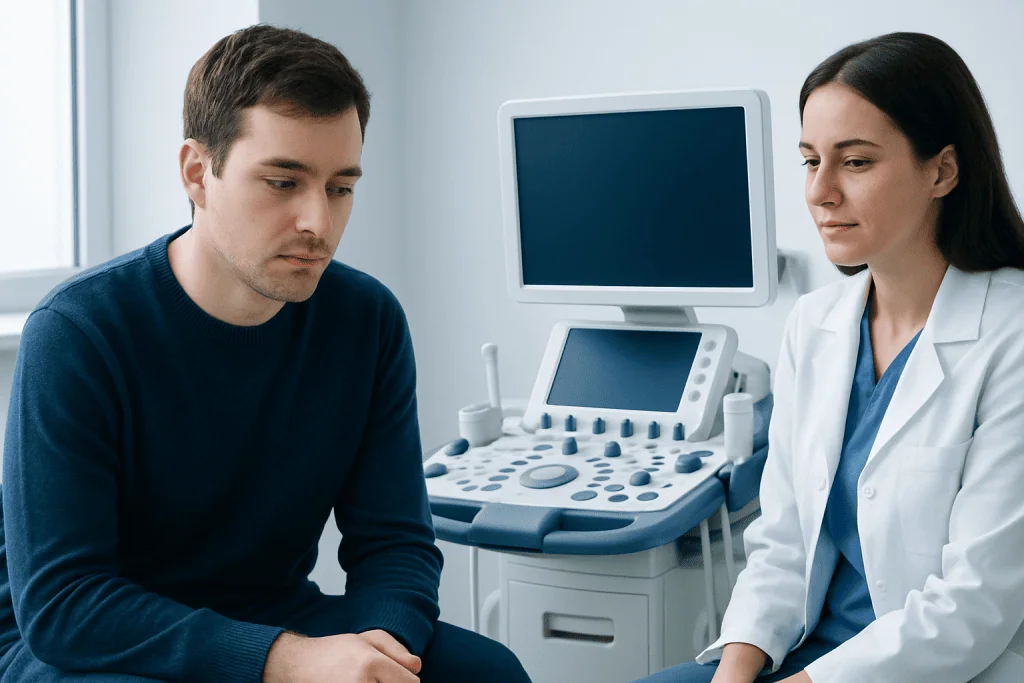
Adult autism may be less visible than childhood presentations, particularly when a person has spent years observing and copying social behavior. Possible traits include difficulty interpreting indirect language, facial expressions or unwritten social rules; a preference for direct communication; uncertainty about conversational timing; and a need for additional recovery time after social interaction. These differences do not mean that an autistic person lacks empathy or interest in relationships.
Other common features include deeply focused interests, repetitive movements, a strong preference for predictability and distress when plans change unexpectedly. Sensory sensitivity may involve sound, light, touch, smell, food texture, temperature or crowded environments. Some adults instead seek particular sensations, such as movement or pressure.
Executive-function differences can affect planning, task initiation, time management and switching attention. An adult may perform well in structured or highly interesting work yet struggle with household routines or administrative tasks. Traits vary by setting and may become more apparent during periods of stress, major transition, illness or increased responsibility.
Why Autism May Be Recognized Later in Life

Autism begins during development, although it may not be identified until adulthood. Earlier traits may have been interpreted as shyness, eccentricity, anxiety, giftedness or behavioral difficulty. Limited access to knowledgeable professionals, changing diagnostic criteria and stereotypes about what autism looks like can also delay recognition.
Some adults consciously or unconsciously mask autistic traits by rehearsing conversations, imitating gestures, suppressing repetitive movements or forcing eye contact. Masking may help someone navigate particular situations, but sustained effort can contribute to exhaustion, anxiety, reduced self-understanding or episodes of autistic burnout. Burnout is commonly used to describe prolonged exhaustion and reduced ability to manage demands, although it is not a formal medical diagnosis.
Autism is associated with a complex combination of genetic and developmental factors. It is not caused by vaccines, poor parenting or a lack of effort. Having an autistic relative may increase likelihood, but no single risk factor predicts whether a particular adult is autistic.
Adult Autism Assessment and Diagnosis
An assessment may be considered when longstanding traits affect daily life, when an adult wants a clearer explanation for personal experiences, or when formal documentation could support accommodations. Screening questionnaires can identify whether further evaluation may be worthwhile, but online tests and self-assessment tools cannot establish a medical diagnosis.
A comprehensive evaluation is usually performed by a psychiatrist, clinical psychologist, neurologist or another professional with adult autism expertise. It includes a detailed interview about present traits, childhood development, education, work, relationships, sensory experiences and everyday functioning. With permission, school records or information from someone who knew the person during childhood may help, although diagnosis can still be possible when such evidence is unavailable.
The clinician also considers other or co-occurring conditions, including attention-deficit/hyperactivity disorder, anxiety, depression, obsessive-compulsive disorder, trauma-related conditions, language differences, hearing problems and intellectual disability. There is no blood test, genetic test or brain scan that independently confirms autism. A careful assessment distinguishes overlapping symptoms while recognizing that more than one condition may be present.
Treatment, Support and Accommodations
Autism itself does not need to be cured, and there is no medication that removes its core characteristics. Care instead aims to reduce distress, manage co-occurring health conditions, strengthen useful skills and create environments that fit the person’s needs. Goals should be chosen collaboratively and should respect autonomy, communication style and identity.
Depending on individual needs, support may include autism-adapted psychotherapy, occupational therapy, speech and language therapy, executive-function coaching or help with education and employment. Cognitive behavioral therapy may assist with anxiety or depression when it is adapted to use clear language, practical examples and appropriate sensory conditions. Medication may be prescribed for a separate condition such as depression, anxiety, sleep difficulty or ADHD after an individualized medical review.
Helpful accommodations can include written instructions, predictable schedules, advance notice of changes, a quieter workspace, sensory breaks, flexible communication methods or additional time to process information. Relationship or family sessions may improve mutual understanding without placing all responsibility for communication on the autistic person. Any intervention should have a clear purpose and be reviewed for benefit, burden and personal acceptability.
Daily Wellbeing and Self-Care
Self-care begins with identifying patterns. Tracking sleep, sensory exposure, social demands and energy levels may help an adult recognize what contributes to overload. Regular meals, physical activity, sufficient sleep and treatment of physical health concerns remain important, while routines may make these habits easier to maintain.
Practical strategies can include using calendars and reminders, dividing tasks into smaller steps, scheduling recovery time after demanding events and carrying sensory aids such as ear protection. Clear boundaries and direct communication may reduce misunderstandings. Peer groups or autistic-led resources can offer validation and practical ideas, although online information should not replace professional care for medical or mental health concerns.
Preventive healthcare should not be overlooked. Sensory discomfort, communication barriers or previous negative experiences can make appointments difficult, so requesting written explanations, a quieter waiting area or permission to bring a trusted person may help. Acibadem International’s multidisciplinary specialists and JCI-accredited hospitals can assess and treat relevant neurological, psychiatric and general health concerns for international patients.
When to Seek Medical Care
A qualified clinician should be consulted when possible autistic traits cause ongoing distress, interfere with work or relationships, or make daily tasks difficult. Assessment is also appropriate when anxiety, depression, sleep problems, attention difficulties, gastrointestinal symptoms or other health concerns persist. New symptoms should not automatically be attributed to autism, because autistic adults can develop the same medical conditions as anyone else.
Prompt professional support is important if functioning declines sharply, the person cannot maintain food, hydration, shelter or personal safety, or severe distress follows sensory or social overload. Sudden confusion, weakness, loss of consciousness or other acute physical symptoms require urgent medical evaluation rather than an autism assessment.
Emergency help should be sought immediately if the person has thoughts or plans of self-harm, feels unable to remain safe, or poses a danger to someone else. Local emergency services or an appropriate crisis service can provide immediate assistance. With appropriate evaluation and individualized support, many autistic adults gain a more useful understanding of their needs and improve daily wellbeing.
Frequently asked questions
Is adult aspie an official diagnosis?
No. Adult aspie is an informal term sometimes used by people who identify with the former diagnosis of Asperger syndrome. Current clinical systems generally classify these characteristics within autism spectrum disorder.
Can someone discover that they are autistic in adulthood?
Yes. Autism begins during development, but recognition may be delayed by masking, limited childhood assessment or stereotypes about autism. An adult evaluation reviews both current experiences and evidence of longstanding developmental traits.
What are common signs of Asperger syndrome in adults?
Possible signs include differences in social communication, focused interests, a preference for routine, sensory sensitivities and difficulty switching between tasks. No single trait confirms autism, and the pattern must be considered in the context of development and daily functioning.
Is an online autism test enough for diagnosis?
No. Online questionnaires may help a person organize concerns or decide whether to seek an assessment, but they can produce false-positive and false-negative results. Diagnosis requires a comprehensive evaluation by a suitably qualified professional.
Does autism in adults require treatment?
Autism is not an illness that must be removed. Some adults need little clinical support, while others benefit from accommodations, adapted therapy, skills support or treatment for co-occurring medical and mental health conditions.
Can medication treat adult autism?
Medication does not treat the core features of autism. A clinician may prescribe medication for a co-occurring condition such as depression, anxiety, ADHD or a significant sleep disorder after considering benefits, risks and other health factors.
What is autistic masking?
Masking refers to hiding or compensating for autistic traits, such as rehearsing social responses, suppressing repetitive movements or forcing eye contact. It may help in some settings but can require considerable effort and contribute to exhaustion or distress.
References
- American Psychiatric Association
- World Health Organization
- National Institute for Health and Care Excellence
- Centers for Disease Control and Prevention
- National Institute of Mental Health
This article is for general information only and is not a substitute for professional medical advice. Please consult a qualified doctor about your individual situation.
Explore treatments in Turkey — costs, top hospitals & a free quote
JCI-accredited · board-certified surgeons · reply within 24h
Add us as a Preferred Source to see more of our trusted health content across Google Search, AI Overviews and Discover.

More from the Health Library



Related Specialists

Assoc. Prof. Dr. Fatih Büyükcam
Emergency Service
Prof. Dr. Başak Oyan Uluç
Medical Oncology
Prof. Dr. M. Nadir Şener
Orthopedic Surgery & Traumatology
Dr. Şeyma Cüneydi
Pediatrics