Can Diverticulitis Cause Back Pain? Causes, Explanations, and Next Steps

Diverticulitis usually causes lower-left abdominal pain, but discomfort may occasionally spread to the back, pelvis, or groin. Back pain by itself is not a typical sign of diverticulitis and has many more common causes, including muscle strain.
Key Takeaways
- Diverticulitis usually causes lower-left abdominal pain, but discomfort may occasionally spread to the back, pelvis, or groin.
- Back pain by itself is not a typical sign of diverticulitis and has many more common causes, including muscle strain.
- Fever, worsening abdominal pain, vomiting, urinary symptoms, or an inability to pass stool or gas should prompt timely medical assessment.
- Doctors may use an examination, blood and urine tests, and a CT scan to confirm diverticulitis and rule out complications or other causes.
- Most uncomplicated diverticulitis improves with individualized outpatient care, while severe or complicated cases may need hospital treatment.
Diverticulitis can sometimes cause lower back pain, particularly when inflammation in the lower colon irritates nearby tissues or pain is felt in a referred location. However, back pain is very common and is often related to muscles, joints, kidneys, or other conditions rather than diverticulitis alone.
Can Diverticulitis Cause Back Pain?
Yes. Diverticulitis can cause back pain in some people, although it is not the most common or defining symptom. Diverticulitis occurs when small pouches in the wall of the large intestine, called diverticula, become inflamed or infected. Because the lower part of the colon sits close to structures in the pelvis and lower back, inflammation may produce pain that is felt in the lower back as well as the abdomen.
Most back pain is not caused by diverticulitis. Muscle strain, prolonged sitting, arthritis, disc-related problems, kidney stones, and urinary tract conditions are among the many more common explanations. When back pain occurs together with new lower abdominal pain, fever, bowel changes, nausea, or loss of appetite, diverticulitis becomes more important to consider.
The pattern of symptoms matters more than back pain alone. A clinician can assess whether the pain is likely to come from the digestive system, urinary tract, spine, or another area, and can recommend the appropriate tests when needed.
How Diverticulitis May Lead to Back Discomfort
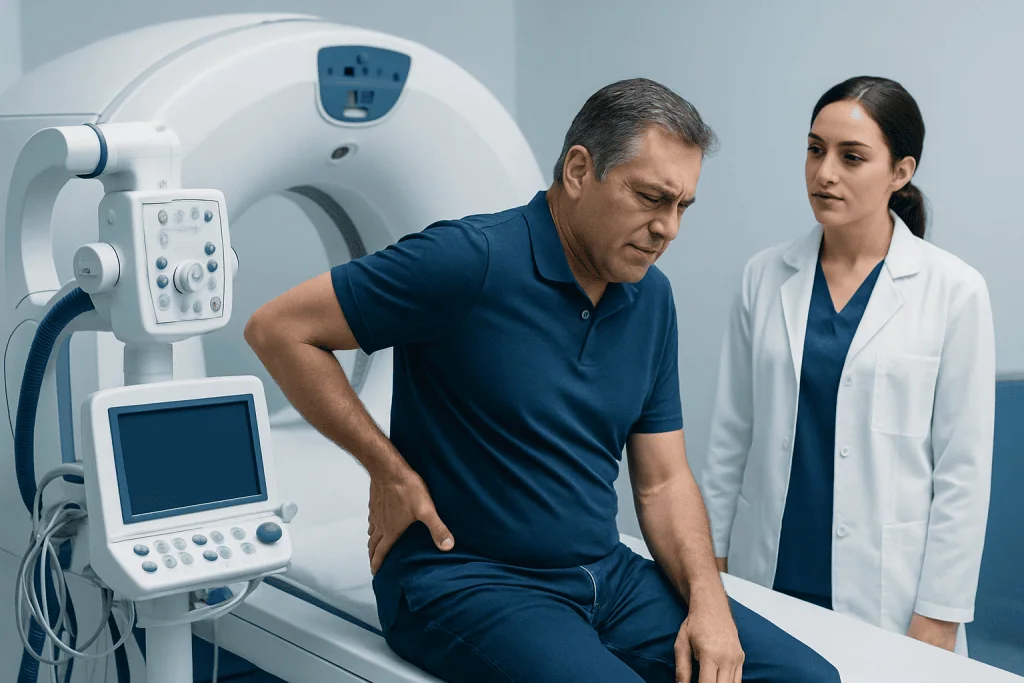
Diverticulitis most often affects the sigmoid colon, which is located in the lower-left side of the abdomen. Inflammation in this area commonly causes steady or increasing lower-left abdominal pain. Some people experience pain that seems to travel toward the lower back, hip, pelvis, or groin. This is sometimes called referred pain, meaning the brain perceives pain in a nearby region even though the source is inside the abdomen.
Inflammation may also make nearby muscles tighten protectively. Guarding the abdominal muscles, changing posture because of pain, resting more than usual, or straining during constipation can all contribute to an aching lower back. These effects can make a digestive problem feel similar to a musculoskeletal back problem.
Back pain may be more concerning if diverticulitis has led to a complication, such as an abscess, a collection of infected fluid near the colon. Complications are less common, but they require prompt evaluation because treatment may involve intravenous fluids, antibiotics, drainage, or surgery depending on the findings.
Symptoms That May Occur Alongside Back Pain

The most typical symptom of diverticulitis is pain or tenderness in the lower-left abdomen. In some people, especially those with a differently positioned colon, pain may be more central or occur on the right side. The discomfort often develops over hours or days and may become worse with movement, coughing, or pressure on the abdomen.
Other symptoms can include fever, chills, bloating, nausea, reduced appetite, constipation, diarrhea, and changes in bowel habits. Some people may notice discomfort when passing urine or urinary frequency because the inflamed bowel can irritate the bladder. These symptoms do not confirm diverticulitis on their own, as they can overlap with urinary, gynecological, and other digestive conditions.
- Persistent lower abdominal pain with low back discomfort
- Fever or feeling generally unwell
- Nausea, vomiting, or poor appetite
- New constipation, diarrhea, or difficulty passing gas
- Abdominal bloating or tenderness
- Painful or frequent urination
Symptoms vary from person to person. Older adults and people with weakened immune systems may have less obvious symptoms despite significant illness, so new or persistent abdominal pain should not be ignored.
Other Possible Causes of Abdominal and Back Pain
Because back pain is so common, it is important not to assume it is caused by diverticulitis. A simple muscle strain may follow lifting, exercise, prolonged sitting, or an awkward movement. Mechanical back pain often changes with position or activity and is less likely to cause fever, abdominal tenderness, or marked changes in bowel habits.
Kidney stones and kidney infections can cause pain in the flank or back that may spread toward the groin. They may also cause nausea, burning during urination, frequent urination, fever, or blood in the urine. Urinary symptoms can overlap with diverticulitis, which is one reason a urine test may be useful during assessment.
Other possibilities include irritable bowel syndrome, constipation, inflammatory bowel disease, appendicitis, gallbladder disease, pancreatitis, hernias, and pelvic conditions. In women, ovarian cysts, endometriosis, pelvic infection, or pregnancy-related conditions may need consideration. A healthcare professional can use the location, timing, severity, and associated symptoms to narrow down the cause safely.
How Doctors Diagnose the Cause
A doctor will usually begin by asking about the pain: where it started, whether it moves to the back, what makes it better or worse, and whether fever, bowel changes, urinary symptoms, or vomiting are present. They will also ask about previous episodes of diverticulitis, medications, medical conditions, and any recent changes in diet or activity.
A physical examination may include gently checking the abdomen for tenderness, bloating, or guarding, as well as assessing the back and, when appropriate, the pelvis. Blood tests can look for signs of inflammation or infection, while urine testing can help identify urinary tract conditions. A pregnancy test may be appropriate for people who could be pregnant.
Computed tomography, or CT, of the abdomen and pelvis is commonly used when doctors need to confirm suspected diverticulitis, determine its severity, or exclude other causes of pain. Imaging is particularly helpful when symptoms are significant, the diagnosis is uncertain, or a complication is possible. After recovery, some people may be advised to have follow-up colon evaluation depending on their age, history, imaging findings, and previous screening.
Treatment, Recovery, and Reducing Future Risk
Treatment depends on whether diverticulitis is uncomplicated or complicated, how severe the symptoms are, and the person’s overall health. Many people with mild uncomplicated diverticulitis can be treated at home with rest, fluids, temporary dietary adjustments, pain relief recommended by a clinician, and close follow-up. Antibiotics are used selectively rather than automatically for every uncomplicated episode, but they may be recommended for people with more severe symptoms or higher risk of complications.
Hospital care may be needed for severe pain, dehydration, inability to drink fluids, persistent vomiting, serious infection, immune suppression, or suspected complications. An abscess may need drainage, and surgery is considered in selected situations, such as a perforation, blockage, fistula, or recurrent disease that substantially affects health and quality of life.
After an acute episode has settled, a gradual return to a balanced, fiber-rich eating pattern can support regular bowel habits for many people. Adequate fluid intake, regular physical activity, maintaining a weight that supports overall health, and avoiding smoking are also associated with lower diverticulitis risk. A clinician can provide individualized guidance, especially for people with kidney disease, bowel conditions, or dietary restrictions.
Acibadem International’s multidisciplinary specialists and JCI-accredited hospitals assess digestive symptoms and provide treatment planning for international patients when diverticulitis or another abdominal condition is suspected.
When to Seek Medical Care
Medical assessment is appropriate for new lower abdominal pain that lasts more than a short time, becomes worse, or occurs with back pain and bowel changes. It is especially important to seek prompt advice if a person has had diverticulitis before but the current symptoms feel different, more severe, or do not improve as expected.
Urgent medical care is needed for severe or rapidly worsening abdominal pain, fever with chills, repeated vomiting, a swollen or rigid abdomen, fainting, confusion, inability to pass stool or gas, or significant rectal bleeding. Pain with fever and urinary symptoms also needs timely assessment because a kidney infection can become serious without treatment.
People who are pregnant, older, immunocompromised, or living with significant chronic medical conditions should contact a healthcare professional early when they develop abdominal pain or feel unwell. Seeking care does not mean a serious cause is likely; it helps ensure that treatable causes are identified and complications are avoided.
Frequently asked questions
Is lower back pain a common symptom of diverticulitis?
Lower back pain can occur with diverticulitis, but it is less common than lower abdominal pain, especially on the left side. Back pain alone is not enough to diagnose diverticulitis because musculoskeletal and urinary causes are much more common.
What does diverticulitis back pain feel like?
It may feel like a dull ache, pressure, or pain that spreads from the lower abdomen into the low back, pelvis, or hip. The pain is often accompanied by abdominal tenderness, fever, bloating, nausea, or a change in bowel habits.
Can diverticulitis cause pain on the right side of the back?
It is possible, although diverticulitis more often causes left-sided lower abdominal symptoms because the sigmoid colon is commonly involved. Right-sided pain can occur when diverticula are inflamed elsewhere in the colon, but it can also indicate other conditions that should be assessed.
How can a doctor tell diverticulitis from kidney pain?
Doctors consider the pain location, symptoms, examination findings, blood tests, and urine tests. A CT scan may be used when the diagnosis is unclear, as it can identify diverticulitis, kidney stones, and several other possible causes of abdominal or back pain.
Should someone use heat for back pain caused by diverticulitis?
A warm pack may feel soothing for muscle-related discomfort, but it does not treat intestinal inflammation or infection. Anyone with suspected diverticulitis should seek medical advice about symptom management rather than relying on home measures if pain is persistent, worsening, or accompanied by fever.
Can uncomplicated diverticulitis get better without surgery?
Yes. Many uncomplicated cases improve with conservative outpatient care and follow-up under a clinician's guidance. Surgery is generally reserved for specific complications or selected recurrent cases, rather than being needed for every episode.
References
- National Institute of Diabetes and Digestive and Kidney Diseases
- American Gastroenterological Association
- American College of Gastroenterology
- National Health Service
- Mayo Clinic
This article is for general information only and is not a substitute for professional medical advice. Please consult a qualified doctor about your individual situation.
Diverticulitis in Turkey — costs, top hospitals & a free quote
JCI-accredited · board-certified surgeons · reply within 24h
Add us as a Preferred Source to see more of our trusted health content across Google Search, AI Overviews and Discover.

General Surgery
Open, laparoscopic and robotic surgery for a broad range of abdominal and soft-tissue conditions.
120 specialists in this unit