Stretch Marks on Back: A Complete Medical Overview

Stretch marks are scars within the skin and are medically known as striae. Rapid growth, body-size changes, muscle building, pregnancy, and hormonal changes can contribute to stretch marks on the back.
Key Takeaways
- Stretch marks are scars within the skin and are medically known as striae.
- Rapid growth, body-size changes, muscle building, pregnancy, and hormonal changes can contribute to stretch marks on the back.
- Newer stretch marks may look red, pink, purple, dark brown, or reddish-brown, depending on skin tone; older marks usually become lighter.
- Moisturizers can relieve dryness and itchiness but do not reliably remove stretch marks.
- A dermatologist can discuss evidence-based options, particularly for newer stretch marks or marks that cause significant concern.
- Sudden widespread stretch marks with other symptoms may need medical assessment to exclude an underlying hormonal condition.
Stretch marks on back are common, harmless lines or bands that develop when skin stretches more quickly than its supportive fibers can adapt. They often occur during growth spurts, pregnancy, weight changes, muscle gain, or use of certain medicines, and usually fade gradually although they may not disappear completely.
Overview: What Are Stretch Marks on the Back?
Stretch marks on back are narrow, slightly indented streaks that form when the skin stretches or changes rapidly. Their medical name is striae. They are a very common skin finding and are not contagious, dangerous, or a sign of poor hygiene. Although they can be noticeable, stretch marks do not harm the muscles, spine, or internal organs beneath the skin.
Back stretch marks may develop across the lower back, upper back, shoulders, or along the sides of the torso. In adolescents, they are often seen as horizontal lines across the lower back during a rapid height increase. In adults, they may appear after changes in weight, body composition, pregnancy, or treatment with corticosteroid medicines. Their appearance can change considerably over time.
At first, stretch marks are often raised or mildly depressed and may be pink, red, purple, brown, or dark brown depending on a person’s natural skin tone. Early marks can sometimes itch or feel tender. Over months to years, they commonly become flatter and paler than the surrounding skin. This natural fading is expected, but complete disappearance is uncommon.
How Stretch Marks Form
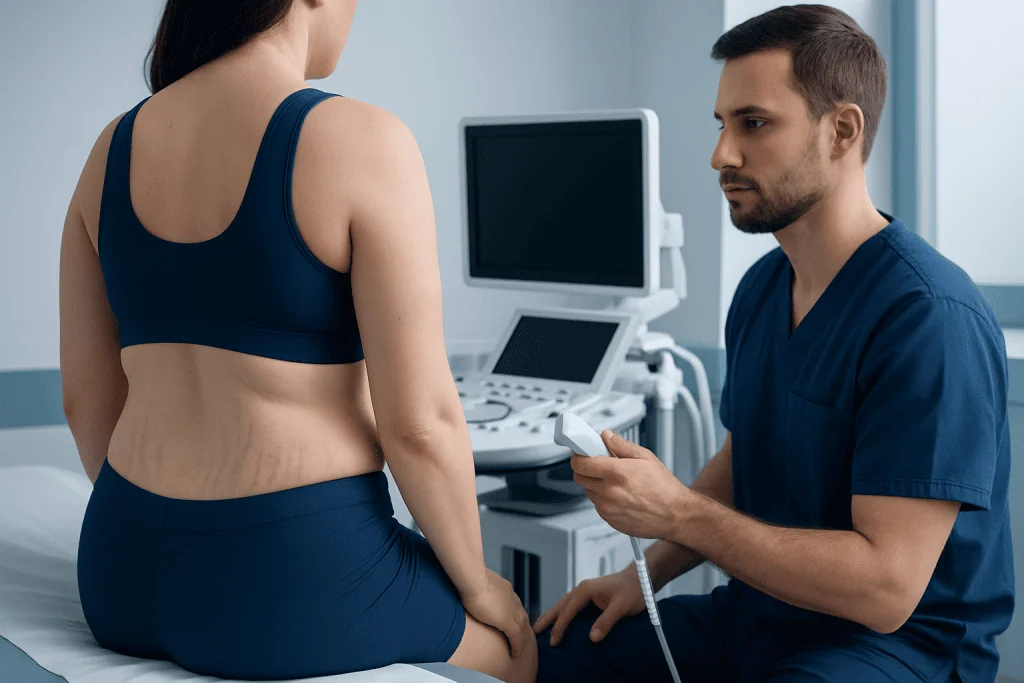
The middle layer of the skin, called the dermis, contains collagen and elastin fibers. These fibers help skin remain strong and flexible. When the skin expands quickly or hormonal signals affect the dermis, microscopic changes can occur in these supporting structures. The surface of the skin then develops the characteristic streaked appearance of stretch marks.
Stretch marks are considered a type of scar. This explains why topical products cannot always erase them and why response to treatment differs from person to person. Genetics, age, skin characteristics, the speed of body changes, and the location of the marks can all influence whether they develop and how visible they become.
It is important to distinguish stretch marks from bruising, infection, or an allergic rash. Stretch marks usually develop gradually in parallel lines and remain in the same area. They do not typically cause warmth, major pain, blistering, fever, or skin breakdown. New, unexplained changes should still be reviewed by a qualified clinician when there is uncertainty about the cause.
Common Causes and Risk Factors

Rapid growth during puberty is one of the most frequent reasons for stretch marks on the back. Teenagers may develop marks across the lower back, particularly during a growth spurt. This can happen in people of any gender and body type. The marks are often temporary in prominence and tend to become less noticeable with time.
Other common contributors include rapid weight gain or loss, increased muscle mass from resistance training, pregnancy, and changes in body shape. Family history also matters: a person may be more likely to develop stretch marks if close relatives have them. Stretch marks may occur in people at any weight and should not be viewed as a judgment about lifestyle or health.
Some medical factors can make stretch marks more likely. Long-term use of strong corticosteroid creams over large areas, oral corticosteroids, or steroid injections may affect collagen in the skin. Rare hormonal conditions associated with excess cortisol, including Cushing syndrome, can also cause broad purple stretch marks, often together with other body changes. Connective-tissue conditions may increase susceptibility in some individuals.
- Rapid adolescent growth or height increase
- Weight or muscle-mass changes occurring over a short period
- Pregnancy and other hormonal shifts
- Family tendency toward stretch marks
- Use of corticosteroid medication, particularly if prolonged
- Less commonly, hormonal or connective-tissue disorders
Symptoms and What They Look Like
Stretch marks on the back usually appear as several parallel lines. Newer marks, sometimes called striae rubrae, have more color because of changes in small blood vessels and inflammation in the early stage. On lighter skin, they may be pink, red, or purple. On deeper skin tones, they may be reddish-brown, purple, or darker than nearby skin.
Older marks are called striae albae. They are often pale, silvery, or lighter than the surrounding skin and can have a slightly shiny or wrinkled surface. In some people, they remain darker rather than lighter. Their texture may feel subtly different from nearby skin, but stretch marks are generally not painful.
A mild itch can occur as marks are developing, especially when the skin feels dry or stretched. Persistent severe itch, burning, substantial pain, rapidly spreading discoloration, or a rash with scaling and blisters is not typical of ordinary stretch marks. These symptoms deserve assessment because another skin condition may be present.
Diagnosis and Medical Assessment
A healthcare professional can usually identify stretch marks by examining the skin and asking about growth, weight changes, exercise, pregnancy, medications, and personal or family history. Tests are not needed for most people. A clinician may also examine other areas where stretch marks commonly occur, such as the abdomen, hips, thighs, breasts, upper arms, or buttocks.
Further evaluation may be considered if marks are unusually wide, deeply purple, widespread, or developing without an apparent reason. The clinician will look for accompanying signs that could suggest an underlying hormonal problem, such as easy bruising, muscle weakness, persistent high blood pressure, changes in menstrual periods, or use of corticosteroid medicines. Any tests are selected based on the person’s full history and examination.
For concerns mainly related to appearance, a dermatologist can explain which options are suitable for the age and color of the stretch marks, skin tone, medical history, and expectations. Photographs may be helpful for monitoring natural fading or response to a treatment plan over time.
Treatment Options and Skin Care
Stretch marks do not require treatment for medical reasons. Many people choose reassurance, time, and simple skin care because marks usually become less distinct naturally. Regular use of a gentle, fragrance-free moisturizer can support the skin barrier and may ease dryness or itchiness. However, moisturizers, oils, cocoa butter, and vitamin E products have not been shown to reliably prevent or remove established stretch marks.
Early stretch marks may respond better than older pale marks to some dermatologist-directed treatments. Depending on the individual situation, options may include topical retinoids, certain laser or light-based procedures, microneedling, or radiofrequency-based treatments. Results are variable, multiple sessions may be needed for procedural treatments, and no option can guarantee complete removal. Topical retinoids are not appropriate during pregnancy and may not be suitable for everyone.
People should be cautious with products claiming to erase stretch marks quickly or permanently. Strong peels, unregulated injections, and home devices can irritate the skin or cause pigment changes, especially when used without professional guidance. A dermatologist can help balance expected benefit, side effects, recovery time, and suitability for an individual’s skin type.
Acibadem International’s multidisciplinary specialists and JCI-accredited hospitals can assess skin concerns and discuss appropriate care options for international patients when medical review is needed.
Prevention, Self-Care, and When to Seek Medical Care
It is not always possible to prevent stretch marks because growth, genetics, and hormonal influences are important factors. Gradual changes in weight or muscle mass, where practical, may reduce rapid skin stretching. Regular meals, adequate hydration, and a balanced pattern of physical activity support overall health, but they cannot guarantee that stretch marks will not form.
For comfortable self-care, people can moisturize after bathing, avoid harsh scrubbing, and choose gentle skin products if the area is itchy or dry. Sun protection may help reduce contrast between stretch marks and surrounding skin, particularly as marks mature. Tanning does not remove stretch marks and can sometimes make their color difference more noticeable.
Medical advice is appropriate when stretch marks appear suddenly and extensively without a clear explanation, are wide and dark purple, or occur alongside easy bruising, unusual weakness, high blood pressure, or other new symptoms. A person should also contact the clinician who prescribed corticosteroids before making any changes to that medication. Prompt assessment is sensible if a skin change is painful, blistering, infected-looking, or uncertain in diagnosis.
Frequently asked questions
Are stretch marks on the back normal?
Yes. Stretch marks on the back are common and are usually harmless. They often occur during puberty, body-weight changes, muscle growth, pregnancy, or other periods of rapid physical change.
Why does a teenager have stretch marks on the lower back?
A rapid growth spurt is a frequent explanation. As height and body shape change quickly, the skin may stretch faster than its supporting fibers can adapt. These marks often fade significantly as the teenager gets older.
Can stretch marks on the back go away completely?
Stretch marks commonly fade and flatten over time, but complete removal is uncommon. Medical treatments may improve texture or color for some people, particularly when marks are relatively new, but results vary.
Do creams or oils remove stretch marks?
Most moisturizers, oils, and over-the-counter creams do not reliably remove established stretch marks. They can still be useful for reducing dryness and itchiness. A dermatologist can advise on treatments with stronger evidence when appearance is a significant concern.
Are purple stretch marks on the back a concern?
Purple or reddish marks can be a normal early stage of stretch marks, especially during growth or rapid body changes. However, a medical review is advisable if they are very wide, appear suddenly without an obvious reason, or occur with easy bruising, weakness, or other unusual symptoms.
Can exercise cause stretch marks on the back?
Exercise itself does not damage the skin, but rapid muscle growth or substantial body-composition changes can contribute to stretch marks in susceptible people. Building muscle gradually may be reasonable, although it cannot fully prevent marks because genetics and hormones also play a role.
References
- American Academy of Dermatology Association
- National Health Service
- Mayo Clinic
- Merck Manual Consumer Version
- Cleveland Clinic
This article is for general information only and is not a substitute for professional medical advice. Please consult a qualified doctor about your individual situation.
Joint and spine care in Turkey — expert assessment & treatment
JCI-accredited · board-certified surgeons · reply within 24h
Add us as a Preferred Source to see more of our trusted health content across Google Search, AI Overviews and Discover.