

Pediatric Neuromuscular
Pediatric neuromuscular care evaluates and manages muscle, nerve and motor disorders in children, combining pediatric neurology, rehabilitation and supportive therapies to improve function and quality of life.

Quick answer
Pediatric neuromuscular care focuses on diagnosing and managing muscle, nerve, and motor disorders in children to support movement, strength, breathing, and daily function. At Acibadem in Turkey, evaluation is carried out by pediatric neurology and rehabilitation teams, with treatment plans that may include medication, physical and occupational therapy, respiratory support, nutrition guidance, and long-term follow-up.
When Your Child’s Strength, Movement or Development Raises Concern
For a parent, few concerns feel more urgent than noticing that a child is not moving, walking, climbing, swallowing or breathing as expected. A baby may feel unusually “floppy.” A toddler may fall often or struggle to rise from the floor. An older child may avoid stairs, tire quickly, walk on toes, develop muscle cramps, or lose skills that were previously easy. Sometimes the first sign is subtle: delayed motor milestones, difficulty keeping up with peers, problems with handwriting, frequent fatigue, or changes in posture.
Pediatric neuromuscular care is designed for these exact situations. It evaluates and manages disorders that affect the muscles, peripheral nerves, neuromuscular junction, motor neurons and related movement systems in children. These conditions can be inherited, immune-mediated, metabolic, inflammatory or acquired. Some progress over time, while others remain stable or improve with treatment. Many require long-term follow-up, not only to understand the diagnosis but also to protect mobility, breathing, nutrition, heart health, growth, comfort and independence.
Families often arrive with many questions. Is this a delay or a disease? Will my child walk? Could breathing or the heart be affected? Is there a genetic cause? Are there treatment options? Can therapy improve function? Should siblings be tested? What does this mean for school, sports and daily life?
The purpose of pediatric neuromuscular care is to answer these questions with careful clinical evaluation, modern diagnostic testing and a coordinated treatment plan. At Acibadem, children with suspected or confirmed neuromuscular disorders are assessed by experienced pediatric specialists and supported by rehabilitation, respiratory, orthopedic, cardiology, nutrition, genetics and other services when needed. The goal is not only to identify the condition, but to help the child function as well as possible, prevent avoidable complications and guide the family through each stage of care.
What Pediatric Neuromuscular Care Is
Pediatric neuromuscular care is a specialized medical service focused on disorders that interfere with the way nerves and muscles communicate and work together. In a healthy motor system, the brain and spinal cord send signals through motor nerves to activate muscles. The neuromuscular junction passes those signals to the muscle fibers, and the muscles contract to produce movement. Problems at any point in this pathway can lead to weakness, fatigue, poor coordination, low muscle tone, stiffness, pain, delayed milestones or loss of function.
This field sits at the intersection of pediatric neurology, physical medicine and rehabilitation, genetics, pulmonology, cardiology, orthopedics and child development. A child may need diagnostic testing, medication, genetic counseling, rehabilitation therapy, assistive devices, breathing support, nutritional management, orthopedic monitoring or school accommodations. The best care is usually multidisciplinary because neuromuscular disorders affect more than one part of a child’s life.
Pediatric neuromuscular care may include:
- Detailed neurological examination to assess strength, tone, reflexes, coordination, gait, posture and motor development.
- Laboratory testing such as muscle enzyme levels, inflammatory markers, metabolic studies and other blood tests.
- Genetic testing and counseling to identify inherited neuromuscular disorders and guide family planning or sibling evaluation.
- Electrodiagnostic studies such as nerve conduction studies and electromyography when appropriate for the child’s age and clinical question.
- Imaging such as muscle MRI, spine imaging or brain imaging when these help clarify the diagnosis or assess complications.
- Cardiac and respiratory evaluation because some neuromuscular disorders can affect heart muscle, breathing muscles or sleep-related breathing.
- Rehabilitation planning including physical therapy, occupational therapy, stretching, strengthening, mobility training and adaptive equipment.
- Medical treatment including disease-specific therapies where available, immune therapy, symptom management and prevention of complications.
For some children, the first visit leads to reassurance and a plan for monitoring. For others, it begins a structured diagnostic process. When a diagnosis is already known, the focus may shift toward optimizing treatment, tracking function, addressing complications and supporting the child’s participation in family, school and social life.
Who May Need Pediatric Neuromuscular Evaluation
A child may be referred for pediatric neuromuscular evaluation when there are signs of muscle weakness, abnormal tone, delayed motor development, unexplained fatigue or loss of motor skills. Some children are referred by a pediatrician after routine developmental screening. Others are seen after an emergency visit, orthopedic assessment, physical therapy evaluation, abnormal blood test, genetic test result or family history of a neuromuscular condition.
Common symptoms and signs include:
- Delayed head control, rolling, sitting, crawling or walking
- Low muscle tone, sometimes described as “floppiness”
- Frequent falls, clumsiness or difficulty running
- Difficulty climbing stairs, jumping or rising from the floor
- Walking on toes, waddling gait or abnormal posture
- Weak grip, difficulty opening containers, writing fatigue or hand weakness
- Muscle cramps, stiffness, pain or exercise intolerance
- Loss of previously acquired motor skills
- Facial weakness, drooping eyelids, double vision or difficulty chewing
- Feeding problems, choking, poor weight gain or swallowing difficulty
- Breathing difficulties, weak cough, recurrent chest infections or sleep problems
- Spinal curvature, contractures or joint tightness
- Family history of muscular dystrophy, neuropathy, spinal muscular atrophy or unexplained childhood weakness
Diagnosis begins with listening carefully to the family’s observations. Parents often notice patterns that are important: whether symptoms are constant or fluctuate, whether fatigue worsens later in the day, whether infections trigger weakness, whether a child is losing skills, or whether other relatives have similar symptoms. The physician then performs a neurological and musculoskeletal examination to determine whether the problem appears to involve muscle, nerve, motor neuron, neuromuscular junction, central nervous system or another cause.
Diagnostic pathways are individualized. A child with elevated muscle enzymes and progressive weakness may need genetic testing for muscular dystrophy. A baby with severe hypotonia may need urgent evaluation for spinal muscular atrophy or congenital myopathy. A child with fluctuating weakness and drooping eyelids may be assessed for myasthenic syndromes. A child with burning pain or foot drop may need testing for peripheral neuropathy. In some cases, a precise diagnosis requires several steps and interpretation by specialists familiar with rare pediatric conditions.
Early and accurate diagnosis matters because treatment options, monitoring needs and family counseling differ widely between conditions. It also helps avoid unnecessary tests, inappropriate exercise plans or delays in supportive care.
Conditions and Indications Addressed
Pediatric neuromuscular care covers a broad group of conditions. Some are rare and genetically determined; others are acquired or immune-related. The clinical presentation may range from mild exercise intolerance to severe weakness requiring respiratory and nutritional support. A child may need evaluation for a suspected condition, ongoing care for an established diagnosis, or a second opinion when previous testing has been inconclusive.
Conditions commonly addressed include:
- Muscular dystrophies, including Duchenne and Becker muscular dystrophy and other inherited dystrophies that cause progressive muscle weakness.
- Spinal muscular atrophy, a motor neuron disorder that can affect infants, children and adolescents with varying severity.
- Congenital myopathies, which often present with early hypotonia, delayed motor milestones, weakness or breathing and feeding challenges.
- Congenital muscular dystrophies, a group of inherited disorders that may affect muscle, brain, eyes, joints and other systems.
- Peripheral neuropathies, including inherited neuropathies and acquired nerve disorders that can cause weakness, sensory changes or foot deformities.
- Neuromuscular junction disorders, including juvenile myasthenia gravis and congenital myasthenic syndromes, often associated with fatigable weakness.
- Inflammatory muscle diseases, such as juvenile dermatomyositis and other immune-mediated myopathies.
- Metabolic and mitochondrial muscle disorders, which may cause exercise intolerance, fatigue, episodes of weakness, pain or multisystem symptoms.
- Motor development concerns when weakness, low tone or abnormal movement raises concern for an underlying neuromuscular diagnosis.
- Respiratory, orthopedic and nutritional complications related to neuromuscular disease, including scoliosis, contractures, weak cough, sleep-disordered breathing and feeding difficulties.
Not every child with delayed motor development has a neuromuscular disease. Developmental variation, prematurity, orthopedic issues, endocrine disorders, central nervous system conditions and other medical problems can sometimes look similar. A careful evaluation helps distinguish these possibilities and guides the right next step.
How Pediatric Neuromuscular Care Is Performed
Pediatric neuromuscular care is a process rather than a single procedure. It usually begins with a comprehensive consultation and continues through diagnostic testing, treatment planning, rehabilitation and follow-up. The pace depends on the child’s symptoms. Some children need urgent evaluation, especially if breathing, swallowing or rapid loss of strength is involved. Others can be evaluated in a planned outpatient setting.
Preparation Before the Visit
Families are encouraged to gather previous medical records, growth charts, developmental notes, genetic test results, laboratory reports, imaging studies, therapy assessments and videos of the child’s walking, climbing, rising from the floor or performing daily activities. Short home videos can be particularly useful because children may perform differently in a clinic than they do at home.
For international patients, preparation often includes remote review of available records before travel. Acibadem International patient services can assist with appointment coordination, medical documentation, translation needs and planning for the child and family. When possible, the clinical team may advise which tests should be brought from home and which may need to be repeated or expanded after evaluation.
Clinical Evaluation
The first medical visit usually includes a detailed history and neurological examination. The physician asks about pregnancy and birth history, developmental milestones, feeding, breathing, infections, exercise tolerance, falls, pain, fatigue, school performance, family history and previous treatments. The examination evaluates muscle strength, tone, reflexes, sensation, coordination, gait, joint range of motion, spine alignment and functional movements such as standing from the floor or climbing onto an examination table.
The visit may take longer than a standard pediatric appointment because the assessment is detailed and child-centered. Younger children may need breaks. The team may observe play, posture and spontaneous movement rather than relying only on formal testing.
Diagnostic Testing
Testing is selected according to the suspected diagnosis. Blood tests may measure muscle enzymes, inflammatory markers, thyroid function, metabolic indicators, vitamin levels or immune markers. Genetic testing may range from targeted testing for a known condition to broader gene panels or more extensive sequencing when the diagnosis is uncertain. Genetic interpretation is especially important because not every genetic variant explains a child’s symptoms.
Electrodiagnostic studies can help distinguish nerve, muscle and neuromuscular junction disorders. These tests are performed with attention to the child’s age, comfort and clinical necessity. Imaging may include muscle MRI to identify patterns of muscle involvement, spine imaging for scoliosis or spinal concerns, or brain imaging if central causes are being considered. In selected cases, a muscle or nerve biopsy may be discussed, although advances in genetic testing have reduced the need for biopsy in many conditions.
Because some neuromuscular disorders affect breathing and the heart, children may also undergo pulmonary function testing, sleep evaluation, cardiac examination, electrocardiography or echocardiography. Swallowing studies, nutritional evaluation and orthopedic assessment may be added when symptoms suggest a need.
Multidisciplinary Review and Treatment Planning
Once the information is available, the care plan is developed by the relevant specialists. Depending on the diagnosis, this may involve pediatric neurology, rehabilitation medicine, pulmonology, cardiology, orthopedics, genetics, nutrition, physical therapy, occupational therapy, speech and swallowing therapy, psychology and nursing support. Complex cases may be discussed in specialist boards so that decisions reflect a broad view of the child’s medical and functional needs.
Treatment may include disease-specific medication when appropriate. Examples include therapies that modify disease activity in certain genetic neuromuscular disorders, corticosteroids or other regimens for selected muscular dystrophies, immune therapy for inflammatory or autoimmune conditions, and medications that improve neuromuscular transmission in specific junction disorders. Treatment decisions depend on diagnosis, age, disease stage, previous therapy, potential benefits, side effects and international evidence-based protocols.
Rehabilitation is central to care. Physical therapy may focus on stretching, posture, safe strengthening, balance, endurance and mobility. Occupational therapy supports hand function, self-care, school participation and adaptive strategies. Speech and swallowing therapy may help children with feeding, communication or aspiration risk. Orthoses, splints, mobility aids, seating systems and home exercise programs may be recommended to preserve function and reduce complications.
Respiratory care may include cough-assist strategies, airway clearance, sleep monitoring or noninvasive ventilation when needed. Nutritional care may address growth, swallowing safety, constipation, bone health and calorie needs. Orthopedic care may monitor scoliosis, hip position, foot deformities and contractures. Psychological and social support can help children and families adjust to a long-term diagnosis and make practical decisions about school and daily life.
Typical Duration and Follow-Up
The initial consultation may take one to several hours depending on the complexity of the child’s condition and whether multiple specialists are seen on the same day. Diagnostic testing may be completed over several days or staged over a longer period, particularly when genetic results are involved. Some test results are available quickly, while genetic interpretation can take longer.
Follow-up frequency varies. A child with a stable mild neuropathy may be monitored periodically. A child starting a disease-specific therapy or showing rapid progression may need closer follow-up. Infants, children with respiratory risk, and children with feeding or cardiac concerns may require more frequent assessment. The recovery process in neuromuscular care is best understood as functional progress and complication prevention rather than healing from a single operation. Families and clinicians track strength, endurance, mobility, breathing, nutrition, comfort, school participation and quality of life over time.
Why Acting Early Matters
Early evaluation can change the course of care for many children with neuromuscular disorders. Some conditions now have treatments that are most effective when started before significant loss of motor neurons, muscle tissue or function. In other disorders, early supportive care helps prevent complications that may be difficult to reverse later, such as contractures, severe scoliosis, poor growth, recurrent respiratory infections or loss of mobility.
Delaying evaluation may allow weakness, fatigue or respiratory problems to progress unnoticed. A child who appears simply “slow” or “clumsy” may be developing compensatory movements that strain joints and increase fall risk. A child with weak breathing muscles may first show problems during sleep, long before daytime breathing appears abnormal. Swallowing difficulty may be subtle but can contribute to poor weight gain or aspiration. Cardiac involvement may not cause symptoms early, yet may require monitoring in specific muscular dystrophies and related conditions.
Early diagnosis also helps families make informed decisions. It can clarify inheritance patterns, identify whether siblings or relatives should be tested, guide school accommodations and help families plan therapy, travel and long-term support. Even when a condition does not have a curative treatment, timely care can improve comfort, preserve abilities and reduce avoidable medical crises.
Benefits of Pediatric Neuromuscular Care
The benefits of treatment depend on the diagnosis, but coordinated pediatric neuromuscular care can help families move from uncertainty to a structured plan.
| Benefit | What It Means for You |
|---|---|
| Accurate diagnosis | A clear diagnosis helps explain symptoms, guide treatment and reduce unnecessary testing or uncertainty. |
| Earlier access to appropriate therapies | When disease-specific or immune treatments are suitable, early evaluation can help determine eligibility and timing. |
| Improved function and participation | Rehabilitation, adaptive strategies and supportive devices can help a child move, learn, play and participate more safely. |
| Prevention of complications | Monitoring breathing, heart health, nutrition, spine alignment and joint flexibility can reduce avoidable problems. |
| Family guidance | Genetic counseling, education and practical planning help families understand what to expect and how to support the child. |
| Coordinated long-term care | Multiple specialists can align recommendations so the child’s care is organized around shared goals. |
Recovery and Care Timeline
Because neuromuscular care is individualized, the timeline below describes what many families can expect during evaluation, treatment initiation and follow-up.
| Time Period | What Patients Can Expect |
|---|---|
| Day 1 | The child usually undergoes a detailed consultation, neurological examination and review of previous records. Initial tests may be ordered, and urgent issues such as breathing or swallowing concerns are prioritized. |
| First Week | Blood tests, imaging, rehabilitation assessments, cardiac or respiratory evaluations may be completed depending on the clinical picture. Families may receive early guidance on safe activity, stretching or precautions. |
| First Month | Diagnostic results begin to shape the care plan. Treatment may start for conditions where the diagnosis is clear, while genetic or specialized results may still be pending in some cases. |
| Several Months | Therapy plans are adjusted based on progress. The team monitors strength, mobility, fatigue, breathing, nutrition and tolerance of medications or supportive interventions. |
| Longer Term | Ongoing follow-up focuses on maintaining function, preventing complications, updating treatment as the child grows and supporting school, independence and family planning needs. |
Factors That Influence Outcomes
Outcomes in pediatric neuromuscular disorders vary widely. They depend on the specific diagnosis, the age at symptom onset, severity at the time of evaluation, rate of progression, respiratory and cardiac involvement, nutritional status, access to disease-specific therapy, response to rehabilitation and the presence of orthopedic complications. The same diagnosis may look different from one child to another, even within the same family.
A good result is not defined only by muscle strength. For many children, meaningful progress may include walking more safely, reducing falls, maintaining range of motion, improving endurance, sleeping better, gaining weight appropriately, preventing respiratory infections, improving hand function, reducing pain, participating at school or feeling more confident in daily activities. For children with progressive conditions, care may focus on preserving abilities for as long as possible and preparing for changes before they become urgent.
Several factors can support better outcomes:
- Timely diagnosis. Earlier identification can open the door to treatment, surveillance and prevention strategies.
- Consistent follow-up. Regular monitoring helps detect changes in breathing, heart health, spine alignment or mobility before they cause major problems.
- Appropriate rehabilitation. Therapy should match the diagnosis. Excessive or poorly designed exercise may be harmful in some muscle diseases, while targeted activity can be beneficial in others.
- Respiratory and cardiac surveillance. Some conditions require proactive testing even when symptoms are not obvious.
- Nutritional support. Growth, bone health and swallowing safety affect strength, energy and resilience.
- Family education. Parents who understand warning signs, safe activity and home care strategies are better prepared to support the child.
- Coordinated specialist input. Aligned recommendations reduce conflicting advice and help families make practical decisions.
It is also important to recognize the emotional side of care. Children may feel frustrated if they cannot keep up with peers, and parents may feel grief, guilt or uncertainty while waiting for answers. Psychological support, school communication and age-appropriate education can be valuable parts of the care plan.
Why International Patients Choose Acibadem for Pediatric Neuromuscular Care
Families traveling abroad for pediatric neuromuscular care are usually seeking more than a consultation. They want careful diagnostic reasoning, access to experienced pediatric specialists, coordinated services and clear communication in a language they understand. They may also be looking for a second opinion after inconclusive testing or for a comprehensive plan that brings multiple specialties together.
Acibadem provides pediatric neuromuscular evaluation within JCI-accredited hospitals, supported by modern diagnostic pathways and multidisciplinary care. Children can be assessed by pediatric neurology and, when needed, by rehabilitation medicine, pulmonology, cardiology, orthopedics, genetics, nutrition, radiology, intensive care and therapy teams. This structure is particularly important for neuromuscular conditions because a treatment plan may need to address movement, breathing, nutrition, growth, spine health and family counseling at the same time.
Technology is used to support clinical judgment rather than replace it. Advanced imaging can help identify muscle patterns, spine complications or related neurological findings. Electrodiagnostic testing can clarify whether weakness arises from nerve, muscle or neuromuscular junction involvement. Genetic testing can identify inherited causes and may guide treatment eligibility or family counseling. Pulmonary function testing, sleep evaluation and cardiac assessment help detect complications that may not be visible during a routine examination. Rehabilitation technologies, orthotic planning and functional assessments help translate diagnosis into practical daily support.
For international patients, coordination is a significant part of the experience. Acibadem International assists with medical record transfer, appointment scheduling, interpretation and communication in more than 20 languages. Families may need support arranging multiple evaluations during one visit, understanding test timelines, coordinating follow-up after returning home or obtaining documentation for schools and physicians in their country. The aim is to make the medical process organized and understandable, especially for parents managing a complex diagnosis far from home.
Personalized treatment planning is essential. Two children with similar weakness may need very different care. One may require urgent genetic testing and respiratory monitoring; another may benefit most from rehabilitation, orthotic support and periodic surveillance. One child may be eligible for a disease-modifying therapy; another may need immune treatment, nutritional support or orthopedic planning. Acibadem’s approach is to match the evaluation and treatment plan to the child’s diagnosis, age, functional status, family goals and medical priorities.
International families also value clear second opinions. A second opinion may confirm a diagnosis, reinterpret genetic findings, suggest additional testing, review whether a treatment is appropriate, or provide a long-term care roadmap. For rare neuromuscular disorders, this can be especially helpful because families often face complex information, evolving treatment options and decisions that affect siblings and future pregnancies.
Moving Forward With Clarity and Support
If your child has delayed milestones, weakness, frequent falls, fatigue, loss of skills or a known neuromuscular diagnosis, a specialized evaluation can help clarify what is happening and what can be done next. Pediatric neuromuscular care is most effective when it is precise, coordinated and attentive to the whole child: not only muscles and nerves, but breathing, nutrition, growth, comfort, learning, independence and family life.
At Acibadem, families can request a consultation or second opinion to review symptoms, previous testing and treatment options with pediatric specialists. Whether your child needs diagnosis, ongoing management, rehabilitation planning or multidisciplinary review, the first step is a careful assessment and a plan that is understandable for your family.
This information is general and is not a substitute for professional medical advice. Diagnosis and treatment decisions should always be made with a qualified physician who can evaluate your child’s individual medical condition.
Preparation
- Bring your child’s medical records, previous MRI, EMG, genetic or laboratory results, and a list of medications. Parents may be asked to describe developmental milestones, walking changes, fatigue, swallowing or breathing concerns. Comfortable clothing helps the team assess movement and muscle strength.
Aftercare
- After the visit, families receive an individualized plan that may include rehabilitation, assistive devices, medication review, genetic counseling or further tests. Regular follow-up is important to monitor growth, mobility, breathing and nutrition. Home exercises and school-based support may be recommended to maintain daily function.
Turkey vs UK, Germany & USA
Pediatric neuromuscular care often involves diagnosis, rehabilitation planning and long-term follow-up, so costs can vary widely by the child’s needs. Comparing destinations helps families understand practical factors such as access, coordination, accreditation, language support and what is included in a care package.
The comparison below focuses on cost and patient-experience factors for international families considering pediatric neuromuscular evaluation or care.
| Factor | Turkey | UK | Germany | USA |
|---|---|---|---|---|
| Price drivers | Costs are influenced by specialist consultations, diagnostic testing, rehabilitation sessions, imaging, genetic tests and length of stay; bundled international patient pathways may be available. | Private care costs depend on consultant fees, hospital charges, diagnostic tests and therapy access; public pathways may involve referral criteria and waiting lists. | Costs vary by university hospital or private clinic, subspecialist input, testing depth and rehabilitation intensity. | Costs may be highly variable due to hospital billing, specialist fees, diagnostics, therapies and insurance arrangements. |
| Hospital and specialist factors | Multidisciplinary pediatric neurology, rehabilitation, physiotherapy and supportive services may be coordinated within one hospital group. | Care may be delivered across specialist children’s hospitals, private hospitals and community therapy services. | Specialist centers may offer advanced diagnostics and structured rehabilitation, often with detailed referral documentation. | Large pediatric centers may provide broad subspecialty access, with billing and scheduling often separated by provider. |
| Accreditation and quality | International families may look for JCI-accredited hospitals, pediatric expertise, intensive care availability and coordinated safety standards. | Quality is supported by national regulation, specialist training pathways and established pediatric hospital standards. | Quality is supported by national healthcare regulation, specialist certification and hospital quality systems. | Quality varies by center and may include pediatric specialty accreditation, academic programs and hospital quality reporting. |
| Typical waiting times | Private international scheduling may allow planned appointments after medical record review, depending on the required specialists and tests. | Public access can involve waiting; private appointments may be faster but depend on consultant and diagnostic availability. | Appointments at major centers may require advance scheduling, especially for complex diagnostics or rehabilitation programs. | Access depends on center capacity, insurance authorization and subspecialist availability. |
| Travel and language logistics | International patient teams may support appointment planning, translation, airport and hotel coordination, and medical record preparation. | English language access is straightforward for many families; travel and accommodation are usually arranged separately. | Interpreter support may be needed; medical documentation and care coordination can require advance preparation. | English language access is typical; long-distance travel, insurance communication and accommodation can add complexity. |
| What a package may include | Packages may include pediatric neurology consultation, rehabilitation assessment, selected tests, care coordination and interpreter support, depending on the case. | Private packages may cover consultations and selected tests, while therapy and follow-up may be billed separately. | Packages may be less standardized and may separate diagnostics, specialist review, inpatient care and therapy. | Packages are often itemized, with separate charges from hospital, physicians, imaging, laboratory and therapy providers. |
What affects your final cost
- Diagnosis complexity: children needing genetic, metabolic, electrophysiology or advanced imaging tests may require a broader workup.
- Care setting: outpatient evaluation, day treatment, inpatient admission and intensive rehabilitation have different resource needs.
- Specialist team: pediatric neurology, rehabilitation medicine, orthopedics, pulmonology, nutrition, speech therapy and physiotherapy may all contribute.
- Assistive needs: orthotics, mobility aids, respiratory equipment or feeding support may change the overall plan.
- Follow-up plan: ongoing therapy, monitoring, medication adjustment and remote consultations can affect total care costs.
- Travel support: interpreter services, accommodation, local transport and caregiver needs may influence the overall budget.
Compare your options
Pediatric neuromuscular care is individualized. The most suitable option or combination of options is decided by a specialist after reviewing the child’s symptoms, examination findings and previous test results.
| Option | What it is | Typical use | Key considerations |
|---|---|---|---|
| Multidisciplinary diagnostic assessment | Evaluation by pediatric neurology and related specialists with physical examination, medical history review and functional assessment. | Used when a child has weakness, delayed motor development, abnormal tone, fatigue, gait changes or suspected neuromuscular disease. | Helps define the next tests and care plan; families should bring prior records, videos, imaging and test results when available. |
| Genetic, metabolic and laboratory testing | Blood tests and genetic analyses that may identify inherited or metabolic causes of neuromuscular symptoms. | Used when a hereditary condition, metabolic disorder or unclear diagnosis is suspected. | Testing choice depends on clinical findings; counseling may be recommended to explain results and family implications. |
| Electrophysiology and imaging | Tests such as nerve and muscle function studies, ultrasound or MRI when clinically appropriate. | Used to help distinguish nerve, muscle, junctional or central motor problems. | Some children may need preparation, sedation planning or age-appropriate support for comfort and safety. |
| Rehabilitation and physiotherapy | Individualized therapy to support strength, flexibility, posture, balance, mobility and daily function. | Used for many neuromuscular disorders to maintain ability, prevent complications and support participation in daily life. | Therapy goals should be realistic, measurable and adapted to the child’s diagnosis, age and endurance. |
| Supportive respiratory, nutrition and swallowing care | Assessment and management of breathing, coughing, feeding, swallowing and nutrition needs. | Used when weakness affects breathing, sleep quality, cough strength, growth or safe feeding. | Early supportive care may improve comfort and safety; plans may involve pulmonology, nutrition and speech-language therapy. |
| Disease-specific medication or advanced therapy | Targeted treatment, infusion therapy, medication adjustment or clinical follow-up for eligible conditions. | Used when a confirmed diagnosis has an approved or specialist-recommended therapy pathway. | Eligibility, benefits, risks and monitoring requirements must be reviewed by a pediatric specialist team. |
Trusted care for international patients
General information only — not medical or financial advice. Final costs depend on the factors above and your individual case; request a free, personalised quote.
Doctors Performing This Treatment

Prof. Dr. Ayhan Aşkın
Physical Medicine & Rehabilitation
Prof. Dr. Cihan Aksoy
Physical Medicine & Rehabilitation
Prof. Dr. Ece Aydoğ
Physical Medicine & Rehabilitation
Prof. Dr. Emel Özcan
Physical Medicine & Rehabilitation
Prof. Dr. Ferda Özdemir
Physical Medicine & Rehabilitation
Prof. Dr. Halil Koyuncu
Physical Medicine & Rehabilitation
Prof. Dr. İlker Yağcı
Physical Medicine & Rehabilitation
Assoc. Prof. Dr. Gökşen Gökşenoğlu
Physical Medicine & Rehabilitation
Dr. Aynur Göksel
Physical Medicine & Rehabilitation
Dr. Mukhtar Shahgaldıyev
Physical Medicine & Rehabilitation
Dr. Nesrin Yılmaz Baıramov
Physical Medicine & Rehabilitation
Dr. R.Şirin Atlığ
Physical Medicine & Rehabilitation
Dr. Sema Çetin
Physical Medicine & Rehabilitation
Dr. Ufuk Güngör
Physical Medicine & Rehabilitation
Fzt. Aslı Hacıoğlu
Physical Medicine & Rehabilitation
Fzt. Atahan Vardı
Physical Medicine & Rehabilitation
Fzt. Busenur Sezer
Physical Medicine & Rehabilitation
Fzt. Ceren Kandemir Gençsoylu
Physical Medicine & Rehabilitation
Fzt. Cihan Seyyah
Physical Medicine & Rehabilitation
Fzt. Ece Burçak Özuyguntaş
Physical Medicine & Rehabilitation
Fzt. Eda Şişman
Physical Medicine & Rehabilitation
Fzt. Fırat Çenberci
Physical Medicine & Rehabilitation
Fzt. Gizem Aydın
Physical Medicine & Rehabilitation
Fzt. Gizem Sevimli
Physical Medicine & RehabilitationMedical Units
Available at These Hospitals








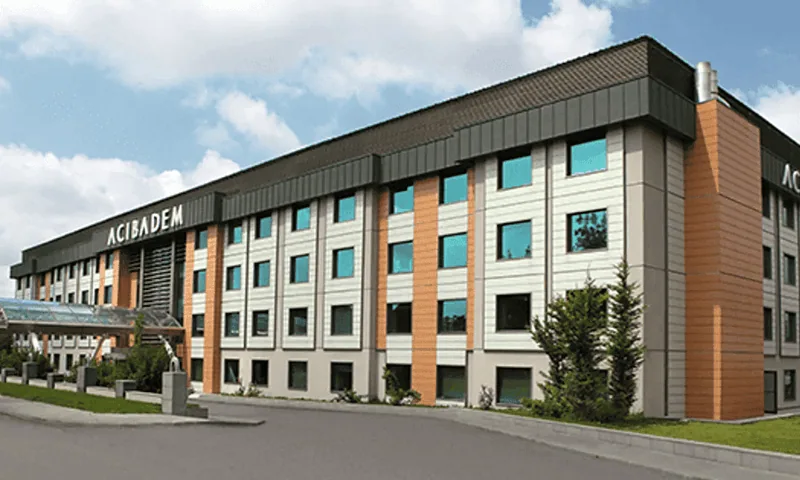



Frequently Asked Questions
What affects the cost of pediatric neuromuscular care?
The final cost depends on the child’s diagnosis, the specialists involved, the tests required, whether care is outpatient or inpatient, rehabilitation intensity, medication needs and follow-up planning. A personalized quote can be prepared after medical records are reviewed.
How can I get a quote from Acibadem?
You can request a free consultation and share the child’s medical history, previous test results, imaging, genetic reports, therapy notes and current medications. The international patient team can then help coordinate specialist review and provide a tailored care plan and quotation.
What is usually included in an international patient package?
A package may include appointment coordination, pediatric specialist consultation, selected diagnostic tests, rehabilitation assessment, interpreter support and care planning. Items such as extra tests, inpatient care, medications, assistive devices, hotel stays or travel arrangements may be quoted separately depending on the case.
Will my child need many tests before treatment is planned?
Not always. Some children need only a focused review and rehabilitation plan, while others require genetic testing, electrophysiology, imaging or supportive assessments. The specialist decides which tests are necessary based on symptoms, examination findings and prior records.
Is pediatric neuromuscular care in Turkey suitable for international families?
Turkey can be a practical option for families seeking coordinated private care, multilingual support and access to JCI-accredited hospital services. Suitability depends on the child’s medical condition, travel safety and the required level of care, which should be assessed before travel.
Is the quote medical or financial advice?
Any estimate is for planning purposes and is not a substitute for medical or financial advice. The final treatment plan and cost can change after in-person examination, specialist evaluation and confirmation of the required tests or therapies.