Does Asthma Go Away? A Doctor-Reviewed Answer

Asthma symptoms may disappear for years, but airway sensitivity can remain and symptoms can recur. Some children appear to outgrow asthma, while others continue to have asthma or develop symptoms again later in life.
Key Takeaways
- Asthma symptoms may disappear for years, but airway sensitivity can remain and symptoms can recur.
- Some children appear to outgrow asthma, while others continue to have asthma or develop symptoms again later in life.
- A new cough, wheeze, or breathlessness is not always asthma and deserves medical assessment when persistent or recurrent.
- Regular preventive treatment, correct inhaler technique, and trigger management can help many people keep asthma well controlled.
- Severe breathing difficulty, blue or grey lips, confusion, or poor response to a reliever inhaler needs urgent medical care.
Asthma can become much less noticeable or symptom-free for long periods, particularly in some children, but it is not usually considered permanently cured. Symptoms that return, worsen, or affect breathing should be assessed so a doctor can confirm the cause and update the treatment plan.
Does asthma go away?
Asthma often becomes quiet for long periods, and many people have few or no symptoms between episodes. This is usually reassuring, especially when breathing is normal and daily activities are unaffected. However, asthma does not always disappear permanently: the airways may remain more sensitive than usual, and symptoms can return with infections, allergens, exercise, smoke, cold air, or other triggers.
Some children with asthma-like symptoms, particularly symptoms linked to early viral infections, have no ongoing asthma as they grow older. Others have a period called remission, meaning they do not have symptoms or need regular treatment for a time. Remission is not the same as a guaranteed cure, because wheeze, cough, chest tightness, or shortness of breath can recur in adolescence or adulthood.
It is important not to assume that any returning breathing symptom is asthma. Colds, allergies, reflux, anxiety, heart conditions, vocal cord problems, and other lung conditions can cause similar symptoms. A clinician can help identify the cause and decide whether asthma treatment is needed.
Why asthma can seem to disappear and return
Asthma is a long-term condition in which the airways become inflamed and overly responsive. When inflammation is controlled and triggers are avoided, the airways may function normally enough that a person feels completely well. This can make asthma seem to have gone away, even though the underlying tendency for airway narrowing may still be present.
Symptoms commonly vary over time. For example, a person may wheeze only during pollen season, after running in cold weather, or when they have a respiratory infection. Hormonal changes, weight changes, workplace exposures, smoking or vaping, and changes in medication use may also affect asthma control. A symptom-free period should therefore be viewed as a positive sign of control or remission, rather than a reason to stop prescribed treatment without medical advice.
Children are more likely than adults to have symptoms that lessen with age, but outcomes differ from person to person. Childhood eczema, allergies, a family history of asthma, frequent wheezing, and symptoms that persist beyond early childhood can make ongoing asthma more likely. Adults can also develop asthma for the first time, including later in life.
Signs that asthma may still be active

Asthma does not always cause obvious wheezing. A persistent cough, particularly at night or early in the morning, can be a sign. Other possible symptoms include a whistling sound when breathing out, chest tightness, shortness of breath, tiredness during exercise, or needing to pause more often than expected during activity.
Symptoms that occur repeatedly after exposure to a trigger are particularly relevant. Common triggers include viral colds, house dust mites, animal dander, pollen, mold, air pollution, strong odors, tobacco smoke, exercise, cold air, and some workplace chemicals. Not every person has the same triggers, and symptoms may not occur with every exposure.
Needing a quick-relief inhaler more often than advised, waking due to cough or breathlessness, or limiting work, school, sleep, or exercise may suggest that asthma is not well controlled. These changes are a reason to arrange a review, even if symptoms improve again after a few days.
- Night-time cough, wheeze, or breathlessness
- Symptoms during or after exercise
- Repeated chest symptoms with colds
- Increasing use of a reliever inhaler
- Reduced ability to perform usual daily activities
How a doctor checks for asthma or another cause
A doctor usually begins by asking about the pattern of symptoms: when they started, how often they occur, whether they vary from day to day, and what seems to trigger or relieve them. They may ask about allergies, eczema, sinus symptoms, smoking or vaping, workplace exposures, current medicines, family history, and previous hospital visits for breathing problems.
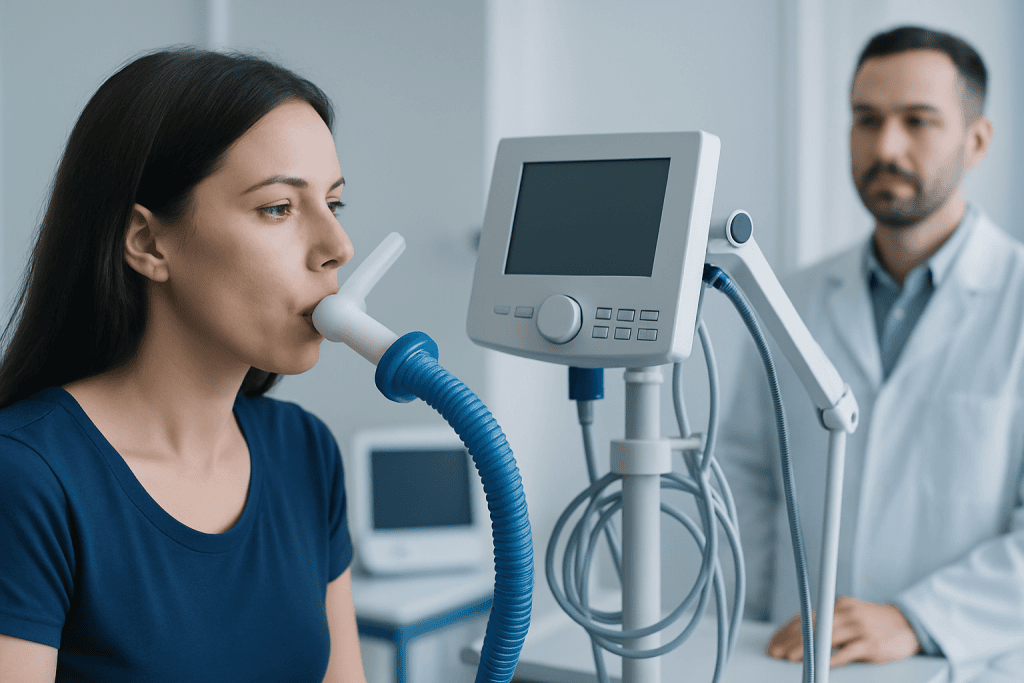
The examination may be normal if symptoms are not present at the appointment. Breathing tests are therefore often important. Spirometry measures how much air a person can breathe out and how quickly; repeating the test after an inhaled bronchodilator can show whether airflow improves. Peak-flow monitoring at home, performed over time, may reveal variability in breathing that supports an asthma diagnosis.
Depending on age and circumstances, clinicians may also consider allergy testing, a test of airway inflammation such as exhaled nitric oxide, chest imaging, or tests for other conditions. These investigations help avoid both underdiagnosis and unnecessary asthma treatment. A diagnosis should be based on the overall clinical picture rather than symptoms alone.
Treatment when symptoms return
If asthma symptoms return, treatment is tailored to their frequency, severity, triggers, and effect on daily life. Many people benefit from an inhaled corticosteroid-containing medicine, which reduces airway inflammation and lowers the risk of flare-ups. Some people also need a bronchodilator inhaler that relaxes airway muscles for rapid symptom relief or as part of a combined maintenance plan.
The exact inhaler and schedule should be decided with a qualified clinician. Inhaler technique matters because even an effective medicine may not reach the lungs properly if it is used incorrectly. At review appointments, clinicians commonly check technique, adherence, side effects, trigger exposure, and whether a written asthma action plan would be useful.
People should not stop a prescribed preventer inhaler simply because they feel well unless their clinician advises a supervised step-down. For those with stable control over time, a doctor may be able to reduce treatment carefully while monitoring for symptoms. Treatment can then be adjusted promptly if symptoms reappear.
Prevention and self-care for better asthma control
Although asthma cannot always be prevented, avoiding personal triggers and following an agreed treatment plan can reduce symptoms and flare-ups. Keeping a brief record of symptoms, reliever inhaler use, exercise tolerance, and possible triggers can help identify patterns. This information is also useful during medical appointments.
People with asthma are generally encouraged to remain physically active when symptoms are controlled. A clinician can advise on managing exercise-related symptoms, including warming up and using prescribed medication correctly. Avoiding tobacco smoke and vaping is important, as both can irritate the airways and make asthma harder to control.
Managing allergic rhinitis or nasal symptoms, keeping recommended vaccinations up to date, and discussing workplace exposures can also be helpful. There is no single diet, supplement, or home remedy proven to cure asthma. Any complementary approach should be discussed with a healthcare professional and should not replace prescribed asthma care.
When to seek medical care
A non-urgent medical appointment is appropriate for a new or recurring cough, wheeze, chest tightness, or shortness of breath that lasts more than a few weeks, occurs repeatedly, wakes a person from sleep, or interferes with usual activities. Review is also important when someone is relying more often on a reliever inhaler or is unsure whether they still have asthma.
Urgent medical care is needed for severe or rapidly worsening breathlessness, difficulty speaking in full sentences, marked chest tightness, blue or grey lips or face, drowsiness, confusion, or symptoms that do not improve after using a prescribed reliever inhaler as directed. These can be signs of a serious asthma attack or another urgent condition.
For people travelling internationally or seeking coordinated respiratory care, Acibadem International’s multidisciplinary specialists and JCI-accredited hospitals can assess asthma symptoms, confirm diagnoses, and support individualized treatment planning. Ongoing follow-up with a qualified healthcare professional remains important for safe long-term asthma management.
Frequently asked questions
Can childhood asthma go away completely?
Some children have no further asthma symptoms as they get older, especially when wheezing was mainly associated with early childhood viral infections. However, symptoms can return later, and some people continue to have asthma into adulthood. A clinician can advise whether ongoing monitoring or treatment is needed.
Can asthma come back after years without symptoms?
Yes. Asthma symptoms can return after years of remission, often following respiratory infections, allergy exposure, smoking, workplace irritants, hormonal changes, or other triggers. New breathing symptoms should be assessed rather than assumed to be asthma automatically.
If asthma symptoms disappear, should inhalers be stopped?
A person should not stop prescribed asthma medicine without discussing it with their clinician. If asthma has been well controlled for a sustained period, the clinician may recommend reducing treatment gradually and safely. This approach helps identify recurrence early and lowers the chance of a flare-up.
Does no wheezing mean asthma is gone?
Not necessarily. Asthma can cause cough, chest tightness, breathlessness, or reduced exercise tolerance without audible wheezing. Symptoms may also be absent between episodes, so breathing tests and a medical history can be useful.
Is asthma curable in adults?
There is currently no universal permanent cure for adult asthma. However, modern treatment and trigger management allow many adults to have excellent control, normal daily activities, and long periods without symptoms. Some adults may experience remission, but follow-up is still sensible.
What should someone do if asthma symptoms suddenly worsen?
They should follow their personal asthma action plan and use their prescribed reliever medicine as directed. If breathing remains difficult, symptoms worsen quickly, speaking becomes hard, or there are signs such as blue or grey lips, urgent medical care is needed. It is safer to seek help early for a severe breathing episode.
This article is for general information only and is not a substitute for professional medical advice. Please consult a qualified doctor about your individual situation.
Asthma in Turkey — costs, top hospitals & a free quote
JCI-accredited · board-certified surgeons · reply within 24h
Add us as a Preferred Source to see more of our trusted health content across Google Search, AI Overviews and Discover.

More from the Health Library

How to Meditate Daily? Here Is What the Evidence Says

How Long Do Shingles Last? Causes, Explanations, and Next Steps

What Do Medical Assistants Do? Here Is What the Evidence Says

Headache Chiropractor Explained: Common Triggers and Red Flags

How to Stop Farting? Causes, Explanations, and Next Steps