Soap Suds Enema — Explained by Medical Evidence, Not Myths

A soap suds enema works by introducing fluid into the rectum and irritating the bowel enough to trigger an urge to pass stool. Its benefits for constipation must be balanced against risks including cramping, rectal injury, chemical irritation and, rarely, inflammation of the colon.
Key Takeaways
- A soap suds enema works by introducing fluid into the rectum and irritating the bowel enough to trigger an urge to pass stool.
- Its benefits for constipation must be balanced against risks including cramping, rectal injury, chemical irritation and, rarely, inflammation of the colon.
- Persistent constipation or suspected fecal impaction needs medical assessment rather than repeated enemas.
- Gentler options, such as dietary measures, oral laxatives or medically recommended rectal treatments, are often more appropriate.
- Children, older adults and people with bowel disease should not use an enema without advice from a qualified clinician.
A soap suds enema is a rectal enema containing diluted soap and water that has historically been used to stimulate a bowel movement. Because it may irritate the lining of the rectum and colon, it is generally not a preferred first-choice treatment for constipation, particularly for home use.
What Is a Soap Suds Enema?
A soap suds enema is a liquid inserted into the rectum through a small tube to encourage a bowel movement. The liquid traditionally consists of water mixed with a small amount of soap. It is intended to soften stool in the lower bowel and stimulate the rectum and colon, creating an urge to empty the bowels.
Soap suds enemas have been used in some clinical settings, particularly when a person has significant constipation or stool retained in the rectum. However, practice varies between healthcare facilities, and evidence supporting soap-containing solutions over less irritating options is limited. Modern constipation care usually focuses first on identifying the cause and using the least invasive effective treatment.
It is important not to confuse a soap suds enema with a bowel preparation prescribed before a procedure. It is also not a detoxification method. The colon normally clears waste without cleansing products, and enemas do not remove toxins from the body or produce lasting weight loss.
How It Works and When It May Be Considered
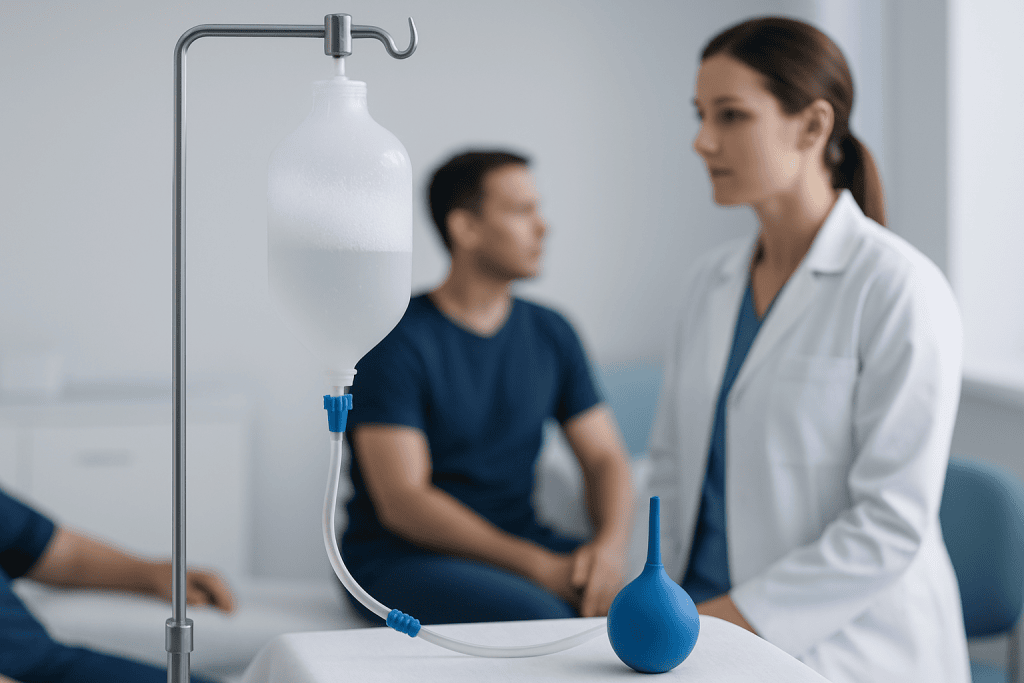
Enemas act locally in the rectum and lower part of the large intestine. The added fluid can lubricate and soften stool near the outlet. With a soap suds enema, the soap is intended to create mild irritation that increases bowel contractions. This mechanism explains why some people experience an urgent need to pass stool, cramping or temporary discomfort soon after administration.
A clinician may consider a rectal treatment when stool is thought to be retained low in the bowel, such as in some cases of fecal impaction. Before recommending treatment, the clinician considers the person’s symptoms, medical history, medications, hydration and whether there are signs of a blockage or another urgent abdominal condition.
Constipation has many possible causes, including low fiber intake, inadequate fluids, reduced activity, changes in routine, pregnancy, older age and certain medicines. Conditions affecting the thyroid, nerves, pelvic floor or bowel can also contribute. For this reason, repeatedly treating symptoms with an enema may delay attention to the underlying cause.
Potential Risks and Side Effects

Cramping, bloating, rectal discomfort and urgency are relatively common after an enema. A soap-containing solution may be more irritating than plain or commercially prepared alternatives. If the solution is too concentrated, left in the bowel too long, or used repeatedly, irritation may be more severe.
Reported complications of soap suds enemas include inflammation or injury of the rectum and colon, sometimes described as chemical colitis. Although uncommon, symptoms can include abdominal pain, rectal bleeding, diarrhea, fever or persistent urgency. Inserting the tube can also cause local trauma, especially if there are hemorrhoids, anal fissures, fragile tissues or difficulty with insertion.
Repeated enemas, large volumes of fluid, or homemade mixtures may alter fluid and electrolyte balance, particularly in children, older adults and people with kidney, heart or electrolyte problems. An enema should never be used when intestinal obstruction is possible, because increasing pressure in a blocked bowel can be dangerous.
- Do not use a soap suds enema for unexplained severe abdominal pain, vomiting, rectal bleeding or fever.
- Do not use it as a regular bowel routine or for weight control.
- Do not use homemade soap mixtures in infants or children unless specifically directed by a pediatric clinician.
Who Should Avoid Enemas Unless a Clinician Recommends Them?
People with possible bowel obstruction, severe constipation with vomiting, inflammatory bowel disease, recent bowel surgery, rectal surgery, bowel perforation risk or active rectal bleeding should not self-treat with an enema. Those with known narrowing of the bowel, colon cancer, diverticulitis symptoms or severe hemorrhoid symptoms also need individual medical advice before any rectal treatment.
Extra caution is needed during pregnancy, in frail older adults, and in people with kidney disease, heart failure or disorders that affect fluid and mineral balance. Medications can also be relevant. Opioid pain medicines, anticholinergic medicines, iron supplements, some antidepressants and certain blood pressure medicines may contribute to constipation and may require a planned treatment approach.
For children, constipation is common but should be managed with age-appropriate guidance. A child with a swollen abdomen, vomiting, poor feeding, fever, blood in stool, significant pain or failure to pass stool should be assessed promptly. Rectal treatments can be distressing and may not address behavioral, dietary or medical contributors to constipation.
Safer Approaches to Constipation
For occasional mild constipation, simple measures may be enough. These include drinking adequate fluids if there is no fluid restriction, gradually increasing fiber from foods such as vegetables, fruits, beans and whole grains, and staying physically active as able. Establishing an unhurried toilet routine after meals can also support the body’s natural bowel reflex.
When lifestyle measures are insufficient, a doctor or pharmacist may recommend an oral treatment based on the person’s health needs. Bulk-forming fiber products, osmotic laxatives, stool softeners and stimulant laxatives have different roles and are not suitable for every person. A clinician can help select an option and identify medicines or medical conditions contributing to symptoms.
If stool is impacted in the rectum, healthcare professionals may use a rectal medication, an enema with an appropriate solution, or manual removal in selected situations. The choice should be guided by examination and the person’s risks. Ongoing or recurrent constipation may benefit from evaluation for conditions such as pelvic floor dysfunction, slow bowel transit or medication-related constipation.
When to Seek Medical Care
Urgent medical assessment is needed for constipation accompanied by severe or worsening abdominal pain, a swollen or rigid abdomen, repeated vomiting, fever, fainting, inability to pass gas, or significant rectal bleeding. These symptoms can occur with bowel obstruction, infection, inflammation or other conditions that should not be treated with a home enema.
A doctor should also be consulted when constipation is new and persistent, lasts longer than a few weeks, keeps returning despite self-care, or is associated with unexplained weight loss, anemia, a change in stool caliber or a family history of colorectal cancer. People who rely on enemas or laxatives frequently should discuss a safer long-term bowel plan with a healthcare professional.
After any enema, prompt care is appropriate if there is persistent pain, bleeding, diarrhea, fever, dizziness or inability to have a bowel movement despite worsening discomfort. Acibadem International’s multidisciplinary specialists and JCI-accredited hospitals can assess constipation and bowel symptoms for international patients when diagnostic evaluation or coordinated treatment is needed.
A Practical, Evidence-Based Perspective
A soap suds enema is not inherently a sign of poor care when used under a carefully considered clinical protocol, but it is also not a harmless household remedy. The potential for bowel irritation means that it should not be viewed as interchangeable with medically designed enema products or oral constipation treatments.
Anyone considering an enema should first ask why constipation is occurring, how long it has been present and whether warning symptoms are present. A qualified clinician can determine whether constipation is uncomplicated, whether an impaction may be present, and whether rectal treatment is appropriate.
The safest goal is regular, comfortable bowel function without unnecessary invasive treatments. Addressing hydration, diet, activity, medications and medical contributors is generally more useful for long-term health than repeated use of soap suds enemas.
Frequently asked questions
Is a soap suds enema safe?
A soap suds enema can cause bowel movements, but it can also irritate the rectum and colon. It is not generally recommended as a routine home treatment, especially when constipation is persistent, painful or unexplained. A clinician should advise whether any enema is appropriate for the individual.
How quickly does a soap suds enema work?
Rectal enemas may produce an urge to pass stool within minutes to a short period after use, but the response varies. Severe pain, bleeding, dizziness or persistent symptoms are not expected effects and require medical advice. It should not be repeated simply because it does not work immediately.
Can a soap suds enema treat fecal impaction?
Fecal impaction may require a clinician-guided treatment plan, which can include a rectal medication, a specific enema or manual removal in some cases. A soap suds enema is not suitable for every person and may be harmful if bowel obstruction or inflammation is present. Medical assessment is particularly important when there is abdominal swelling, vomiting or severe pain.
Can soap suds enemas be used for children?
Parents and caregivers should not use a homemade soap suds enema for a child unless a pediatric clinician has specifically instructed them to do so. Children can become dehydrated or distressed, and constipation may need a different treatment approach. A child with vomiting, abdominal swelling, blood in stool or significant pain needs prompt medical evaluation.
What is better than a soap suds enema for constipation?
The best option depends on the cause, severity and duration of constipation. For many people, gradual fiber increases, suitable fluid intake, activity and clinician-recommended oral laxatives are safer first steps. If rectal treatment is needed, a healthcare professional can recommend the most appropriate product and method.
Can enemas cause colon damage?
Enemas can occasionally cause injury, particularly if they are used improperly, repeated often, inserted forcefully or contain irritating solutions. Risks include rectal trauma, bleeding, inflammation and fluid or electrolyte disturbances. These risks are one reason to avoid frequent or unsupervised enema use.
References
- National Institute of Diabetes and Digestive and Kidney Diseases
- American Gastroenterological Association
- American College of Gastroenterology
- Merck Manual Consumer Version
- National Health Service
This article is for general information only and is not a substitute for professional medical advice. Please consult a qualified doctor about your individual situation.
Persistent digestive symptoms? Get evaluated in Turkey
JCI-accredited · board-certified surgeons · reply within 24h
Add us as a Preferred Source to see more of our trusted health content across Google Search, AI Overviews and Discover.
Check your numbers in seconds
BMI, calories, due date, blood pressure and 30+ more clinical calculators — free, instant, doctor-reviewed ranges.