Porcelain Gallbladder: An Evidence-Based Guide for Patients

Porcelain gallbladder refers to calcification, or hardening, of part or all of the gallbladder wall. Many people have no symptoms; the condition may be discovered during imaging performed for another reason.
Key Takeaways
- Porcelain gallbladder refers to calcification, or hardening, of part or all of the gallbladder wall.
- Many people have no symptoms; the condition may be discovered during imaging performed for another reason.
- Gallstones and repeated gallbladder inflammation are commonly associated with porcelain gallbladder.
- The risk of gallbladder cancer appears lower than was historically believed, but careful imaging assessment remains essential.
- Gallbladder removal may be advised for some people, especially when symptoms, suspicious imaging findings or certain calcification patterns are present.
Porcelain gallbladder is a rare condition in which calcium deposits develop in the wall of the gallbladder, often after long-term inflammation related to gallstones. It may cause no symptoms and is often found incidentally, but evaluation by a specialist is important because the recommended management depends on the calcification pattern, symptoms and imaging findings.
What Is Porcelain Gallbladder?
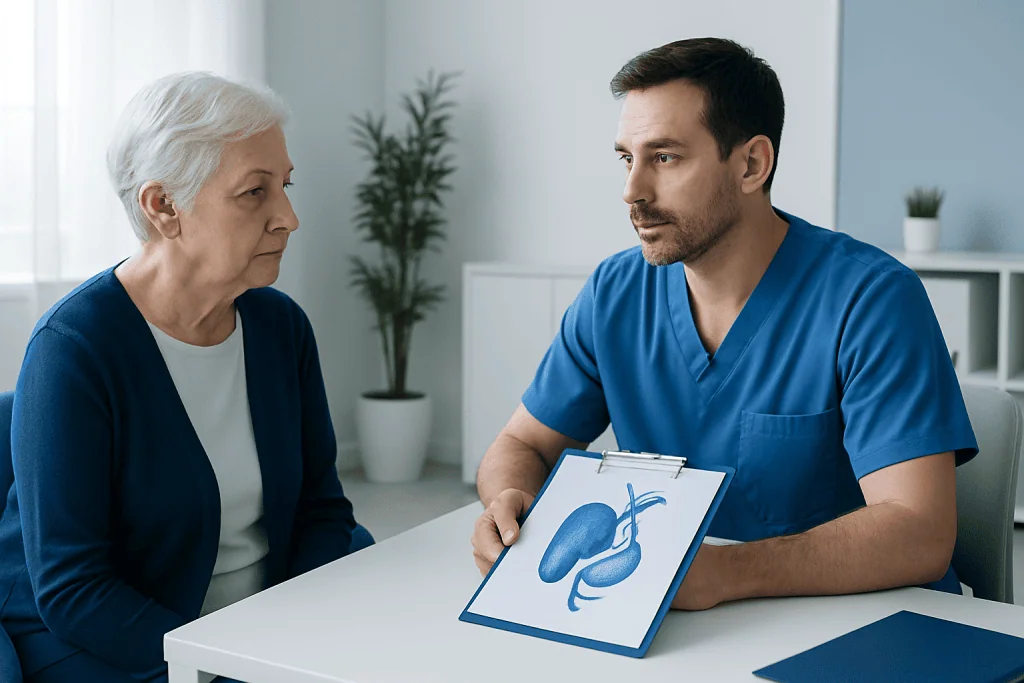
Porcelain gallbladder is a term used when calcium builds up in the wall of the gallbladder. The gallbladder is a small, pear-shaped organ beneath the liver that stores bile, a fluid that helps digest fats. Calcium can make the gallbladder wall appear dense and white on imaging, which led to the descriptive name “porcelain” gallbladder.
This condition is uncommon and is usually linked with long-standing inflammation of the gallbladder, also called chronic cholecystitis. Many affected people also have gallstones. In some cases, the calcium affects much of the wall; in others, it occurs in smaller or more selective areas.
Porcelain gallbladder is not the same as gallstones that have become calcified. It specifically describes calcification involving the gallbladder wall. Because imaging appearances and health risks can vary, a clinician will review the scan carefully and consider the person’s symptoms, general health and surgical suitability.
Why the Calcification Pattern Matters
Doctors generally describe two broad patterns of gallbladder wall calcification. In complete intramural calcification, calcium is widespread through the gallbladder wall. In selective mucosal calcification, deposits involve the inner lining in a more patchy way. These patterns may have different clinical implications, although imaging cannot always classify them with complete certainty before surgery.
Porcelain gallbladder was once thought to carry a very high risk of gallbladder cancer. More recent evidence suggests that the overall cancer risk is lower than older reports indicated. However, the risk is not considered zero, and certain imaging features, calcification patterns or masses may raise greater concern.
For this reason, care is individualized rather than based on a single rule. A radiologist, gastroenterologist and surgeon may review the images to distinguish porcelain gallbladder from other causes of calcification, such as stones, inflammation, infection or less commonly a tumor.
Symptoms and Possible Complications
Many people with porcelain gallbladder do not notice symptoms. The condition may be identified on an abdominal ultrasound, CT scan or X-ray performed for a different health concern. When symptoms occur, they are often related to gallstones or chronic gallbladder inflammation rather than calcification itself.
Possible symptoms include pain or discomfort in the upper right abdomen, particularly after eating a fatty meal, nausea, vomiting, bloating or indigestion. Pain can sometimes spread to the right shoulder or upper back. These symptoms can also occur with several other digestive conditions, so they need medical assessment rather than self-diagnosis.
Complications of gallbladder disease can include acute inflammation, blockage of a bile duct, jaundice, infection of the bile ducts or pancreatitis. These complications are not inevitable, but new or severe symptoms should be assessed promptly. A clinician may also investigate unexplained weight loss, a persistent abdominal mass or ongoing jaundice, as these require careful evaluation.
Causes and Risk Factors
The exact process that causes porcelain gallbladder is not fully understood. It is most often associated with chronic inflammation, which can develop when gallstones repeatedly irritate or obstruct the gallbladder. Over time, inflammation and tissue damage may contribute to calcium deposits in the wall.
Gallstones are common in people diagnosed with porcelain gallbladder, although not every person with gallstones develops calcification. Factors that increase the likelihood of gallstones include increasing age, family history, obesity, rapid weight loss, pregnancy, some blood disorders and certain medical conditions affecting bile composition or gallbladder emptying.
Having risk factors for gallstones does not mean that a person will develop porcelain gallbladder. Likewise, porcelain gallbladder cannot be prevented with certainty. Maintaining a balanced eating pattern, avoiding repeated rapid weight changes when possible and seeking care for recurrent biliary pain can support overall gallbladder health.
How Porcelain Gallbladder Is Diagnosed
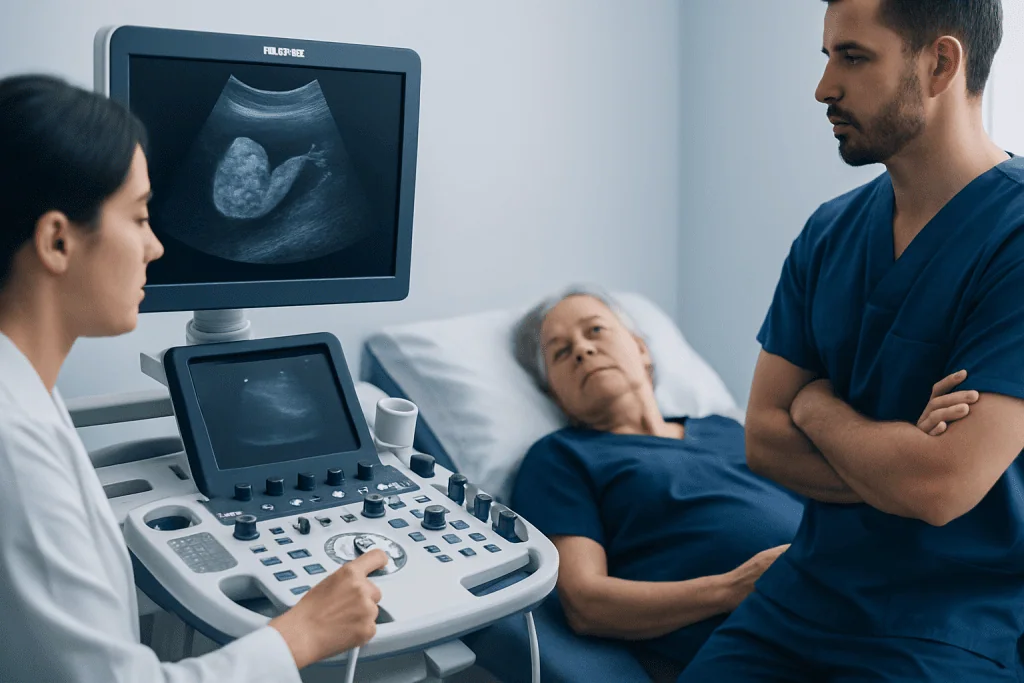
Porcelain gallbladder is usually diagnosed through imaging. Ultrasound is often an initial test for gallbladder symptoms because it can identify gallstones, wall thickening and some forms of calcification. However, extensive calcification can create shadows that make it more difficult to evaluate the wall fully.
A CT scan is particularly useful for showing calcium in the gallbladder wall and defining its distribution. Depending on the findings, a doctor may recommend MRI or magnetic resonance cholangiopancreatography (MRCP) to examine the bile ducts and nearby structures. Imaging is also used to look for a mass, enlarged lymph nodes, bile duct obstruction or other features that might require further assessment.
Blood tests may check liver function, bilirubin levels and signs of infection or inflammation, especially if the person has pain, fever or jaundice. No blood test alone can diagnose porcelain gallbladder or rule out cancer. Diagnosis is based on the combined picture of symptoms, imaging and, when surgery is performed, examination of the removed gallbladder by a pathologist.
Treatment Options and Follow-Up
Management depends on the individual. A surgeon may recommend removal of the gallbladder, known as cholecystectomy, for people with symptoms, gallstone-related complications, suspicious imaging findings or a calcification pattern that may carry more concern. Surgery may also be considered for some people without symptoms after discussion of potential benefits and surgical risks.
Gallbladder removal is commonly performed using minimally invasive, or laparoscopic, techniques. In some situations, open surgery may be needed, such as when inflammation, scarring or concern about cancer makes the procedure more complex. The surgical team will explain the planned approach, recovery expectations and possible risks before treatment.
For an older adult or someone with significant medical conditions who has no symptoms and no concerning imaging features, monitoring may be a reasonable option. Follow-up plans vary and should be made with the treating specialist. Decisions should balance the estimated risk from the gallbladder condition against the person’s individual risk from surgery.
Acibadem International’s multidisciplinary specialists and JCI-accredited hospitals assess gallbladder conditions and provide surgical care for international patients when appropriate.
When to Seek Medical Care
A person should arrange a medical appointment if they have repeated upper-right abdominal pain, pain after meals, persistent nausea, unexplained digestive symptoms or an imaging report mentioning gallbladder calcification. A clinician can determine whether symptoms are likely related to the gallbladder and whether specialist referral or additional imaging is needed.
Urgent medical care is important for severe or worsening abdominal pain, fever or chills, yellowing of the skin or eyes, dark urine, pale stools, repeated vomiting, fainting or confusion. These symptoms may indicate a blocked bile duct, infection or another condition requiring prompt treatment.
People should not delay assessment because they are worried about cancer. Most imaging findings require careful interpretation, and many causes of abdominal symptoms are treatable. Early evaluation helps clinicians identify the cause, relieve symptoms and discuss the most appropriate next steps in a calm, informed way.
Frequently asked questions
Is porcelain gallbladder cancer?
No. Porcelain gallbladder is calcification of the gallbladder wall, not cancer. It has historically been associated with an increased concern for gallbladder cancer, but newer research suggests the overall risk is lower than once believed. A specialist should review imaging for any features that need further investigation.
Does porcelain gallbladder always need surgery?
Not always. Surgery is often recommended when a person has symptoms, complications, concerning scan findings or a calcification pattern that may carry greater concern. For some people without symptoms who have substantial health risks from surgery, careful observation may be considered.
Can porcelain gallbladder go away on its own?
Calcium deposits in the gallbladder wall generally do not disappear on their own. Treatment focuses on assessing the cause, monitoring for symptoms or concerning changes, and removing the gallbladder when this is the safer option. A doctor can advise whether monitoring or surgery is appropriate.
What test best shows porcelain gallbladder?
CT scanning is often very helpful because it shows calcium clearly and can demonstrate how extensively the gallbladder wall is affected. Ultrasound is also commonly used, particularly when gallstones or gallbladder pain are suspected. Doctors may use more than one imaging test to clarify uncertain findings.
What happens after gallbladder removal?
Most people can digest food normally without a gallbladder because bile continues to flow from the liver into the intestine. Some people notice temporary loose stools or discomfort with fatty foods during recovery. Gradually returning to regular meals and following the surgical team’s advice can help.
Can diet treat porcelain gallbladder?
Diet cannot remove calcification from the gallbladder wall. Eating smaller meals and limiting foods that trigger biliary pain, often high-fat meals, may reduce symptoms for some people while they await assessment or treatment. Dietary changes should not replace medical evaluation for persistent pain, jaundice or fever.
This article is for general information only and is not a substitute for professional medical advice. Please consult a qualified doctor about your individual situation.
Explore treatments in Turkey — costs, top hospitals & a free quote
JCI-accredited · board-certified surgeons · reply within 24h
Add us as a Preferred Source to see more of our trusted health content across Google Search, AI Overviews and Discover.

More from the Health Library
External Hemorrhoid — Explained by Medical Evidence, Not Myths

Septum Pellucidum: An Evidence-Based Guide for Patients

Tummy Bruises: What Patients Need to Know

Skincare Routine: A Complete Medical Overview

IUD Removal: What Patients Need to Know