Hemosiderosis: Early Signs, Risk Factors, and How It Is Treated

Hemosiderosis is a buildup of the iron-containing pigment hemosiderin in tissues, most often after repeated bleeding, blood transfusions, or increased red blood cell breakdown. It is a pattern of iron deposition rather than a single disease. See a doctor if you have unexplained fatigue, breathlessness, coughing up blood, or need regular transfusions.
Key Takeaways
- Hemosiderosis refers to iron-containing pigment deposits in tissues and may be local or widespread.
- Repeated blood transfusions, internal bleeding, and certain red blood cell disorders can contribute to hemosiderosis.
- Symptoms vary widely and may be absent early; lung involvement can cause cough, breathlessness, or coughing up blood.
- Blood tests, imaging, and sometimes tissue samples help clinicians identify iron deposition and its underlying cause.
- Treatment addresses the source of iron accumulation and may include transfusion planning, iron chelation, or treatment for bleeding or inflammation.
Maybe a bruise on your leg has faded to a stubborn brown stain that never quite leaves. Maybe you have had many blood transfusions and your doctor has started talking about iron. Both can lead to the same thing: hemosiderin, an iron-containing pigment, building up in your tissues.
That build-up is what we call hemosiderosis. It usually follows bleeding, repeated blood transfusions, or an increased breakdown of red blood cells. What it means for you depends on the cause and on which organs are involved — which is exactly why getting checked early helps your doctor decide what needs monitoring and what needs treatment.
Overview: What Is Hemosiderosis?
So what is actually collecting in the tissues? Hemosiderin — an iron-containing pigment. Hemosiderin forms when the body breaks down hemoglobin, the oxygen-carrying protein inside red blood cells. Small amounts of this pigment can occur after bruising or minor bleeding and may not cause harm. More extensive or persistent deposits, however, can signal an underlying condition that needs evaluation.
The word does not point to one single disease. Instead, it describes a pattern of iron deposition that can occur in different locations, including the lungs, liver, spleen, bone marrow, kidneys, skin, and other tissues. The health impact depends on why the iron is accumulating, how much is present, and whether it is affecting organ function.
Hemosiderosis is different from hemochromatosis. Hemochromatosis typically involves excessive absorption of dietary iron and may lead to iron overload in organs over time. Hemosiderosis more often results from repeated bleeding, blood transfusions, or destruction of red blood cells. In some situations, the two conditions can overlap in their effects, so a clinician may assess the whole pattern of iron levels and organ health.
How Hemosiderosis Can Affect the Body
Your body needs iron to make red blood cells and to keep many everyday processes running. The catch is that it has no easy way to get rid of the extra. When red blood cells break down or blood leaks into tissues, iron can be stored as hemosiderin. Macrophages, a type of immune cell, often collect this material as part of the body’s normal cleanup process.
Localized hemosiderosis may occur where bleeding has happened repeatedly. For example, lingering brown discoloration of the skin may develop after blood has leaked from small veins into surrounding tissue. In the lungs, repeated bleeding into the air sacs can leave iron-laden macrophages behind. This is called pulmonary hemosiderosis and can interfere with breathing or contribute to anemia if bleeding is ongoing.
Systemic hemosiderosis affects multiple organs and is more likely in people who receive many red blood cell transfusions over time. In this setting, iron can accumulate in the liver, heart, and hormone-producing glands. Careful long-term monitoring is important because significant iron overload may eventually damage organs if it is not addressed.
Early Signs and Symptoms

You may not notice anything at all, especially if the iron deposits are mild or confined to one spot. Symptoms often come from the underlying cause, such as anemia, bleeding, inflammation, or organ irritation. A person may feel tired, weak, lightheaded, or less able to exercise if blood loss or red blood cell breakdown has led to anemia.
When the lungs are involved, possible symptoms include a persistent cough, shortness of breath, wheezing, chest discomfort, fatigue, or recurrent respiratory infections. Some people may cough up blood, which can range from blood-streaked mucus to more obvious bleeding. In children, recurrent lung bleeding may cause poor growth, pallor, or reduced energy, although these signs can have many other causes.
With more widespread iron accumulation, symptoms may be subtle and develop gradually. They can include abdominal discomfort, reduced appetite, irregular heartbeats, joint pain, changes in skin color, or symptoms related to hormone changes. None of these point only to hemosiderosis, so symptoms alone are not enough — testing is what gives the answer.
Causes and Risk Factors
A common cause of systemic hemosiderosis is repeated red blood cell transfusion. Transfusions can be life-saving for people with certain blood disorders, cancers, or bone marrow conditions, but each unit of blood contains iron. Over time, the body may accumulate more iron than it can safely store, particularly when transfusions are needed regularly.
Conditions that increase destruction of red blood cells, known as hemolysis, can also contribute to iron deposition. Examples include some inherited red blood cell disorders, autoimmune hemolytic anemia, and reactions related to certain medications or infections. Chronic liver disease and disorders of iron metabolism may also influence how iron is processed and stored.
Pulmonary hemosiderosis may result from repeated bleeding in the lungs. Sometimes this is related to immune-system conditions, heart disease that increases pressure in lung blood vessels, medication effects, or exposure to certain substances. In idiopathic pulmonary hemosiderosis, no clear cause is found after evaluation. Risk factors therefore vary considerably, and identifying the underlying reason is a central part of care.
- Regular or long-term red blood cell transfusions
- Known hemolytic anemia or inherited blood disorders
- Repeated episodes of unexplained anemia or bleeding
- Chronic cough, breathlessness, or coughing up blood
- Conditions affecting the immune system, heart, liver, or blood vessels
Diagnosis and Monitoring
It starts with a conversation and an examination. A clinician may ask about transfusions, medicines, family history of blood disorders, previous bleeding episodes, breathing symptoms, and long-term health conditions. Blood tests can assess anemia, inflammation, liver function, and iron status. Ferritin may be measured, but it can rise for reasons other than iron overload, including infection or inflammation, so results are interpreted in context.
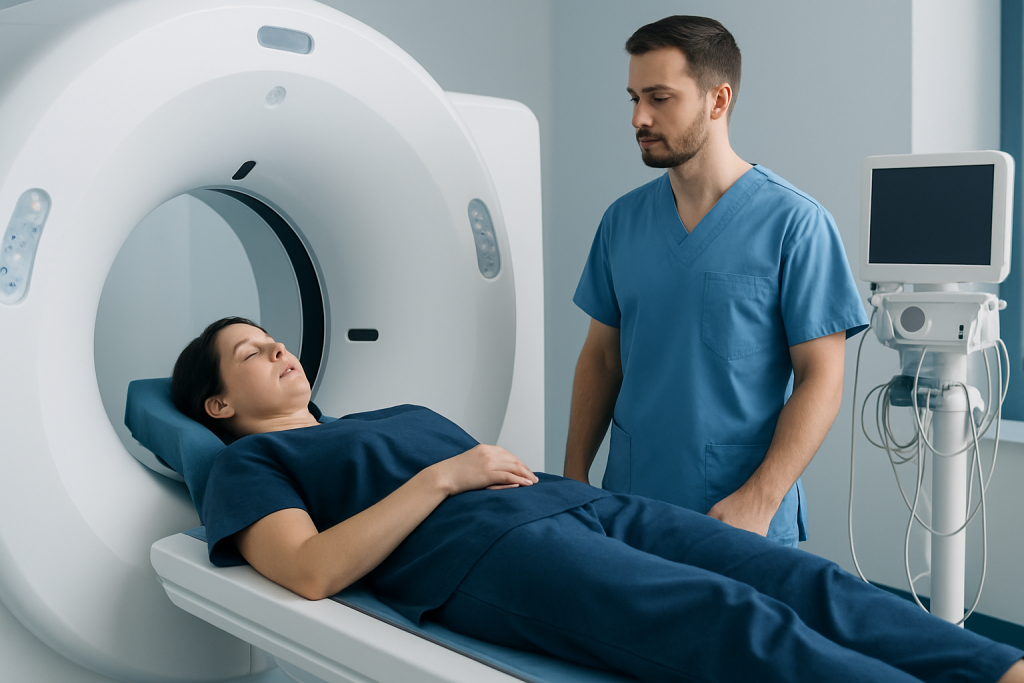
Imaging may be used to look for iron in specific organs. Magnetic resonance imaging, or MRI, can help estimate iron concentration in the liver and heart without surgery in selected patients. Chest X-rays or chest CT scans may be considered when lung symptoms or suspected pulmonary bleeding are present. Heart testing may also be appropriate if there are concerns about cardiac iron deposition.
For suspected pulmonary hemosiderosis, clinicians may examine sputum or fluid collected during bronchoscopy for iron-laden macrophages. In some cases, a biopsy is needed to clarify the diagnosis or rule out other causes of tissue changes. Follow-up testing is individualized and may include repeat blood counts, iron studies, organ imaging, and assessment of symptoms over time.
Treatment Options and Everyday Care
Treatment for hemosiderosis focuses on the underlying cause, the amount of iron present, and the organs affected. A person who has received repeated transfusions may need a carefully planned transfusion program alongside monitoring for iron overload. If iron levels become high enough to pose a risk to organs, clinicians may recommend iron chelation therapy. Chelation medicines bind excess iron so it can be removed from the body.
When recurrent bleeding is the cause, treatment aims to control the bleeding and manage the condition behind it. For pulmonary hemosiderosis, this may involve evaluation by respiratory, hematology, and immunology specialists. Depending on the cause, treatment can include medicines that reduce inflammation or suppress inappropriate immune activity, as well as treatment for heart, kidney, or blood vessel conditions contributing to lung bleeding.
Dietary changes alone cannot remove substantial iron accumulated from transfusions or repeated bleeding. A clinician may advise against taking iron supplements unless there is a confirmed reason to use them. People should not start iron chelation, stop transfusions, or make major dietary restrictions without medical guidance, as iron needs and risks are highly individual.
Acibadem International’s multidisciplinary specialists and JCI-accredited hospitals evaluate and treat conditions involving iron accumulation for international patients, with care plans based on the individual’s underlying diagnosis and monitoring needs.
Prevention, Self-Care, and Long-Term Outlook
Not every form of hemosiderosis can be prevented, particularly when transfusions or treatment for a serious blood disorder are medically necessary. However, regular follow-up can help identify increasing iron stores before organ complications develop. People receiving ongoing transfusions should attend scheduled blood tests and imaging appointments and discuss any new symptoms with their care team.
It is helpful to keep an up-to-date record of transfusions, diagnoses, medicines, supplements, and prior test results. A clinician should review multivitamins and over-the-counter products, since some contain iron. Alcohol can place additional strain on the liver, so people with liver iron accumulation should ask their doctor whether limiting or avoiding alcohol is appropriate for them.
What happens over the long run differs a lot from person to person. Some localized deposits cause little or no lasting problem once bleeding has stopped. In contrast, ongoing transfusion-related iron overload or repeated lung bleeding requires continued specialist care. With appropriate surveillance and treatment of the underlying cause, many people can reduce the risk of progressive organ effects and maintain daily activities.
When to Seek Medical Care
Book an appointment if you are persistently tired, have unexplained anemia, keep getting short of breath, have a cough that will not go, or you have had frequent transfusions. It is particularly important to discuss symptoms that occur alongside a known blood disorder, autoimmune condition, heart disease, liver disease, or previous episodes of unexplained bleeding.
Urgent medical assessment is needed for coughing up more than a small amount of blood, severe or worsening breathlessness, chest pain, fainting, confusion, or symptoms of significant blood loss such as marked weakness, rapid heartbeat, or pale clammy skin. These symptoms can have several causes and should be assessed promptly.
If you already know you have hemosiderosis, call your healthcare professional when symptoms change, when the prescribed treatment is hard to take, or before you start any supplement or alternative therapy. Regular communication helps the care team adjust monitoring and treatment safely.
Frequently asked questions
Is hemosiderosis the same as hemochromatosis?
No. Hemosiderosis describes deposits of the iron-containing pigment hemosiderin, often related to bleeding, red blood cell breakdown, or repeated transfusions. Hemochromatosis usually refers to excessive iron absorption from the intestine, often due to inherited factors, although both conditions may lead to excess iron in organs.
Can hemosiderosis go away?
This depends on the cause and location of the iron deposits. Localized deposits may gradually lessen after bleeding stops, while transfusion-related or systemic iron accumulation often requires ongoing monitoring and sometimes iron-reducing treatment. Treating the underlying condition is an important part of improving the outlook.
What does pulmonary hemosiderosis mean?
Pulmonary hemosiderosis means that hemosiderin has accumulated in the lungs, usually because of repeated bleeding into the lung air spaces. It may cause cough, breathlessness, anemia, or coughing up blood. A respiratory specialist and hematologist may work together to investigate the cause.
Does a high ferritin level always mean hemosiderosis?
No. Ferritin can be elevated because of infection, inflammation, liver disease, metabolic conditions, or iron overload. Doctors consider ferritin alongside transferrin saturation, blood counts, medical history, imaging, and sometimes additional tests before determining whether excess iron deposition is present.
Can diet treat iron overload from transfusions?
Diet alone generally cannot remove the amount of iron that may build up after repeated blood transfusions. A balanced diet remains important, but medical monitoring and, when appropriate, iron chelation therapy are the main approaches. A doctor can advise whether iron-containing supplements should be avoided.
Is hemosiderosis dangerous?
Hemosiderosis can range from a limited finding with little effect to a condition that requires close follow-up because iron can affect organs over time. The level of concern depends on the cause, extent of iron deposition, and whether the lungs, liver, heart, or other organs are involved. Early assessment helps clinicians identify and manage potential complications.
This article is for general information only and is not a substitute for professional medical advice. Please consult a qualified doctor about your individual situation.
Explore treatments in Turkey — costs, top hospitals & a free quote
7 JCI-accredited hospitals · board-certified surgeons · reply within 24h
Add us as a Preferred Source to see more of our trusted health content across Google Search, AI Overviews and Discover.

Medically reviewed by the Acıbadem International Medical Board — August 24, 2026
See our medical review board →
References (2)
- Hemochromatosis — MedlinePlus — medlineplus.gov
- Hemolytic Anemia — MedlinePlus — medlineplus.gov
Hematology Specialists at Acibadem





More from the Health Library

T Cell Transplant Usually Means CAR T-Cell Therapy

Testing for Multiple Myeloma Starts With Blood and Urine

Precautions to Follow After a Stem Cell Transplant

MCH Measures Average Hemoglobin per Red Blood Cell

Mantle Cell Lymphoma: Early Signs, Risk Factors, and How It Is Treated