Inderal for Anxiety: What Patients Need to Know

Inderal (propranolol) mainly eases physical anxiety symptoms rather than anxious thoughts or worry. It may be useful for performance-related situations, such as public speaking, when prescribed by a clinician.
Key Takeaways
- Inderal (propranolol) mainly eases physical anxiety symptoms rather than anxious thoughts or worry.
- It may be useful for performance-related situations, such as public speaking, when prescribed by a clinician.
- Inderal is not appropriate for everyone, particularly people with certain heart, lung, circulation, or diabetes-related conditions.
- A clinician should review other medicines, medical history, pregnancy plans, and symptoms before prescribing it.
- Psychological therapies and lifestyle approaches remain important treatments for persistent or generalized anxiety.
Inderal is the brand name for propranolol, a beta blocker that may help some people manage the physical effects of anxiety, such as a rapid heartbeat, trembling, sweating, or blushing. It is most often considered for short-term, situational anxiety and should be used only after an individual clinical assessment.
Overview: What Is Inderal for Anxiety?
Inderal is a brand name for propranolol, a medicine known as a beta blocker. Beta blockers are commonly used for cardiovascular conditions because they slow the effects of adrenaline on the heart and circulation. For anxiety, propranolol may reduce physical symptoms such as a pounding heartbeat, shaking hands, sweating, flushing, and a trembling voice.
Inderal for anxiety is generally used for the body’s “fight-or-flight” response rather than for the emotional causes of anxiety. It may be considered when physical symptoms are the main problem, particularly before a predictable stressful event. It does not directly treat persistent worry, fearful thoughts, avoidance, or the underlying causes of an anxiety disorder.
In many settings, propranolol use for anxiety is considered off-label, meaning the medicine may be prescribed for a purpose that is not included in every product’s official licensing information. Off-label prescribing can be appropriate when a clinician judges that the expected benefit outweighs the risks for a particular person. A prescription and medical review are important because propranolol can affect heart rate, blood pressure, breathing, and blood sugar awareness.
How Propranolol May Help Physical Anxiety Symptoms
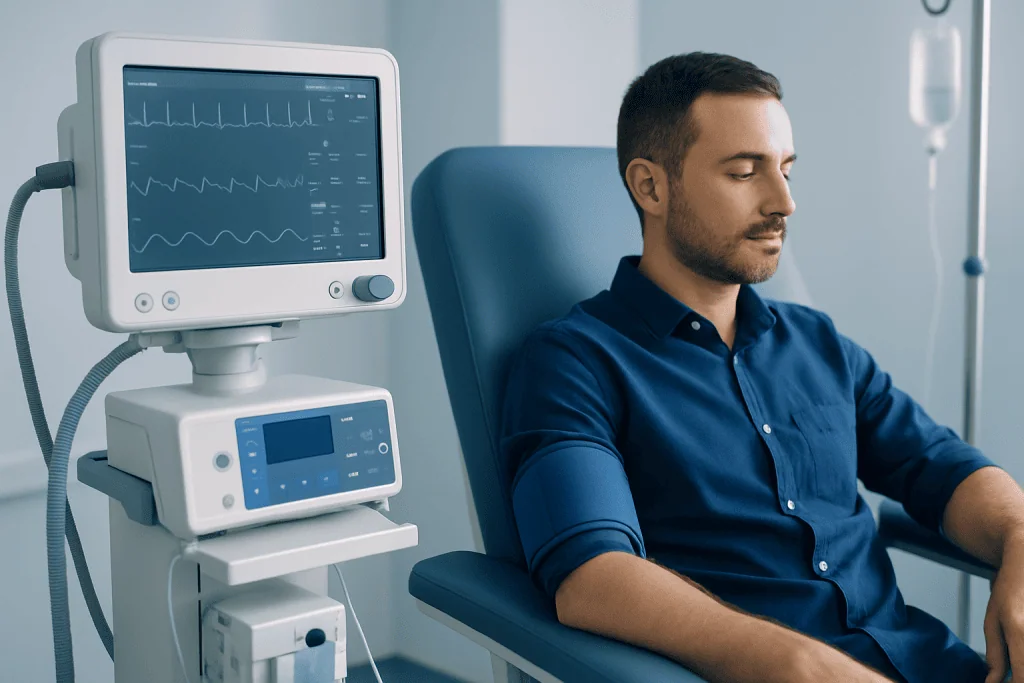
During stressful situations, the body releases hormones including adrenaline. This can cause the heart to beat faster, make the hands shake, increase sweating, and create a sense of physical agitation. Propranolol blocks beta receptors that respond to adrenaline, helping to lessen some of these visible and uncomfortable bodily reactions.
For this reason, a clinician may sometimes discuss propranolol with a person who experiences performance anxiety. Examples include speaking in public, attending an important meeting, taking an examination, performing on stage, or participating in a competitive event. Reducing physical symptoms can make it easier for some people to focus on the task at hand.
Its role is more limited in conditions involving anxiety throughout the day, repeated panic attacks, severe avoidance, or depression alongside anxiety. Although some people may feel calmer when their physical symptoms settle, propranolol is not usually a first-line stand-alone treatment for generalized anxiety disorder, social anxiety disorder, panic disorder, or post-traumatic stress symptoms. A clinician can help identify whether symptoms fit a situational pattern or need a broader treatment plan.
Who May Be Considered for Inderal?

A doctor may consider Inderal when anxiety symptoms are occasional, predictable, and mainly physical. The decision should account for the person’s symptoms, frequency of use, occupation, mental health history, heart and lung health, and other medicines. Before prescribing, the clinician may check pulse, blood pressure, and, when relevant, cardiac history.
It can be especially important to describe what happens during an anxious episode. For example, a person may notice a racing heart and shaking only before presentations, while another may have ongoing worry, poor sleep, irritability, muscle tension, and difficulty concentrating for months. These patterns may need different approaches, including talking therapy, structured anxiety treatment, or other medicines.
Propranolol should not be borrowed from another person or taken without medical advice. The appropriate formulation and timing vary by the intended use and the individual’s medical circumstances. A clinician may advise trying a prescribed medicine in a safe, non-critical setting first, where appropriate, to assess how it affects alertness, dizziness, heart rate, and overall comfort.
Safety, Side Effects, and Important Precautions
Many people tolerate propranolol well when it is appropriately prescribed, but side effects can occur. These may include tiredness, dizziness, light-headedness, cold hands or feet, sleep disturbance, vivid dreams, nausea, or a slower heartbeat. Feeling dizzy can be more likely when standing up quickly, particularly if blood pressure is low.
Inderal may not be suitable for people with asthma, certain other lung conditions involving airway narrowing, very low blood pressure, a slow heart rate, some heart rhythm or conduction problems, or poorly controlled heart failure. It also requires particular caution in people with diabetes because beta blockers can make some warning signs of low blood sugar, such as a fast heartbeat, less noticeable. Peripheral circulation problems and certain thyroid conditions also warrant a careful review.
A prescriber should know about all prescription medicines, over-the-counter products, supplements, and recreational substances. Interactions may occur with other medicines that lower heart rate or blood pressure, some heart rhythm medicines, and certain treatments for mental health conditions. Alcohol can increase dizziness or light-headedness in some people. Propranolol should not be stopped suddenly after regular use unless a clinician advises this, as abrupt withdrawal can cause unwanted cardiovascular effects.
- Seek advice before use during pregnancy, when planning pregnancy, or while breastfeeding.
- Tell the clinician about asthma, wheezing, diabetes, fainting, heart disease, or a history of low blood pressure.
- Avoid driving or using machinery until the person knows whether the medicine causes dizziness, tiredness, or reduced concentration.
Inderal Compared With Other Anxiety Treatments
The most effective treatment depends on the type of anxiety, how long it has been present, its impact on daily life, and personal health factors. For ongoing anxiety disorders, psychological therapies are often central to care. Cognitive behavioural therapy (CBT), for example, helps people identify unhelpful thought patterns, gradually face feared situations, and develop practical skills for managing physical and emotional symptoms.
Other treatment options may include structured self-help, mindfulness-based approaches, sleep support, regular physical activity, and treatment for related conditions such as depression or substance misuse. When medication is appropriate for persistent anxiety, clinicians may discuss medicines designed for longer-term anxiety management. The choice is individualized and should include a conversation about expected benefits, possible side effects, and follow-up.
Simple strategies can also complement clinical care. Slow breathing techniques, reducing excess caffeine, preparing for a performance situation, and practicing the feared activity in gradual steps may reduce the intensity of physical symptoms. These approaches do not mean that anxiety is “all in the mind”; they help regulate a normal stress response that has become difficult to manage.
Using Inderal Responsibly and Monitoring Its Effects
Inderal should be taken exactly as prescribed. A patient should not change how often it is taken, combine it with another person’s medication, or take extra doses before an event because anxiety feels more intense than expected. Taking more than prescribed can dangerously lower heart rate or blood pressure and may cause fainting or other serious effects.
It can be useful to keep a brief record of situations that trigger symptoms, the symptoms experienced, and any effects or side effects after using the medicine. This information helps the prescriber decide whether the treatment is helpful and safe, or whether a different approach would better address the person’s needs.
Regular review is particularly important if anxiety becomes more frequent, interferes with work, relationships, sleep, or school, or leads to avoiding everyday activities. At Acibadem International, multidisciplinary specialists in JCI-accredited hospitals can assess anxiety symptoms and related physical health factors for international patients, helping develop an individualized care plan when needed.
When to Seek Medical Care
A person should arrange a non-urgent medical appointment if anxiety is persistent, worsening, causing significant avoidance, disrupting sleep, or affecting daily responsibilities. Medical review is also important when symptoms such as palpitations, breathlessness, chest discomfort, tremor, or sweating are new or unexplained, since these can have physical as well as psychological causes.
Urgent medical care is needed for severe chest pain, fainting, severe shortness of breath or wheezing, confusion, a very slow or irregular heartbeat, swelling of the face or throat, or signs of a severe allergic reaction. These symptoms should not be assumed to be anxiety or a routine medicine side effect.
Anyone experiencing thoughts of self-harm, suicide, or feeling unable to stay safe should seek emergency support immediately through local emergency services, a crisis line, or the nearest emergency department. Prompt, compassionate professional help is available, and anxiety symptoms can be treated effectively with the right support.
Frequently asked questions
Does Inderal stop anxiety completely?
Inderal does not usually stop anxiety completely. It mainly reduces physical effects of adrenaline, such as shaking, sweating, and a racing heartbeat. It does not directly resolve anxious thoughts, ongoing worry, or avoidance behaviours.
Is Inderal used for panic attacks?
A clinician may occasionally consider propranolol for selected physical symptoms, but it is not generally a primary treatment for panic disorder. Recurrent panic attacks usually need a fuller assessment and may benefit from psychological therapy, targeted medication, or both. New chest symptoms or severe breathlessness should always be medically assessed.
Can a person take Inderal every day for anxiety?
Whether it is used occasionally or regularly depends on the person’s diagnosis, health history, and prescriber’s plan. Daily use is not appropriate for everyone and requires monitoring for side effects and changes in pulse or blood pressure. A person should not start, stop, or alter regular use without medical advice.
Who should avoid Inderal for anxiety?
People with asthma or a history of bronchospasm, certain heart rhythm problems, a very slow pulse, or low blood pressure may not be able to use it safely. It also needs caution in diabetes and some circulation conditions. A prescribing clinician should review all relevant medical conditions and medicines.
Can Inderal make a person feel tired or dizzy?
Yes. Tiredness, dizziness, light-headedness, cold extremities, and sleep changes are possible side effects. A person should avoid driving or potentially hazardous activities until they know how the medicine affects them and should contact their prescriber if side effects are persistent or concerning.
What works better than Inderal for long-term anxiety?
There is no single treatment that is best for every person. For persistent anxiety, cognitive behavioural therapy and other evidence-based psychological treatments are often important, sometimes alongside medication selected by a clinician. Sleep, exercise, reducing excess caffeine, and gradual exposure to feared situations can also support recovery.
References
- National Institute for Health and Care Excellence
- National Health Service
- U.S. Food and Drug Administration
- Mayo Clinic
- American Psychiatric Association
This article is for general information only and is not a substitute for professional medical advice. Please consult a qualified doctor about your individual situation.
Heart care in Turkey — expert evaluation and treatment
JCI-accredited · board-certified surgeons · reply within 24h
Add us as a Preferred Source to see more of our trusted health content across Google Search, AI Overviews and Discover.
Check your numbers in seconds
BMI, calories, due date, blood pressure and 30+ more clinical calculators — free, instant, doctor-reviewed ranges.

More from the Health Library



Related Specialists

Prof. Dr. Çetin Vural
Otorhinolaryngology
Dr. Hamza Furkan Şen
Gynecology & Obstetrics
Assoc. Prof. Dr. Filiz Gülustan
Ear Nose & Throat
Dr. Hakan Özbay
Orthopedic Surgery & Traumatology