Plantar Fascia Surgery: Benefits, Risks, and Recovery — A Complete Guide

Plantar fascia surgery is not a first-line treatment for heel pain and is usually reserved for symptoms lasting many months despite conservative care. The most common operation, plantar fasciotomy or plantar fascia release, involves cutting only part of the plantar fascia rather than removing it.
Key Takeaways
- Plantar fascia surgery is not a first-line treatment for heel pain and is usually reserved for symptoms lasting many months despite conservative care.
- The most common operation, plantar fasciotomy or plantar fascia release, involves cutting only part of the plantar fascia rather than removing it.
- Potential benefits include reduced long-term heel pain and improved ability to walk, but relief may be gradual rather than immediate.
- Risks include persistent pain, nerve irritation, infection, scar discomfort and changes in foot arch mechanics.
- Following weight-bearing, footwear and rehabilitation guidance is important for a safe recovery.
Plantar fascia surgery is usually considered only for persistent plantar fasciitis that has not improved with a well-planned course of non-surgical treatment. The procedure releases part of the tight plantar fascia to reduce strain on the tissue, but recovery requires gradual rehabilitation and results vary between individuals.
Overview: What Is Plantar Fascia Surgery?
Plantar fascia surgery is an operation used to treat ongoing heel pain caused by plantar fasciitis when appropriate non-surgical treatments have not provided enough relief. Plantar fasciitis involves irritation and degeneration of the plantar fascia, the strong band of connective tissue running from the heel bone to the toes along the sole of the foot. It commonly causes sharp pain near the inside bottom of the heel, particularly with the first steps after rest.
The procedure is most often called a plantar fasciotomy or plantar fascia release. During surgery, a foot and ankle surgeon releases a controlled portion of the tight fascia near its attachment to the heel. This is intended to reduce tension and allow the tissue to heal. Surgery may be performed through a small incision using an endoscope or through an open incision, depending on the person’s anatomy, symptoms and surgeon’s assessment.
Most people with plantar fasciitis improve without surgery through stretching, activity modification, supportive footwear, physical therapy and other clinician-guided measures. Surgery is therefore a carefully considered option, rather than a routine early treatment, for a small group of people with persistent, function-limiting symptoms.
Who May Be a Candidate for Surgery?
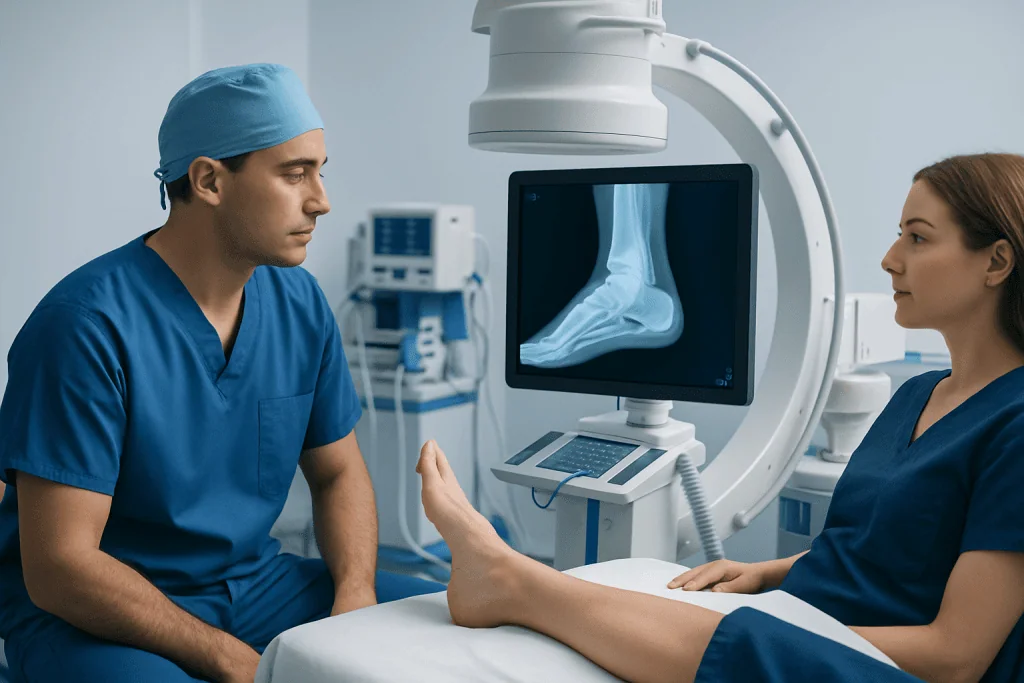
A person may be considered for plantar fascia surgery when heel pain remains severe or disabling after an extended period of consistent non-surgical care, often for at least 6 to 12 months. The decision is based on the impact of pain on walking, work, sleep, exercise and everyday activities, not simply on the duration of symptoms. A clinician will also consider whether conservative measures were used regularly and correctly.
Before recommending surgery, the specialist should confirm that plantar fasciitis is the likely source of pain. Heel pain can also arise from a stress injury, arthritis, nerve compression, tendon problems, an inflammatory condition or pain referred from the back. Symptoms such as numbness, burning or pain that extends beyond the heel may suggest another cause and need further evaluation.
People who may be less suitable for surgery include those with poorly controlled diabetes, significant circulation problems, active infection, serious wound-healing concerns or conditions that make rehabilitation difficult. These factors do not always rule out surgery, but they require individualized planning. Expectations also matter: surgery may reduce pain substantially, but it cannot guarantee complete or immediate relief.
How the Procedure Works: Preparation and Steps
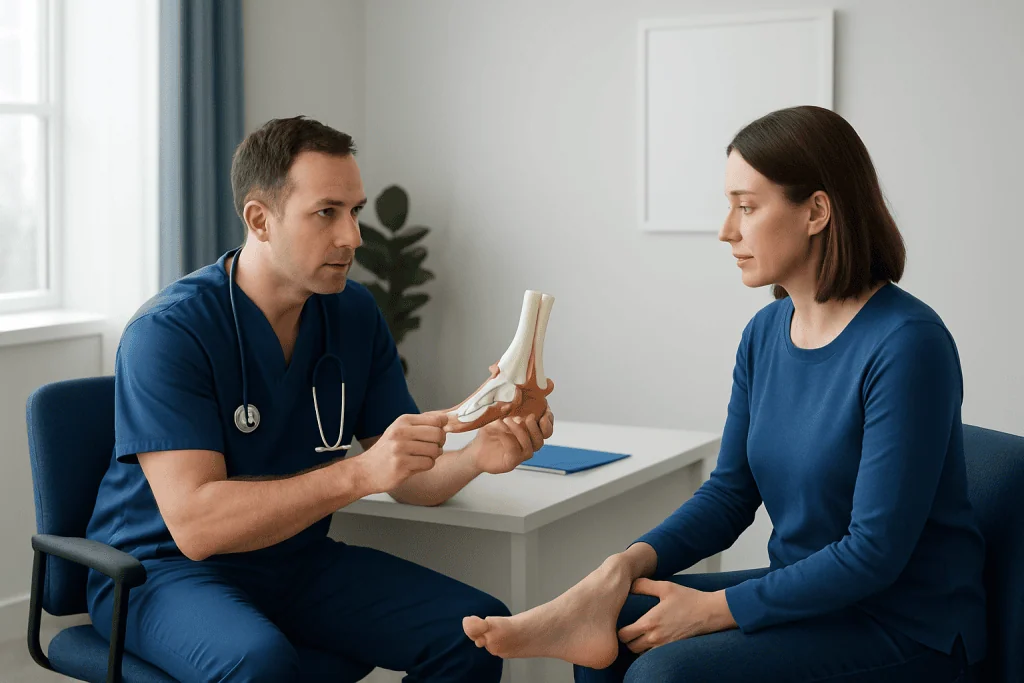
Before surgery, the care team reviews the person’s medical history, medications, allergies, activity needs and previous treatments. A physical examination is central to planning. X-rays may be used to assess the heel and foot structure, while ultrasound or MRI is occasionally helpful if the diagnosis is uncertain or a different injury is suspected. A heel spur can be visible on imaging, but its presence alone does not determine whether surgery is needed.
The procedure is commonly performed as day surgery under local anesthesia with sedation, regional anesthesia or general anesthesia, depending on the technique and the patient’s needs. In an open procedure, the surgeon makes a small incision on the foot and accesses the plantar fascia directly. In an endoscopic procedure, one or two small incisions allow a camera and specialized instruments to guide the release.
The surgeon divides only a selected portion of the fascia, often the inner portion, to relieve excessive tension while preserving as much support for the arch as possible. If another confirmed problem contributes to symptoms, such as tight calf muscles or nerve entrapment, the surgical plan may be adapted. The incision is then closed and covered with a dressing. The person usually goes home the same day with specific instructions for pain control, wound care and walking.
Benefits and Limits of Plantar Fascia Release
The principal potential benefit of plantar fascia surgery is a reduction in persistent heel pain that has not responded to non-surgical care. As pain settles, some people are able to walk more comfortably, return to work duties and resume selected recreational activities. Releasing part of the fascia may also help relieve the marked tightness experienced with first steps after sitting or sleeping.
However, surgery is not a quick fix for every type of heel pain. The plantar fascia and surrounding tissues need time to recover, and it may take several months to judge the full result. A person can continue to have tenderness, stiffness or intermittent pain during recovery. Symptoms may persist if the original diagnosis was incomplete, if there are overlapping foot or nerve conditions, or if the tissue remains irritated by mechanical strain.
A careful discussion with a foot and ankle specialist should compare the expected benefits with the possible downsides in the individual case. It should also include practical issues such as time away from physically demanding work, mobility needs at home, the ability to follow rehabilitation advice and the importance of supportive shoes after healing.
Recovery Timeline and Rehabilitation
Recovery after plantar fascia surgery differs according to the surgical approach, the extent of release, the individual’s general health and the demands of daily life. In the first days, the foot is usually kept elevated to limit swelling, and the dressing should be kept clean and dry as instructed. Pain and swelling are expected early on and are typically managed with rest, prescribed or recommended pain medicines, and the care team’s guidance.
Some people are allowed to bear weight soon after surgery in a protective surgical shoe or boot, while others need crutches or a period of reduced weight-bearing. The surgeon’s instructions should take priority, because returning to full loading too soon can delay wound healing and aggravate discomfort. Sutures, if used, are commonly reviewed or removed within a few weeks.
Gentle ankle and toe movement may begin when the surgeon advises it. Physical therapy can help restore calf flexibility, foot strength, balance and a comfortable walking pattern. Many people gradually return to desk-based work within a few weeks, but jobs requiring long periods of standing, climbing or heavy physical activity may require more time. Higher-impact exercise and running are generally reintroduced only after adequate healing, strength and pain control, often over several months.
Supportive footwear, temporary orthotic inserts and a gradual return to activity can protect the foot during recovery. A follow-up plan allows the team to monitor wound healing, manage swelling and adjust rehabilitation. Acibadem International’s multidisciplinary specialists and JCI-accredited hospitals support diagnosis, surgical planning and recovery care for international patients with persistent foot conditions.
Risks and Possible Complications
All operations carry some risk, although serious complications are uncommon. General surgical risks include bleeding, blood clots, reactions to anesthesia, infection and delayed wound healing. The likelihood of certain complications can be higher in people who smoke, have diabetes, have circulation concerns or have other conditions affecting healing. Sharing a complete medical history with the surgical team helps them reduce avoidable risks.
Specific risks of plantar fascia surgery include ongoing or recurrent heel pain, scar sensitivity, swelling, stiffness and numbness or tingling caused by irritation of nearby nerves. Rarely, nerve injury may result in longer-lasting altered sensation or pain. Some people may also develop pain on the outer side of the foot if the arch mechanics change after release.
Because the plantar fascia helps support the arch, releasing too much of it can contribute to arch instability or changes in foot shape. Modern techniques aim for a limited release to reduce this concern, but it remains an important reason why surgery should be performed only after careful assessment. Contacting the surgical team promptly about increasing redness, drainage, fever, severe swelling, calf pain or sudden worsening pain is important.
When to Seek Medical Care
Medical assessment is appropriate for heel pain that lasts more than a few weeks, returns repeatedly or interferes with normal walking and daily activities. Early assessment can help identify plantar fasciitis and rule out other causes before pain becomes more persistent. A clinician may recommend stretching, changes in activity, footwear advice, physiotherapy or other non-surgical options based on the person’s symptoms.
Urgent medical care is needed after a foot injury if a person cannot bear weight, notices major swelling or deformity, or experiences severe pain that begins suddenly. Prompt evaluation is also important for redness, warmth, fever, an open wound, new weakness, loss of feeling or a cold or pale foot. These symptoms are not typical of uncomplicated plantar fasciitis and may need timely treatment.
After plantar fascia surgery, patients should attend scheduled follow-up appointments and contact their care team if the wound opens, drainage develops, pain is worsening rather than gradually improving, or there are signs of infection. A qualified foot and ankle specialist can explain whether ongoing symptoms are part of expected recovery or require additional care.
Frequently asked questions
Is plantar fascia surgery painful?
Anesthesia prevents pain during the procedure. Soreness, swelling and incision discomfort are common afterward, especially during the first days and weeks. The surgical team provides an individualized plan for pain relief and safe activity.
How long does it take to recover from plantar fascia surgery?
Initial wound healing commonly takes several weeks, but recovery of comfortable walking and strength takes longer. Many people progress over several months, particularly before returning to running or other impact activities. The exact timeline depends on the surgical technique, healing response and rehabilitation needs.
Can plantar fasciitis return after surgery?
Heel pain can persist or return after surgery, although this does not always mean the fascia has reattached or that the operation failed. Ongoing strain, incomplete healing, nerve-related pain or another foot condition may contribute. Follow-up assessment can help identify the cause and guide treatment.
Will a heel spur be removed during plantar fascia surgery?
Not necessarily. Heel spurs are common in people with and without plantar heel pain, and they are not always the pain source. The surgical plan focuses on the findings responsible for symptoms, so spur removal is considered only in selected situations.
Is endoscopic plantar fascia release better than open surgery?
Both approaches can be appropriate, and neither is automatically best for every person. Endoscopic surgery uses smaller incisions and may allow earlier recovery in some cases, while open surgery can provide direct access when needed. The choice depends on anatomy, diagnosis, surgeon experience and individual risk factors.
What should someone try before plantar fascia surgery?
Non-surgical care usually includes activity modification, calf and plantar fascia stretching, supportive footwear, heel cushioning or orthoses, and physiotherapy. A clinician may discuss additional options when symptoms remain persistent. Surgery is generally considered only after a consistent, appropriately supervised course of conservative treatment has not provided sufficient improvement.
References
- American Academy of Orthopaedic Surgeons
- American Orthopaedic Foot & Ankle Society
- National Institute for Health and Care Excellence
- Mayo Clinic
- Merck Manual Consumer Version
This article is for general information only and is not a substitute for professional medical advice. Please consult a qualified doctor about your individual situation.
Explore treatments in Turkey — costs, top hospitals & a free quote
JCI-accredited · board-certified surgeons · reply within 24h
Add us as a Preferred Source to see more of our trusted health content across Google Search, AI Overviews and Discover.