Intractable Pain Explained: Common Triggers and Red Flags

Intractable pain is pain that remains poorly controlled despite reasonable treatment attempts, rather than a specific disease. Its cause may be ongoing tissue injury, nerve dysfunction, inflammation, cancer, headache disorders, or a combination of physical and emotional factors.
Key Takeaways
- Intractable pain is pain that remains poorly controlled despite reasonable treatment attempts, rather than a specific disease.
- Its cause may be ongoing tissue injury, nerve dysfunction, inflammation, cancer, headache disorders, or a combination of physical and emotional factors.
- New weakness, loss of bladder or bowel control, fever with severe pain, chest pain, or sudden severe headache require urgent assessment.
- Effective care usually combines evaluation of the cause with medication review, rehabilitation, psychological support, and selected procedures when appropriate.
- Keeping a record of pain patterns, triggers, treatments, and functional changes can help clinicians make safer decisions.
Intractable pain describes severe or persistent pain that remains difficult to control despite appropriate, usual treatments. It is not a diagnosis by itself; it is a signal that the underlying cause, treatment plan, and possible complications should be reviewed carefully by a qualified clinician.
Overview: What Does Intractable Pain Mean?
Intractable pain is severe, persistent, or recurrent pain that has not responded adequately to standard treatment approaches. The term may also be described as refractory or treatment-resistant pain. It does not mean that pain cannot be improved, but it does mean that further assessment is needed to understand why symptoms remain difficult to control and to develop a more individualized plan.
Pain is a personal sensory and emotional experience. Its intensity does not always match the amount of visible tissue damage, particularly when pain has lasted for months or years. Long-lasting pain can change how the nervous system processes signals, making normal movement, touch, stress, poor sleep, or other factors feel more painful than expected.
Clinicians consider more than pain intensity when assessing whether pain is intractable. They also look at how pain affects sleep, mobility, work, relationships, mood, and the ability to complete everyday activities. A thorough review can identify untreated causes, medication side effects, overlapping conditions, or opportunities to use combined therapies rather than relying on one treatment alone.
How Intractable Pain May Feel and Affect Daily Life
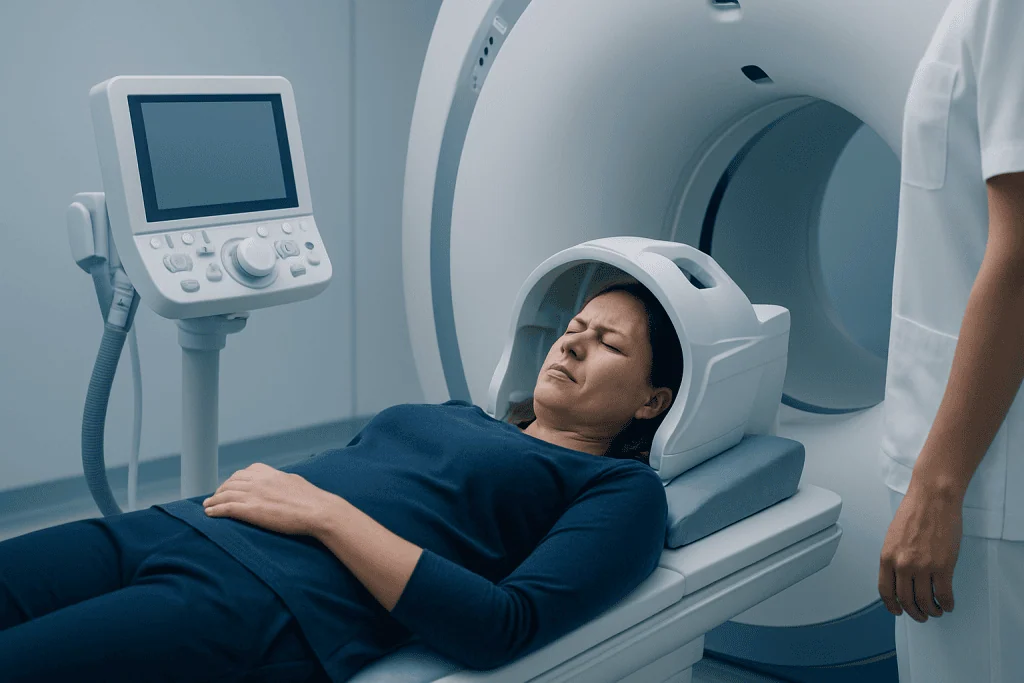
Intractable pain can occur almost anywhere in the body and may be constant, intermittent, or triggered by movement or activity. It may be described as aching, stabbing, burning, throbbing, cramping, electric, pressure-like, or deeply sore. Neuropathic pain, which arises from irritation or injury to nerves, may include tingling, numbness, sensitivity to touch, or sudden shooting sensations.
Persistent pain commonly affects more than the painful area. People may have disrupted sleep, fatigue, reduced concentration, irritability, low mood, fear of movement, or difficulty keeping up with family and work responsibilities. These effects are real consequences of pain, not signs that the pain is “all in the mind.” At the same time, stress, anxiety, and poor sleep can amplify pain signaling and deserve attention as part of whole-person care.
Symptoms can fluctuate. A person may have a manageable baseline level with occasional flares, while another may experience severe pain every day. Noting the timing, location, severity, associated symptoms, activities, sleep quality, and response to treatment can reveal useful patterns for the healthcare team.
Common Triggers and Underlying Causes

Intractable pain may develop when an underlying condition remains active, progresses, or is not yet identified. Common sources include arthritis and other musculoskeletal conditions, spinal problems, migraine and other headache disorders, nerve injury, diabetes-related neuropathy, endometriosis, inflammatory disease, and pain after surgery or trauma. Some people also experience persistent pain after an infection, including shingles.
Cancer and its treatments can cause pain through pressure on tissues, bone involvement, nerve compression, inflammation, surgery, chemotherapy, or radiation. Cancer-related pain should always be assessed individually because treatment can often be adjusted to address both the cause and the symptom. Severe pain in a person with known cancer, especially pain that is new or rapidly worsening, should be reported promptly.
Common pain triggers can include prolonged sitting or standing, repeated movements, physical overexertion, poor sleep, dehydration, missed meals, emotional stress, illness, and changes in weather for some individuals. In migraine, light, noise, hormonal changes, certain foods, and irregular sleep may contribute. A trigger does not necessarily cause the underlying condition; it may lower the threshold at which pain becomes noticeable or severe.
Sometimes no single structural cause explains ongoing pain. In these cases, the nervous system may have become sensitized, meaning it responds more strongly to signals from the body. This can occur alongside a clear physical condition and should not prevent clinicians from checking for new medical problems when symptoms change.
How Clinicians Assess Difficult-to-Control Pain
A careful evaluation begins with the pain history: where it occurs, when it began, how it has changed, what it feels like, what worsens or eases it, and how it affects function. Clinicians also ask about previous injuries, operations, medical conditions, medications, substance use, sleep, emotional wellbeing, and family history where relevant. They will review all prescription medicines, over-the-counter products, and supplements to identify interactions, side effects, or treatments that have not been used safely or long enough to assess.
The physical examination may include assessment of posture, joints, muscles, strength, sensation, reflexes, walking, circulation, and the painful region. Depending on the pattern of symptoms, blood tests, imaging, nerve studies, or other investigations may be appropriate. Tests are chosen to answer a clinical question, such as whether there is infection, inflammation, fracture, nerve compression, or another condition requiring specific treatment.
Imaging findings do not always explain pain severity. For example, age-related changes in the spine can be seen in people without pain, while nerve pain may be severe even when routine imaging is unrevealing. The goal is to combine test results with the person’s symptoms and examination, rather than treating a scan result alone.
Treatment Options: A Multimodal Plan
Management of intractable pain starts with treating an identified cause whenever possible. This may involve care for inflammatory disease, diabetes, infection, a spinal condition, migraine, cancer, or another health problem. When pain cannot be removed completely, the treatment goal often becomes improving comfort, sleep, mobility, independence, and quality of life while reducing treatment-related harm.
Medication may be one component of care, but the best choice depends on the type of pain, other medical conditions, and previous response. Options may include non-opioid pain medicines, medicines that influence nerve pain signaling, topical treatments, or condition-specific therapies. Opioid medicines can be appropriate in selected situations, particularly for some acute, cancer-related, or palliative-care needs, but require close medical supervision because of risks including sedation, constipation, falls, tolerance, dependence, and overdose. They should not be started, stopped, or changed without professional guidance.
Non-medication treatments can be equally important. Physical therapy may help restore movement, strength, pacing skills, and confidence with activity. Depending on the cause, clinicians may recommend occupational therapy, psychological therapies for pain coping, sleep support, relaxation training, acupuncture, interventional pain procedures, or specialist rehabilitation. These approaches do not imply that pain is psychological; they address the multiple systems that influence the pain experience.
For complex pain, coordinated care between primary care clinicians, pain specialists, neurologists, orthopedists, rehabilitation professionals, mental health professionals, and other relevant specialists may be helpful. Acibadem International’s multidisciplinary specialists and JCI-accredited hospitals also evaluate and treat complex pain conditions for international patients.
Self-Care That Supports Medical Treatment
Self-care cannot replace medical assessment for severe or changing pain, but it can support a treatment plan. Gentle, regular movement within a clinician’s or therapist’s recommendations may reduce stiffness and deconditioning. A gradual approach is usually safer than alternating between overactivity on better days and prolonged rest after a flare. This technique is often called pacing.
A consistent sleep schedule, balanced meals, adequate fluids, and realistic stress-management practices may help reduce pain sensitivity. Some people benefit from breathing exercises, mindfulness-based strategies, heat or cold when appropriate, supportive positioning, or planned rest breaks. These measures should be adapted to the diagnosis; for example, heat may not be suitable over an area of active inflammation, impaired sensation, or certain skin conditions.
A pain diary can be especially useful. It may include pain severity, location, sleep, movement, mood, possible triggers, treatments used, side effects, and the activities that were possible that day. The purpose is not to focus attention on pain, but to give the care team clearer information and identify patterns that may guide treatment.
- Take medicines only as prescribed and discuss side effects early.
- Avoid using alcohol, sedatives, or unprescribed substances to manage pain.
- Do not abruptly stop long-term opioid, antidepressant, or antiseizure medicines without medical advice.
- Ask for help with daily activities when pain is limiting function or safety.
When to Seek Medical Care
Medical review is appropriate when pain lasts longer than expected, interferes with sleep or daily life, becomes harder to control, or requires increasingly frequent medication. A clinician should also assess pain accompanied by unexplained weight loss, persistent fever, swelling, a new rash, worsening numbness, or significant changes in mood. Early assessment can help identify treatable causes and prevent avoidable loss of function.
Urgent medical care is needed for sudden, severe, or rapidly worsening pain, particularly when it occurs with chest pressure, shortness of breath, fainting, weakness on one side of the body, trouble speaking, confusion, or a sudden severe headache. Emergency assessment is also important for severe back or neck pain with new leg weakness, numbness around the groin or buttocks, or new loss of bladder or bowel control, as these may indicate serious nerve compression.
Fever, chills, severe pain with a red or swollen area, pain after a major injury, or severe abdominal pain with vomiting or a rigid abdomen also need prompt evaluation. People taking opioid medicines should seek emergency help if they or someone around them notices unusual difficulty waking, slow or shallow breathing, blue or gray lips, or loss of consciousness.
Frequently asked questions
Is intractable pain the same as chronic pain?
Not exactly. Chronic pain generally means pain that lasts beyond normal healing time, often for more than three months. Intractable pain refers to pain that remains difficult to control despite appropriate treatment attempts, and it may be chronic or, less commonly, severe acute pain.
Can intractable pain improve?
Yes. Although the term can sound final, it does not mean that relief is impossible. A reassessment may identify a treatable cause, a different pain mechanism, medication issues, or a combination of therapies that improves symptoms and daily function.
What kind of doctor treats intractable pain?
A primary care clinician can coordinate the initial evaluation and referrals. Depending on the suspected cause, care may involve a pain medicine specialist, neurologist, orthopedist, rheumatologist, oncologist, rehabilitation specialist, or mental health professional with experience in chronic pain.
Are opioids always needed for severe persistent pain?
No. Opioids are not the best or safest option for every type of persistent pain, especially some long-term non-cancer pain conditions. A clinician weighs the potential benefit against risks and may recommend non-opioid medicines, physical rehabilitation, behavioral pain therapies, procedures, or treatment of the underlying disease.
Can stress make intractable pain worse?
Stress can increase muscle tension, disrupt sleep, and heighten the nervous system’s response to pain signals. This does not mean stress is the cause of all pain or that symptoms are not physical. Addressing stress and sleep is one useful part of a comprehensive pain plan.
What information should someone bring to a pain appointment?
It is helpful to bring a list of all medicines and supplements, previous test results, relevant imaging reports, and details of past treatments and their effects. A brief pain diary describing timing, triggers, severity, function, sleep, and associated symptoms can also help the clinician make a more informed assessment.
This article is for general information only and is not a substitute for professional medical advice. Please consult a qualified doctor about your individual situation.
Explore treatments in Turkey — costs, top hospitals & a free quote
JCI-accredited · board-certified surgeons · reply within 24h
Add us as a Preferred Source to see more of our trusted health content across Google Search, AI Overviews and Discover.

More from the Health Library

What Is Spam Food? Causes, Explanations, and Next Steps
Myocardial Infarction Female Symptoms Explained: Common Triggers and Red Flags

Do Bananas Cause Constipation? Causes, Explanations, and Next Steps

How Long Does It Take to Fall in Love? Causes, Explanations, and Next Steps

Does Sweating Burn Calories? Causes, Explanations, and Next Steps