Acne Prone Skin: A Complete Medical Overview

Acne prone skin is common and can affect the face, chest, back, shoulders, and jawline at any age. Acne develops through a combination of excess oil, blocked pores, skin bacteria, and inflammation.
Key Takeaways
- Acne prone skin is common and can affect the face, chest, back, shoulders, and jawline at any age.
- Acne develops through a combination of excess oil, blocked pores, skin bacteria, and inflammation.
- A simple routine using non-comedogenic products is usually more helpful than frequent product changes or harsh scrubbing.
- Over-the-counter acne treatments may help mild acne, but results often require several weeks of consistent use.
- Painful, scarring, widespread, or emotionally distressing acne should be assessed by a dermatologist.
Acne prone skin tends to develop blackheads, whiteheads, inflamed pimples, or deeper spots repeatedly because pores become blocked and inflamed. Consistent, gentle skin care and timely medical treatment can help control active breakouts and reduce the risk of marks and scarring.
What Does Acne Prone Skin Mean?
Acne prone skin is skin that regularly develops clogged pores and breakouts, including blackheads, whiteheads, pimples, pustules, or deeper tender lumps. It is not a sign that a person is unclean or that they have failed to care for their skin. Rather, it reflects how the hair follicles and oil glands in the skin respond to hormones, inflammation, products, genetics, and other influences.
Acne most often affects the face, but it can also occur on the chest, upper back, shoulders, and buttocks. It may begin during puberty, when hormone changes increase oil production, but many adults continue to have acne or develop it later in life. The pattern can vary: some people mainly have small bumps and blackheads, while others experience red, inflamed, or painful lesions.
Having acne prone skin does not necessarily mean that breakouts will always be severe. Understanding personal triggers, protecting the skin barrier, and choosing appropriate treatment can make breakouts more manageable. A healthcare professional can help distinguish acne from other conditions that may look similar, such as folliculitis, rosacea, or perioral dermatitis.
How Acne Forms in the Skin
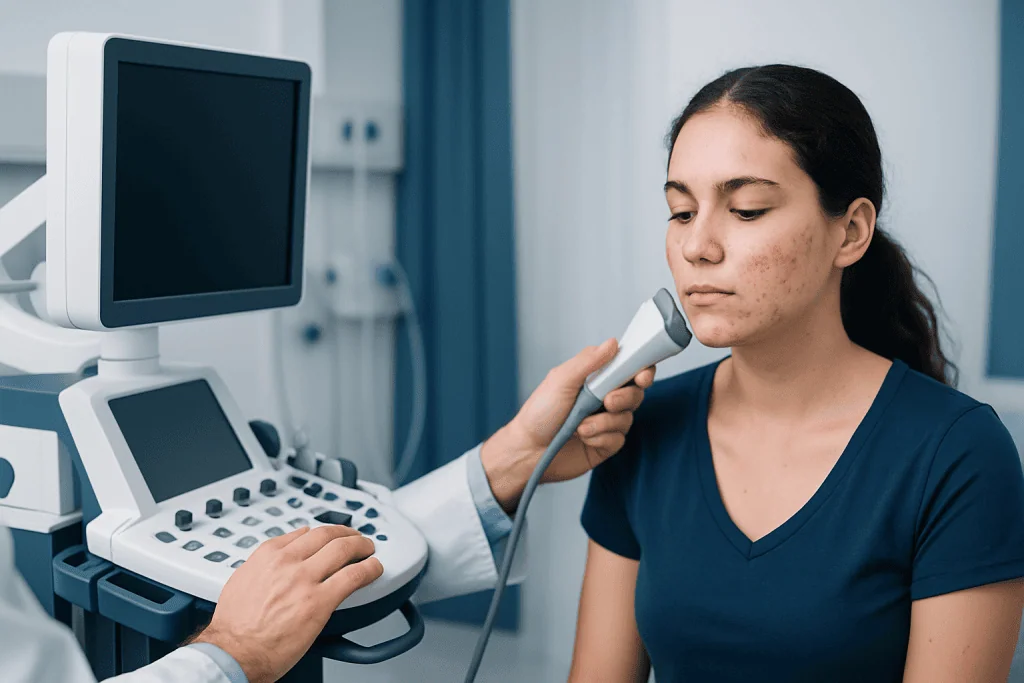
Acne begins inside a hair follicle, which is a small opening in the skin connected to an oil-producing sebaceous gland. Sebum is the skin’s natural oil and has an important protective role. When excess sebum combines with dead skin cells, the follicle can become blocked, forming a comedone.
A blocked follicle that remains closed may appear as a whitehead. When the material inside is exposed to air, it can darken and form a blackhead; the dark color is not dirt. In some follicles, naturally occurring skin bacteria, especially Cutibacterium acnes, contribute to inflammation. This can lead to red pimples, pus-filled spots, nodules, or cyst-like lesions.
Acne is therefore not caused by one factor alone. Treatments may target different parts of the process: reducing pore blockage, lowering inflammation, limiting excess oil, or controlling bacteria. Because the acne cycle develops gradually, visible improvement usually takes time even when a treatment is appropriate.
- Comedonal acne: mainly blackheads and whiteheads.
- Inflammatory acne: red papules and pustules.
- Nodular or cystic acne: deeper, painful lesions with a higher risk of scarring.
Causes and Factors That Can Worsen Breakouts
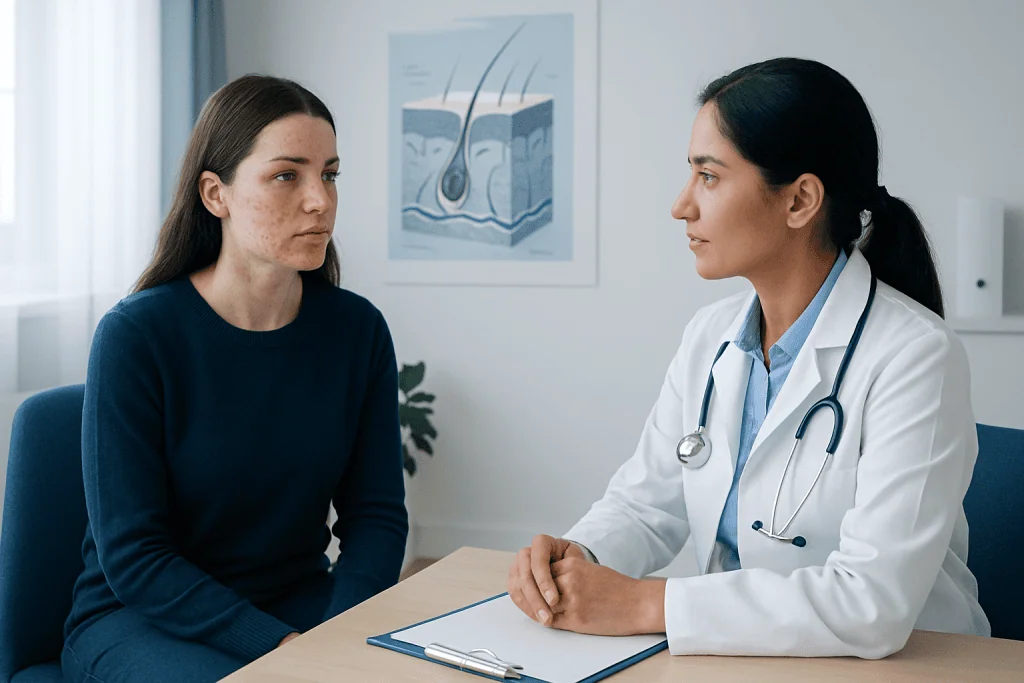
Genetics strongly influence acne prone skin. A person may be more likely to develop acne if close relatives have had it. Hormonal changes are also important, particularly during puberty, around menstrual periods, during pregnancy, and in conditions associated with higher androgen activity. Some adults notice a recurring pattern of spots along the jawline, chin, or lower face, although location alone cannot diagnose a hormonal condition.
Skin and hair products can contribute when they are oily, heavy, or likely to block pores. Cosmetics and sunscreens labeled “non-comedogenic” or “won’t clog pores” are less likely to aggravate acne, though individual reactions still vary. Tight helmets, masks, collars, sports equipment, and friction from frequent touching can also contribute to breakouts in specific areas.
Stress does not cause acne on its own, but it may worsen existing acne in some people through hormonal and inflammatory effects. Certain medicines can also trigger acne-like eruptions. These may include some corticosteroids, lithium, certain anti-seizure medicines, and some hormonal treatments. A person should not stop prescribed medication without speaking with the clinician who prescribed it.
Dietary effects differ from person to person. Some research suggests that high-glycemic foods or dairy products may worsen acne for certain individuals, but diet is not the sole cause. Restrictive diets are usually unnecessary. It can be reasonable to observe whether a consistent food pattern seems linked to breakouts and discuss concerns with a healthcare professional or registered dietitian.
A Practical Routine for Acne Prone Skin
A calm, consistent routine is often the foundation of acne care. Washing the affected skin gently twice daily and after heavy sweating can remove surface oil, sweat, and sunscreen without unnecessary irritation. A mild cleanser and lukewarm water are usually sufficient. Scrubbing, cleansing repeatedly, or using rough exfoliating tools can damage the skin barrier and make redness and discomfort worse.
After cleansing, an acne treatment can be applied if it is part of the person’s plan. Lightweight, fragrance-free moisturizers are helpful even for oily skin because drying treatments can cause irritation. Daily broad-spectrum sunscreen is also important, especially when using treatments that increase sun sensitivity or when trying to reduce the chance of dark marks after spots heal.
Products should ideally be introduced one at a time and used consistently rather than changed every few days. If stinging, burning, marked peeling, swelling, or a rash develops, the product should be stopped and medical advice sought if symptoms are significant. Picking or squeezing spots should be avoided, as it can increase inflammation, infection risk, and the chance of scars or post-inflammatory dark marks.
- Choose non-comedogenic makeup, sunscreen, moisturizer, and hair products where possible.
- Remove makeup before sleep and clean makeup applicators regularly.
- Keep hair products away from the forehead and sides of the face when possible.
- Shower after sweating and change out of damp exercise clothing.
- Avoid using toothpaste, alcohol-based products, or undiluted essential oils as spot treatments.
Medical Treatment Options
Mild acne may improve with non-prescription treatments such as benzoyl peroxide, salicylic acid, adapalene, or azelaic acid. Each works differently, and some may cause dryness or irritation at first. Starting gradually and using a moisturizer can improve tolerance. Benzoyl peroxide can bleach fabrics and hair, while retinoid-type products can increase sensitivity to sunlight.
A clinician may recommend prescription topical treatments, including retinoids, antimicrobial medicines, or anti-inflammatory agents. Topical and oral antibiotics may be used for selected inflammatory acne, generally for a limited period and alongside other treatments to reduce the chance of antibiotic resistance. Hormonal approaches may be considered for some women when appropriate, based on medical history and individual needs.
For severe acne, acne that causes scars, or acne that does not respond to standard care, a dermatologist may discuss oral isotretinoin. This medicine can be highly effective but requires close medical supervision because it has important potential side effects and strict pregnancy-prevention requirements. Procedures such as comedone extraction, chemical peels, or selected light-based therapies may be suitable for some patients, but they do not replace a personalized treatment plan.
The right approach depends on the type and severity of acne, skin sensitivity, skin tone, medications, pregnancy plans, and personal preferences. It is reasonable to expect improvement over weeks rather than days. If a treatment plan is not helping after an appropriate trial, a clinician can reassess the diagnosis and adjust care.
Preventing Marks, Scars and Emotional Impact
Not every acne lesion leaves a permanent scar. However, deeper and more inflamed breakouts are more likely to leave textural scars or color changes. Post-inflammatory hyperpigmentation refers to darker areas left after a spot heals, while post-inflammatory erythema describes lingering red or pink marks. These changes can fade gradually, although the process may take months.
Early control of active inflammatory acne is one of the most effective ways to reduce the risk of scarring. Avoiding picking, scratching, or attempting to drain lesions at home is equally important. Sunscreen can help prevent marks from becoming darker and supports a more even appearance while the skin heals.
Acne can affect self-confidence, social comfort, and emotional wellbeing, regardless of its clinical severity. These feelings are valid and should be discussed with a healthcare professional. Supportive treatment addresses both the physical condition and its impact on daily life. Scar treatments are usually considered after active acne is adequately controlled, as new breakouts can create new scars.
Acibadem International’s multidisciplinary specialists and JCI-accredited hospitals can assess acne and related skin concerns for international patients, including treatment planning for active acne and its after-effects.
When to Seek Medical Care
A person should arrange a medical assessment if acne is painful, deep, widespread, leaving scars, or not improving with careful over-the-counter treatment. A dermatologist can identify the acne type, check for possible contributing conditions, and recommend treatments that are safer and more effective for the individual’s skin and medical history.
Medical advice is especially important if acne begins suddenly in adulthood, is accompanied by irregular periods, increased facial or body hair, scalp hair thinning, or other hormone-related symptoms. These signs do not always indicate an underlying disorder, but they may warrant evaluation. People who are pregnant, breastfeeding, trying to conceive, or using other regular medicines should ask a clinician before starting acne treatments.
Urgent medical care is appropriate for signs of a serious allergic reaction, such as facial swelling, difficulty breathing, widespread hives, or severe blistering after using a product or medicine. Otherwise, acne is usually not an emergency, and a planned consultation provides the opportunity for careful, long-term management.
Frequently asked questions
Is acne prone skin the same as oily skin?
Not necessarily. Oily skin produces more sebum and may be more likely to develop clogged pores, but people with combination, normal, or even dry-feeling skin can have acne. Dryness may also occur when acne treatments irritate the skin barrier.
How long does it take for acne treatment to work?
Most acne treatments need several weeks of regular use before improvement is noticeable. Some people experience temporary dryness or mild worsening as treatments are introduced. A clinician can advise when a treatment has been used long enough to judge its effect.
Should people with acne prone skin use moisturizer?
Yes, a suitable moisturizer can support the skin barrier and reduce irritation from acne treatments. A lightweight, fragrance-free, non-comedogenic moisturizer is often a practical choice. Skin that feels tight or flaky may need more consistent moisturization, not harsher cleansing.
Can makeup cause acne?
Some makeup products can worsen breakouts, particularly if they are heavy, oily, or not removed before sleep. Choosing non-comedogenic products and cleaning brushes or sponges regularly can help reduce this risk. Makeup does not need to be avoided completely if it is well tolerated.
Does stress cause acne?
Stress is not the only cause of acne, but it can make existing breakouts worse for some people. Stress may influence hormones, inflammation, sleep, and routines such as skin care. Stress-management strategies can support overall wellbeing but do not replace acne treatment when it is needed.
When should a person see a dermatologist for acne?
A dermatologist should be consulted for painful nodules, scarring, persistent acne, sudden severe breakouts, or acne causing emotional distress. Professional care is also advisable when non-prescription products have not helped or when pregnancy, breastfeeding, or other health conditions affect treatment choices. Early treatment can help limit long-term marks and scars.
References
- American Academy of Dermatology
- National Institute of Arthritis and Musculoskeletal and Skin Diseases
- National Health Service
- Mayo Clinic
- World Health Organization
This article is for general information only and is not a substitute for professional medical advice. Please consult a qualified doctor about your individual situation.
Acne in Turkey — costs, top hospitals & a free quote
JCI-accredited · board-certified surgeons · reply within 24h
Add us as a Preferred Source to see more of our trusted health content across Google Search, AI Overviews and Discover.