Heart Ejection Fraction: A Complete Medical Overview

Heart ejection fraction describes the percentage of blood leaving the left ventricle with each contraction. A typical left ventricular ejection fraction is approximately 50% to 70%, although results should be interpreted in clinical context.
Key Takeaways
- Heart ejection fraction describes the percentage of blood leaving the left ventricle with each contraction.
- A typical left ventricular ejection fraction is approximately 50% to 70%, although results should be interpreted in clinical context.
- A reduced EF may occur with several heart conditions, but a normal EF does not always rule out heart failure or other cardiac problems.
- Echocardiography is the most commonly used test for measuring ejection fraction.
- EF can change over time, and treatment may improve heart function for some people.
Heart ejection fraction (EF) is a measurement of the percentage of blood pumped from the heart’s main pumping chamber, the left ventricle, during each heartbeat. It is an important clue about heart function, but it is only one part of a person’s overall cardiovascular assessment.
Overview: What Is Heart Ejection Fraction?
Heart ejection fraction is the proportion of blood pumped out of a heart chamber each time it contracts. In most clinical discussions, it refers to the left ventricular ejection fraction (LVEF), which measures the performance of the left ventricle. This chamber receives oxygen-rich blood from the lungs and pumps it through the aorta to supply the body.
EF is expressed as a percentage. For example, if the left ventricle fills with 100 milliliters of blood and pumps out 60 milliliters during a heartbeat, the ejection fraction is 60%. The ventricle does not normally empty completely, so an EF of 60% does not mean that 40% of the blood is permanently left behind; blood remaining in the chamber is part of normal heart mechanics.
Doctors use EF as one measure of how effectively the heart is pumping. It can help evaluate symptoms such as breathlessness or fatigue, guide treatment decisions, and monitor known heart disease. However, EF is not a diagnosis by itself. A person’s symptoms, examination findings, heart rhythm, blood pressure, imaging results, laboratory tests, and medical history all matter when interpreting an EF result.
Understanding EF Ranges and Heart Failure Categories
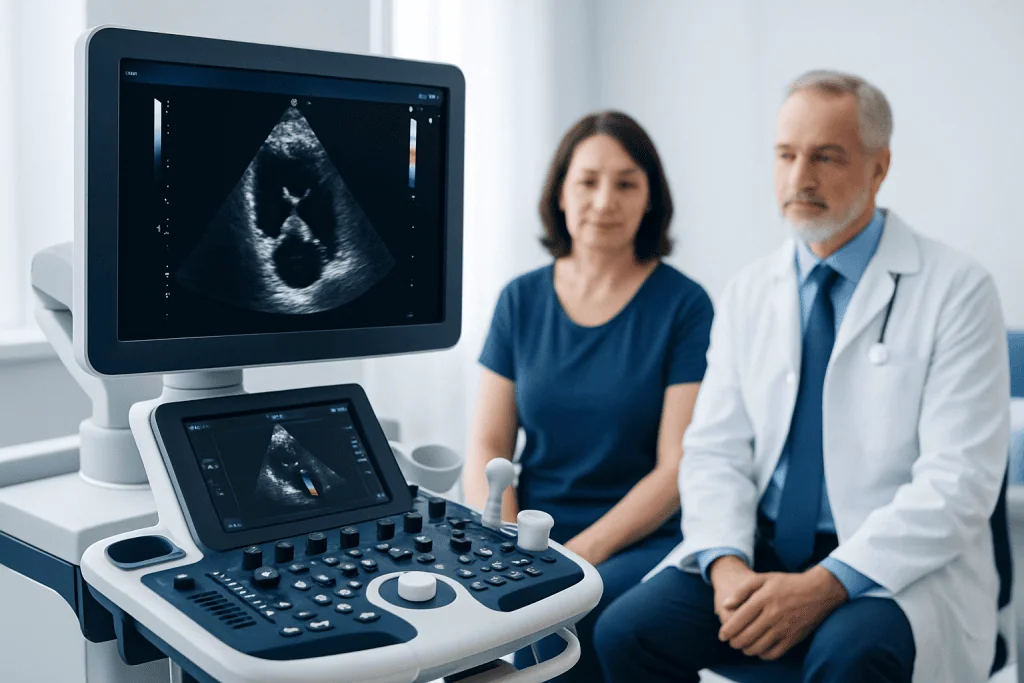
For the left ventricle, an EF of about 50% to 70% is generally considered within the usual range. Values may vary slightly according to the imaging method, laboratory, and the individual’s clinical circumstances. A result at the lower end of the reference range may be normal for one person but require follow-up in another, especially if symptoms or structural changes in the heart are present.
An EF below the usual range can indicate reduced pumping strength. Heart failure with reduced ejection fraction, often abbreviated HFrEF, is commonly used when LVEF is 40% or below. Heart failure with mildly reduced ejection fraction may be considered when EF is about 41% to 49%. These terms help clinicians select evidence-based treatments and follow changes over time.
Importantly, heart failure can also occur when EF is preserved. In heart failure with preserved ejection fraction (HFpEF), the left ventricle may squeeze normally but be stiff and less able to relax and fill. This can raise pressure in the heart and lungs, causing similar symptoms to reduced-EF heart failure. Therefore, a normal EF should not be viewed as a complete confirmation that the heart is healthy.
- Approximately 50% to 70%: commonly considered a normal LVEF range.
- Approximately 41% to 49%: mildly reduced range that may need further assessment.
- 40% or below: reduced range, often associated with impaired left ventricular pumping.
Symptoms and Possible Effects of a Low Ejection Fraction

Some people with a low ejection fraction have no noticeable symptoms, particularly when the change is mild or has developed gradually. Others may experience symptoms because the heart cannot meet the body’s demand for blood flow as efficiently, or because fluid builds up in the lungs and other tissues. Symptoms can range from subtle to more limiting and should be assessed by a qualified clinician.
Possible symptoms include shortness of breath during activity or while lying down, unusual tiredness, reduced exercise tolerance, swelling in the ankles, legs, abdomen, or hands, and rapid weight gain caused by fluid retention. A persistent cough, waking at night feeling short of breath, palpitations, dizziness, or reduced appetite can also occur in some cases.
The severity of symptoms does not always match the EF number. Someone may have a significantly reduced EF yet feel relatively well, while another person with a preserved EF may have substantial breathlessness because of stiffness in the heart muscle, valve disease, lung disease, anemia, or other health factors. This is why regular medical review is more useful than interpreting an EF value in isolation.
Why Ejection Fraction Can Be Reduced
A low EF may develop when heart muscle is damaged, weakened, or placed under prolonged strain. Coronary artery disease and heart attack are important causes because reduced blood flow can injure heart muscle. High blood pressure that is not well controlled can also make the heart work harder over time and contribute to changes in the left ventricle.
Other possible causes include cardiomyopathy, heart valve disease, longstanding rapid or irregular heart rhythms, congenital heart conditions, inflammation of the heart muscle, and some cancer treatments that can affect cardiac function. Severe infection, thyroid disease, alcohol misuse, stimulant drug use, and certain nutritional deficiencies may also contribute in selected cases. In some people, no clear cause is found initially.
Risk factors for conditions that affect EF include smoking, diabetes, high cholesterol, obesity, sedentary behavior, sleep apnea, high blood pressure, and a family history of cardiomyopathy or early heart disease. Managing these factors can support long-term cardiovascular health, although individual risks and treatment plans vary. A clinician may recommend family assessment if an inherited cardiomyopathy is suspected.
How Ejection Fraction Is Measured and Interpreted
An echocardiogram, also called an echo, is the most common way to measure ejection fraction. This painless ultrasound test uses sound waves to create moving images of the heart. It can show chamber size, wall motion, valve function, pressure estimates, and whether the heart muscle appears to pump evenly.
Other methods can measure EF when needed. These include cardiac magnetic resonance imaging (MRI), nuclear medicine scans, cardiac computed tomography (CT), and specialized tests performed during cardiac catheterization. Cardiac MRI is particularly useful when detailed information about heart muscle structure, inflammation, scarring, or certain cardiomyopathies is needed.
EF estimates can differ modestly between methods and even between separate examinations. Heart rate, blood pressure, heart rhythm, image quality, and the technical method used can affect the value. For this reason, doctors often compare results from the same type of test when monitoring trends. They also consider other measures, such as ventricular size, valve findings, strain imaging, biomarkers, and the person’s symptoms.
Right ventricular ejection fraction may also be assessed in certain circumstances, but it refers to the heart’s right-sided pumping chamber and is interpreted differently. A report should be reviewed with the clinician who ordered it, especially if it contains terms such as reduced function, regional wall-motion abnormality, dilation, or diastolic dysfunction.
Treatment and Everyday Steps That Support Heart Function
Treatment for a reduced EF focuses on the underlying cause, current symptoms, and overall cardiovascular risk. For example, treatment may address coronary artery disease, high blood pressure, valve disease, arrhythmias, diabetes, thyroid conditions, or inflammation. In some cases, treating the cause can improve heart function; in others, the goal is to prevent further decline, ease symptoms, and reduce complications.
For heart failure with reduced EF, doctors may prescribe a combination of medicines that support heart function and reduce strain on the heart. The appropriate medicines depend on kidney function, blood pressure, potassium levels, heart rhythm, other medical conditions, and tolerance. Some people may need procedures to restore blood flow, repair or replace a valve, treat an abnormal rhythm, or use an implanted device such as a pacemaker or defibrillator.
Daily habits can make a meaningful difference alongside medical care. These may include taking prescribed medicines consistently, avoiding smoking, limiting alcohol where advised, choosing a balanced eating pattern, staying physically active within a clinician-approved plan, and attending follow-up appointments. People with heart failure may be asked to monitor body weight and swelling, as a rapid change can indicate fluid retention.
Medication should not be stopped or adjusted solely because an EF improves. A higher EF can reflect a positive response to treatment, but the underlying tendency toward heart dysfunction may still require ongoing management. Acibadem International’s multidisciplinary specialists and JCI-accredited hospitals evaluate and treat cardiovascular conditions for international patients when coordinated cardiac care is needed.
When to Seek Medical Care
A person should arrange a medical assessment for new or worsening breathlessness, reduced ability to exercise, persistent ankle or leg swelling, frequent palpitations, unexplained fatigue, or a newly abnormal EF result. These symptoms may have many possible causes, but timely evaluation can help identify whether the heart or another condition is involved.
Urgent medical care is needed for chest pain or pressure, severe or sudden shortness of breath, fainting, coughing up pink or frothy fluid, confusion, blue or gray lips, or a very fast or irregular heartbeat accompanied by weakness or dizziness. These symptoms can indicate a serious medical problem and should not be managed at home.
People with known low EF should follow their care team’s instructions about appointments, medicines, activity, and symptom monitoring. They should contact their clinician promptly if swelling increases, breathing becomes more difficult, body weight rises quickly over a few days, or they need to sleep more upright than usual because of shortness of breath.
Frequently asked questions
What is a normal heart ejection fraction?
For the left ventricle, an ejection fraction of approximately 50% to 70% is generally considered within the normal range. The meaning of any individual result depends on the test method, symptoms, heart structure, and overall medical history. A clinician can explain whether a specific value needs monitoring or further investigation.
Is an ejection fraction of 40% dangerous?
An EF of 40% is considered reduced and should be reviewed by a doctor, particularly if it is new or accompanied by symptoms. It may be associated with heart failure with reduced ejection fraction, but the cause and outlook vary widely. Many people benefit from treatment and regular follow-up.
Can ejection fraction improve?
Yes, EF can improve in some people when the cause is treated and appropriate heart-failure therapies are used. Improvement may occur after controlling blood pressure, treating blocked arteries or abnormal rhythms, avoiding harmful substances, or managing cardiomyopathy. Ongoing treatment is often still important even if EF rises.
Can a person have heart failure with a normal ejection fraction?
Yes. Heart failure with preserved ejection fraction occurs when the heart’s pumping percentage is normal but the heart muscle is stiff or does not fill properly. This can lead to congestion and symptoms such as breathlessness, fatigue, and swelling.
How often should ejection fraction be checked?
The timing depends on the reason for testing, the EF result, symptoms, and treatment plan. A doctor may repeat an echocardiogram after treatment changes or at intervals to monitor known heart disease. Repeating tests too frequently is not always necessary when symptoms and clinical status are stable.
Does exercise raise ejection fraction?
Appropriately prescribed physical activity can improve fitness, symptoms, and cardiovascular health, and may support heart function in some people. However, exercise does not replace medical treatment for a low EF. People with known heart failure, chest symptoms, or a newly identified low EF should ask their clinician about a safe activity plan.
References
- American Heart Association
- American College of Cardiology
- European Society of Cardiology
- National Heart, Lung, and Blood Institute
- Mayo Clinic
This article is for general information only and is not a substitute for professional medical advice. Please consult a qualified doctor about your individual situation.
Heart care in Turkey — expert evaluation and treatment
JCI-accredited · board-certified surgeons · reply within 24h
Add us as a Preferred Source to see more of our trusted health content across Google Search, AI Overviews and Discover.
Check your numbers in seconds
BMI, calories, due date, blood pressure and 30+ more clinical calculators — free, instant, doctor-reviewed ranges.

More from the Health Library

Chromosome: What Patients Need to Know

Histamine Intolerance — Explained by Medical Evidence, Not Myths

Anticipatory Anxiety — Explained by Medical Evidence, Not Myths

Lump on Upper Mouth: A Complete Medical Overview

Dark Coloured Eyes: An Evidence-Based Guide for Patients