Understanding Before and After ALS Disease: A Complete Patient Guide
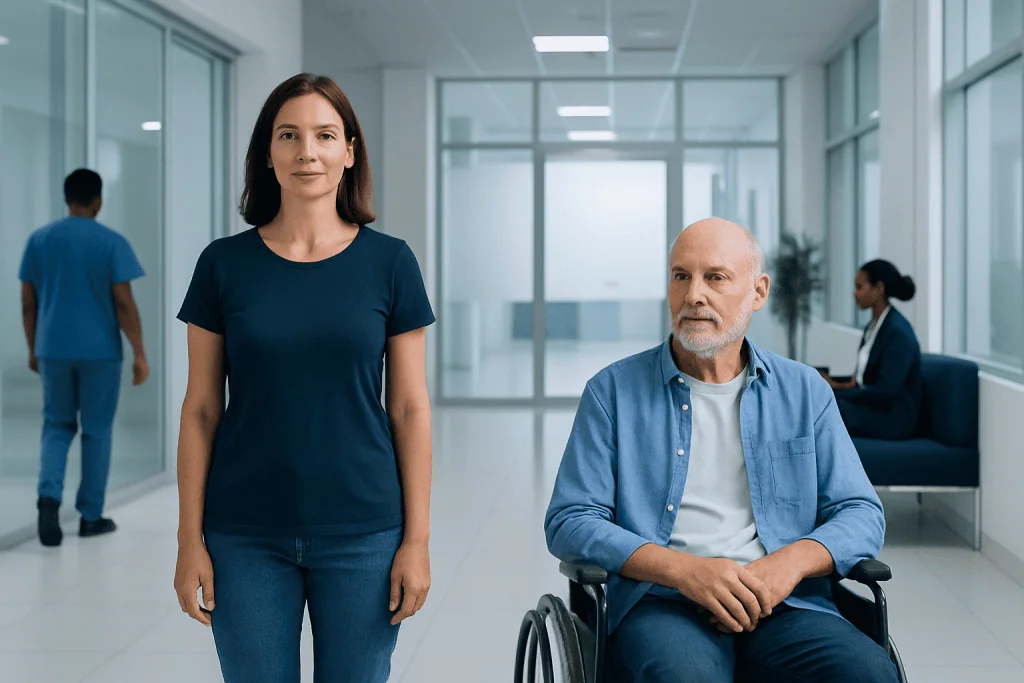
ALS is a progressive disease of the nerve cells that control voluntary muscles; it does not usually affect sensation, bladder control or the ability to think. Early ALS symptoms can be subtle and may include localized weakness, muscle twitching, stiffness, clumsiness or changes in speech.
Key Takeaways
- ALS is a progressive disease of the nerve cells that control voluntary muscles; it does not usually affect sensation, bladder control or the ability to think.
- Early ALS symptoms can be subtle and may include localized weakness, muscle twitching, stiffness, clumsiness or changes in speech.
- The pace and pattern of ALS differ substantially between individuals, so no two before-and-after experiences are the same.
- There is no single test for ALS; diagnosis involves neurological assessment and tests to rule out other causes of weakness.
- Treatment combines disease-modifying medicines when appropriate with respiratory, nutrition, rehabilitation, communication and emotional support.
Before and after ALS disease refers to the changes a person and their family may experience from early symptoms through diagnosis, treatment planning and ongoing support. Although ALS progresses over time, individualized medical care, rehabilitation and assistive technology can help maintain comfort, communication, independence and quality of life.
Before and After ALS Disease: What Does It Mean?
Before and after ALS disease describes the journey from a person’s life before symptoms, through diagnosis, and as amyotrophic lateral sclerosis (ALS) affects muscle function and daily activities over time. ALS is a progressive neurological condition that damages motor neurons, the nerve cells that carry signals from the brain and spinal cord to voluntary muscles.
“Before” may include subtle, easily overlooked changes such as a weaker hand grip, tripping more often, slurred speech, or muscle cramps. “After” does not follow one fixed timeline. Some people first develop symptoms in an arm or leg, while others notice speech or swallowing changes first. The rate of progression also varies considerably from person to person.
ALS is also called motor neurone disease in some countries. It primarily affects movement, including walking, hand use, speaking, swallowing and breathing. Sensation is generally preserved, meaning that numbness and loss of feeling are not typical ALS features. Many people retain their thinking abilities, although some may develop changes in thinking, behavior or language that deserve assessment and support.
Changes That May Appear Before Diagnosis
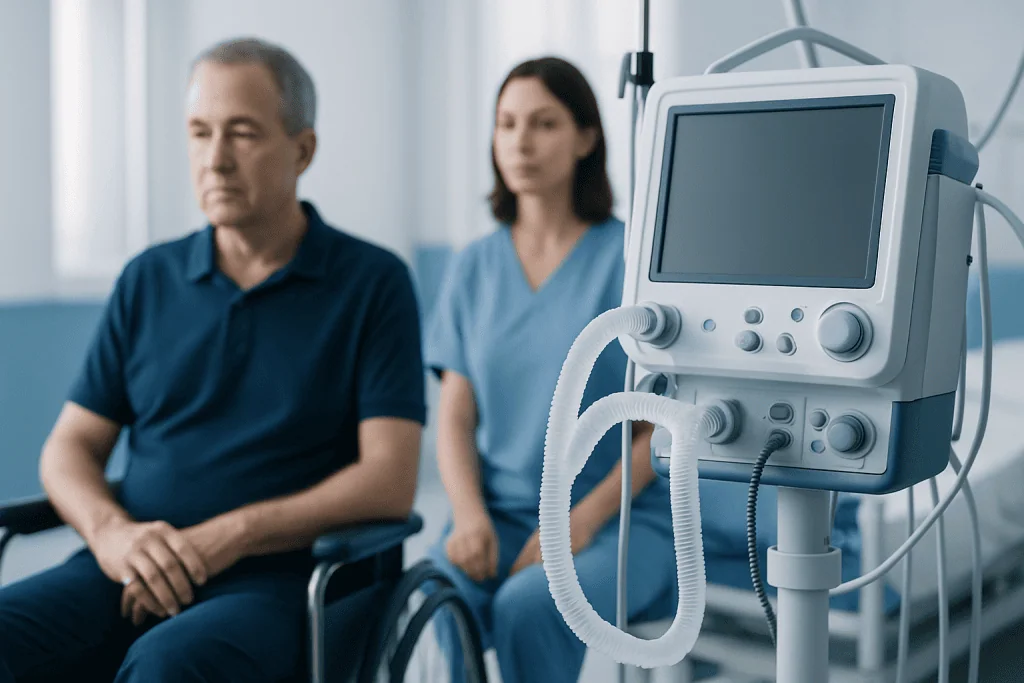
Early ALS symptoms usually begin gradually and in one area of the body. A person may notice that tasks once done automatically require more effort: turning a key, opening jars, lifting the front of a foot while walking, fastening buttons, or carrying objects. Family members may initially attribute these changes to fatigue, aging, a minor injury or a pinched nerve.
Common early signs can include muscle weakness, muscle twitching (fasciculations), cramps, stiffness, reduced coordination and unexplained falls. When the muscles involved in speech and swallowing are affected first, a person may have slower or less clear speech, choking episodes, drooling, or difficulty managing certain foods and liquids. These symptoms can also occur in other, sometimes treatable conditions, so they should not be assumed to mean ALS.
- Weakness that starts in one hand, arm, foot or leg
- Frequent tripping, foot drop, or reduced balance
- Persistent twitching, cramps or muscle stiffness alongside weakness
- Speech that sounds slurred, quieter or more effortful
- Difficulty chewing, swallowing or clearing saliva
- Shortness of breath when lying down, unrefreshing sleep or morning headaches
Seeking assessment promptly for persistent or worsening weakness is important. A clinician can look for other explanations, including spine disorders, nerve compression, vitamin deficiencies, thyroid disease, autoimmune conditions and other neuromuscular disorders.
What Changes After ALS Is Diagnosed?
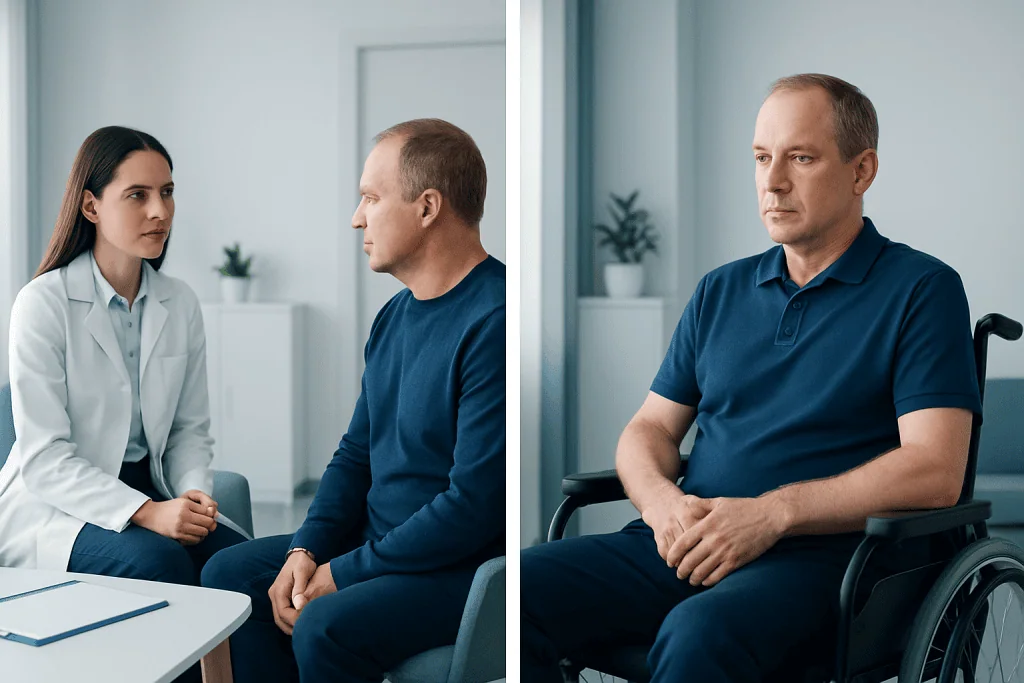
After diagnosis, the most helpful approach is usually to create a practical, flexible care plan rather than trying to predict every future change. ALS may gradually make certain movements more difficult as weakness spreads to additional muscle groups. People may need increasing support with mobility, hand function, speech, eating or breathing, but the order and timing of these needs are individual.
For someone whose symptoms began in a limb, changes may include needing a brace, cane, walker or wheelchair for safer movement. If bulbar symptoms are present, communication and swallowing may require earlier attention. Speech may become quieter or less understandable, while swallowing difficulties can increase the risk of dehydration, weight loss or food entering the airway.
Respiratory muscle weakness may develop later or, less commonly, earlier in the condition. It can cause breathlessness on exertion or while lying flat, disrupted sleep, daytime tiredness and morning headaches. Regular respiratory monitoring helps clinicians recognize changes before they become urgent and discuss options such as noninvasive ventilation.
It is understandable for people and families to focus on what may change after an ALS diagnosis. Yet many supports can be introduced step by step. Rehabilitation, equipment, communication tools, nutrition planning and palliative care are not signs of giving up; they are ways to address symptoms, preserve choices and support daily life.
How ALS Is Diagnosed and Monitored
There is no single blood test or scan that confirms ALS. Diagnosis is made by a neurologist based on a detailed history, physical and neurological examination, the pattern of symptoms over time, and tests that help exclude other conditions. This process can take time, especially when symptoms are mild or atypical.
Electromyography and nerve conduction studies are often used to assess how nerves and muscles are functioning. Depending on a person’s symptoms, clinicians may also request blood tests, magnetic resonance imaging (MRI), breathing tests, swallowing assessment, genetic counseling or genetic testing. Genetic testing may be considered when there is a family history of ALS or related neurological conditions, and in selected other circumstances.
Once ALS is diagnosed, regular follow-up is important. Visits may monitor strength, mobility, speech, swallowing, weight, mood, sleep and breathing. Tracking these areas helps the care team recommend support at an appropriate time rather than waiting for a crisis. It also gives patients opportunities to discuss goals, concerns and changing priorities.
Treatment and Support After Diagnosis
While ALS currently has no cure, treatment can help slow disease progression for some people, manage symptoms and support quality of life. A neurologist can discuss medicines that may be appropriate based on the person’s clinical situation, local availability and potential benefits and side effects. Medication decisions should be individualized and reviewed regularly.
Multidisciplinary care is central to ALS management. This may involve neurologists, specialist nurses, physiotherapists, occupational therapists, speech and language therapists, dietitians, respiratory clinicians, social workers, psychologists and palliative-care professionals. Coordinated care can address different needs before they become more difficult to manage.
Physiotherapy may help maintain comfortable movement, range of motion and safe transfers. Occupational therapy can recommend home adaptations, bathing aids, braces and methods for conserving energy. A speech and language therapist can assess speech and swallowing, introduce voice-banking when suitable, and help select communication technology ranging from simple writing aids to eye-gaze devices.
Nutrition and respiratory care are especially important. A dietitian can help maintain adequate calorie and fluid intake when eating becomes tiring or difficult. If swallowing is unsafe or insufficient, clinicians may discuss feeding-tube options. Breathing support can include airway-clearance strategies, vaccinations when appropriate and noninvasive ventilation. These conversations are best started early, when the person can consider options at their own pace.
Living Well With ALS: Practical Planning and Self-Care
Living with ALS often involves adapting routines rather than stopping meaningful activities all at once. Energy conservation can be useful: planning demanding tasks for the time of day when energy is best, sitting for activities where possible, taking breaks and accepting assistance before exhaustion develops. Preventing falls through suitable footwear, clear walking paths and recommended mobility equipment is also important.
Gentle, individualized activity may support comfort, flexibility and wellbeing. However, strenuous exercise that causes prolonged fatigue, pain or marked weakness should be avoided. A physiotherapist can advise on safe movement, stretching and positioning. Any new exercise plan should be discussed with the clinical team.
Emotional and social support matter throughout the before-and-after ALS experience. People may feel grief, uncertainty, anger or anxiety after symptoms begin or after receiving a diagnosis. Counseling, peer support groups, family meetings and practical social-care advice can help. Caregivers also need support, rest and clear information about available services.
Advance care planning allows a person to express preferences about future medical care, communication, financial matters and practical arrangements while they are able to do so. These discussions can be revisited over time. They are intended to protect autonomy and reduce uncertainty for families, not to force immediate decisions.
When to Seek Medical Care
A person should arrange a medical appointment for weakness that persists, progresses or interferes with daily activities, particularly when it is accompanied by muscle twitching, stiffness, speech changes, swallowing problems or repeated falls. Early evaluation is valuable because several conditions can resemble aspects of ALS and some require different treatment.
Urgent medical care is needed for significant breathing difficulty, choking that does not resolve, an inability to swallow liquids, severe dehydration, a serious fall or sudden new neurological symptoms. Sudden weakness on one side of the body, facial drooping, sudden confusion or trouble speaking can be signs of stroke and require emergency assessment rather than waiting for a routine appointment.
After an ALS diagnosis, new breathlessness, rapid weight loss, frequent choking, increasing falls, sleep disturbance, distressing mood symptoms or caregiver strain should be reported to the care team. These concerns often have supportive interventions. Acibadem International’s multidisciplinary specialists and JCI-accredited hospitals can evaluate and treat ALS-related needs for international patients.
Frequently asked questions
How does ALS usually begin?
ALS often begins with gradual weakness in one limb, such as difficulty gripping, lifting the front of the foot, or performing fine hand movements. In some people, the first symptoms involve speech or swallowing. Early symptoms can overlap with many other conditions, so a medical assessment is needed.
How fast does ALS progress after diagnosis?
ALS progression varies widely between individuals. The location where symptoms start, the pattern of spread and the speed of functional changes are not the same for everyone. A neurologist can explain what is known about an individual’s current symptoms, while recognizing that precise predictions are not possible.
Does ALS affect memory or thinking?
Many people with ALS do not develop major changes in memory or thinking. However, some can experience changes in planning, behavior, language or emotional expression, and a smaller proportion develop frontotemporal dementia. Reporting these changes helps the clinical team provide appropriate assessment and support.
Can ALS be cured or reversed?
There is currently no cure that reverses ALS. However, treatments may help slow progression in some people, and symptom-focused care can improve comfort, safety, communication, nutrition and breathing support. Ongoing follow-up with an experienced multidisciplinary team is important.
What is the difference between muscle twitching and ALS?
Muscle twitching is common and is often related to exercise, stress, fatigue, stimulant use or harmless nerve irritability. Twitching alone does not mean ALS. It should be evaluated when it occurs with progressive weakness, muscle wasting, stiffness or changes in speech and swallowing.
What support should be arranged after an ALS diagnosis?
Useful early supports may include neurology follow-up, physiotherapy, occupational therapy, speech and swallowing assessment, nutrition counseling and respiratory monitoring. It can also be helpful to discuss communication options, home safety, emotional support and future care preferences. Needs should be reviewed regularly because they may change over time.
References
- National Institute of Neurological Disorders and Stroke
- ALS Association
- Mayo Clinic
- National Health Service
- European Academy of Neurology
This article is for general information only and is not a substitute for professional medical advice. Please consult a qualified doctor about your individual situation.
ALS Disease in Turkey — costs, top hospitals & a free quote
JCI-accredited · board-certified surgeons · reply within 24h
Add us as a Preferred Source to see more of our trusted health content across Google Search, AI Overviews and Discover.

Neurology
Diagnosis and treatment of disorders of the brain, spinal cord, nerves and muscles.
51 specialists in this unitMore from the Health Library



Related Specialists

Dr. Ebru Füsun Donat
Gynecology & Obstetrics
Assoc. Prof. Dr. Selçuk Görmez
Cardiology
Assoc. Prof. Dr. Selim Aydın
Cardiovascular Surgery
Dr. Ümran Duranay
Pediatrics