Will There Be No Blood Smotimes in Period Explained: Causes, Management, and When to See a Doctor

A missed period means menstrual bleeding does not occur when it is expected; a very light period may involve only spotting. Pregnancy is a common cause of an absent period in people who have vaginal sex, so a home pregnancy test is often an appropriate first step.
Key Takeaways
- A missed period means menstrual bleeding does not occur when it is expected; a very light period may involve only spotting.
- Pregnancy is a common cause of an absent period in people who have vaginal sex, so a home pregnancy test is often an appropriate first step.
- Stress, weight changes, intensive exercise, illness, hormonal contraception, polycystic ovary syndrome, thyroid conditions, and the menopause transition can affect periods.
- One isolated missed period is not always a concern, but periods that stop for three months or become consistently irregular should be discussed with a clinician.
- Urgent care is important for a positive pregnancy test with pain or bleeding, severe lower abdominal pain, fainting, or heavy unexpected bleeding.
Having no blood during an expected period, or only very light spotting, can happen occasionally and is often related to normal hormonal changes. Pregnancy should be considered first when it is possible, while repeated missed periods or new symptoms deserve medical assessment.
Overview: Why a Period May Have No Blood
For someone asking, “will there be no blood smotimes in period,” the answer is yes: a period can occasionally be absent or much lighter than expected. This is commonly called a missed period, while very small amounts of pink, red, or brown discharge may be described as spotting. A single change in the menstrual cycle is often temporary, but it is useful to consider pregnancy and other possible causes.
Menstrual bleeding occurs when hormone levels change and the lining of the uterus sheds. If ovulation happens later than usual, does not occur in a particular month, or hormones are affected by a health condition, bleeding may arrive late, be lighter, or not happen. Cycle patterns vary naturally; many adults have cycles ranging from about 21 to 35 days, and cycles can be less predictable during adolescence and the years leading up to menopause.
Not all bleeding is a menstrual period. Light bleeding can occur around ovulation, after sex, with some infections, or in early pregnancy. Keeping track of dates, flow, pain, medicines, and other symptoms can help a doctor understand whether a change is likely to be temporary or needs further investigation.
Missed Period, Light Period, or Spotting: Understanding the Difference
A missed period is the absence of bleeding around the time it would usually be expected. A light period is shorter or has substantially less flow than is typical for that person. Spotting usually means a few drops or small amounts of blood that do not require the same protection as a usual period, although individual experiences differ.
Some people have naturally light periods, especially when using hormonal contraception. Hormonal intrauterine devices, implants, injections, combined pills, patches, and vaginal rings can all make periods lighter, less frequent, or absent. This can be an expected effect of the method, but a person should still follow their clinician’s advice about pregnancy testing if they have symptoms of pregnancy or have missed contraception doses.
Bleeding patterns are most meaningful when compared with a person’s own usual pattern. For example, one day of mild brown spotting may be normal for one person but a clear change for another. A menstrual tracking app or calendar can record the first day of bleeding, duration, flow, cramps, and related symptoms such as acne, unusual hair growth, hot flashes, or nipple discharge.
Common Causes of No Blood During an Expected Period

Pregnancy is one of the first possibilities to check if a person has had penis-in-vagina sex, even if contraception was used. Home urine pregnancy tests are generally most reliable after the first day of a missed period, although testing instructions vary. If the result is negative but the period does not start, repeating the test after a few days or seeking clinical advice may be helpful.
Emotional stress, poor sleep, travel, a recent illness, major changes in daily routine, and recovery from surgery can temporarily influence the hormones that regulate ovulation. Rapid weight loss or gain, restrictive eating, and intensive athletic training may also interrupt cycles. These changes do not mean someone has done anything wrong; they can be signs that the body is under physical or emotional strain.
Hormonal causes can include polycystic ovary syndrome (PCOS), thyroid disorders, high prolactin levels, and reduced ovarian function. PCOS may be associated with infrequent periods, acne, increased facial or body hair, or difficulty with weight management, but symptoms vary widely. Perimenopause, the transition before menopause, can also cause irregular, lighter, heavier, or skipped periods, usually beginning in the 40s but sometimes earlier.
Some medicines, including certain antipsychotic medicines and treatments that affect hormones, may alter menstrual cycles. Breastfeeding can delay the return of periods, particularly with frequent breastfeeding, though ovulation can occur before the first period returns. Therefore, breastfeeding is not always reliable contraception unless specific clinical criteria are met.
What to Do First When a Period Does Not Come
If pregnancy is possible, taking a home pregnancy test is a practical first step. It is important to use the test according to its instructions and check the expiration date. A healthcare professional can arrange a blood test or repeat urine test when the result is unclear, when symptoms continue, or when the timing of ovulation is uncertain.
It can also help to review recent changes. Consider whether there has been illness, travel, a stressful event, a new exercise plan, a significant change in eating habits or body weight, changes in contraception, or new medication. This information is useful, but people should avoid stopping prescribed medication or hormonal contraception without first speaking with the clinician who prescribed it.
For most people, no special treatment is needed for one missed period when pregnancy has been excluded and there are no worrying symptoms. Supportive steps include regular meals, adequate rest, manageable physical activity, and stress-reduction practices that feel realistic. These measures support general wellbeing, but they do not replace assessment when periods remain absent or other symptoms develop.
How Doctors Assess Absent or Irregular Periods
A clinician will usually ask about the usual cycle pattern, date of the last period, sexual activity, contraception, pregnancy symptoms, family history, medications, and recent lifestyle or health changes. They may also ask about symptoms such as pelvic pain, headaches, vision changes, milk-like nipple discharge, hot flashes, acne, or changes in hair growth. These details help guide testing rather than pointing to one diagnosis on their own.
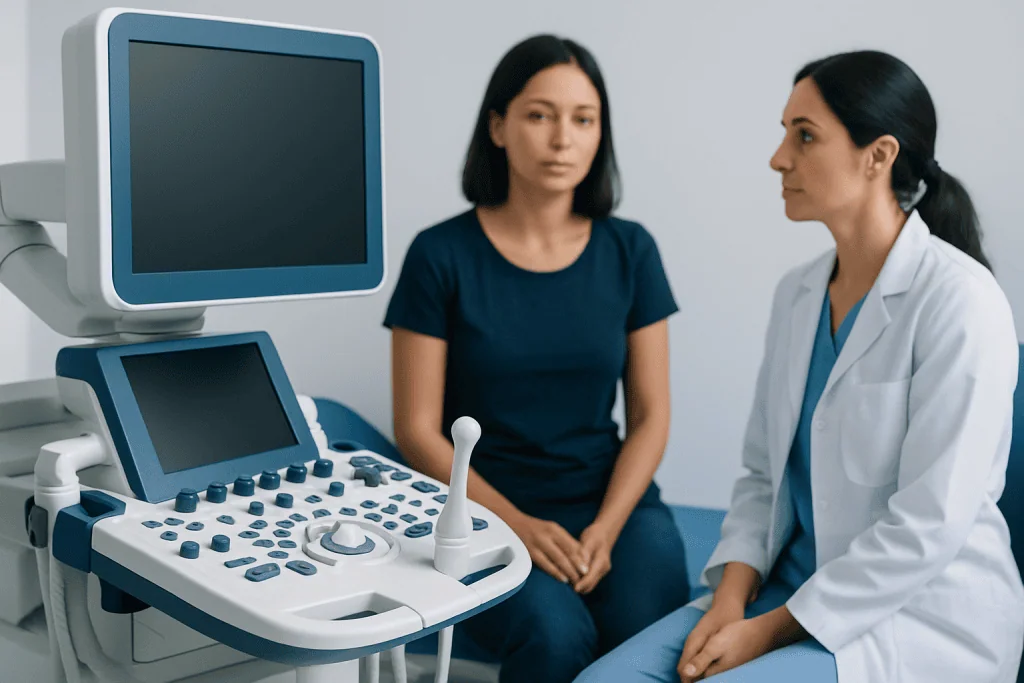
Pregnancy testing is commonly performed first when relevant. Depending on the situation, the clinician may recommend blood tests to assess thyroid function, prolactin, reproductive hormones, or other factors. A pelvic examination may be appropriate for some people, and pelvic ultrasound can help evaluate the uterus and ovaries when symptoms or history suggest it is needed.
Periods that stop for three months in someone whose cycles were previously regular, or for six months in someone with previously irregular cycles, are generally worth medical evaluation. Assessment is also appropriate sooner for teenagers who have not begun periods by the expected age range, for people who stop menstruating unexpectedly before age 45, or for anyone concerned about fertility or hormonal symptoms.
Management and Everyday Self-Care
Management depends on the underlying reason. If pregnancy is confirmed, early prenatal care can support a healthy pregnancy and identify any individual risks. If a hormonal contraceptive is causing very light or absent bleeding and this is otherwise expected, reassurance may be all that is needed. A clinician can discuss whether the method remains suitable if the bleeding change is troublesome or concerning.
When stress, under-fueling, intense training, or weight changes affect ovulation, care often focuses on restoring a sustainable balance of nutrition, activity, rest, and emotional support. People experiencing disordered eating, distress around food, or compulsive exercise may benefit from sensitive support from a doctor, dietitian, and mental health professional. The goal is health and regular body function, not achieving a particular body size.
For conditions such as PCOS or thyroid disease, treatment is individualized and may address cycle regulation, metabolic health, symptoms, fertility goals, or the underlying hormone imbalance. It is not advisable to self-treat absent periods with supplements or hormone products purchased online, as these can delay diagnosis or interact with medicines. Acibadem International’s multidisciplinary specialists and JCI-accredited hospitals can assess menstrual concerns and related hormonal conditions for international patients.
When to Seek Medical Care
Arrange a routine medical appointment if periods have stopped for three months, if cycles repeatedly become much farther apart than usual, or if there are persistent changes in flow. It is also sensible to seek advice for a negative pregnancy test followed by continued absence of periods, difficulty becoming pregnant, new acne or excess hair growth, symptoms of thyroid disease, or menopause-like symptoms at an unexpectedly young age.
Seek urgent medical care if a pregnancy test is positive and there is one-sided lower abdominal pain, shoulder-tip pain, dizziness, fainting, or bleeding. These symptoms can sometimes indicate an ectopic pregnancy, which requires prompt assessment. Urgent evaluation is also needed for severe pelvic pain, fever with pelvic symptoms, or very heavy bleeding that soaks through pads or tampons rapidly, especially with weakness or light-headedness.
A missed period is common and often not dangerous, but it should not be ignored when it is repeated or accompanied by significant symptoms. Timely medical care can rule out pregnancy-related concerns, identify treatable hormonal conditions, and provide reassurance when the change is within the range of normal variation.
Frequently asked questions
Is it normal to have no blood sometimes during a period?
An occasional missed or very light period can happen and is often related to temporary hormone changes. Pregnancy, stress, illness, changes in weight or exercise, contraception, and life stage can all contribute. If the pattern continues or feels different from usual, a clinician can help identify the reason.
Can I be pregnant if there is no blood during my period?
Yes. A missed period is a common early sign of pregnancy, although it can have many other causes. If pregnancy is possible, taking a home pregnancy test after a missed period is appropriate. Contact a healthcare professional if the test is positive, unclear, or negative but the period remains absent.
Why is my period late but the pregnancy test is negative?
A negative result can occur if testing was done too early, if ovulation happened later than expected, or if the missed period has another cause. Repeating the test after several days may be useful, following the product instructions. Medical advice is recommended if periods do not return or there are symptoms such as pain or abnormal bleeding.
Can stress cause a period to stop?
Stress can affect the brain-hormone signals involved in ovulation, which may delay or prevent a period temporarily. Physical stress from illness, lack of sleep, restrictive eating, or intense exercise can have similar effects. Persistent absent periods should still be assessed, rather than assumed to be due to stress alone.
Does hormonal birth control make periods disappear?
Some hormonal methods can make bleeding much lighter, irregular, or absent, particularly hormonal intrauterine devices, implants, injections, and continuous pill use. This is often an expected effect and does not mean menstrual blood is building up inside the body. However, a person should consult their clinician if they have pregnancy symptoms, severe pain, or concerns about their method.
When should someone worry about a missed period?
Medical advice is recommended when periods stop for three months, when skipped periods recur, or when there are symptoms such as pelvic pain, unusual discharge, hot flashes, or new changes in hair growth. Urgent care is needed for a positive pregnancy test with pain, fainting, dizziness, or bleeding. These symptoms need prompt assessment to exclude pregnancy complications.
References
- American College of Obstetricians and Gynecologists
- Office on Women’s Health, U.S. Department of Health and Human Services
- Mayo Clinic
- National Health Service
- World Health Organization
This article is for general information only and is not a substitute for professional medical advice. Please consult a qualified doctor about your individual situation.
Explore treatments in Turkey — costs, top hospitals & a free quote
JCI-accredited · board-certified surgeons · reply within 24h
Add us as a Preferred Source to see more of our trusted health content across Google Search, AI Overviews and Discover.
Check your numbers in seconds
BMI, calories, due date, blood pressure and 30+ more clinical calculators — free, instant, doctor-reviewed ranges.