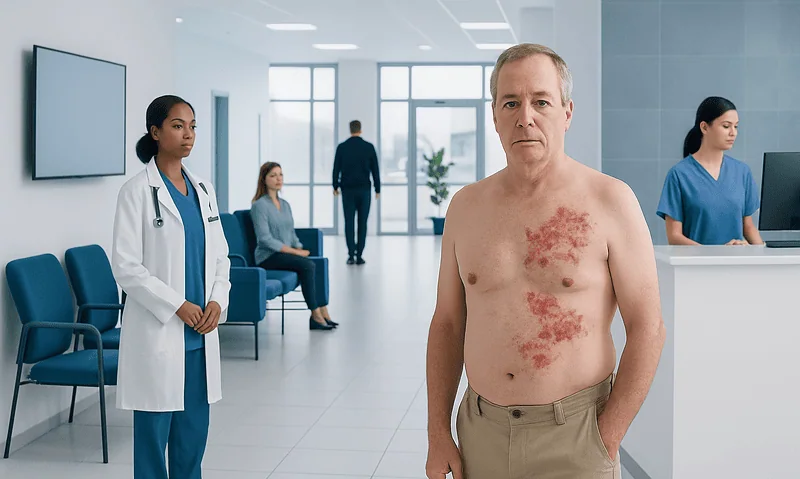
Should You Burst Blisters From Burns? A Doctor-Reviewed Answer
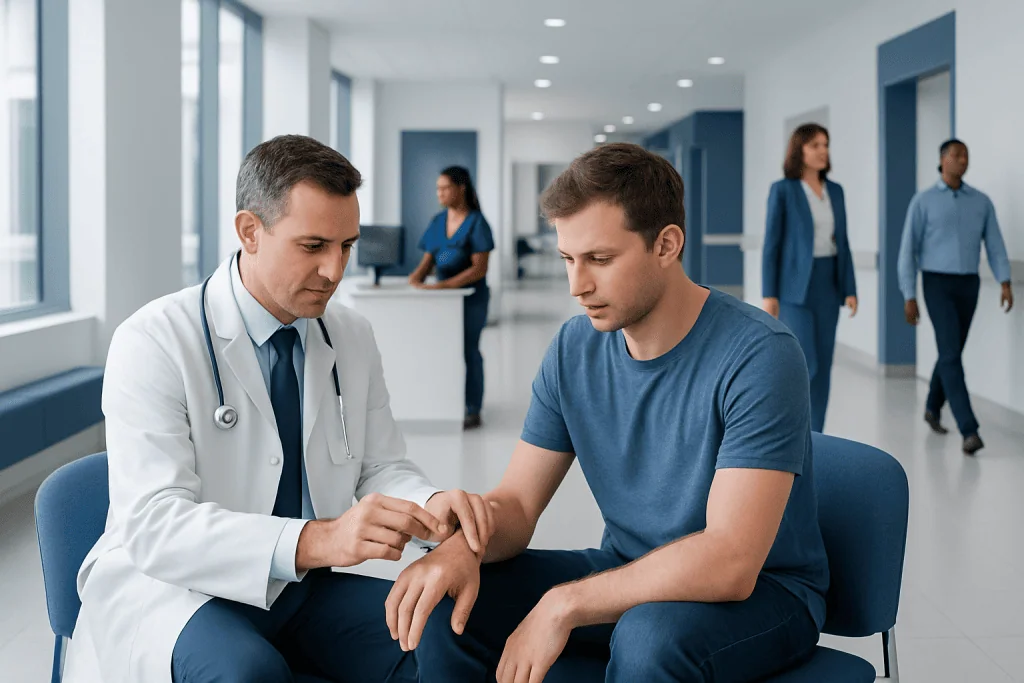
Most intact blisters from minor burns should not be deliberately popped at home. The blister roof acts as a natural protective cover for the healing skin underneath.
Key Takeaways
- Most intact blisters from minor burns should not be deliberately popped at home.
- The blister roof acts as a natural protective cover for the healing skin underneath.
- Cool running water, a clean non-stick dressing, and pain relief when appropriate are useful first-aid measures.
- Burns affecting the face, hands, feet, genitals, major joints, or a large area need prompt medical advice.
- A clinician may safely remove or drain selected large blisters using sterile techniques when this is medically appropriate.
Most small burn blisters from minor burns can heal well without being burst. Keeping the blister roof intact helps protect the tender skin beneath, while large, deep, painful, or unusually located burns should be assessed by a medical professional.
Should You Burst Blisters From Burns?
In most cases, no. A person should not deliberately burst blisters from a minor burn at home because the intact skin over the blister provides a natural barrier against dirt, friction, and infection while the injured skin heals beneath it.
Small blisters from a brief contact with heat are often harmless and improve with gentle care. However, not every blistering burn is minor: burns that are large, very painful, pale or charred, numb, chemical or electrical in origin, or located on sensitive areas need medical review. A clinician can assess the burn depth and decide whether a blister should remain intact, be drained, or have loose skin removed safely.
Why Burn Blisters Form and Why They Matter

Burn blisters usually develop in a partial-thickness burn, sometimes called a second-degree burn. Heat damages the upper skin layers and causes fluid to collect between them. This fluid-filled pocket can be painful, but it is also part of the body’s protective response to injury.
The thin layer of skin covering the blister, sometimes called the blister roof, shields exposed nerve endings and newly healing tissue. Popping it can create an open wound, increase discomfort, and make it easier for bacteria to enter. An intact blister is therefore generally best left alone, especially when it is small, clean, and not interfering with movement or wound care.
There are exceptions. A very large, tight blister may be likely to tear on its own, may limit movement over a joint, or may prevent an accurate assessment of the burn. In these situations, a healthcare professional may use clean, sterile methods to manage it. This differs from popping a blister at home with a needle, which is not recommended.
Safe First Aid for a Minor Burn Blister
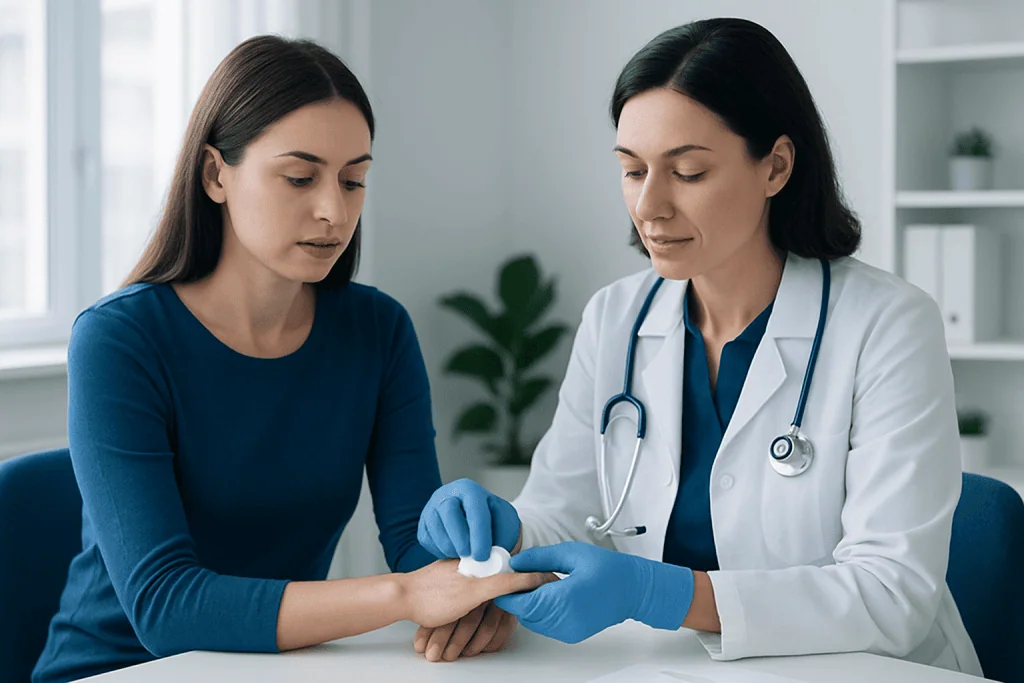
For a recent minor heat burn, the first step is to cool the area under cool or lukewarm running water for about 20 minutes if possible. This can reduce continuing heat injury and ease pain. Remove rings, watches, or tight clothing near the burn before swelling develops, but do not pull away anything that is stuck to the skin.
After cooling, gently pat the area dry and cover it loosely with a sterile non-stick dressing or clean cloth. The covering should protect the blister without putting pressure on it. Keeping the burned body part raised may help reduce swelling, particularly on a hand or foot. A pharmacist or clinician can advise on suitable over-the-counter pain relief based on the person’s age, health conditions, and other medicines.
Ice, iced water, butter, toothpaste, oils, and adhesive bandages placed directly on the burn should be avoided. Ice can further damage injured skin, while household products may trap heat or introduce irritation and bacteria. A minor burn should be kept clean, protected from sun exposure, and checked daily for changes.
If a Burn Blister Breaks on Its Own
Burn blisters sometimes rupture despite careful protection. If this happens, there is usually no need to panic. Wash hands first, then gently rinse the area with clean running water and mild soap if needed. The goal is to remove visible dirt without scrubbing the delicate wound surface.
The loose skin should not be pulled off at home unless it is already fully detached and can be removed without tugging. Remaining skin may still protect the area. Apply a clean non-stick dressing and change it as directed by a healthcare professional or whenever it becomes wet, dirty, or loose.
Increasing redness spreading beyond the burn, worsening pain after an initial improvement, warmth, swelling, pus-like drainage, fever, or feeling unwell can indicate infection or a burn that requires assessment. People with diabetes, reduced circulation, a weakened immune system, or conditions that affect sensation should have a lower threshold for seeking medical advice.
When to Seek Medical Care
Medical care is advisable for a burn larger than the person’s palm, a blister that is large or crosses a major joint, or a burn on the face, eyes, ears, hands, feet, genitals, buttocks, or over a major joint. These areas can affect function, healing, and comfort even when the burn initially appears limited.
Urgent assessment is needed for burns caused by electricity, chemicals, explosions, or hot steam; burns from a fire in an enclosed space; and burns with breathing difficulty, coughing, soot around the mouth or nose, or voice changes. Emergency care is also important if the skin looks white, brown, black, leathery, or numb, as these features can suggest a deeper injury.
Children, older adults, and people with significant long-term health conditions may need earlier review because burns can be harder to assess and complications may develop more easily. It is also sensible to seek advice if pain is difficult to control, healing is not progressing, or there are concerns about tetanus vaccination status.
What a Doctor Checks During a Burn Assessment
A doctor or burn-care clinician first asks how the injury happened, when it occurred, and what first aid has already been used. They examine the skin’s color, moisture, sensation, pain level, blistering, and blood flow. They also estimate the size of the burn and note its location, as burns on certain body areas require more careful management.
The clinician determines whether the injury is superficial, partial-thickness, or deeper. Most minor superficial partial-thickness burns can be managed with wound cleansing, protective dressings, pain management, and follow-up advice. If a blister is intact, the clinician may leave it in place; if it is contaminated, torn, very tense, or prevents proper care, they may manage it using sterile equipment.
Depending on the injury, treatment may include specialized dressings, review of tetanus protection, and scheduled reassessment to monitor healing. Deeper or more extensive burns may need care from a dedicated burn team. The purpose of assessment is not only to relieve symptoms, but also to protect movement, reduce infection risk, and support the best possible healing.
Healing, Scar Prevention, and Follow-Up
Minor burns often heal within days to a few weeks, depending on their depth and size. During healing, the skin may itch, feel sensitive, and appear pink or darker than usual. It is important not to scratch, pick at peeling skin, or expose newly healed skin to strong sunlight. Once the skin surface is fully closed, regular use of sun protection can help limit lasting color changes.
A burn that is not healing, remains open, becomes increasingly painful, or develops signs of infection should be reviewed. Scarring is more likely when a burn is deeper or takes longer to heal, so follow-up care is especially important for injuries over joints or visible areas. A clinician may recommend scar-care approaches after the wound has fully closed.
For international patients who need specialist evaluation, Acibadem International’s multidisciplinary specialists and JCI-accredited hospitals provide assessment and treatment for burn-related skin injuries. The most appropriate care plan depends on the burn’s depth, location, cause, and the individual’s overall health.
Frequently asked questions
Should a small burn blister be covered or left open?
A small intact burn blister is usually best protected with a loose, clean non-stick dressing. Covering it helps reduce rubbing and keeps the area cleaner. The dressing should not be tight or adhesive directly over damaged skin.
Can a burn blister become infected even if it is not popped?
Yes, although an intact blister provides useful protection, any burn can become infected. Spreading redness, increased warmth, swelling, worsening pain, drainage, fever, or feeling unwell should be assessed by a healthcare professional. Keeping the area clean and covered helps lower the risk.
What happens if a burn blister pops accidentally?
Gently rinse the area with clean water, avoid scrubbing, and cover it with a sterile non-stick dressing. Do not peel away attached blister skin or use household remedies on the exposed area. Seek medical advice if the burn is large, deep, in a sensitive location, or shows signs of infection.
Can a person put antibiotic cream on a burn blister?
Routine antibiotic creams are not necessary for every minor burn and may cause irritation or allergy in some people. A clinician or pharmacist can recommend an appropriate product when needed. Simple cleansing and a suitable non-stick dressing are often sufficient for a minor injury.
How long does a burn blister take to heal?
A minor superficial partial-thickness burn may heal within one to three weeks. Healing time varies with the burn depth, size, location, and whether infection occurs. A burn that is not clearly improving or has not healed within about two weeks should be medically assessed.
Do all blistering burns need urgent care?
No, a small blister from a minor heat burn may often be cared for at home with appropriate first aid. However, urgent evaluation is needed for large burns, burns on sensitive body areas, chemical or electrical burns, and burns that appear white, black, numb, or unusually deep. Children, older adults, and people with certain medical conditions should seek advice sooner.
This article is for general information only and is not a substitute for professional medical advice. Please consult a qualified doctor about your individual situation.
Explore treatments in Turkey — costs, top hospitals & a free quote
JCI-accredited · board-certified surgeons · reply within 24h
Add us as a Preferred Source to see more of our trusted health content across Google Search, AI Overviews and Discover.

More from the Health Library

Does Collagen Help You Lose Weight? Here Is What the Evidence Says

Aquaphor vs Vaseline: Key Differences and How Doctors Tell Them Apart

Pain in Lower Right Abdomen Near Hip Bone Female Explained: Common Triggers and Red Flags

Does Magnesium Lower Blood Pressure? Causes, Explanations, and Next Steps

Gonorrhea Symptoms: Common Causes, Related Conditions, and When to See a Doctor