

Pain in Lower Right Abdomen Near Hip Bone Female Explained: Common Triggers and Red Flags

This symptom may come from reproductive, digestive, urinary, or musculoskeletal causes. Common non-emergency triggers include ovulation pain, constipation, gas, and muscle strain.
Key Takeaways
- This symptom may come from reproductive, digestive, urinary, or musculoskeletal causes.
- Common non-emergency triggers include ovulation pain, constipation, gas, and muscle strain.
- Urgent evaluation is important if pain is severe, worsening, or linked with fever, vomiting, fainting, or unusual vaginal bleeding.
- Pregnancy-related causes, including ectopic pregnancy, must be ruled out when relevant.
- Diagnosis may include a physical exam, pregnancy testing, urine tests, blood work, and imaging such as ultrasound or CT.
Pain in the lower right abdomen near the hip bone in females can have many causes, including ovulation, ovarian cysts, digestive conditions, urinary problems, muscle strain, and appendicitis. The location matters, but the pattern of pain, related symptoms, and medical history are often what help doctors identify whether the cause is mild and temporary or needs urgent care.
Overview: What lower right abdominal pain near the hip bone can mean
Pain in the lower right abdomen near the hip bone in females is a symptom rather than a diagnosis. In this area, pain may come from the appendix, bowel, urinary tract, abdominal wall muscles, hip region, or reproductive organs such as the right ovary and fallopian tube. Because several body systems overlap in the pelvis and lower abdomen, the exact cause is not always obvious from location alone.
Often, the cause is not dangerous. Some women notice short-lived discomfort during ovulation, bloating from gas, constipation, or soreness after exercise. In other cases, the pain may point to a condition that needs prompt medical attention, such as appendicitis, an ovarian cyst complication, pelvic infection, kidney stone, or an ectopic pregnancy.
Doctors usually look at the whole picture: when the pain started, whether it is sharp or cramping, whether it comes and goes or stays constant, and what other symptoms are present. This symptom-based approach is especially important because reproductive, digestive, and urinary conditions can feel similar at first.
How the pain may feel and what associated symptoms can suggest
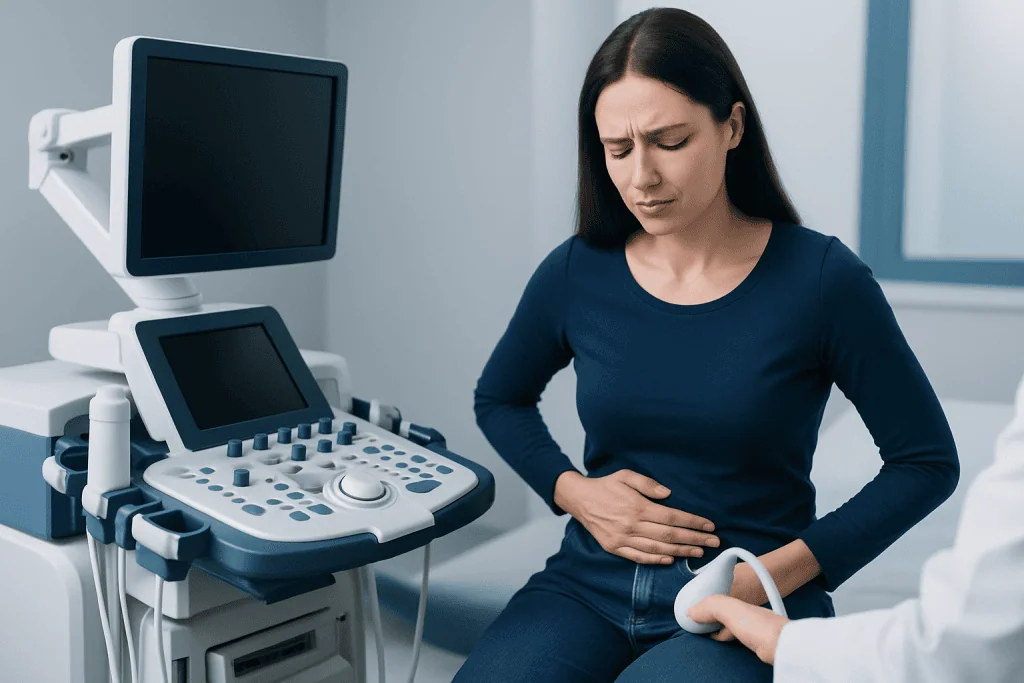
The character of the pain can offer useful clues. Cramping pain may be linked to menstruation, ovulation, bowel spasms, or constipation. A sudden sharp pain can occur with ovarian cyst rupture, kidney stones, or muscle strain. Pain that begins near the belly button and then moves to the lower right side is a classic pattern seen with appendicitis, although not everyone experiences it that way.
Associated symptoms often narrow the possibilities. Nausea, vomiting, fever, and loss of appetite may suggest appendicitis or infection. Burning with urination, needing to urinate often, or blood in the urine can point to a urinary tract problem or stone. Vaginal bleeding outside the expected menstrual period, pelvic pressure, pain during sex, or missed periods can suggest a gynecologic cause.
It is also helpful to notice what makes the pain better or worse. Pain related to movement, coughing, or exercise may come from the abdominal wall, hip, or groin muscles. Pain that worsens after eating or is relieved after a bowel movement may be more closely related to the digestive tract.
- Cramping: menstrual pain, ovulation, bowel causes
- Sharp or sudden: ovarian cyst issues, kidney stone, muscle strain
- Constant and worsening: appendicitis or infection should be considered
- With vaginal symptoms: gynecologic causes become more likely
- With urinary symptoms: bladder, kidney, or ureter causes are possible
Common causes in females
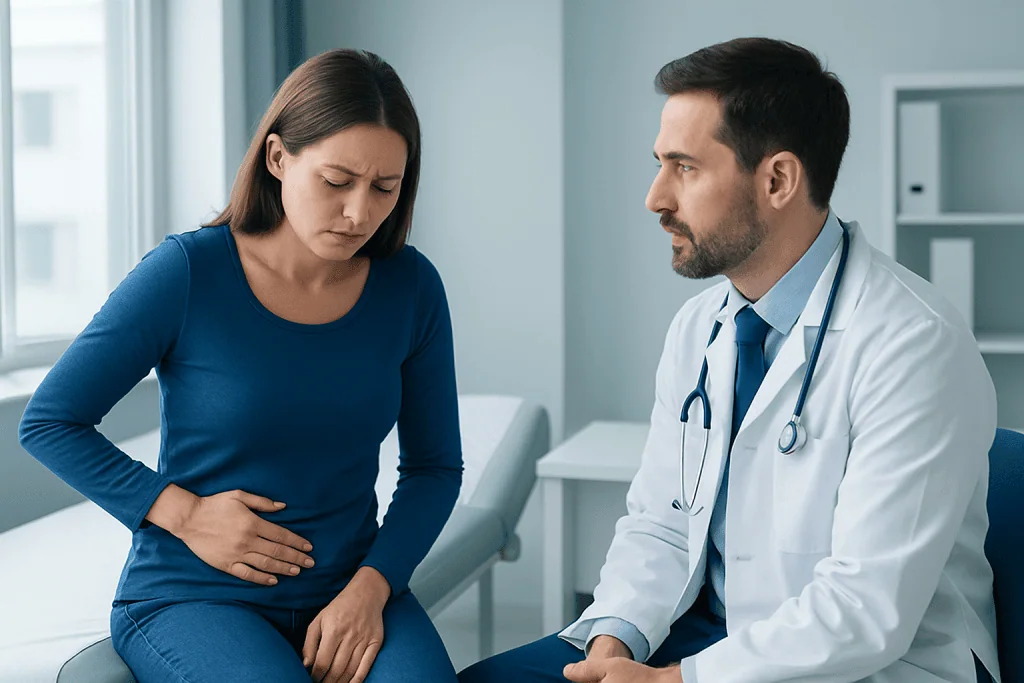
Gynecologic causes are often the first concern when pain is in the lower right abdomen near the hip bone. Mittelschmerz, or ovulation pain, can cause one-sided discomfort mid-cycle and usually settles on its own. Ovarian cysts may cause pressure, aching, or sudden pain if they rupture or twist. Conditions such as endometriosis and pelvic inflammatory disease can also lead to ongoing or recurrent pelvic pain. Some women with endometriosis notice pain around periods, bowel movements, or sex.
Digestive causes are also common. Constipation, trapped gas, viral gastroenteritis, and irritable bowel syndrome may produce right-sided lower abdominal discomfort. A more serious digestive cause is appendicitis, which typically becomes progressively worse and may be accompanied by fever, nausea, and pain with movement. Inflammatory bowel disease can also affect this region, especially if the terminal ileum is involved.
Urinary causes include urinary tract infection, bladder irritation, and kidney or ureter stones. A stone moving through the urinary tract may cause severe colicky pain that can spread toward the groin. Musculoskeletal causes, such as a strained abdominal muscle, hip flexor injury, hernia, or pain referred from the hip joint, are sometimes overlooked because they can mimic internal abdominal pain.
Pregnancy changes the evaluation significantly. In a pregnant woman or anyone who could be pregnant, doctors consider miscarriage and especially ectopic pregnancy, which can cause one-sided pelvic pain and abnormal bleeding and needs urgent assessment.
Red flags that should not be ignored
Some features make lower right abdominal pain more urgent. Severe pain that starts suddenly, keeps getting worse, or makes it hard to stand upright deserves prompt medical attention. Pain with fever, repeated vomiting, abdominal swelling, fainting, shoulder pain, or inability to pass stool or gas may signal a more serious underlying problem.
In females of reproductive age, missed periods, a positive pregnancy test, dizziness, or vaginal bleeding together with one-sided lower abdominal pain should be evaluated urgently because ectopic pregnancy is a possibility. Likewise, sudden pelvic pain with nausea may raise concern for ovarian torsion, a condition in which the ovary twists and its blood supply can be reduced.
It is also important not to ignore pain that persists for more than a few days, repeatedly returns, or is associated with weight loss, black stools, blood in the urine, or ongoing changes in bowel habits. These symptoms do not automatically mean a dangerous condition is present, but they do warrant timely medical review.
How doctors diagnose the cause
Diagnosis starts with a careful medical history and physical examination. Doctors ask about the timing of the pain, the menstrual cycle, possibility of pregnancy, digestive symptoms, urinary symptoms, sexual history, past surgeries, and any recent exercise or injury. During the exam, they check for tenderness, guarding, fever, and signs that may point more strongly to bowel, urinary, or gynecologic causes.
Basic tests are often helpful. A urine test can look for infection, blood, or signs of dehydration. A pregnancy test is usually important when pregnancy is possible, even if it seems unlikely. Blood tests may help identify infection, inflammation, anemia, or other clues.
Imaging is chosen based on the suspected cause. Pelvic ultrasound is commonly used when an ovarian cyst, ectopic pregnancy, or other gynecologic issue is being considered, and it is central to evaluating ovarian cyst treatment options. CT scanning may be used when appendicitis, kidney stones, or bowel conditions are suspected. In some cases, MRI or a gynecologic examination may also be recommended.
If symptoms suggest appendicitis, early assessment matters because treatment decisions depend on how advanced the inflammation is. A step-by-step evaluation helps avoid both missed diagnoses and unnecessary treatment.
Treatment options depend on the cause
Treatment is based on the underlying diagnosis rather than the pain location alone. For temporary causes such as ovulation pain, mild constipation, or a muscle strain, care may involve rest, fluids, diet changes, and clinician-approved pain relief. Functional bowel symptoms may improve with regular meals, fiber adjustments, and identifying foods that trigger bloating or cramping.
Infections may require antibiotics, while urinary stones may need pain control, hydration guidance, and sometimes a urologic procedure if the stone is large or not passing. Ovarian cysts may simply be monitored, but rupture, bleeding, or torsion can require urgent care. When surgery is needed, doctors choose the safest and least invasive approach possible for the situation, such as laparoscopic surgery.
Appendicitis is treated based on the clinical picture and imaging findings. Some patients need urgent appendectomy, while management is individualized by the surgical team. If endometriosis, fibroids, or another gynecologic condition is responsible, treatment may include medication, hormonal management, or surgery depending on symptoms and fertility goals.
In centers with multidisciplinary care, specialists in gynecology, gastroenterology, general surgery, radiology, and urology may work together when the cause is unclear or symptoms overlap. Acibadem International’s multidisciplinary specialists and JCI-accredited hospitals diagnose and treat these conditions for international patients.
Self-care and what may help while waiting for assessment
If the pain is mild and there are no red-flag symptoms, simple measures may help while arranging medical advice. Rest, hydration, and light meals are often reasonable first steps. Some people find that a heating pad helps with cramping pain related to menstruation or ovulation, while gentle movement may ease gas-related discomfort.
It can be useful to track the pain in relation to the menstrual cycle, meals, bowel movements, urination, exercise, or sex. This record may help a doctor identify whether the symptom is more likely gynecologic, digestive, urinary, or musculoskeletal. Over-the-counter pain relief may help some people, but it is best used according to a clinician’s or product’s guidance, especially if the cause is uncertain.
Self-care has limits. It is generally best to avoid assuming the pain is “just period pain” if it is new, unusually intense, one-sided, or associated with fever, vomiting, fainting, or abnormal bleeding. If symptoms are escalating, urgent assessment is safer than continuing home care.
When to seek medical care
Medical care should be sought urgently for severe or sudden lower right abdominal pain, especially if it is worsening over hours. The same is true if pain is accompanied by fever, repeated vomiting, fainting, dizziness, a rigid abdomen, difficulty walking, heavy vaginal bleeding, or a positive pregnancy test.
A routine medical appointment is appropriate if the pain is mild but recurrent, lasts more than a few days, keeps returning with each cycle, or is affecting daily activities. Persistent bloating, bowel changes, pain during urination, pain during sex, or unusual vaginal discharge also deserve evaluation.
Prompt diagnosis matters because several very different conditions can feel similar at first. Getting assessed early can help rule out emergencies, relieve symptoms faster, and guide the right treatment for the underlying cause.
Frequently asked questions
Is pain in the lower right abdomen near the hip bone in females always serious?
No. This symptom can happen with common and temporary causes such as ovulation, gas, constipation, or muscle strain. However, because it can also be linked to appendicitis, ovarian problems, or ectopic pregnancy, persistent or severe pain should be medically assessed.
Can ovulation cause one-sided pain on the lower right side?
Yes. Ovulation can cause short-lived one-sided pelvic or lower abdominal pain, often called mittelschmerz. It typically occurs around the middle of the menstrual cycle and usually settles without treatment.
How can someone tell whether the pain is appendicitis or an ovarian problem?
Symptoms can overlap, so it is often hard to tell at home. Appendicitis more often causes worsening pain, nausea, fever, and tenderness that increases with movement, while ovarian causes may be more linked with the menstrual cycle, pelvic pressure, or vaginal symptoms. A medical exam and imaging are often needed to distinguish them.
What if the pain happens during pregnancy?
Pain during pregnancy should not be ignored, especially if it is one-sided or accompanied by bleeding, dizziness, or shoulder pain. While some causes are minor, doctors need to rule out urgent conditions such as ectopic pregnancy. Seeking prompt medical advice is important.
Which tests are usually done for lower right abdominal pain in women?
Doctors often begin with a history, physical exam, urine test, and pregnancy test when appropriate. Depending on the findings, blood tests, pelvic ultrasound, or CT imaging may be recommended. The choice of tests depends on the most likely cause.
Can a urinary tract problem cause pain near the right hip bone?
Yes. A urinary tract infection can cause lower abdominal discomfort, and a kidney or ureter stone can cause strong pain that may move toward the groin. Urinary burning, frequent urination, or blood in the urine make a urinary cause more likely.
This article is for general information only and is not a substitute for professional medical advice. Please consult a qualified doctor about your individual situation.
IVF & fertility treatment in Turkey — success rates and costs
JCI-accredited · board-certified surgeons · reply within 24h
Add us as a Preferred Source to see more of our trusted health content across Google Search, AI Overviews and Discover.
Check your numbers in seconds
BMI, calories, due date, blood pressure and 30+ more clinical calculators — free, instant, doctor-reviewed ranges.

More from the Health Library
Should You Burst Blisters From Burns? A Doctor-Reviewed Answer

Thyroid Symptoms: Common Causes, Related Conditions, and When to See a Doctor

Why Does My Head Hurt When I Cough? Causes, Explanations, and Next Steps

What Are Nitrates? Causes, Explanations, and Next Steps

How to Get Rid of Scabies? Here Is What the Evidence Says

8 Dpo Symptoms: Common Causes, Related Conditions, and When to See a Doctor
Orthopedic Surgery & Traumatology Specialists at Acibadem

Dr. Alp Er Tunga Bölükbaşı
Orthopedic Surgery & Traumatology
Dr. Alper Gölpınar
Orthopedic Surgery & Traumatology
Prof. Dr. Alper Kaya
Orthopedic Surgery & Traumatology
Fzt. Alperen Mustafa Oğuz
Physical Medicine & Rehabilitation