Graves Disease vs Hyperthyroidism: Key Differences and How Doctors Tell Them Apart

Hyperthyroidism is a hormone state, whereas Graves disease is a specific autoimmune disorder. Both can cause palpitations, heat intolerance, tremor, weight loss, and anxiety-like symptoms.
Key Takeaways
- Hyperthyroidism is a hormone state, whereas Graves disease is a specific autoimmune disorder.
- Both can cause palpitations, heat intolerance, tremor, weight loss, and anxiety-like symptoms.
- Blood tests confirm an overactive thyroid, but antibody tests and thyroid imaging may identify Graves disease.
- Eye changes and diffuse thyroid enlargement can suggest Graves disease, although not everyone develops them.
- Treatment depends on the cause, severity, personal health needs, and pregnancy plans.
Graves disease and hyperthyroidism are related but not interchangeable terms. Hyperthyroidism describes excess thyroid hormone activity, while Graves disease is the most common autoimmune condition that can cause it; testing helps identify the cause and guide treatment.
Graves Disease vs Hyperthyroidism: A Side-by-Side Comparison
In the comparison of Graves disease vs hyperthyroidism, the main difference is that hyperthyroidism is a description of what the thyroid gland is doing, while Graves disease is one reason it may happen. Hyperthyroidism means the body is exposed to too much thyroid hormone. Graves disease is an autoimmune condition in which antibodies stimulate the thyroid gland to make and release excessive amounts of these hormones.
Because Graves disease causes hyperthyroidism, the two can share many symptoms. However, not everyone with hyperthyroidism has Graves disease. Other causes include thyroid nodules that produce hormone independently, inflammation of the thyroid gland, medicines or supplements containing thyroid hormone, and, less commonly, iodine exposure.
| Feature | Hyperthyroidism | Graves disease |
|---|---|---|
| What it is | A state of excess thyroid hormone activity | An autoimmune disease and a cause of hyperthyroidism |
| Underlying cause | Can have several causes | Immune antibodies stimulate the thyroid gland |
| Thyroid appearance | May be normal, enlarged, inflamed, or nodular | Often diffusely enlarged and overactive |
| Eye involvement | Usually absent | May occur as Graves eye disease |
| Testing focus | Thyroid hormone levels and cause assessment | Thyroid hormone levels plus Graves antibodies and/or imaging |
| Treatment approach | Depends on the cause | Controls hormone excess and addresses autoimmune-related features |
What Hyperthyroidism Means
The thyroid is a small, butterfly-shaped gland in the front of the neck. It makes hormones that influence energy use, body temperature, heart rate, digestion, muscle function, and many other processes. When thyroid hormone levels are too high, body systems may work faster than usual. This is called hyperthyroidism.
Typical symptoms can develop gradually or appear more noticeably over a short period. They may include a fast or irregular heartbeat, feeling hot or sweating more than expected, shaking hands, nervousness, trouble sleeping, frequent bowel movements, tiredness, muscle weakness, and unintentional weight loss despite a normal or increased appetite. Menstrual changes and reduced fertility can also occur.
Symptoms vary considerably. Older adults may have less obvious symptoms and may mainly notice fatigue, shortness of breath, weight loss, or a change in heart rhythm. Since these symptoms can also have other explanations, blood testing is needed to confirm whether thyroid hormone excess is present.
What Makes Graves Disease Different

Graves disease occurs when the immune system produces antibodies that attach to and activate the thyroid-stimulating hormone receptor. Rather than regulating the gland normally, these antibodies can cause it to produce too much thyroid hormone. Graves disease can occur at any age, but it is more common in women and may run in families with other autoimmune conditions.
In addition to general hyperthyroid symptoms, Graves disease may cause a diffuse goiter, meaning the whole thyroid gland becomes enlarged. Some people develop Graves eye disease, also called thyroid eye disease. This can cause dry, gritty, watery, swollen, red, or light-sensitive eyes; in some cases, the eyes may appear more prominent or eye movements may become uncomfortable.
Rarely, Graves disease can affect the skin, typically causing thickened or discolored skin over the shins or tops of the feet. Eye and skin features are useful clues, but their absence does not rule out Graves disease. A clinician considers symptoms, examination findings, laboratory results, and sometimes imaging together.
How Clinicians Tell Them Apart
The first step is usually a thyroid function blood test. A low thyroid-stimulating hormone, or TSH, together with high free thyroxine (free T4) and/or triiodothyronine (T3) supports a diagnosis of hyperthyroidism. These results show that there is excess hormone activity, but they do not always identify why it is happening.
To investigate Graves disease specifically, clinicians may test for thyroid-stimulating immunoglobulins or TSH-receptor antibodies. A positive result strongly supports Graves disease in the right clinical setting. The clinician will also ask about recent pregnancy, viral illness, medicines, use of thyroid hormone products, iodine-containing products, family history, and autoimmune conditions.
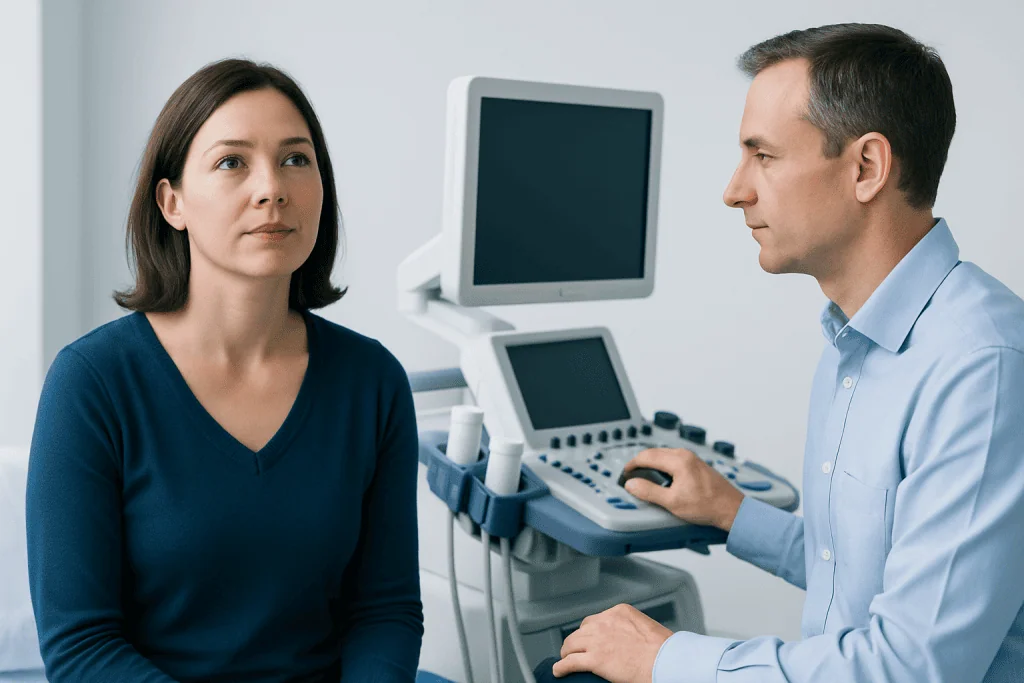
A thyroid examination can help distinguish patterns. A smooth, diffusely enlarged gland may be seen in Graves disease, while one or more distinct lumps can suggest toxic nodules. If the diagnosis remains uncertain, an ultrasound with Doppler blood-flow assessment or a radioactive iodine uptake scan may be used when appropriate. Graves disease typically shows high, diffuse uptake, whereas thyroid inflammation often shows low uptake because the gland is releasing stored hormone rather than actively making excess hormone.
Pregnancy, breastfeeding, iodine allergy concerns, kidney health, and recent iodine-containing imaging can affect which tests are suitable. The care team selects investigations carefully and explains any preparation needed.
What to Do for Each Cause of Hyperthyroidism
Once the cause is clear, treatment can be tailored. In Graves disease, options may include antithyroid medicines that reduce hormone production, radioactive iodine treatment in selected patients, or surgery to remove part or all of the thyroid gland. A beta blocker may sometimes be prescribed for temporary relief of symptoms such as tremor, rapid heartbeat, and palpitations while thyroid levels are being brought under control.
For people with toxic thyroid nodules, medicine may help control hormones initially, but radioactive iodine or surgery may be considered for longer-term management. With thyroiditis, antithyroid medicines generally do not help because the gland is not overproducing hormone; treatment commonly focuses on symptom relief and monitoring while the inflammation follows its course. Excess thyroid hormone from medication is managed by reviewing and adjusting treatment with the prescribing clinician.
Graves eye disease requires particular attention. Avoiding smoking and secondhand smoke is important, because smoking can worsen eye disease and reduce treatment effectiveness. An endocrinologist and eye specialist may work together if there are significant eye symptoms. Relevant care may include Graves disease assessment and individualized thyroid surgery when surgery is the most appropriate option.
No single treatment is best for every person. Age, symptom severity, thyroid size, eye disease, other medical conditions, pregnancy plans, and personal preferences all influence decision-making. Regular thyroid blood tests are used to monitor response and to avoid hormone levels becoming too low or remaining too high.
Everyday Care While Being Evaluated or Treated
People with possible hyperthyroidism should arrange medical assessment rather than trying to manage symptoms only with supplements or dietary changes. Products marketed for energy, weight loss, or “thyroid support” may contain iodine, stimulants, or even undisclosed thyroid hormones. These can make symptoms worse or interfere with testing.
Until medical advice is available, it can help to limit excess caffeine and other stimulants if they trigger palpitations, shaking, or sleep difficulty. Keeping a short record of symptoms, heart-rate changes, medicines, supplements, and recent imaging tests can make the appointment more productive. It is also useful to mention any family history of thyroid or autoimmune disease.
People taking antithyroid medicines should follow their clinician’s monitoring plan. Fever, sore throat, mouth ulcers, yellowing of the skin or eyes, dark urine, or severe itching should be reported promptly because uncommon medicine-related complications need urgent assessment. A clinician should be consulted before stopping or changing prescribed thyroid treatment.
When to Seek Medical Care
Medical evaluation is appropriate for new or persistent symptoms such as unexplained weight loss, frequent palpitations, hand tremor, heat intolerance, neck swelling, changes in bowel habits, or unusual anxiety and sleep disruption. Early diagnosis can reduce the impact of thyroid hormone excess on the heart, bones, muscles, and overall wellbeing.
Urgent medical care is needed for chest pain, severe shortness of breath, fainting, a very fast or irregular heartbeat, confusion, high fever, severe agitation, or repeated vomiting and diarrhea with marked weakness. These symptoms may indicate a serious problem requiring prompt assessment. Sudden vision loss, worsening double vision, inability to close the eyes, or marked eye pain also needs urgent eye care.
Acibadem International’s multidisciplinary specialists and JCI-accredited hospitals diagnose and treat thyroid conditions for international patients, including evaluation of symptoms that may be related to an overactive thyroid. A qualified clinician can explain the likely cause, confirm the diagnosis, and discuss suitable next steps.
Frequently asked questions
Is Graves disease the same as hyperthyroidism?
No. Hyperthyroidism means there is too much active thyroid hormone in the body. Graves disease is an autoimmune condition that causes hyperthyroidism, but other conditions can cause it as well.
Can someone have hyperthyroidism without Graves disease?
Yes. Hyperthyroidism may result from toxic thyroid nodules, thyroid inflammation, excessive thyroid hormone medication, or other less common causes. Identifying the cause is important because treatment differs.
How is Graves disease diagnosed?
A clinician usually begins with thyroid blood tests, including TSH and thyroid hormone levels. Antibody testing, a physical examination, and sometimes an ultrasound or thyroid uptake scan can help confirm Graves disease.
Do all people with Graves disease have eye symptoms?
No. Graves eye disease occurs in some, but not all, people with Graves disease. New eye irritation, swelling, double vision, or changes in vision should be discussed with a clinician promptly.
Can hyperthyroidism go away on its own?
It depends on the cause. Thyroiditis can be temporary, while Graves disease and toxic nodules often need active treatment or longer-term monitoring. A blood test and clinical evaluation are needed to understand the likely course.
What happens if hyperthyroidism is left untreated?
Persistent excess thyroid hormone can strain the heart and contribute to rhythm problems, bone loss, muscle weakness, and other complications. Effective treatment is available, so seeking medical assessment is important.
References
- American Thyroid Association
- National Institute of Diabetes and Digestive and Kidney Diseases
- Mayo Clinic
- National Health Service
- European Thyroid Association
This article is for general information only and is not a substitute for professional medical advice. Please consult a qualified doctor about your individual situation.
Hyperthyroidism in Turkey — costs, top hospitals & a free quote
JCI-accredited · board-certified surgeons · reply within 24h
Add us as a Preferred Source to see more of our trusted health content across Google Search, AI Overviews and Discover.
Check your numbers in seconds
BMI, calories, due date, blood pressure and 30+ more clinical calculators — free, instant, doctor-reviewed ranges.