At Home Iron Test: A Complete Medical Overview

At home iron tests commonly measure ferritin, hemoglobin, or both, but different tests provide different information. A low result may suggest iron deficiency, while a normal result does not always rule it out.
Key Takeaways
- At home iron tests commonly measure ferritin, hemoglobin, or both, but different tests provide different information.
- A low result may suggest iron deficiency, while a normal result does not always rule it out.
- Ferritin can rise with inflammation, infection, liver disease, and other conditions, which can complicate interpretation.
- Persistent symptoms, very low results, pregnancy, or signs of bleeding need timely medical review.
- Iron supplements should not be started in high doses or continued long term without professional guidance and follow-up testing.
An at home iron test can provide a convenient initial check of iron-related markers, usually from a finger-prick blood sample. It may help identify a possible concern, but it cannot replace clinical assessment or explain why iron levels are abnormal.
What Is an At Home Iron Test?
An at home iron test is a self-collected blood test designed to assess one or more markers related to iron status. Most kits use a small finger-prick sample that is either analyzed immediately with a device or sent to a laboratory. The term can be misleading because many kits do not measure iron alone; they may measure ferritin, hemoglobin, transferrin saturation, or a combination of these markers.
For many people, an at home iron test is best viewed as a screening tool rather than a final diagnosis. It can be useful when symptoms or risk factors raise the possibility of low iron, or when a clinician recommends repeat monitoring. A healthcare professional should interpret the result alongside a person’s symptoms, diet, medical history, menstrual history, medications, and any recent illness.
Iron is needed to make hemoglobin, the protein in red blood cells that carries oxygen. Iron deficiency can develop before anemia is present, so a person may have depleted iron stores even when a hemoglobin-only test is within range. Conversely, a result outside the reference range does not by itself identify the cause.
Which Markers Do Home Tests Measure?
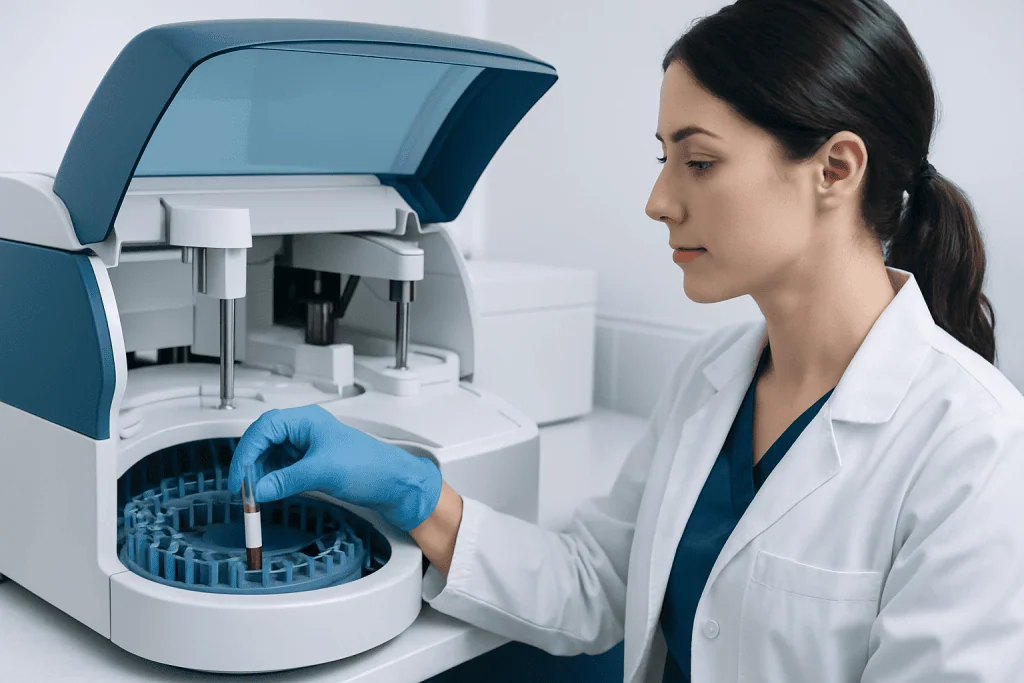
Understanding the marker measured is important because each test answers a different question. Ferritin is a protein that stores iron and is often the most useful marker of the body’s iron reserves. Low ferritin commonly supports iron deficiency, although the precise cutoff used can vary by laboratory, age, health status, and clinical context.
Hemoglobin measures the oxygen-carrying protein in red blood cells. A low hemoglobin result may indicate anemia, but anemia has many possible causes, including iron deficiency, vitamin deficiencies, chronic disease, inherited blood conditions, kidney disease, or blood loss. A normal hemoglobin result cannot reliably exclude early iron deficiency.
Some laboratory-based home collection kits also assess serum iron, total iron-binding capacity, transferrin, or transferrin saturation. These results can add useful context, but serum iron can vary during the day and may be affected by recent meals or supplements. A clinician may also request a complete blood count and other investigations when iron deficiency is suspected.
- Ferritin: estimates iron stores.
- Hemoglobin: helps identify anemia.
- Transferrin saturation: estimates how much iron is available for use.
- Complete blood count: evaluates red blood cell number, size, and characteristics.
How Accurate Are At Home Iron Tests?

The accuracy of an at home iron test depends on the type of test, the quality standards of the laboratory or device, and whether the sample is collected correctly. A laboratory that analyzes a properly collected capillary blood sample may provide useful results. However, finger-prick samples can be more vulnerable to collection errors than blood drawn from a vein, including insufficient sample volume, contamination, delayed mailing, or improper storage.
Home testing also has an important limitation: it does not provide a full medical evaluation. A result may be technically accurate yet still require careful interpretation. For example, ferritin is an acute-phase reactant, meaning it may be elevated during infection, inflammation, or some liver conditions. In that situation, ferritin may appear normal or high despite reduced available iron.
People should use the reference range supplied by the testing laboratory and avoid comparing results directly with ranges from other sources. If a home result is low, borderline, unexpectedly high, or does not match symptoms, a clinician may recommend repeat testing with a venous blood sample and a broader blood panel.
Who May Consider Testing for Low Iron?
Testing may be appropriate for people with symptoms that could be related to iron deficiency or anemia, particularly when symptoms persist or affect daily activities. Possible symptoms include fatigue, reduced exercise tolerance, shortness of breath with exertion, dizziness, headaches, paleness, brittle nails, hair shedding, sore tongue, difficulty concentrating, or restless legs. These symptoms are common and can have many causes, so they should not be used to self-diagnose iron deficiency.
Some groups have a higher likelihood of low iron stores. This includes people with heavy menstrual bleeding, pregnant people, children and adolescents during periods of rapid growth, frequent blood donors, endurance athletes, and people following diets that provide little iron. Conditions affecting the digestive tract, including celiac disease, inflammatory bowel disease, or previous stomach or bowel surgery, can reduce iron absorption.
Unexplained iron deficiency deserves medical attention, especially in adult men and people who do not menstruate. In some cases, it can be related to slow blood loss from the digestive tract. Testing should therefore be part of identifying and addressing the underlying reason, not simply a reason to take supplements.
How to Prepare for and Use a Home Test
Before using an at home iron test, read the kit instructions carefully. Check what marker is being measured, whether fasting is required, how the sample should be collected, and when it must be returned to the laboratory. Some tests advise avoiding iron supplements for a period before testing, while others do not; the product instructions and a clinician’s advice should take priority.
For finger-prick collection, washing and thoroughly drying the hands, warming the hand, using the supplied lancet correctly, and allowing blood to flow without excessive squeezing can help improve sample quality. Excessive pressure may dilute the sample with tissue fluid. The sample should be labeled, packaged, and sent according to the kit’s directions.
A person should record relevant context before reviewing results. This may include recent infection, inflammatory illness, pregnancy, menstruation, changes in diet, current supplements, medicines that can affect bleeding or absorption, and a history of gastrointestinal symptoms. This information can help a clinician decide whether further testing is needed.
Understanding Results and Treatment Options
A low ferritin result often points toward reduced iron stores, while low hemoglobin may indicate anemia. However, results should not be interpreted in isolation. A clinician may assess the pattern of results, repeat a test, check a complete blood count, and investigate other causes of symptoms or anemia. Assessment is particularly important when results are markedly abnormal or when there is no clear explanation for iron loss.
Treatment depends on the cause and severity of the problem. Dietary changes may support iron intake, and oral iron is commonly used when iron deficiency is confirmed. Iron-rich foods include meat, seafood, legumes, tofu, fortified grains, leafy green vegetables, nuts, and seeds. Vitamin C-containing foods can improve absorption of plant-based iron, while tea, coffee, and calcium-rich foods may reduce absorption when consumed at the same time.
Not everyone with fatigue needs iron, and too much iron can be harmful. Iron supplements may cause stomach upset, constipation, nausea, or dark stools and can interact with some medicines. In selected circumstances, such as significant deficiency, poor absorption, ongoing blood loss, or intolerance of oral supplements, clinicians may consider intravenous iron infusion as part of an individualized treatment plan.
If testing confirms anemia, the evaluation may include assessment for anemia and its possible causes. Finding the source of iron deficiency is essential, particularly when there are digestive symptoms, heavy bleeding, or recurrent low results after treatment.
Supporting Healthy Iron Levels Safely
A balanced diet can help maintain healthy iron intake, but dietary changes alone may not correct significant deficiency quickly. Heme iron from animal foods is generally absorbed more readily than non-heme iron from plant foods. People who eat little or no animal food can still meet iron needs with careful dietary planning that includes legumes, soy foods, iron-fortified cereals, whole grains, nuts, seeds, and vegetables.
Pairing plant sources of iron with vitamin C-rich foods, such as citrus fruit, berries, peppers, tomatoes, or broccoli, may improve absorption. It can also help to avoid drinking tea or coffee with iron-rich meals or an iron supplement. People with a known digestive condition, restrictive diet, heavy periods, or previous deficiency may benefit from individualized advice from a clinician or registered dietitian.
Regular monitoring should be guided by a healthcare professional, especially during pregnancy, in childhood, after treatment for iron deficiency, or when a condition affects absorption or causes chronic blood loss. Repeat testing can show whether iron stores are recovering and can help prevent unnecessary long-term supplementation.
When to Seek Medical Care
Medical care should be sought promptly for severe shortness of breath, chest pain, fainting, confusion, a very fast heartbeat, black tarry stools, vomiting blood, or heavy bleeding. These symptoms can have causes that need urgent assessment and should not be managed through home testing alone.
A routine but timely appointment is appropriate for ongoing fatigue, dizziness, reduced stamina, pale skin, restless legs, hair shedding, heavy menstrual bleeding, digestive symptoms, or an abnormal at home iron test. People who are pregnant, children, older adults, and those with known kidney, digestive, inflammatory, or blood conditions should discuss results with a qualified clinician rather than relying on self-treatment.
Acibadem International’s multidisciplinary specialists and JCI-accredited hospitals can assess iron-related symptoms, investigate possible causes, and coordinate care for international patients. A clinician can help determine whether a home test result needs confirmation, further blood tests, dietary guidance, or treatment.
Frequently asked questions
Can an at home iron test diagnose iron deficiency?
An at home iron test can identify results that may be consistent with low iron stores or anemia, but it cannot confirm a diagnosis on its own. A clinician may need to review ferritin, hemoglobin, other blood markers, symptoms, and possible causes of iron loss or poor absorption.
What is the best marker for iron deficiency?
Ferritin is commonly used to assess iron stores and is often helpful in identifying iron deficiency. However, ferritin can be affected by inflammation, infection, and liver disease, so clinicians may interpret it together with a complete blood count and other iron studies.
Can iron be low if hemoglobin is normal?
Yes. Iron stores may become low before hemoglobin falls enough to cause anemia. This is why a hemoglobin-only home test may not detect early iron deficiency.
Should someone take iron supplements after a low home test result?
It is best to discuss a low result with a healthcare professional before starting or increasing iron supplements. The underlying cause should be identified, and unnecessary iron can cause side effects and may be unsafe for some people.
Can menstruation affect an at home iron test?
Heavy or prolonged menstrual bleeding can contribute to iron deficiency over time. Menstruation itself should be considered when interpreting a result, particularly if bleeding is unusually heavy, frequent, or associated with fatigue or dizziness.
What can cause a high ferritin result?
Ferritin can be high when iron stores are elevated, but it may also rise during inflammation, infection, liver disease, alcohol-related liver injury, and some metabolic conditions. A high ferritin result needs professional interpretation and does not automatically mean there is excess iron.
References
- World Health Organization
- National Institutes of Health Office of Dietary Supplements
- American Society of Hematology
- British Society of Gastroenterology
- MedlinePlus
This article is for general information only and is not a substitute for professional medical advice. Please consult a qualified doctor about your individual situation.
Explore treatments in Turkey — costs, top hospitals & a free quote
JCI-accredited · board-certified surgeons · reply within 24h
Add us as a Preferred Source to see more of our trusted health content across Google Search, AI Overviews and Discover.