Tachyarrhythmia: A Complete Medical Overview

Tachyarrhythmia means the heart is beating too quickly because of an electrical rhythm disturbance. Symptoms can include palpitations, shortness of breath, fatigue, dizziness, chest discomfort or fainting, but some people have no symptoms.
Key Takeaways
- Tachyarrhythmia means the heart is beating too quickly because of an electrical rhythm disturbance.
- Symptoms can include palpitations, shortness of breath, fatigue, dizziness, chest discomfort or fainting, but some people have no symptoms.
- The exact rhythm type matters because treatment differs for atrial fibrillation, supraventricular tachycardia, ventricular tachycardia and other conditions.
- An electrocardiogram and rhythm monitoring are central to diagnosis, alongside tests for possible triggers or underlying heart disease.
- Emergency care is needed for chest pain, severe breathlessness, fainting or a sustained fast heartbeat with feeling unwell.
Tachyarrhythmia is a broad term for an abnormally rapid heart rhythm caused by changes in the heart’s electrical signaling. Some episodes are brief and harmless, while others require prompt medical assessment to identify the rhythm type, its cause and the most appropriate treatment.
What Is Tachyarrhythmia?
Tachyarrhythmia is an umbrella term for a heart rhythm that is both too fast and abnormal. In adults at rest, a heart rate above 100 beats per minute is called tachycardia, but not every fast pulse is an arrhythmia. Exercise, fever, anxiety and dehydration can temporarily speed up a normal rhythm; tachyarrhythmia refers to a problem in the electrical signals that coordinate the heartbeat.
The heart normally follows a carefully timed electrical pathway, beginning in its natural pacemaker, the sinus node. When electrical impulses start in an unusual location, travel in a loop or move irregularly through the heart, the chambers may beat too fast, too chaotically or without effective coordination. The impact can range from no noticeable effect to reduced blood flow to the body.
Tachyarrhythmias may begin in the upper heart chambers, called the atria, or in the lower pumping chambers, called the ventricles. A clinician’s first priority is to identify the specific rhythm, assess whether it is stable and determine whether an underlying trigger or heart condition needs attention.
Common Types of Fast Abnormal Heart Rhythms
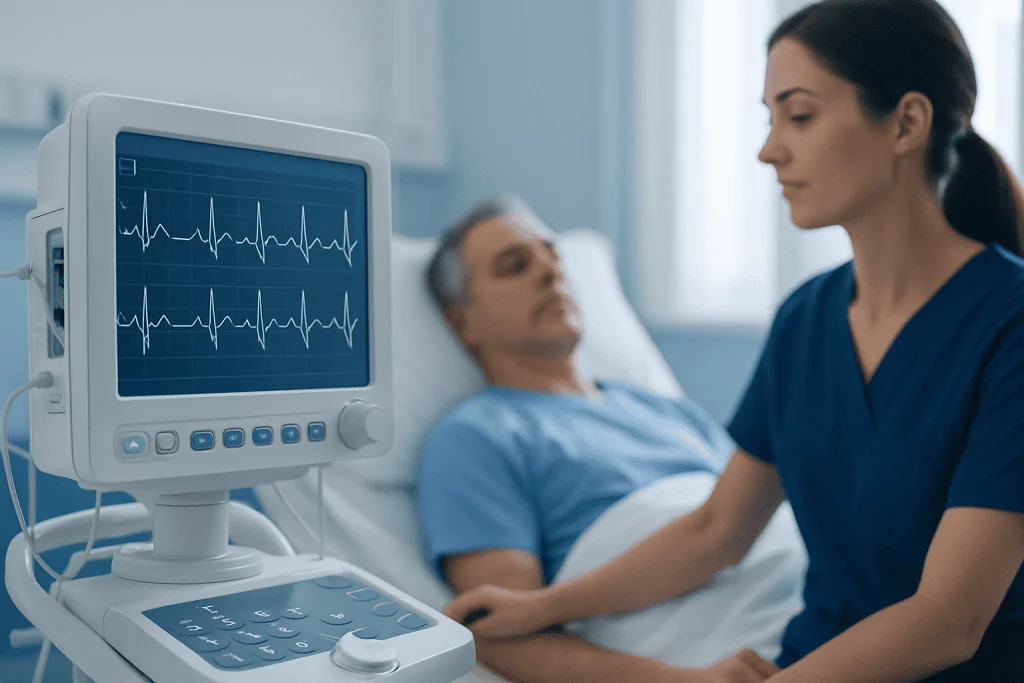
Supraventricular tachycardia, often shortened to SVT, begins above the ventricles. It commonly causes sudden episodes of a rapid, regular heartbeat that may start and stop abruptly. Some forms are due to an extra electrical connection or a re-entry circuit, in which an impulse repeatedly travels around a loop within the heart.
Atrial fibrillation is an irregular rhythm originating in the atria. The upper chambers quiver rather than contract in an organized way, and the pulse may feel irregular as well as fast. Atrial flutter is another atrial rhythm, often more regular than atrial fibrillation, but it can also produce a rapid pulse. Both conditions may require assessment of stroke risk in addition to heart-rate or rhythm management.
Ventricular tachycardia begins in the ventricles. It can occur in people with structural heart disease, prior heart attack or inherited electrical conditions, although its causes vary. Sustained ventricular tachycardia can be serious because it may impair the heart’s ability to pump blood effectively and may progress to more dangerous rhythms.
Sinus tachycardia is different: the rhythm remains normal, but the sinus node fires faster in response to a trigger such as infection, pain, anemia, thyroid disease, stimulant use or exertion. Treating the cause is usually more important than trying to suppress the heart rate itself.
Symptoms and How Tachyarrhythmia May Feel

Palpitations are a common symptom. A person may describe pounding, fluttering, racing, skipping or a sensation that the heart is beating irregularly. Episodes may last seconds, minutes, hours or longer, depending on the rhythm and the underlying cause.
Other symptoms can include tiredness, reduced exercise tolerance, shortness of breath, light-headedness, dizziness, sweating, nausea or chest discomfort. When the heart beats very quickly, it has less time to fill between beats, which can reduce the amount of blood pumped to the brain and other organs.
Symptoms do not always reflect the seriousness of a rhythm problem. Some people with atrial fibrillation or other arrhythmias feel little or nothing, while others are very aware of a brief, non-dangerous episode. A medical assessment is the safest way to clarify a new, recurrent or concerning fast heartbeat.
Keeping a simple record can help a clinician: note when episodes occur, how long they last, whether the rhythm feels regular or irregular, associated symptoms, activities at the time, and any caffeine, alcohol, medication or illness that may have preceded them.
Causes and Risk Factors
Tachyarrhythmia can develop because of an underlying heart condition, a temporary stress on the body or a problem with the heart’s electrical system. Coronary artery disease, heart valve disease, heart failure, cardiomyopathy and previous heart surgery can alter heart tissue and make abnormal rhythms more likely.
Non-cardiac contributors are also important. Fever, dehydration, anemia, low oxygen levels, electrolyte imbalances, overactive thyroid function and severe infection may trigger a fast rhythm or sinus tachycardia. Stimulants such as nicotine, recreational drugs, energy drinks and excess caffeine can provoke palpitations in susceptible individuals. Alcohol can also contribute, particularly to atrial arrhythmias.
Risk rises with age for some rhythm disorders, especially atrial fibrillation. High blood pressure, diabetes, obesity, sleep apnea and chronic kidney disease can increase the likelihood of atrial arrhythmias. Family history may matter in some inherited rhythm syndromes or cardiomyopathies.
Medicines and supplements should also be reviewed. Some prescription medicines, decongestants, asthma treatments and herbal or weight-loss products can affect heart rate or rhythm. A person should not stop a prescribed medicine without professional advice, but should tell a clinician about everything they take.
How Tachyarrhythmia Is Diagnosed
An electrocardiogram, or ECG, records the heart’s electrical activity and can identify many tachyarrhythmias when they are happening. Because episodes may come and go, a normal ECG between symptoms does not always rule out a rhythm disorder.
For intermittent symptoms, a clinician may recommend ambulatory monitoring. A Holter monitor records continuously for a day or more, while an event monitor, patch monitor or wearable device may capture less frequent episodes. Patients should discuss consumer wearable readings with a clinician, as these tools can be useful screening aids but do not replace a full medical diagnosis.
Blood tests may check for anemia, thyroid abnormalities, electrolyte disturbances or other triggers. An echocardiogram uses ultrasound to assess heart structure and pumping function. Depending on the situation, further testing may include an exercise test, cardiac imaging, coronary assessment or an electrophysiology study that maps electrical pathways inside the heart.
Diagnosis also includes assessing urgency. Blood pressure, oxygen level, mental status, chest symptoms and signs of heart failure help clinicians decide whether immediate treatment is needed. The rhythm strip, medical history and examination together guide safe next steps.
Treatment Options and Ongoing Management
Treatment depends on the exact rhythm, symptoms, episode duration, medical history and whether there is an identifiable cause. If fever, dehydration, thyroid disease, anemia or a medication effect is contributing, addressing that factor may improve the fast heart rate. For some brief, infrequent and well-tolerated episodes, monitoring and lifestyle adjustments may be enough.
Medicines may be used to slow the heart rate, help maintain a normal rhythm or reduce the chance of future episodes. In atrial fibrillation and atrial flutter, some people also need anticoagulant medication to lower stroke risk. This decision is individualized and based on clinical risk factors; anticoagulants should only be started, changed or stopped under medical guidance.
Some people benefit from electrical cardioversion, a controlled procedure that restores a normal rhythm. Catheter ablation may be considered when an abnormal electrical circuit can be targeted, particularly for recurrent SVT, atrial flutter and selected cases of atrial fibrillation or ventricular tachycardia. During cardiac ablation, a specialist uses catheters to treat the small area of tissue involved in the abnormal signal pathway.
Implantable devices, such as a pacemaker or implantable cardioverter-defibrillator, may be appropriate for selected people with certain slow-fast rhythm disorders or dangerous ventricular arrhythmias. Acibadem International’s multidisciplinary specialists and JCI-accredited hospitals diagnose and treat heart rhythm conditions for international patients, with care planned around the individual’s rhythm diagnosis and overall health.
Prevention, Self-Care and When to Seek Medical Care
Not all tachyarrhythmias can be prevented, but supporting cardiovascular health can reduce important risk factors. Helpful steps include managing blood pressure, diabetes and thyroid disease; maintaining a weight appropriate for the individual; being physically active as advised; sleeping adequately; and seeking assessment for possible sleep apnea. Avoiding smoking and limiting alcohol and stimulant intake may reduce episodes for some people.
During a known, previously assessed episode of palpitations, a person should follow the plan provided by their clinician. It is sensible to sit or lie down if dizzy, avoid driving and note symptoms. Vagal maneuvers may help certain types of SVT, but they are not appropriate for everyone and should only be tried after a healthcare professional has explained how and when to use them.
Emergency medical care is needed for palpitations or a fast heartbeat accompanied by chest pain or pressure, severe shortness of breath, fainting, near-fainting, confusion, marked weakness or signs of a stroke such as facial drooping, arm weakness or speech difficulty. A sustained rapid heartbeat with significant illness should also be treated as urgent.
A non-emergency medical appointment is appropriate for new palpitations, recurring episodes, an irregular pulse, reduced exercise capacity or symptoms that interfere with daily life. Early evaluation can identify whether the issue is a temporary trigger, atrial fibrillation or another rhythm disorder that may benefit from specific care.
Frequently asked questions
Is tachyarrhythmia the same as tachycardia?
Tachycardia means a heart rate that is faster than expected, usually above 100 beats per minute at rest in adults. Tachyarrhythmia specifically means the fast rate is caused by an abnormal electrical rhythm. A fast but otherwise normal sinus rhythm, such as during exercise or fever, is not necessarily a tachyarrhythmia.
Can tachyarrhythmia go away on its own?
Some episodes, especially certain forms of SVT or palpitations triggered by stress, stimulants or dehydration, can stop on their own. However, recurrent or prolonged episodes should be assessed because the rhythm type cannot be confirmed by symptoms alone. Some conditions require treatment to manage symptoms or reduce longer-term risks.
What heart rate is dangerous?
There is no single heart-rate number that is dangerous for every person, because context, rhythm type and symptoms matter. A rapid rate at rest that persists, feels irregular or occurs with dizziness, chest pain, shortness of breath or fainting needs prompt medical assessment. Severe symptoms warrant emergency care regardless of the exact number shown on a device.
Can anxiety cause tachyarrhythmia?
Anxiety can increase adrenaline levels and cause a normal fast heart rate, palpitations or greater awareness of the heartbeat. It can also coexist with a genuine arrhythmia. New or recurrent symptoms should not be assumed to be anxiety without appropriate medical evaluation.
Does caffeine cause tachyarrhythmia?
Caffeine may trigger palpitations in some people, particularly in high amounts or when combined with poor sleep, dehydration or other stimulants. Many people tolerate moderate caffeine without rhythm problems, but individual sensitivity varies. Reducing caffeine and observing whether episodes change can be useful while discussing symptoms with a clinician.
Can a smartwatch diagnose tachyarrhythmia?
A smartwatch or other wearable may detect a fast pulse or flag an irregular rhythm, which can be helpful information to share with a clinician. It cannot reliably identify every rhythm disorder or determine its cause. A medical-grade ECG and professional assessment are needed to confirm a diagnosis and guide treatment.
References
- American Heart Association
- American College of Cardiology
- National Heart, Lung, and Blood Institute
- Mayo Clinic
- European Society of Cardiology
This article is for general information only and is not a substitute for professional medical advice. Please consult a qualified doctor about your individual situation.
Heart care in Turkey — expert evaluation and treatment
JCI-accredited · board-certified surgeons · reply within 24h
Add us as a Preferred Source to see more of our trusted health content across Google Search, AI Overviews and Discover.
Check your numbers in seconds
BMI, calories, due date, blood pressure and 30+ more clinical calculators — free, instant, doctor-reviewed ranges.