Gastric bypass in Turkey: Hospitals, Safety & What to Expect

Gastric bypass reduces stomach capacity and changes part of the digestive pathway to support substantial, sustained weight loss. A detailed medical, nutritional and psychological assessment is essential before surgery, especially for people travelling internationally.
Key Takeaways
- Gastric bypass reduces stomach capacity and changes part of the digestive pathway to support substantial, sustained weight loss.
- A detailed medical, nutritional and psychological assessment is essential before surgery, especially for people travelling internationally.
- Recovery requires lifelong dietary changes, vitamin and mineral supplements, physical activity and scheduled blood tests.
- Benefits may include improvement in obesity-related conditions, but surgery has short- and long-term risks that require monitoring.
- Hospital accreditation, surgeon experience, emergency capability and an aftercare plan are important safety considerations.
Gastric bypass in Turkey involves the same evidence-based bariatric procedure used internationally, with safety depending on appropriate patient selection, accredited hospital standards, experienced teams and reliable long-term follow-up. Patients considering travel should understand the clinical pathway, recovery needs, possible risks and plans for care after returning home.
Gastric Bypass in Turkey: An Overview
Gastric bypass in Turkey can be an appropriate option for eligible patients when it is delivered in a well-equipped, accredited hospital by an experienced multidisciplinary bariatric team. The procedure itself follows internationally established surgical principles; safe care depends not only on the operation, but also on pre-operative screening, anesthesia assessment, infection prevention, nutritional support and long-term follow-up.
Most commonly, gastric bypass refers to Roux-en-Y gastric bypass. It is a type of metabolic and bariatric surgery that changes the size of the stomach and the route food takes through the small intestine. It may be considered for people living with obesity when structured nutrition, activity and medical approaches have not provided sufficient or lasting results.
For a detailed explanation of the procedure and its clinical role, patients can review gastric bypass surgery. Travel planning should be secondary to medical suitability: a person should first be assessed to determine whether gastric bypass is the right operation for their health needs and goals.
How Gastric Bypass Works and Who May Be Eligible
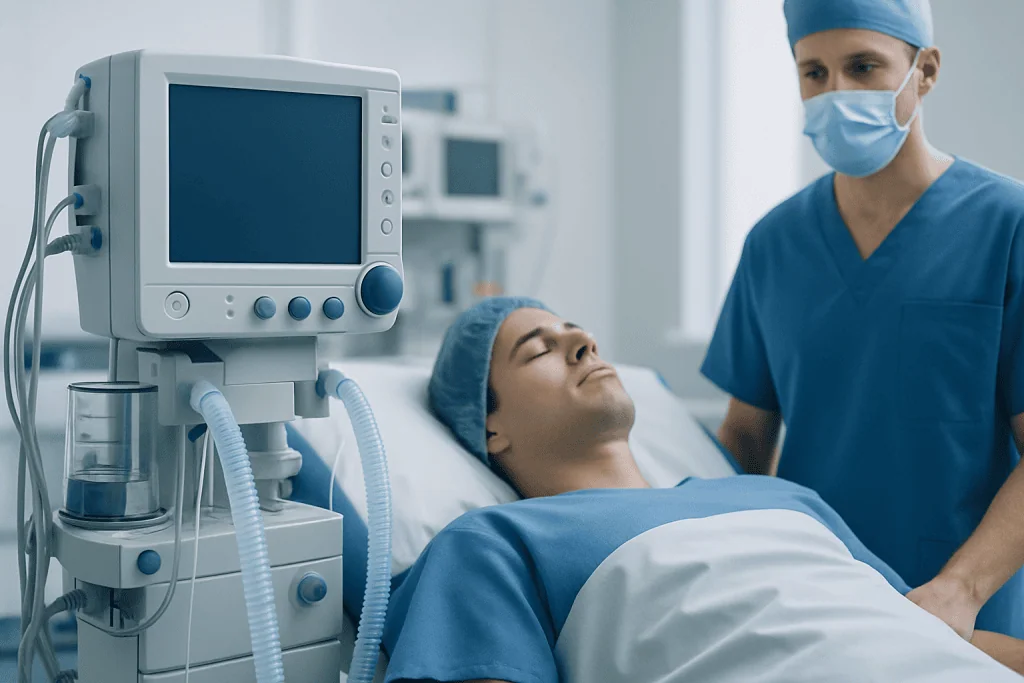
During Roux-en-Y gastric bypass, the surgeon creates a small pouch from the upper part of the stomach. This pouch is connected to a section of the small intestine, allowing food to bypass the rest of the stomach and the first portion of the small intestine. The operation supports weight loss by limiting the amount that can be eaten at one time and by changing gut hormones involved in appetite, fullness and metabolism.
Eligibility is individual. Bariatric specialists commonly consider body mass index, obesity-related health conditions, previous weight-management efforts, eating patterns, medications, surgical history and overall ability to undergo anesthesia. Gastric bypass may be discussed for people with higher levels of obesity or for some people with obesity and conditions such as type 2 diabetes, obstructive sleep apnea, high blood pressure or fatty liver disease.
Before proceeding, the team should also assess nutritional status, mental health and readiness for lifelong changes. Active substance misuse, untreated eating disorders, uncontrolled psychiatric illness, inability to attend follow-up, or medical conditions that make surgery unsafe may mean surgery should be delayed or another approach considered.
- Patients need to understand the permanent changes to eating and supplementation.
- Smoking and nicotine use should be addressed before surgery because they increase complication risk.
- Pregnancy should be planned carefully after bariatric surgery with advice from the surgical and obstetric teams.
The Clinical Journey: Assessment, Surgery and Hospital Care

A safe pathway begins with an individualized consultation. Patients may be asked to provide medical records, a medication list, previous test results and information about prior abdominal operations. On arrival, clinicians typically confirm the assessment with examinations and tests that may include blood work, heart or respiratory evaluation when indicated, nutritional review and anesthesia consultation.
Gastric bypass is usually performed under general anesthesia using minimally invasive, or laparoscopic, techniques. Several small incisions are made in the abdomen. The surgeon creates the gastric pouch, divides and reconnects sections of the small intestine, and checks the surgical connections before closing the incisions. The exact approach can vary according to anatomy, previous surgery and clinical circumstances.
After the operation, patients are monitored for pain control, hydration, breathing, mobility and signs of complications. They begin walking as advised to help lower the risk of blood clots and support recovery. The team introduces fluids according to its post-operative protocol and provides clear instructions for the stages of eating after discharge.
Patients travelling for care should ask how medical records, discharge summaries, medication instructions, laboratory plans and communication with their usual doctor will be arranged. Acibadem International’s multidisciplinary specialists and JCI-accredited hospitals provide assessment and treatment for international patients, with care coordination designed around the clinical journey.
Recovery Timeline and Life After Surgery
Recovery differs from person to person, but many patients spend a short period in hospital after an uncomplicated laparoscopic operation. In the first days, the focus is on safe mobilization, fluid intake, managing discomfort and learning the early dietary plan. Travel should only take place after the surgical team has confirmed that it is medically appropriate.
Food is reintroduced gradually, usually progressing from liquids to puréed foods, soft foods and then smaller portions of solid foods. The timing and specific choices should follow the bariatric dietitian’s instructions. Eating slowly, chewing thoroughly, prioritizing protein and avoiding drinking large amounts with meals can help patients adapt to their changed digestion.
Most people return gradually to light daily activities over the following weeks, while strenuous activity and heavy lifting should wait until the surgeon advises it is safe. Follow-up appointments are needed to monitor wound healing, hydration, weight changes, blood pressure, glucose control and emotional adjustment. Remote follow-up may be helpful for international patients, but it does not replace access to urgent local medical care if symptoms develop.
Long-term care is essential. Gastric bypass changes nutrient absorption, so patients usually need lifelong vitamin and mineral supplementation and regular blood testing. A bariatric dietitian, surgeon and primary care clinician can work together to identify deficiencies and support healthy, sustainable habits.
Potential Benefits and Risks
Gastric bypass can lead to significant weight loss and may improve or help manage obesity-related conditions. Some people experience better blood glucose control, reduced blood pressure, improved sleep apnea symptoms, less joint strain and better day-to-day mobility. The extent of benefit varies and depends on health status, the operation performed and long-term adherence to follow-up and lifestyle changes.
Like all major surgery, gastric bypass has potential early complications. These include bleeding, infection, blood clots, reactions to anesthesia, leakage from a surgical connection, bowel obstruction and dehydration. Although serious complications are uncommon in appropriately selected patients and experienced centers, they require prompt recognition and treatment.
Possible later concerns include ulcers, gallstones, internal hernia, narrowing at a surgical connection, dumping syndrome, low blood sugar episodes and nutritional deficiencies. Dumping syndrome can cause symptoms such as nausea, cramps, diarrhea, sweating or palpitations after eating, particularly after foods high in sugar. Individual risks should be discussed directly with the surgeon.
Weight regain can occur after any bariatric procedure. It is not a personal failure and may have medical, behavioral, nutritional or anatomical contributors. Early review with the bariatric team can help identify supportive options, including nutrition counseling, psychological support, medication when appropriate or further investigation.
Choosing a Hospital in Turkey and Planning Follow-Up
People considering surgery abroad should look beyond the procedure itself. Important questions include whether the hospital has recognized accreditation, dedicated operating and anesthesia services, intensive care capability if needed, bariatric nursing, dietetic support, imaging and laboratory access, and clear processes for managing complications. JCI accreditation is one internationally recognized framework for hospital quality and patient safety standards, but it should be considered alongside the complete clinical team and care pathway.
It is helpful to ask who will perform the surgery, how pre-operative decisions are made, what tests are included, how long the treating team recommends remaining locally, and what support is available after discharge. Patients should receive understandable written information about the procedure, expected recovery, warning symptoms, diet stages, supplements and follow-up appointments before making a decision.
Accommodation and travel arrangements should allow for rest, access to the hospital and a flexible return date if recovery takes longer than expected. A companion can be useful, particularly during early recovery, but should not replace professional medical support. Travel insurance and medical coverage should be checked carefully, including whether complications related to planned surgery are covered.
Before returning home, patients should arrange follow-up with a local primary care clinician or bariatric service. Sharing the operative report and discharge documents helps ensure continuity of monitoring, including blood tests and treatment of any nutritional or surgical concerns.
When to Seek Medical Care
Patients should contact their bariatric team promptly if they have persistent vomiting, difficulty drinking fluids, worsening pain, fever, increasing redness or discharge from an incision, ongoing diarrhea, dizziness, fainting, or symptoms of dehydration. New or persistent problems should not be managed only through online advice, particularly soon after surgery.
Urgent medical assessment is needed for severe or increasing abdominal or chest pain, shortness of breath, a fast heartbeat, coughing blood, black stools, vomiting blood, confusion, or inability to keep fluids down. These symptoms can have several causes, including complications that require rapid evaluation.
Long after surgery, medical review is still important for fatigue, hair loss, numbness or tingling, weakness, recurrent abdominal pain, unexpected weight changes or symptoms of low blood sugar. Regular follow-up and laboratory testing can identify vitamin, iron, protein or other nutrient deficiencies before they become more serious.
Frequently asked questions
Is gastric bypass in Turkey safe?
Gastric bypass in Turkey can be safe when patients are appropriately assessed and surgery is performed in an accredited hospital with experienced bariatric, anesthesia and aftercare teams. Safety also depends on a clear plan for recovery, emergency care and long-term follow-up after the patient returns home.
How long should a patient stay in Turkey after gastric bypass?
The appropriate length of stay depends on the individual procedure, recovery progress, travel distance and the surgeon’s assessment. Patients should not schedule a fixed return journey until the treating team confirms that they are stable, hydrated, mobile and medically fit to travel.
What is the difference between gastric bypass and sleeve gastrectomy?
Sleeve gastrectomy removes a large portion of the stomach to create a narrow sleeve, while gastric bypass creates a small stomach pouch and reroutes part of the small intestine. Both can support weight loss, but their effects, nutritional needs and suitability differ, so the choice should be made with a bariatric surgeon.
Will vitamin supplements be needed after gastric bypass?
Yes. Because gastric bypass changes food intake and nutrient absorption, patients generally need lifelong vitamin and mineral supplements. Regular blood tests are also important so the care team can identify and correct nutritional deficiencies.
Can type 2 diabetes improve after gastric bypass?
Many people with type 2 diabetes experience improved blood glucose control after gastric bypass, sometimes soon after surgery. Results vary, and diabetes medication should only be adjusted under the supervision of the treating medical team.
What should international patients arrange before travelling for surgery?
They should provide complete medical information, understand the proposed treatment plan and arrange sufficient time for recovery before travel home. They should also confirm how follow-up will work, obtain written discharge documentation and identify a local doctor or bariatric service for ongoing care.
References
- American Society for Metabolic and Bariatric Surgery
- International Federation for the Surgery of Obesity and Metabolic Disorders
- National Institute of Diabetes and Digestive and Kidney Diseases
- World Health Organization
- Joint Commission International
This article is for general information only and is not a substitute for professional medical advice. Please consult a qualified doctor about your individual situation.
Gastric Bypass in Turkey — costs, top hospitals & a free quote
JCI-accredited · board-certified surgeons · reply within 24h
Add us as a Preferred Source to see more of our trusted health content across Google Search, AI Overviews and Discover.
Check your numbers in seconds
BMI, calories, due date, blood pressure and 30+ more clinical calculators — free, instant, doctor-reviewed ranges.

Bariatric & Metabolic Surgery
Surgical and endoscopic treatments for obesity and metabolic conditions.
More from the Health Library



Related Specialists
Assoc. Prof. Dr. Erdem Güven (m)
Aesthetic Plastic & Reconstructive Surgery
Assoc. Prof. Dr. Murat Sezer
Pulmonary Medicine
Prof. Dr. Mert İlker Hayıroğlu
Cardiology
Dr. Eylem Akar
Pathology