Breast augmentation Before & After: What Realistic Results Look Like

Early breast augmentation results are not final; swelling and implant position commonly change during the first weeks to months. A natural-looking outcome is individualized and should fit the person’s chest width, breast tissue, skin elasticity, and personal goals.
Key Takeaways
- Early breast augmentation results are not final; swelling and implant position commonly change during the first weeks to months.
- A natural-looking outcome is individualized and should fit the person’s chest width, breast tissue, skin elasticity, and personal goals.
- Breast augmentation can improve volume and symmetry, but it cannot guarantee perfect symmetry or stop normal breast aging.
- Implants are not lifetime devices, so future monitoring and, for some people, additional surgery may be needed.
- A board-certified plastic surgeon can help patients understand suitable options, likely scar placement, recovery, and potential risks.
Breast augmentation before and after changes typically include increased breast volume, a fuller upper or lower breast shape depending on implant choice, and possible improvement in mild asymmetry. Realistic results depend on a person’s anatomy, skin quality, implant type and size, surgical technique, and healing process; final results take time to settle.
What breast augmentation before and after results realistically look like
Breast augmentation before and after results usually show fuller breasts, a change in breast projection, and improved balance between the breasts and the rest of the body. The most realistic outcome is not a single “ideal” appearance. It is a result that reflects the person’s starting anatomy, desired degree of fullness, implant selection, and the way their tissues heal.
Immediately after surgery, breasts can appear higher, firmer, and more swollen than expected. Over the following weeks, swelling reduces and the implants gradually settle into a more natural position. Many people see a meaningful change early on, but the breast shape and softness may continue to evolve for several months.
Before-and-after photographs can be helpful when reviewed with a surgeon, particularly when the patients pictured have a similar body frame, breast shape, and amount of natural breast tissue. However, photographs are examples rather than predictions. An individual consultation for breast augmentation is the best way to discuss what may be achievable safely.
What determines the final appearance
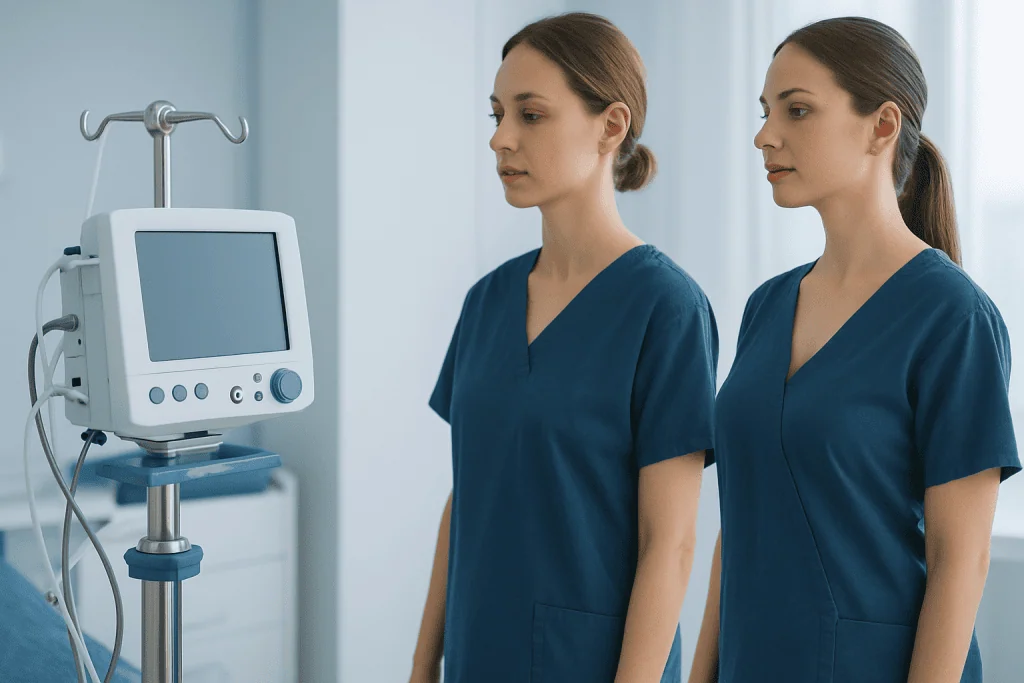
Several factors influence breast augmentation results. The width of the chest, position of the nipples, amount of existing breast tissue, skin elasticity, rib cage shape, and degree of pre-existing asymmetry all affect how an implant looks after surgery. Even breasts that appear similar before surgery commonly have small differences in size, shape, or position.
Implant characteristics also matter. Saline and silicone gel implants can provide different feel and appearance, while implant width, profile, and volume influence projection and fullness. The surgeon may place an implant above or below the chest muscle, or use another appropriate plane, depending on the person’s anatomy and goals.
People considering surgery often describe goals such as restoring volume after pregnancy, breastfeeding, weight changes, or aging; improving breast balance; or achieving a fuller contour in clothing. It is helpful to describe these goals in practical terms rather than relying on a cup size alone, because bra sizing is not standardized and varies between brands.
- Fullness may be greater in the upper breast, lower breast, or both, depending on the chosen approach.
- Scars are permanent but usually fade over time; their visibility varies by incision location and individual healing.
- Breast aging, weight changes, pregnancy, and skin changes can alter the appearance over the years, even after a successful operation.
Who may be a suitable candidate
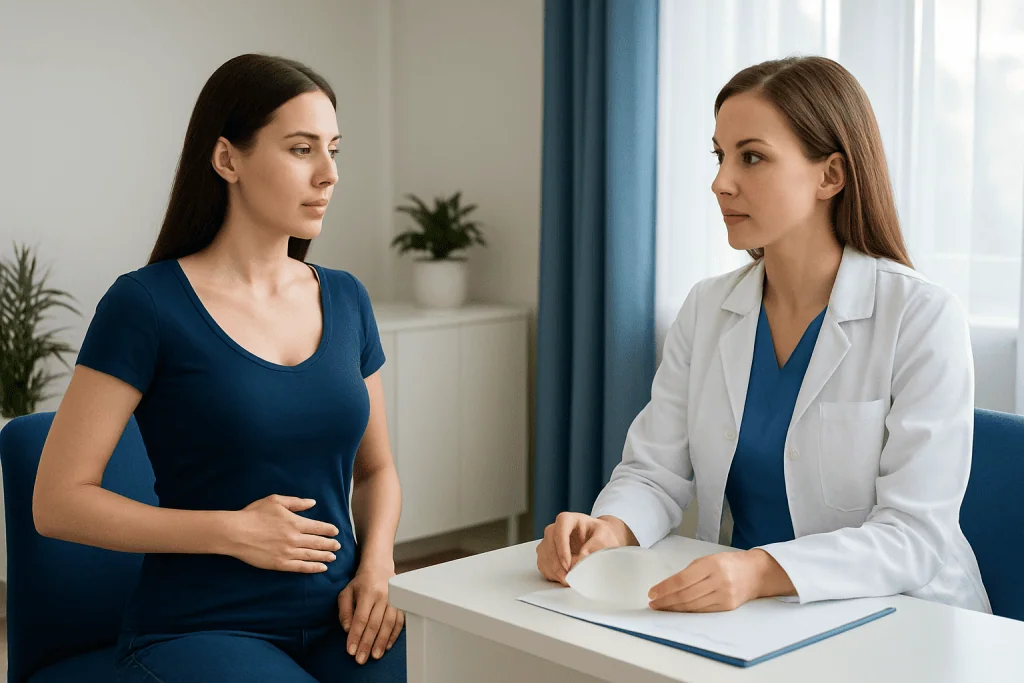
Suitable candidates are generally adults in good overall health who understand the benefits, limitations, and possible future care associated with implants. They should have stable expectations and be choosing surgery for their own reasons, rather than feeling pressured by another person or a temporary trend.
A consultation usually includes a medical history, breast examination, review of medications and supplements, discussion of smoking or nicotine use, and assessment of surgical goals. The surgeon may ask about pregnancy plans, prior breast procedures, mammograms or other breast imaging, and any personal or family history of breast disease.
Breast augmentation may not be the only procedure considered. If the nipples sit low or there is significant breast sagging, an implant alone may not provide the desired breast shape. In some situations, a breast lift may be discussed. The surgeon should explain why a particular plan is suitable and what it can—and cannot—change.
How the procedure is performed
Breast augmentation is commonly performed under general anesthesia. Before surgery, the surgeon marks the planned incision and reviews the agreed implant characteristics and operative plan. The procedure is individualized, but it generally follows a structured sequence designed to place the implant safely and create balanced breast contours.
The surgeon makes an incision, often in the crease beneath the breast, around the lower edge of the areola, or occasionally in the armpit. A pocket is then created for the implant in the selected position. The implant is placed, breast symmetry is assessed, and the incisions are closed with sutures and dressings.
For more detailed information about options, preparation, and surgical planning, patients can review breast augmentation treatment information. Surgery time and discharge arrangements vary according to the procedure and the person’s health. Patients should arrange for a responsible adult to accompany them home and follow the postoperative instructions provided by their surgical team.
Recovery timeline: what changes from before to after
Recovery experiences differ, but most people need a period of reduced activity after breast augmentation. In the first few days, soreness, tightness, swelling, bruising, and temporary changes in nipple sensation can occur. Pain relief, a supportive surgical bra, wound-care instructions, and follow-up appointments are typically part of the aftercare plan.
During the first one to two weeks, many people can return to light daily activities if their surgeon agrees. Strenuous exercise, heavy lifting, and upper-body training are usually limited for longer because these activities can increase discomfort or interfere with healing. The surgical team gives individualized guidance on returning to work, driving, exercise, and sleeping positions.
At several weeks, swelling generally improves and the implants may begin to settle. By a few months, the breasts commonly feel softer and look closer to their longer-term shape. Scar maturation takes longer and may continue for a year or more. Follow-up visits are important because they allow the surgeon to check healing, implant position, and any concerns.
A realistic “after” result should therefore be judged over time, not in the first days after surgery. Consistent follow-up and patience during healing are important parts of achieving the best possible result.
Benefits, limitations, and possible risks
The potential benefits of breast augmentation include increased volume, enhanced breast contour, improved balance of breast size, and restoration of fullness that may have changed over time. Some people also report greater comfort with how clothing fits. These potential benefits should be weighed thoughtfully against the recovery period, scars, costs of future care, and surgical risks.
All surgery carries risks, including bleeding, infection, anesthesia-related complications, delayed healing, and noticeable scars. Specific risks of breast implants can include changes in nipple or breast sensation, capsular contracture (tightening of scar tissue around an implant), implant displacement, rupture or deflation, rippling, persistent asymmetry, and the possible need for revision surgery.
Breast implants are not considered lifetime devices. The chance of needing another operation may increase over time for reasons such as implant-related complications, changes in breast shape, or a wish to alter implant size. Patients should also discuss implant monitoring and breast cancer screening with their clinician. Implants can affect mammography technique, so imaging staff should be informed about them.
Rare implant-associated conditions have been reported, including breast implant-associated anaplastic large cell lymphoma, which is most often linked with certain textured implants. A surgeon can explain the current evidence, implant options, and symptoms that should be evaluated.
When to seek medical care
After breast augmentation, patients should contact their surgical team promptly if they develop worsening rather than improving pain, increasing redness or warmth, fever, drainage from an incision, significant one-sided swelling, sudden breast enlargement, shortness of breath, chest pain, or any concern that feels urgent. Early assessment can help identify and manage complications appropriately.
Long after surgery, new breast swelling, a lump, persistent pain, a change in breast shape, or skin changes should be assessed by a qualified clinician. These symptoms do not always indicate a serious problem, but they should not be self-diagnosed. Routine breast health care and recommended screening should continue.
Acibadem International’s multidisciplinary specialists and JCI-accredited hospitals support international patients who need assessment and treatment planning for breast augmentation and related concerns. A consultation with a qualified plastic surgeon remains essential for personalized advice.
Frequently asked questions
How long does it take to see final breast augmentation results?
The breasts usually look different immediately after surgery, but swelling and a high or firm implant position are common early on. Results often become more settled over several weeks, while the longer-term shape, softness, and scar appearance may continue to improve for several months or longer.
Will breast augmentation make both breasts perfectly symmetrical?
Breast augmentation can improve noticeable differences in breast volume or shape, but perfect symmetry is not realistic because natural breasts and chest walls are not identical. A surgeon can explain which asymmetries may improve and which may remain visible.
Can breast implants look natural?
Many people can achieve a natural-looking result when implant dimensions and placement are chosen to suit their body and existing breast tissue. “Natural” is personal, however, and should be discussed using clear goals, examination findings, and appropriate example photographs.
Do breast implants need to be replaced after 10 years?
There is no automatic rule that every implant must be replaced at a particular number of years. However, implants are not lifetime devices, and some people need removal or replacement because of rupture, capsular contracture, cosmetic changes, or other reasons.
Can a person breastfeed after breast augmentation?
Many people can breastfeed after breast augmentation, but the ability to do so can vary. It may depend on the incision, surgical technique, pre-existing breast development, and other individual factors; this should be discussed before surgery if future breastfeeding is important.
What scars should be expected after breast augmentation?
Breast augmentation requires an incision, so some scarring is expected. The location depends on the surgical plan, and scars typically fade over time, although their final color and texture vary from person to person.
References
- U.S. Food and Drug Administration
- American Society of Plastic Surgeons
- American Society of Aesthetic Plastic Surgery
- National Health Service
- World Health Organization
This article is for general information only and is not a substitute for professional medical advice. Please consult a qualified doctor about your individual situation.
Breast Augmentation in Turkey — costs, top hospitals & a free quote
JCI-accredited · board-certified surgeons · reply within 24h
Add us as a Preferred Source to see more of our trusted health content across Google Search, AI Overviews and Discover.

Plastic, Reconstructive & Aesthetic Surgery
Reconstructive and aesthetic procedures for the face and body, performed by experienced surgeons.
35 specialists in this unit