Burning of Lungs: An Evidence-Based Guide for Patients

A burning feeling in the lungs is a symptom rather than a diagnosis and may arise from the airways, food pipe, chest wall, or heart. Respiratory infections, asthma, smoke or chemical exposure, and acid reflux are common possible causes.
Key Takeaways
- A burning feeling in the lungs is a symptom rather than a diagnosis and may arise from the airways, food pipe, chest wall, or heart.
- Respiratory infections, asthma, smoke or chemical exposure, and acid reflux are common possible causes.
- Chest burning with severe breathlessness, crushing pressure, fainting, coughing blood, or blue lips requires emergency assessment.
- A clinician may use the symptom pattern, examination, oxygen measurement, imaging, and lung tests to identify the cause.
- Avoiding smoke and irritants, staying hydrated, and following prescribed treatment can support recovery, but persistent symptoms should not be self-diagnosed.
Burning of lungs is a common way people describe a burning, raw, hot, or irritated feeling in the chest, especially when breathing or coughing. The sensation may come from the airways, lungs, food pipe, chest muscles, or heart, so its cause should be assessed in the context of accompanying symptoms and personal health history.
What Does Burning of Lungs Mean?
“Burning of lungs” is not a formal medical diagnosis. It is a phrase that may describe burning, heat, tightness, rawness, or discomfort felt behind the breastbone or deeper in the chest. Some people notice it mainly during a deep breath, exercise, coughing, or after exposure to smoke, cold air, or strong fumes.
The lungs themselves have limited pain sensation. As a result, a burning feeling may originate from the breathing tubes (airways), the lining around the lungs, the food pipe, chest muscles, or structures in the heart and chest. Acid reflux can produce a burning sensation in the center of the chest that may be mistaken for a lung problem, while airway inflammation may be more noticeable with coughing or wheezing.
Because chest symptoms can overlap, the safest approach is to consider the full picture: when the burning began, whether it follows meals or activity, and whether there is cough, fever, shortness of breath, wheeze, palpitations, or pain spreading to the arm, jaw, back, or shoulder. New, severe, or unexplained chest symptoms deserve timely medical advice.
How the Symptom Pattern Can Offer Clues
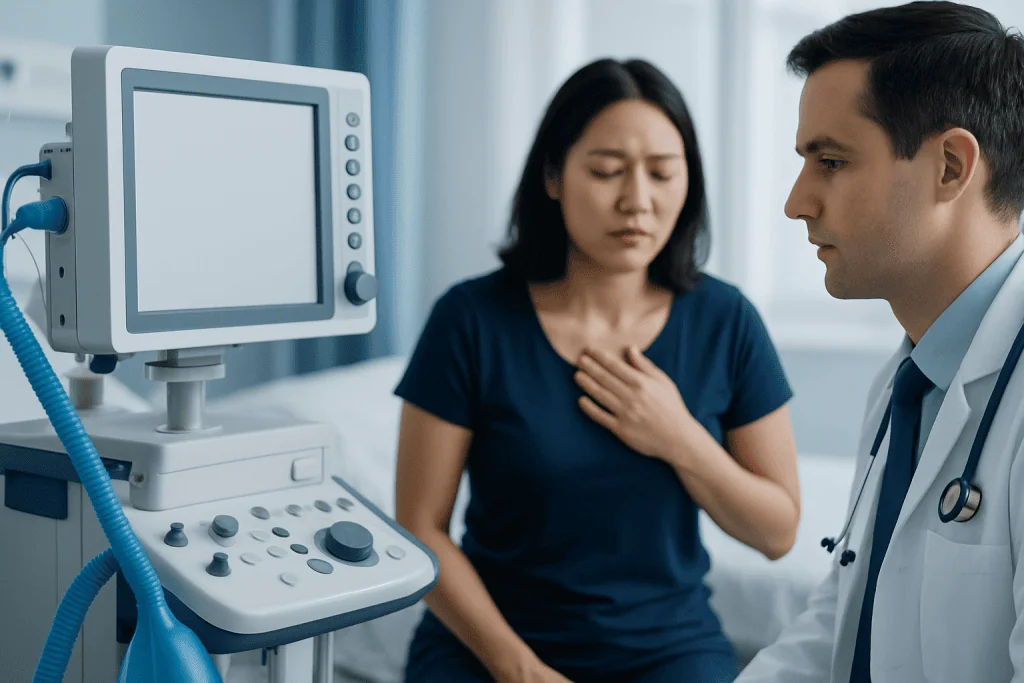
Burning that worsens with coughing, deep breathing, or cold air may suggest irritation or inflammation in the airways. A dry cough, wheeze, and chest tightness can occur with asthma or other conditions that narrow the breathing tubes. Viral respiratory infections may also leave the airways temporarily sensitive after fever and other cold-like symptoms have improved.
A burning feeling after eating, when lying down, or alongside sour taste, burping, or regurgitation is more consistent with gastroesophageal reflux. Stomach acid can irritate the food pipe and sometimes contribute to cough, throat irritation, or worsening asthma symptoms. The symptom may be felt centrally in the chest rather than in a clearly defined area of the lung.
Sharp pain that is worse with a deep breath or movement may come from chest wall muscles, ribs, or the lining around the lungs. By contrast, pressure, heaviness, or burning brought on by exertion can occasionally be related to reduced blood flow to the heart. Symptoms alone cannot reliably distinguish these causes, particularly in older adults and people with diabetes, so professional assessment is important when there is uncertainty.
- Notice whether symptoms relate to meals, activity, position, breathing, or environmental exposures.
- Record associated symptoms, including fever, mucus, wheeze, breathlessness, nausea, or heart palpitations.
- Do not assume that a burning feeling is harmless simply because it improves and returns.
Common Causes and Risk Factors
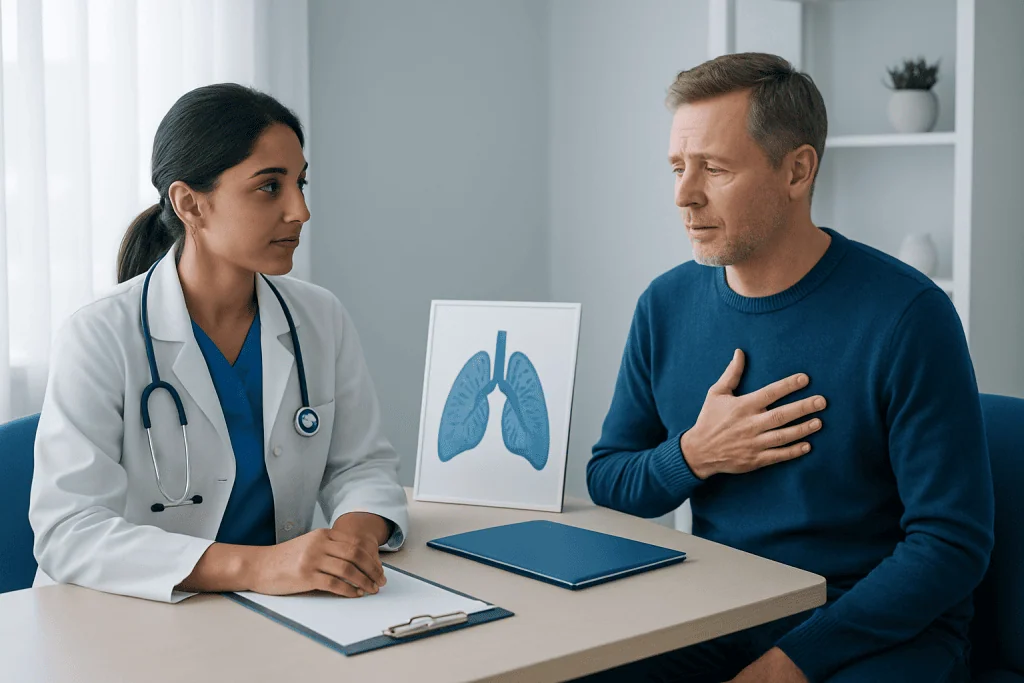
Respiratory infections are a frequent cause of chest and airway irritation. Colds, influenza, COVID-19, bronchitis, and pneumonia can lead to cough, mucus, fever, fatigue, and discomfort when breathing. Pneumonia may cause more significant breathlessness, fever, or chest pain, although symptoms vary from person to person. People at higher risk of complications include older adults, very young children, pregnant people, and those with chronic heart, lung, or immune conditions.
Asthma, chronic obstructive pulmonary disease (COPD), and allergies can cause inflamed or narrowed airways. Triggers may include tobacco smoke, air pollution, dust, pet dander, pollen, exercise, cold air, and respiratory viruses. A clinician can help distinguish asthma from other causes of recurrent wheeze or breathlessness and can create an appropriate plan for symptom control.
Inhaled irritants can produce immediate burning in the throat or chest. Cigarette smoke, vaping aerosols, wildfire smoke, workplace dust, cleaning products, solvents, and chemical fumes may irritate the airway lining. A high-level chemical exposure, especially in a poorly ventilated space, needs urgent evaluation rather than home treatment.
Other possible explanations include acid reflux, anxiety-related overbreathing, chest muscle strain, pleurisy, and less commonly heart or blood-vessel conditions. A history of smoking, long flights or prolonged immobility, recent surgery, known heart disease, blood clotting disorders, or a previous lung condition can affect the level of concern and should be shared with a clinician.
How Clinicians Evaluate Chest and Airway Burning
A healthcare professional will usually begin by asking about the timing, location, severity, and triggers of the symptom. Questions may cover recent illness, exposure to smoke or chemicals, medicines, smoking or vaping, reflux symptoms, exercise tolerance, travel, and relevant family or personal medical history. The clinician will also ask about warning signs such as coughing blood, leg swelling, fainting, or pain that spreads beyond the chest.
An examination may include listening to the lungs and heart, checking temperature, pulse, blood pressure, and oxygen level, and looking for signs of infection or increased work of breathing. Depending on the findings, tests can include an electrocardiogram (ECG), chest X-ray, blood tests, swab testing for respiratory infections, or tests of lung function such as spirometry.
Further testing is not necessary for every person with mild, short-lived symptoms. However, it can be important when symptoms are severe, persistent, recurrent, linked to exertion, or accompanied by breathlessness or abnormal examination findings. Testing is selected to rule out serious causes while identifying a treatable explanation.
Treatment Depends on the Underlying Cause
There is no single treatment for burning of lungs because management depends on what is causing the symptom. If a viral infection is responsible, care may focus on rest, fluids, symptom relief, and monitoring for deterioration. Antibiotics are not useful for viral illnesses but may be prescribed when a clinician identifies or strongly suspects a bacterial infection.
For asthma or another obstructive airway condition, treatment may include inhaled medicines that relax or reduce inflammation in the airways. These should be used exactly as prescribed, with inhaler technique reviewed regularly. People with recurrent breathlessness or wheeze should not rely only on over-the-counter cough remedies, as targeted respiratory assessment may be needed.
If reflux is likely, clinicians may recommend changes such as avoiding meals close to bedtime, identifying individual food triggers, and using appropriate medicines when needed. Persistent reflux symptoms should be evaluated, particularly if there is difficulty swallowing, unintentional weight loss, vomiting, or gastrointestinal bleeding.
When a heart, lung, or circulation problem is suspected, care may require urgent testing and condition-specific treatment. Acibadem International’s multidisciplinary specialists and JCI-accredited hospitals diagnose and treat chest and respiratory conditions for international patients, with care plans based on individual clinical findings.
Practical Self-Care While Arranging Advice
For mild symptoms without warning signs, reducing airway irritation can be helpful. Avoid smoking, vaping, secondhand smoke, incense, and strong fumes. Improve ventilation when using household products, and follow workplace safety guidance when dust, smoke, or chemicals are present. During poor outdoor air quality, limiting strenuous outdoor activity may reduce irritation for some people.
Hydration, rest, and warm non-caffeinated drinks may soothe throat and airway discomfort associated with a simple viral illness. A humidified environment may feel more comfortable for some people, but humidifiers should be cleaned carefully to avoid mold and microbial growth. Breathing slowly and steadily can help if anxiety is making breathing feel uncomfortable, but it should not be used to dismiss new or worsening chest symptoms.
People with prescribed inhalers, reflux treatment, or other long-term medicines should continue them as directed unless a clinician advises otherwise. It is sensible to avoid borrowing inhalers, antibiotics, or prescription medicines from others. If symptoms do not improve, return repeatedly, or interfere with sleep, exercise, or daily activities, a medical review is appropriate.
When to Seek Medical Care
Emergency care is needed for severe or rapidly worsening shortness of breath, chest pressure or pain that is intense or persistent, fainting, confusion, blue or gray lips, coughing blood, or symptoms that spread to the arm, jaw, shoulder, or back. Emergency assessment is also important after significant smoke inhalation or chemical exposure, particularly if there is persistent cough, wheeze, hoarseness, or difficulty breathing.
A prompt medical appointment is advisable for burning chest or lung sensations that last more than a few days, recur often, occur with fever, worsen during exertion, or are accompanied by wheezing, ongoing cough, unexplained fatigue, or reduced exercise tolerance. People with asthma, COPD, heart disease, pregnancy, weakened immunity, or a history of blood clots should seek advice earlier when new respiratory or chest symptoms develop.
It can help to bring a short symptom record to the appointment, including onset, triggers, medicines taken, and any exposure to smoke, infection, or chemicals. This information supports an accurate diagnosis and helps the clinician recommend the most suitable next steps.
Frequently asked questions
Can anxiety cause a burning sensation in the lungs?
Anxiety can contribute to chest tightness, rapid breathing, tingling, and a sensation of discomfort or burning. However, these symptoms overlap with respiratory, digestive, and heart conditions, so a new or persistent burning chest sensation should not automatically be attributed to anxiety. A clinician can help assess the cause safely.
Is burning in the lungs a symptom of pneumonia?
It can occur with pneumonia, especially when coughing or taking a deep breath, but it is not specific to pneumonia. Pneumonia may also cause fever, cough, mucus, fatigue, shortness of breath, or chest pain. A medical assessment may be needed to confirm the diagnosis.
Why do my lungs burn after exercise?
Exercise in cold, dry air or polluted air can irritate the airways, and exercise may trigger symptoms in people with asthma. Burning with exertion can also reflect reflux or, less commonly, a heart-related issue. Recurrent symptoms, wheeze, breathlessness, or chest pressure during exercise should be discussed with a healthcare professional.
Can acid reflux feel like burning in the lungs?
Yes. Acid reflux often causes burning behind the breastbone and may be mistaken for a lung sensation. Symptoms commonly occur after meals or when lying down and may include a sour taste, regurgitation, or frequent throat clearing.
Does vaping cause lung burning?
Vaping aerosols can irritate the throat and airways and may cause coughing, chest discomfort, or a burning sensation. The effects vary by product, frequency of use, and individual sensitivity. New or persistent symptoms after vaping should be reviewed by a clinician, especially if breathing becomes difficult.
How long should burning of lungs last?
The duration depends on the cause. Mild irritation from a short viral illness or a brief exposure may improve over days, while asthma, reflux, or ongoing smoke exposure can cause recurring symptoms. Medical advice is appropriate if symptoms persist, worsen, or return repeatedly.
References
- American Lung Association
- Centers for Disease Control and Prevention
- National Heart, Lung, and Blood Institute
- National Health Service
- World Health Organization
This article is for general information only and is not a substitute for professional medical advice. Please consult a qualified doctor about your individual situation.
Explore treatments in Turkey — costs, top hospitals & a free quote
JCI-accredited · board-certified surgeons · reply within 24h
Add us as a Preferred Source to see more of our trusted health content across Google Search, AI Overviews and Discover.

More from the Health Library

Scaling and Root Planing: A Complete Medical Overview

Safflower Oil: An Evidence-Based Guide for Patients

Dental Schools: A Complete Medical Overview

Sucralfate — Explained by Medical Evidence, Not Myths

Nsaids: What Patients Need to Know