How to Remove Cankles Caused by Ankle Swelling

Cankles may reflect natural anatomy, body-fat distribution, fluid retention, or medical swelling called edema. There is no proven spot-reduction exercise or cream that selectively removes fat around the ankles.
Key Takeaways
- Cankles may reflect natural anatomy, body-fat distribution, fluid retention, or medical swelling called edema.
- There is no proven spot-reduction exercise or cream that selectively removes fat around the ankles.
- Movement, leg elevation, suitable compression, and reducing excess dietary salt may help mild fluid-related ankle swelling.
- Sudden, one-sided, painful, red, or breathlessness-related leg swelling requires prompt medical assessment.
- A clinician can identify the cause through a medical history, examination, and selected blood tests or imaging.
Cankles—a term often used for ankles that appear less defined—are commonly related to normal body shape, temporary fluid retention, or swelling and are often harmless. They cannot always be “removed,” but addressing the underlying cause can reduce swelling and improve comfort when excess fluid is involved.
How to Remove Cankles: What Usually Helps
People use the word “cankles” to describe ankles that appear to blend into the lower legs without a distinct contour. In many cases, this appearance is simply a normal variation in bone structure, muscle shape, skin, and the way the body stores fat. If there is no new swelling, pain, skin change, or other symptom, it is usually not a sign of a health problem.
How to remove cankles depends on what is causing the appearance. When the cause is temporary fluid buildup, practical measures such as regular walking, raising the legs when resting, and avoiding long periods of sitting or standing may help. If the appearance is due mainly to natural anatomy or fat distribution, there is no safe, evidence-based way to target fat loss from the ankles alone; overall weight management may change body shape gradually for some people.
It is important not to assume that every enlarged ankle is cosmetic. New or persistent swelling can be caused by veins, medicines, injury, pregnancy, or conditions affecting the heart, kidneys, liver, or thyroid. Sudden swelling in one leg, especially with pain, warmth, redness, chest pain, or shortness of breath, needs urgent medical attention.
Why Ankles May Look Swollen or Less Defined
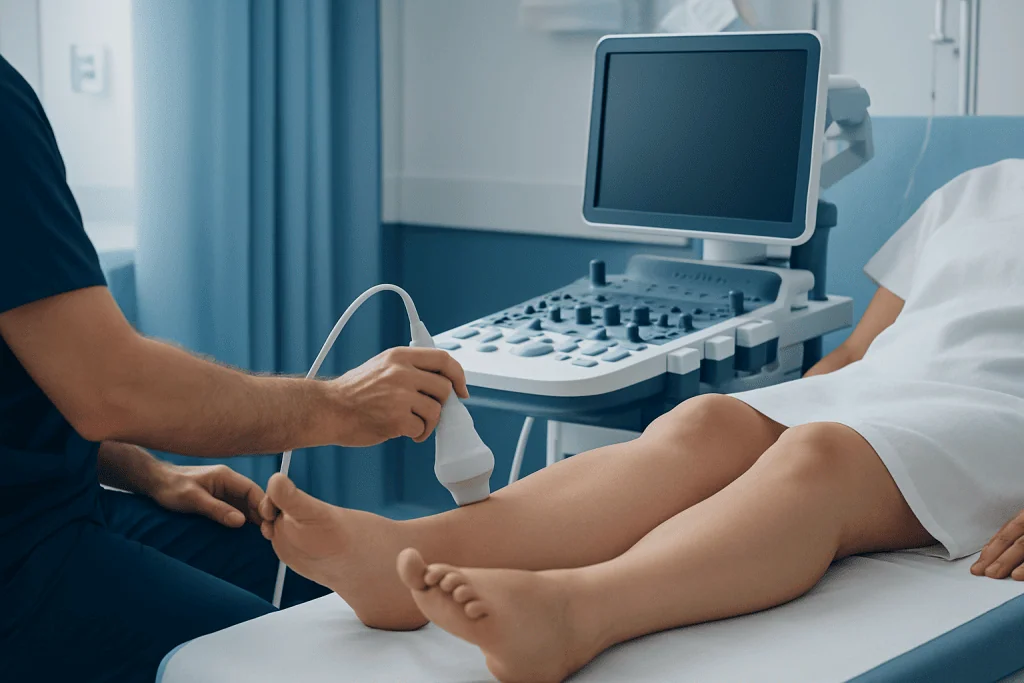
The medical term for swelling caused by fluid collecting in tissues is edema. Gravity can make fluid settle around the feet and ankles, particularly after a hot day, a long flight, prolonged standing, or sitting with the legs down. Mild swelling may improve overnight or after the legs are elevated.
Other common contributors include a sprain or other injury, pregnancy, hormonal changes, excess body weight, and chronic vein problems. With chronic venous insufficiency, leg veins do not return blood to the heart as efficiently as they should. This can lead to heaviness, aching, visible veins, skin discoloration, and swelling that is often worse later in the day.
Some medicines can also contribute to ankle swelling. Examples include certain blood pressure medicines, anti-inflammatory medicines, hormones, and some medicines used for diabetes or nerve pain. A person should not stop prescribed medicine without speaking with the clinician who prescribed it.
Less commonly, swelling in both ankles can be linked with heart, kidney, liver, or thyroid conditions. These causes are especially important to consider when swelling is persistent, increasing, or accompanied by symptoms such as fatigue, reduced exercise tolerance, changes in urination, abdominal swelling, or unexplained weight change.
Warning Signs That Need Medical Review

Most mild ankle puffiness after travel, heat exposure, or a long day is temporary. However, prompt assessment is important if one leg suddenly becomes more swollen than the other, or if swelling is associated with pain, tenderness, warmth, redness, or a firm area in the calf. These features can occur with a blood clot in a deep vein and should not be managed with home remedies alone.
Emergency care is needed for swelling accompanied by sudden shortness of breath, chest pain, coughing up blood, fainting, or a very fast heartbeat. These symptoms may indicate a serious problem requiring immediate treatment.
A non-urgent doctor’s appointment is appropriate for swelling that lasts more than a few days, keeps returning, affects both legs, leaves an indentation when pressed, or is accompanied by skin changes, sores, numbness, or increasing discomfort. Medical review is also advisable during pregnancy if swelling is sudden or severe, particularly when linked with headache, visual changes, upper abdominal pain, or feeling unwell.
How Doctors Find the Cause
A clinician will usually begin by asking when the ankle changes started, whether they affect one or both legs, and what makes them better or worse. Questions may cover recent travel, reduced mobility, surgery, injury, pregnancy, diet, medical conditions, and current medicines. This helps distinguish normal body shape from true swelling and identifies possible risk factors.
During the examination, the clinician may assess the feet, ankles, calves, skin, pulses, and veins. They may look for pitting edema, in which a temporary dent remains after gentle pressure, as well as signs of inflammation, infection, varicose veins, or reduced circulation. Weight, blood pressure, heart and lung findings, and abdominal signs may also be assessed.
Testing is selected according to the likely cause. It may include blood and urine tests to evaluate kidney, liver, thyroid, or heart-related concerns. An ultrasound of the leg veins may be used when a clot or vein disorder is suspected. Depending on symptoms, further heart tests or imaging may be recommended rather than relying on appearance alone.
For people with suspected vein-related symptoms, evaluation for varicose veins and venous insufficiency can help guide appropriate care. A clear diagnosis is the safest starting point before considering compression garments, supplements, or cosmetic procedures.
Evidence-Based Ways to Reduce Fluid-Related Swelling
For uncomplicated, mild swelling, frequent movement is often helpful. Walking, gentle ankle circles, calf raises, and changing position regularly activate the calf muscles, which support blood flow back toward the heart. On long journeys or desk-based days, taking regular movement breaks can reduce fluid pooling around the ankles.
Elevating the legs while resting may reduce gravitational fluid buildup. The legs should be comfortably supported, ideally raised above heart level when practical. Avoid placing pressure directly behind the knees for prolonged periods. Comfortable, well-fitting footwear may also help, especially if tight socks or shoes leave deep marks.
Reducing excess salt in processed foods may benefit people whose swelling is related to fluid retention, particularly when recommended as part of a broader health plan. Adequate hydration and regular physical activity are also useful general measures. Diuretic medicines, sometimes called water tablets, should only be used when prescribed for a diagnosed condition because they are not appropriate for every type of ankle swelling.
Compression socks may help some people with venous-related swelling, travel-related swelling, or prolonged standing. They should be selected with professional advice when there is diabetes, known artery disease, significant numbness, skin breakdown, or unexplained swelling. In selected cases, a doctor may recommend treatment for varicose veins to address an underlying vein problem.
Body Shape, Weight Loss, and Cosmetic Expectations
When ankles appear broad because of inherited body shape, bone structure, muscle development, or normal fat distribution, they may not change substantially with home measures. The body cannot be directed to lose fat from one chosen area. Exercises that strengthen the calves and ankles can improve fitness, balance, and muscle function, but they do not selectively remove ankle fat.
If excess body weight contributes to lower-leg fullness or swelling, gradual weight loss through sustainable eating habits, physical activity, sleep, and individualized medical guidance may reduce stress on the legs and improve circulation. The goal should be overall health and comfort rather than achieving a particular ankle shape.
Cosmetic procedures may be discussed in specialist settings for carefully selected people, but they are not treatments for medical edema. Swelling must first be investigated, because procedures will not correct fluid retention caused by vein disease or systemic illness. Any elective intervention should involve a discussion of expected benefits, limitations, recovery, and risks with a qualified clinician.
When to Seek Medical Care
Medical care is recommended for ankle swelling that is new, unexplained, persistent, worsening, or affecting daily activities. A clinician should also assess swelling that occurs after an injury, follows a new medicine, or is accompanied by pain, skin color changes, ulcers, fever, or reduced sensation.
Urgent assessment is needed for sudden one-sided leg swelling, especially when there is calf pain, warmth, or redness. Emergency help is needed if swelling occurs with chest pain, breathing difficulty, fainting, or coughing up blood.
Acibadem International’s multidisciplinary specialists and JCI-accredited hospitals assess causes of leg and ankle swelling and provide treatment planning for international patients. The appropriate specialist may include a primary care doctor, cardiologist, vascular specialist, kidney specialist, or other clinician depending on the findings.
Frequently asked questions
Can cankles go away?
They may improve when they are caused by temporary fluid retention, prolonged sitting, heat, or mild vein-related swelling. If they reflect natural anatomy, genetics, or body-fat distribution, the ankle shape may not change significantly. Persistent or new swelling should be assessed to identify the cause.
Can exercise remove fat from the ankles?
No exercise can reliably remove fat from one specific body area. Walking, cycling, calf exercises, and other activity can support circulation, strength, and overall weight management. These changes may improve leg comfort and body composition over time, but results vary.
Why are my ankles swollen at the end of the day?
Fluid can collect around the ankles during the day because of gravity, especially after sitting or standing for long periods. Heat, travel, pregnancy, and vein problems can make this more noticeable. Swelling that is frequent, painful, or does not settle should be discussed with a clinician.
Do compression socks help cankles?
Compression socks can help some people with mild fluid-related swelling and certain venous conditions by supporting blood flow in the legs. They are not suitable for everyone, particularly people with some circulation problems or unexplained swelling. A healthcare professional can advise on whether compression is appropriate and what type to use.
Should I drink less water if my ankles are swollen?
Usually, no. Restricting fluids without medical advice can lead to dehydration and does not address the underlying reason for swelling. A doctor may give individualized fluid guidance for certain heart, kidney, or liver conditions.
When is ankle swelling an emergency?
Emergency care is needed if ankle or leg swelling occurs with chest pain, shortness of breath, fainting, or coughing up blood. Urgent assessment is also important for sudden swelling in one leg with pain, warmth, redness, or tenderness. These symptoms can indicate conditions that need prompt treatment.
This article is for general information only and is not a substitute for professional medical advice. Please consult a qualified doctor about your individual situation.
Explore treatments in Turkey — costs, top hospitals & a free quote
JCI-accredited · board-certified surgeons · reply within 24h
Add us as a Preferred Source to see more of our trusted health content across Google Search, AI Overviews and Discover.
Check your numbers in seconds
BMI, calories, due date, blood pressure and 30+ more clinical calculators — free, instant, doctor-reviewed ranges.

More from the Health Library

Do Mushrooms Have Protein? Causes, Explanations, and Next Steps

Is Curly Hair Dominant or Recessive? A Doctor-Reviewed Answer

Does Corn Have Fiber? Causes, Explanations, and Next Steps

What Are Nitrates? Causes, Explanations, and Next Steps

Brain Aneurysm Symptoms: When Sudden Headache Needs Urgent Imaging

Do Babies Dream? A Doctor-Reviewed Answer
Physical Medicine & Rehabilitation Specialists at Acibadem

Fzt. Alperen Mustafa Oğuz
Physical Medicine & Rehabilitation
Assoc. Prof. Dr. Altuğ Yücekul
Orthopedic Surgery & Traumatology
Prof. Dr. Arel Gereli
Orthopedic Surgery & Traumatology
Fzt. Asım Sakallı
Physical Medicine & Rehabilitation