Things I Wish I Had After Knee Surgery: How It Works, Recovery, and What to Expect

Preparation before discharge can make the first days at home safer and less stressful. A walker, crutches or cane should be used exactly as advised by the surgical and physiotherapy team.
Key Takeaways
- Preparation before discharge can make the first days at home safer and less stressful.
- A walker, crutches or cane should be used exactly as advised by the surgical and physiotherapy team.
- Pain control, swelling management and regular prescribed exercises support recovery.
- Recovery timelines vary substantially by procedure, overall health and rehabilitation progress.
- Urgent assessment is needed for symptoms such as chest pain, shortness of breath, fever or worsening wound changes.
Things I wish I had after knee surgery often include practical items that support comfort, safe movement and rehabilitation: prescribed mobility aids, ice or cold packs, easy-to-wear clothing, help at home and a recovery plan. The exact needs and timeline depend on whether surgery repairs a ligament or meniscus, treats a fracture, or replaces part or all of the knee.
Overview: what people often wish they had prepared
After knee surgery, many people find that the most useful preparations are not complicated. They commonly wish they had arranged a clear discharge plan, the right walking aid, a comfortable place to rest, easy access to daily essentials and reliable help for the first few days. Having these in place can allow the person to focus on healing and prescribed rehabilitation rather than managing avoidable practical difficulties.
The type of operation matters. Arthroscopic procedures, such as some meniscus repairs, may have a shorter early recovery than ligament reconstruction, fracture surgery or knee replacement. A partial or total knee replacement may be considered when severe joint damage causes persistent pain and limits function; further information is available through knee replacement surgery. The surgeon’s specific instructions always take priority over general recovery advice.
It is also helpful to expect gradual improvement rather than a perfectly linear recovery. Pain, stiffness and fatigue can vary from day to day, especially after activity or physiotherapy. Regular communication with the care team helps ensure that expectations, pain management and activity goals remain appropriate.
How knee surgery works and who may be a candidate
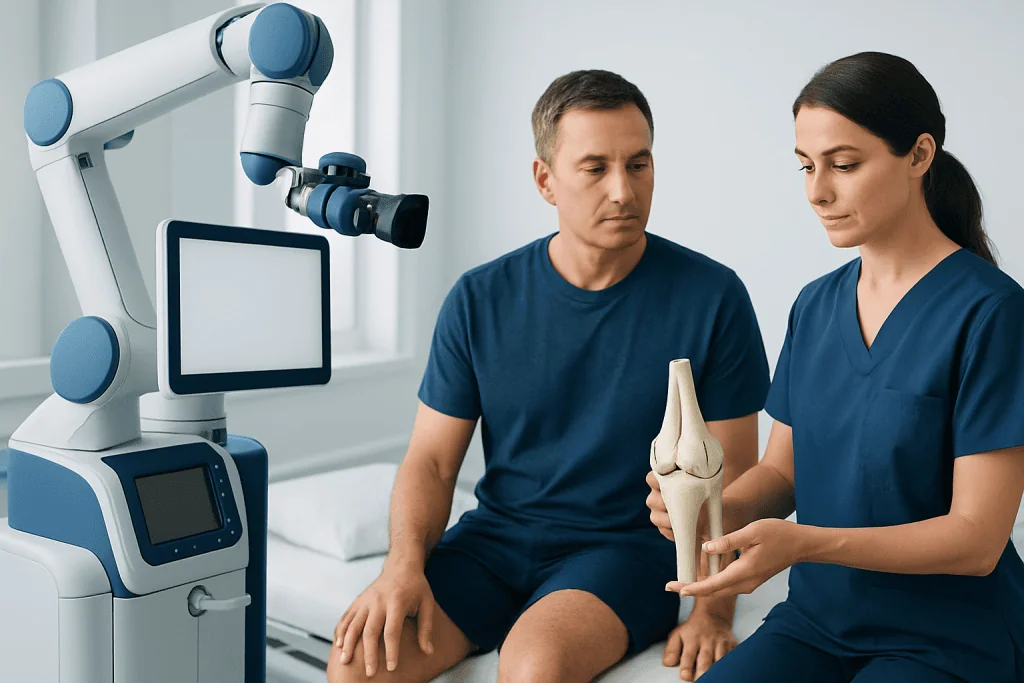
Knee surgery is a broad term for procedures that diagnose, repair, reconstruct or replace structures within and around the knee joint. Arthroscopy uses a small camera and specialized instruments through small incisions. It may be used to assess or treat selected cartilage, meniscus or ligament problems. Larger open operations may be needed for fractures, complex injuries or joint replacement.
During knee replacement, damaged joint surfaces are removed and replaced with carefully fitted artificial components. The aim is generally to reduce pain and improve everyday mobility when non-surgical treatment no longer provides adequate relief. Surgery is not automatically the best option for every painful knee; exercise therapy, weight management where relevant, medicines, injections and other treatments may be considered first.
Candidacy depends on the underlying diagnosis, symptoms, imaging findings, physical examination, medical history and personal goals. For example, knee osteoarthritis may lead to consideration of joint replacement when pain and loss of function are substantial. Before surgery, clinicians also assess factors such as heart and lung health, diabetes control, blood-thinning medicines, infection risk and the ability to participate in rehabilitation.
What happens before, during and after the procedure

Preparation usually begins with a pre-operative assessment. The team reviews current medicines, allergies and existing health conditions, and may arrange blood tests, imaging or other checks. Patients should ask which medicines to stop or continue, when to avoid food and drink before anesthesia, and how much weight can be placed through the leg after surgery.
On the day of surgery, anesthesia may be general, regional or a combination, depending on the procedure and individual circumstances. The surgeon performs the planned repair, reconstruction or replacement, then closes the incision and applies dressings. Some patients return home the same day, while others need a hospital stay for observation, pain management and early mobilization.
Afterward, the recovery team monitors circulation, sensation, pain, nausea and the surgical wound. Physiotherapy often begins soon after surgery, sometimes on the same day or the following day. The first goals are typically safe transfers, getting in and out of bed, using stairs if needed, and walking with the recommended support device.
Before discharge, patients should receive written instructions about wound care, bathing, medicines, activity restrictions, exercises, follow-up appointments and urgent warning signs. If any instruction is unclear, it is best to ask before leaving the hospital.
Useful recovery essentials for home
The items people value most after knee surgery are usually those that reduce fall risk and make routine tasks easier. A walker, crutches or cane may be needed, but the correct device and fit should be confirmed by a physiotherapist. A stable chair with arms and a firm, raised seat can make standing safer. Depending on the procedure and home layout, raised toilet seating, a shower chair, non-slip mats and a hand-held shower may also be helpful.
Cold packs or a cold-therapy device may help manage swelling and discomfort when used according to the clinical team’s instructions. A clean barrier should protect the skin, and cold should not be applied for excessive periods. Elevating the leg as advised, while avoiding positions that conflict with the surgeon’s instructions, can also help with swelling.
Loose shorts or wide-leg trousers, slip-on shoes with secure soles, a small bag for carrying essentials and a phone charger within reach can make daily activities more manageable. It is sensible to prepare meals, drinking water, prescribed medicines and frequently used items at waist height before surgery so that bending, climbing and carrying are minimized.
Home support is often as important as equipment. A family member, friend or caregiver may assist with meals, transport, pet care, household tasks and reminders during the early recovery period. Patients should not drive until their surgeon confirms that it is safe, particularly if they are using opioid pain medicines or cannot comfortably control the vehicle.
Recovery timeline, rehabilitation and expected progress
The first several days usually focus on wound protection, pain control, circulation exercises, short walks and safe movement around the home. Swelling and bruising are common after many knee operations. Prescribed pain relief can make it easier to sleep, move and complete rehabilitation, and should be taken only as directed.
Over the following weeks, physiotherapy generally aims to restore knee movement, strength, balance and walking confidence. Exercises should be performed at the frequency and intensity recommended by the care team. Doing too little may slow recovery, while pushing through severe pain, marked swelling or a sudden change in symptoms can be counterproductive. The therapist can adjust the program as healing progresses.
Return to work, driving, travel, sports and heavier household activity differs widely. Desk-based work may be possible earlier than physically demanding work, but timing should be individualized. Knee replacement recovery commonly continues for months, while recovery after ligament reconstruction may be longer before return to pivoting sports. Follow-up visits help determine whether activity can safely increase.
Keeping a simple daily record of pain, swelling, walking distance, exercises and medication use can help patients recognize progress and discuss concerns accurately. Adequate sleep, hydration, balanced nutrition and avoidance of tobacco products can support healing. People with diabetes should work with their healthcare team to keep blood glucose well managed around surgery.
Benefits, risks and realistic expectations
The potential benefits of knee surgery depend on the procedure and reason for treatment. These may include less pain, improved stability, better joint movement, easier walking and a greater ability to carry out daily activities. For many people, the meaningful goal is not a “perfect” knee but improved comfort and function for the activities that matter to them.
All operations carry risks. Possible complications include bleeding, infection, blood clots, reactions to anesthesia, nerve or blood vessel injury, persistent stiffness, ongoing pain, delayed wound healing and the need for further treatment. Replacement components can also loosen, wear or become infected over time, although individual risk varies.
The team reduces risk through pre-operative assessment, sterile surgical technique, early mobilization, medication when appropriate and follow-up care. Patients can contribute by following wound-care instructions, taking blood-clot prevention medicines if prescribed, attending physiotherapy and reporting new or worsening symptoms promptly.
It is normal to have questions about the balance of benefits and risks. A discussion with an orthopedic surgeon should cover the diagnosis, alternatives to surgery, expected recovery, possible complications and the specific goals of the planned operation. This supports informed, shared decision-making.
When to seek medical care
Patients should contact their surgical team promptly if pain or swelling is worsening rather than gradually improving, if the wound becomes increasingly red, warm, swollen or draining fluid, or if there is a fever or chills. New numbness, a pale or cold foot, persistent vomiting, or difficulty taking prescribed medicines also warrants medical advice.
Urgent emergency assessment is needed for chest pain, sudden shortness of breath, coughing up blood, fainting, or sudden severe swelling or pain in the calf or thigh. These symptoms can have several causes, including potentially serious complications such as a blood clot, and should not be managed at home.
Patients should also seek advice if they fall, twist the operated knee, hear a new popping sound with loss of function, or are uncertain about weight-bearing and exercise instructions. Early assessment can prevent a minor concern from becoming a larger setback.
Acibadem International’s multidisciplinary specialists and JCI-accredited hospitals support diagnosis, surgery and rehabilitation planning for international patients with knee conditions. A qualified orthopedic team can tailor aftercare recommendations to the operation, health history and home circumstances.
Frequently asked questions
What are the most useful things to have after knee surgery?
The most useful items are usually the prescribed walking aid, easy-to-use cold packs, a stable chair with arms, loose clothing and a safe bathroom setup. Many people also benefit from prepared meals, frequently used items placed within easy reach and help from another adult during the first days at home. The surgical team can advise which aids are appropriate for the specific procedure.
How long does it take to walk normally after knee surgery?
Walking recovery varies by operation, pre-operative fitness, pain control and rehabilitation progress. Some people begin short supported walks very soon after surgery, but independent, comfortable walking may take weeks or longer. A physiotherapist and surgeon can advise when it is safe to reduce or stop using a walker, crutches or a cane.
Should the knee be iced after surgery?
Cold therapy may reduce swelling and discomfort after many knee procedures, but it should be used according to the care team’s instructions. A cloth barrier should protect the skin, and the cold source should not be left on for prolonged periods. People with reduced skin sensation or circulation problems should ask their clinician for individualized advice.
What pain is normal after knee surgery?
Some pain, stiffness, bruising and swelling are expected during early healing and may fluctuate after activity or therapy. Pain should generally become more manageable over time with the prescribed plan. Severe, suddenly worsening or poorly controlled pain should be discussed with the surgical team.
When can a person drive after knee surgery?
Driving should resume only when the surgeon confirms it is safe. The person must be able to enter and exit the vehicle safely, control the pedals confidently, perform an emergency stop and drive without sedating pain medicines. Timing varies according to the operated leg, procedure and individual recovery.
What symptoms after knee surgery need urgent care?
Chest pain, sudden breathlessness, fainting, coughing up blood, or new marked calf or thigh swelling require urgent medical assessment. Fever, increasing wound redness, warmth, drainage or worsening pain should also be reported promptly to the surgical team. It is safer to seek advice early when a symptom seems unusual or concerning.
References
- American Academy of Orthopaedic Surgeons
- National Institute of Arthritis and Musculoskeletal and Skin Diseases
- National Health Service
- Centers for Disease Control and Prevention
This article is for general information only and is not a substitute for professional medical advice. Please consult a qualified doctor about your individual situation.
Joint and spine care in Turkey — expert assessment & treatment
JCI-accredited · board-certified surgeons · reply within 24h
Add us as a Preferred Source to see more of our trusted health content across Google Search, AI Overviews and Discover.