Do They Test for Herpes When Pregnant? Causes, Explanations, and Next Steps

Routine screening for herpes in pregnancy is not generally recommended for everyone without symptoms. A swab test from a fresh sore is usually the most useful test when genital lesions are present.
Key Takeaways
- Routine screening for herpes in pregnancy is not generally recommended for everyone without symptoms.
- A swab test from a fresh sore is usually the most useful test when genital lesions are present.
- Blood tests may be considered in selected situations, such as possible exposure or an unclear history.
- The greatest concern is a first genital herpes infection acquired late in pregnancy, but prompt medical care can help guide safer delivery planning.
- People with known genital herpes should tell their maternity care team early, even if they have no current symptoms.
Routine herpes blood testing is not usually performed for every pregnant person without symptoms or a known exposure. However, clinicians may recommend testing when there are genital sores, a partner with herpes, possible recent exposure, or a personal history of genital herpes, because careful planning can reduce risks around birth.
Do they test for herpes when pregnant?
In most pregnancies, clinicians do not routinely test every person for herpes simplex virus (HSV) if there are no symptoms, no known exposure, and no history of genital herpes. This is reassuring: many pregnancies do not involve herpes-related concerns, and a past cold sore or a positive blood test alone does not necessarily predict a problem during pregnancy or delivery.
Testing is more likely when a pregnant person has new genital blisters, sores, itching, burning, pain with urination, a partner with known genital herpes, or concern about a recent sexual exposure. A clinician will consider the timing of symptoms, previous episodes, partner history, and pregnancy stage before recommending a test.
The reason for targeted testing is to identify an active genital HSV infection and plan care appropriately. Herpes can occasionally be passed to a baby during vaginal birth, especially when a person develops their first genital infection close to delivery. With timely assessment, antiviral treatment and delivery planning can substantially reduce avoidable risk.
Why herpes matters during pregnancy
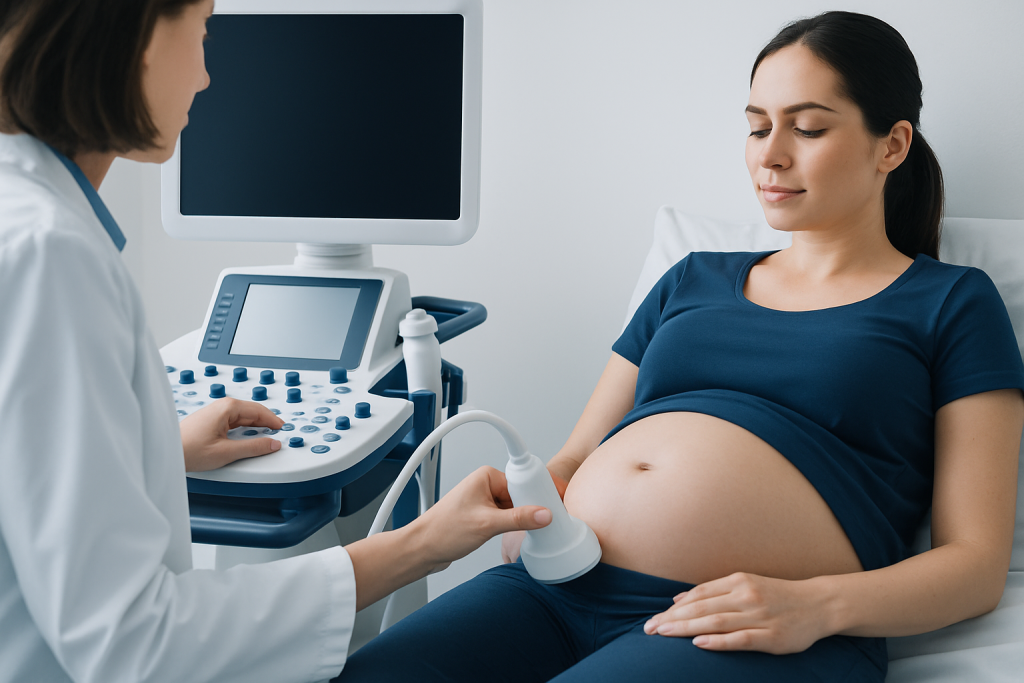
Herpes simplex viruses are common. HSV-1 most often causes oral cold sores, while HSV-2 more often causes genital herpes; however, either type can affect the mouth or genitals. Genital infection can occur through vaginal, anal, or oral sexual contact, including oral sex from a partner with an oral HSV infection.
For most people who had genital herpes before pregnancy, the immune system has already developed antibodies. If a recurrence happens during pregnancy, the chance of passing HSV to the baby is generally much lower than it is with a newly acquired infection late in pregnancy. Many recurrences are mild, and some people have no noticeable symptoms.
A first episode of genital herpes near the time of birth deserves particularly prompt assessment because the body may not yet have developed protective antibodies. This does not mean that transmission will occur, but it helps the maternity team decide whether antiviral medicine, monitoring, or a change in delivery approach may be appropriate.
Information about genital HSV is also available in the genital herpes overview. It can help to remember that herpes is a manageable viral infection, and a diagnosis should be discussed without shame or blame.
Symptoms and signs that may need testing
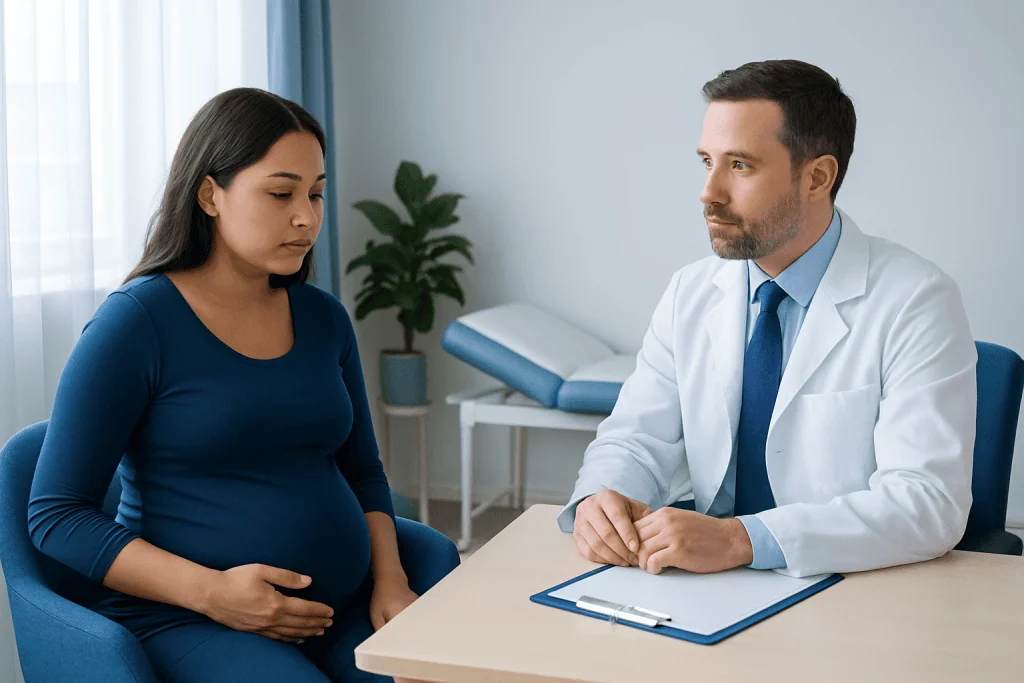
Some HSV infections cause no symptoms or only subtle symptoms. When symptoms occur, a first genital episode may include clusters of small blisters that break into painful sores, tingling or burning in the genital area, itching, swollen groin glands, fever, body aches, or discomfort when passing urine. Symptoms can be confused with irritation, shaving-related bumps, urinary infections, yeast infections, or other sexually transmitted infections.
Recurring genital herpes often causes milder symptoms than the first episode. A person may notice tingling, itching, or sensitivity before sores develop, or may have only a small number of lesions. Cold sores on the lips are usually caused by HSV-1 and do not automatically mean a person has genital herpes.
Testing should not be delayed if new genital sores develop during pregnancy. It is especially important to contact a clinician if symptoms begin in the third trimester, if a sexual partner has recently developed genital or oral sores, or if there has been a new diagnosis of genital herpes in either partner.
- New blisters, ulcers, cracks, or painful genital sores
- Burning or pain during urination with genital irritation
- Flu-like symptoms alongside genital lesions
- A partner with diagnosed genital herpes or recent sores
- Possible first genital herpes episode late in pregnancy
How doctors test for herpes in pregnancy
If visible sores or blisters are present, a clinician can take a swab from the lesion for a laboratory test, often a nucleic acid amplification test such as PCR. This test can identify HSV and determine whether it is HSV-1 or HSV-2. It is generally most accurate when collected from a fresh lesion before it has healed.
A blood test looks for antibodies to HSV-1 or HSV-2 rather than identifying a sore directly. It may be useful when there are no active lesions but there is a relevant exposure, an uncertain past history, or a partner with herpes. Blood testing has limitations: it cannot reliably show when infection occurred or whether it is oral or genital, and early testing after a new exposure may be negative before antibodies have developed.
Clinicians may also assess for other causes of genital symptoms and may offer testing for other sexually transmitted infections when appropriate. The diagnosis is not made from appearance alone; a careful history, examination, and suitable laboratory testing provide the clearest information.
If a person has a prior diagnosis, bringing previous test results or sharing details about past outbreaks can help the obstetric team make an individualized plan. A positive HSV blood test without symptoms should be interpreted with a qualified clinician rather than assumed to mean there is an active genital infection.
Treatment and birth planning
Antiviral medicines can be used in pregnancy when a clinician considers them appropriate. They may be prescribed to treat a first episode, manage a recurrence, or prevent outbreaks near delivery in people with recurrent genital herpes. The specific medicine, timing, and treatment plan depend on the person’s symptoms, medical history, pregnancy stage, and test results.
People with a known history of genital herpes should tell their obstetrician or midwife early in pregnancy. Near labor, the maternity team will ask about warning symptoms such as burning, tingling, or pain and will examine for active lesions when indicated. If genital lesions or early outbreak symptoms are present at the start of labor, a cesarean birth may be recommended to lower the chance of newborn exposure.
If no lesions or warning symptoms are present during labor, many people with recurrent genital herpes can give birth vaginally. Decisions are individualized, particularly for a first infection in late pregnancy. Antiviral care can be discussed as part of antiviral treatment with the clinician overseeing the pregnancy.
Newborn herpes is uncommon but can be serious, which is why communication with the maternity and newborn care teams matters. After birth, anyone with an active cold sore should avoid kissing the baby, wash their hands carefully, and cover active lesions where possible until they heal.
Prevention and self-care during pregnancy
People who do not have genital herpes can reduce the chance of acquiring it during pregnancy by discussing HSV status and symptoms with sexual partners. Condoms and dental dams reduce, but do not completely eliminate, HSV transmission because the virus can spread from skin not covered by a barrier.
If a partner has known genital herpes, clinicians commonly advise avoiding vaginal, anal, and oral sexual contact when the partner has sores or warning symptoms. In the later weeks of pregnancy, the maternity care team may recommend avoiding sex with a partner who has genital herpes if the pregnant person has not had it before. Avoid receiving oral sex from a partner with a cold sore or oral herpes symptoms.
There is no approved vaccine that prevents HSV infection. General self-care during an outbreak includes keeping the area clean and dry, wearing loose clothing, avoiding picking or touching lesions, and washing hands after contact with the affected area. A clinician should be consulted before using medicines, creams, or supplements during pregnancy.
It is also useful to include herpes history in routine antenatal discussions, even if there have been no outbreaks for years. Open communication allows the care team to provide practical guidance without unnecessary testing or intervention.
When to seek medical care
A pregnant person should contact their obstetrician, midwife, or another qualified clinician promptly for any new genital sores, blisters, significant genital pain, or burning with urination. Same-day advice is particularly important when symptoms occur in the third trimester, after a new sexual exposure, or when a partner has recently been diagnosed with genital herpes.
Urgent medical assessment is appropriate for severe pain, inability to pass urine, high fever, severe headache, confusion, widespread rash, or feeling very unwell. These symptoms have several possible causes, but they should not be managed at home during pregnancy.
People with established genital herpes should also contact their maternity team if an outbreak seems to be starting near the expected delivery date or if labor begins while they have genital symptoms. The care team can assess the situation and explain the safest next steps.
Acibadem International’s multidisciplinary specialists and JCI-accredited hospitals can assess herpes concerns and coordinate pregnancy care for international patients. The most important step is timely discussion with a qualified maternity clinician, who can tailor testing and treatment to the individual pregnancy.
Frequently asked questions
Is herpes testing part of routine prenatal blood work?
Usually, no. Routine HSV blood testing is not generally recommended for pregnant people who have no symptoms and no relevant history or exposure. Testing is more often considered when symptoms, a partner history, or a possible recent infection raises concern.
Can a blood test tell whether herpes is genital?
Not reliably. A blood test can show antibodies to HSV-1 or HSV-2, but it usually cannot identify the body site of infection or determine when infection began. A swab from an active genital sore is more useful for confirming a current genital outbreak.
What happens if genital herpes is diagnosed during pregnancy?
A clinician will discuss whether the infection appears to be new or recurrent and may recommend antiviral medicine. They will also document the diagnosis for the maternity team and make a plan for labor based on symptoms and examination findings near delivery.
Can someone have a healthy baby if they have genital herpes?
Yes. Most people with genital herpes have healthy pregnancies and healthy babies. Sharing the history with the maternity team and reporting any symptoms near delivery are important ways to support safe planning.
Should a pregnant person avoid sex if their partner has herpes?
Sex should be avoided when the partner has active sores or early warning symptoms such as tingling or burning. If the pregnant person has never had genital herpes, their clinician may advise additional precautions, especially later in pregnancy, depending on the partner’s infection type and history.
Can cold sores affect a newborn baby?
Cold sores can spread HSV through close contact after birth. Anyone with an active cold sore should avoid kissing a newborn, wash hands often, and keep the lesion covered when possible. A newborn with fever, poor feeding, unusual sleepiness, or blisters needs urgent medical assessment.
This article is for general information only and is not a substitute for professional medical advice. Please consult a qualified doctor about your individual situation.
Explore treatments in Turkey — costs, top hospitals & a free quote
JCI-accredited · board-certified surgeons · reply within 24h
Add us as a Preferred Source to see more of our trusted health content across Google Search, AI Overviews and Discover.

More from the Health Library

What Is Autistic? Causes, Explanations, and Next Steps

What Is Carbon Monoxide? A Doctor-Reviewed Answer

Does Your Heart Stop When You Sneeze? A Doctor-Reviewed Answer

Does Cottage Cheese Have Lactose? Here Is What the Evidence Says

How to Be Happy? Here Is What the Evidence Says