Why You May Feel Out of Breath When Bending Over
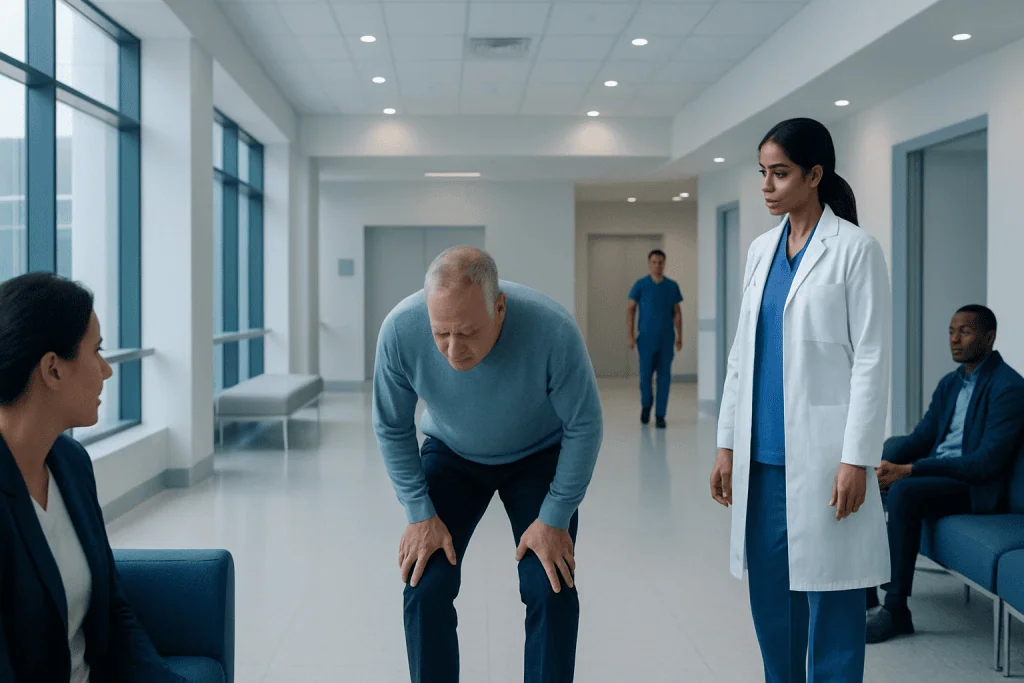
Bending forward can increase pressure in the abdomen and chest, making breathing feel temporarily harder. Breathlessness in this position is sometimes called bendopnea, particularly when it occurs in people with heart failure.
Key Takeaways
- Bending forward can increase pressure in the abdomen and chest, making breathing feel temporarily harder.
- Breathlessness in this position is sometimes called bendopnea, particularly when it occurs in people with heart failure.
- Weight around the abdomen, pregnancy, bloating, poor conditioning, and tight clothing may contribute to symptoms.
- Ongoing breathlessness, chest discomfort, swelling, fainting, or symptoms at rest require prompt medical assessment.
- A clinician may evaluate the heart, lungs, blood count, medications, and daily activity tolerance to identify the cause.
Feeling out of breath when bending over can happen when the body position briefly limits how freely the diaphragm and lungs can expand. It is often related to abdominal pressure, fitness level, weight, or reflux, but persistent or worsening symptoms should be checked because heart, lung, or blood-related conditions can also contribute.
Overview: Why Bending Can Make Breathing Feel Harder
Out of breath when bending over usually happens because leaning forward changes the relationship between the abdomen, diaphragm, lungs, and chest wall. The diaphragm is the main breathing muscle. When the abdomen is compressed during bending, especially after a large meal or in the presence of bloating or excess abdominal weight, the diaphragm may have less room to move downward. This can create a brief sensation of not being able to take a satisfying breath.
For many people, the feeling is mild, lasts only while they are bent over, and improves quickly on standing upright. However, breathlessness is a symptom rather than a diagnosis. If it is new, frequent, getting worse, or occurs with ordinary activities such as walking across a room, it deserves medical attention.
Clinicians sometimes use the term bendopnea to describe shortness of breath that develops when a person bends forward, often within a short time. Although it can be seen in people with heart failure, bending-related breathlessness does not automatically mean a person has heart disease. The pattern, associated symptoms, medical history, and examination all help determine its significance.
What the Symptom May Feel Like
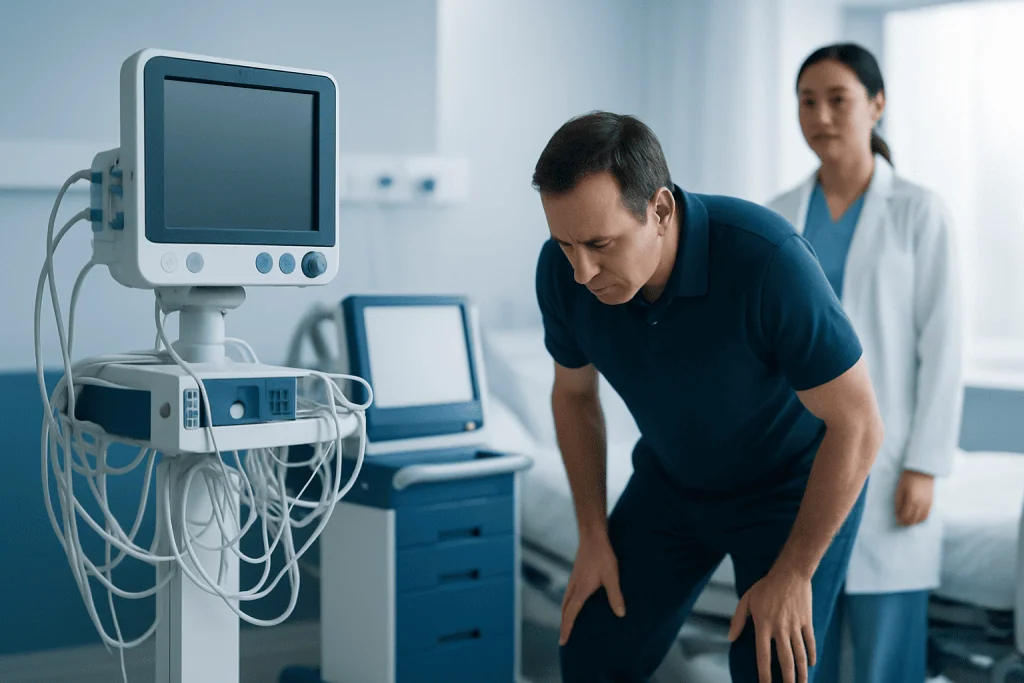
The sensation varies. Some people notice chest tightness or pressure while tying shoes, lifting an item from the floor, gardening, loading a washing machine, or leaning over a sink. Others describe needing to pause, straighten up, or take several deeper breaths before continuing. The symptom may be more noticeable after eating, when wearing restrictive clothing, or during a respiratory infection.
It is useful to distinguish bending-related breathlessness from other patterns. Shortness of breath that occurs when lying flat may be called orthopnea and can be associated with fluid accumulation or certain heart and lung conditions. Breathlessness during exertion, such as climbing stairs, may point to reduced fitness but can also occur with cardiac, respiratory, or blood disorders.
Keeping track of when symptoms occur can help a clinician. Relevant details include whether the problem happens only after meals, how quickly it begins after bending, whether it resolves immediately on standing, and whether it is accompanied by cough, wheeze, palpitations, leg swelling, fatigue, dizziness, or chest pain.
Common and Less Common Causes

Simple mechanical pressure is a common explanation. Abdominal weight, temporary bloating, constipation, pregnancy, or a full stomach can push upward against the diaphragm during forward bending. Reduced physical conditioning may also make normal activities feel more demanding, particularly after a period of illness, inactivity, or weight change.
Digestive symptoms may play a part. Gastroesophageal reflux can worsen when bending after meals and may cause burning discomfort, a sour taste, cough, throat irritation, or a sensation of chest pressure. A hiatal hernia, in which part of the stomach moves upward through the diaphragm opening, may also contribute to reflux and discomfort in some people.
Heart and lung conditions are important considerations when symptoms are persistent or accompanied by reduced exercise tolerance. Heart failure can raise pressure within the heart and lungs, and bending may make this pressure-related breathlessness more apparent. Conditions such as asthma, chronic obstructive pulmonary disease, pulmonary infection, or other lung disorders can also reduce breathing reserve. People with known heart failure should report a new change in breathlessness to their healthcare team.
Anemia, in which the blood carries less oxygen than usual, can cause fatigue, rapid heartbeat, and shortness of breath with activity. Anxiety may intensify awareness of breathing, but it should not be assumed to be the cause until physical contributors have been appropriately considered.
Risk Factors and Clues That Help Narrow the Cause
Several factors can make bending-related breathlessness more likely. These include overweight or obesity, pregnancy, large meals, abdominal distension, constipation, smoking, respiratory infections, limited regular activity, and chronic heart or lung disease. Age alone does not explain breathlessness, although long-term medical conditions become more common with age.
Symptoms that occur mainly after eating or with heartburn may suggest a digestive contribution. Wheezing, cough, mucus production, or sensitivity to smoke and cold air can suggest airway disease. A rapid weight increase, ankle swelling, waking short of breath, or needing extra pillows to sleep may point to fluid retention and should be assessed promptly.
Medication review is also important. Some medicines can cause fluid retention, affect heart rate, or worsen respiratory symptoms in susceptible people. A person should not stop prescribed medicines on their own, but should bring an updated list of medicines, supplements, and inhalers to a medical appointment.
How Doctors Evaluate Breathlessness When Bending
Assessment begins with a detailed history and physical examination. A clinician will ask about the onset, frequency, triggers, exercise tolerance, smoking history, recent infections, sleep symptoms, weight change, and known medical conditions. They may listen to the heart and lungs, check oxygen level, blood pressure, pulse, weight, and look for swelling in the legs or signs of anemia.
Tests depend on the individual situation. A blood count may identify anemia or infection. An electrocardiogram can assess heart rhythm, while an echocardiogram may be used to evaluate heart structure and pumping function. A chest X-ray, lung function testing, or other imaging may be appropriate when lung disease is suspected. Echocardiography is a painless ultrasound examination that can provide useful information about how the heart is working.
People with symptoms of reflux or upper digestive discomfort may need dietary review, reflux treatment, or further gastrointestinal evaluation. The aim is not simply to label the symptom, but to identify treatable contributors and rule out conditions that need timely care.
Treatment Options and Everyday Measures
Treatment depends on the underlying cause. If abdominal pressure, bloating, or reflux appears to be contributing, smaller meals, avoiding bending soon after eating, and remaining upright after meals can be helpful. A clinician may recommend treatment for reflux when appropriate. Gentle, regular physical activity can improve conditioning over time, provided it is safe for the individual’s health status.
Practical adjustments may reduce symptoms during daily tasks. Bending at the knees rather than folding deeply at the waist, sitting to put on shoes, avoiding tight waistbands, and pausing between physically demanding tasks may make breathing more comfortable. Addressing constipation, limiting foods that reliably cause troublesome gas, and working toward a medically appropriate weight can reduce abdominal pressure for some people.
When heart, lung, or blood conditions are identified, care may include medicines, breathing tests, inhaler therapy, treatment of anemia, cardiac evaluation, pulmonary rehabilitation, or other targeted measures. For people with chronic respiratory disease, a clinician may discuss pulmonary rehabilitation to support exercise capacity, breathing techniques, and symptom management.
Acibadem International’s multidisciplinary specialists and JCI-accredited hospitals can assess breathlessness and coordinate heart, lung, digestive, and general medical care for international patients when needed.
When to Seek Medical Care
Medical advice is recommended when breathlessness while bending is recurrent, newly developed, worsening, or affecting normal daily activities. An appointment is especially important if there is also reduced exercise tolerance, persistent cough, wheezing, palpitations, unexplained fatigue, fever, significant heartburn, ankle swelling, or an unexpected change in weight.
Urgent medical evaluation is needed for severe or sudden shortness of breath, chest pain or pressure, fainting, confusion, blue or gray lips, coughing up blood, or breathlessness that continues at rest. These symptoms can have several causes, some of which need immediate treatment. Local emergency services should be contacted rather than driving oneself to care.
People with established heart or lung disease should follow their individualized action plan and contact their treating clinician if symptoms change. Early evaluation often makes it easier to manage the underlying issue and can provide reassurance when no serious cause is found.
Frequently asked questions
Is it normal to be out of breath when bending over?
A brief, mild sensation can occur because bending compresses the abdomen and limits diaphragm movement. It is more common after a large meal, with bloating, during pregnancy, or with excess abdominal weight. If it is frequent, new, worsening, or occurs with other symptoms, a clinician should assess it.
What is bendopnea?
Bendopnea is the medical term sometimes used for shortness of breath that occurs when bending forward. It has been described in people with heart failure, where it may reflect increased pressure in the heart and lungs. However, the symptom can also occur for non-cardiac reasons, so it is not diagnostic by itself.
Can being overweight cause shortness of breath when bending over?
Yes. Extra abdominal tissue can increase upward pressure on the diaphragm when a person bends, which may reduce the room available for a deep breath. Gradual, medically appropriate weight management and improved fitness may help, but persistent symptoms still warrant medical advice.
Can reflux make someone feel short of breath when bending?
Reflux often worsens with bending, particularly after meals, and may cause chest discomfort, burning, cough, or throat symptoms that make breathing feel uncomfortable. True shortness of breath should not automatically be attributed to reflux. A healthcare professional can help distinguish digestive symptoms from heart or lung causes.
Why am I short of breath when I bend down but not when walking?
A position-specific pattern can suggest mechanical pressure from the abdomen on the diaphragm, especially if the symptom resolves rapidly after standing. It can also occur with reflux, bloating, or reduced breathing reserve. A medical review is advisable if the symptom is persistent or if there are heart, lung, or systemic symptoms.
When is shortness of breath an emergency?
Emergency assessment is needed for severe or sudden breathing difficulty, chest pain or pressure, fainting, confusion, bluish lips, coughing up blood, or breathlessness at rest. These signs may indicate a serious heart, lung, or circulation problem. Contact local emergency services immediately in these situations.
References
- American Heart Association
- American Lung Association
- National Heart, Lung, and Blood Institute
- Mayo Clinic
- World Health Organization
This article is for general information only and is not a substitute for professional medical advice. Please consult a qualified doctor about your individual situation.
Persistent digestive symptoms? Get evaluated in Turkey
JCI-accredited · board-certified surgeons · reply within 24h
Add us as a Preferred Source to see more of our trusted health content across Google Search, AI Overviews and Discover.